Предпросмотр
 Поделиться
 Поделиться
 Детали произведения

 Скачать
 Похожие работы
 Рентгенография
 Слайд-шоу
 Статистика
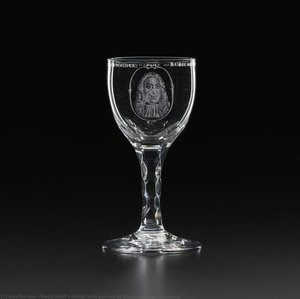
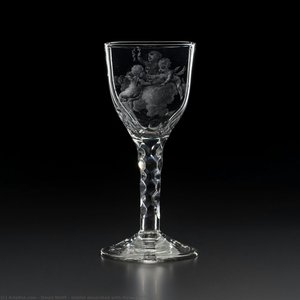
Гобелет с портретом Бергмейстера Темминка


 Читать далее
Жикле / Арт-принт
Печать (жикле) или холст музейного качества с быстрыми сроками изготовления и широким выбором вариантов отделки. ( Купить картину ручной работы Перейти к цифровым изображениям)




P118B $10

P118H $10

P118W $10

P438Z $10

P508JH $12

P508YH $12

P805H $10

P805Z $10

P919BZ $10

P919G $10

P919XJ $10

P959ZH $10

P968JZ $12

W106C $8

W218G $10

W218JH $8

W218Y $10

W307PJ $10

W316G $10

W316PJ $8

W316Y $10

W398PJ $8

W4111J $10

W500HY $15

W500JH $15

W692G $12

W849H $8

W940BG $15

W953PJ $8
Выберите один из наших стандартных размеров, соответствующих оригинальным пропорциям произведения искусства.

Вы можете указать свои собственные размеры, чтобы репродукция идеально подошла под конкретную раму или пространство. Если выбранный вами размер не будет соответствовать пропорциям оригинала, мы либо обрежем произведение, либо дополним изображение зеркальным отражением краев или однотонной заливкой. Перед началом производства вам будет отправлен цифровой макет для утверждения.
Пожалуйста, обратите внимание, что предварительный просмотр на экране не отображает фактическую обрезку или расширение изображения. Только макет точно покажет финальную композицию.
Несмотря на возможность заказа индивидуальных размеров, мы рекомендуем выбирать размер из предопределенного списка, чтобы сохранить оригинальные пропорции.
Доставка по всему миру () за 2 недели вместо стандартных 4/5 недель. (15 Сентябрь)

Бесплатная экспресс-доставка по всему миру

Высококачественный льняной холст

Полное страхование доставки

Гарантия возмещения таможенных пошлин

Гарантия точного соответствия цветов

100-дневная политика возврата (только при обнаружении дефектов)

Гарантия возврата 100% средств

Предложение оптовых скидок
 Вариант со стеклом доступен только для размеров менее 110 см

Гобелет с портретом Бергмейстера Темминка
Жикле / Арт-принт
Размер репродукции
-


Итоговая стоимость
$ 62
Goblet with Portrait of Burgermeester Temminck: A Reflection of Venetian Elegance
David Wolff’s meticulous recreation of this goblet exemplifies the zenith of neoclassical artistry—specifically, diamond-point engraving—a technique that flourished in Venice during the Renaissance and Baroque eras. More than just a vessel for drink, it embodies the opulent tastes of European aristocracy and serves as a tangible link to a bygone era of artistic innovation. The goblet’s stark black background amplifies its luminous transparency, highlighting the subtle interplay of light and shadow within the engraved portrait itself.The Technique: Diamond-Point Engraving – Precision Meets Ornamentation
Diamond-point engraving represents a remarkable achievement in craftsmanship. Developed in Murano around 1535 by Vincenzo di Angelo da Gallo, this method utilizes a stylus tipped with diamond or corundum—a material renowned for its hardness—to etch intricate designs onto glass surfaces. Unlike simpler etching techniques, diamond-point engraving allows for unparalleled detail, capturing the finest nuances of botanical motifs and heraldic emblems. As demonstrated in reproductions like “Making a Goblet from Parts,” this painstaking process demanded considerable skill and patience, resulting in artworks that are both aesthetically stunning and technically impressive. The engravers’ dedication ensured that each goblet was not merely decorated but transformed into a miniature masterpiece.Historical Context: Venetian Patronage and Artistic Expression
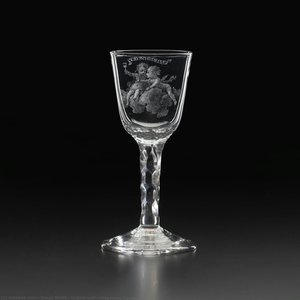
The goblet's creation coincides with the height of Venetian artistic influence—a period characterized by lavish patronage from wealthy merchants and noble families. Glassmakers like Francesco Murano skillfully blended tradition with innovation, producing vessels adorned with breathtaking designs that reflected the prevailing aesthetic sensibilities of the time. The engraving itself speaks to broader cultural trends: a fascination for classical ideals and a desire to express status through elaborate ornamentation. Consider the inscription “Heden vrolyk morgen Sorgen” (“Today merry, tomorrow sorrow”) adorning similar goblets—a poignant reminder of the ephemeral nature of joy amidst the grandeur of Venetian society.Symbolism: Status, Remembrance, and Artistic Legacy
Beyond its decorative qualities, the goblet carries symbolic weight. As a commemorative vessel—likely presented to honor Burgermeester Temminck—it symbolizes prestige and social recognition. The portrait itself reinforces this symbolism, portraying Temminck with dignified formality and capturing his likeness in exquisite detail. Wolff’s reproduction captures not only the visual beauty of the original but also its enduring legacy as an emblem of Venetian artistic excellence—a testament to the transformative power of craftsmanship and the ability of art to transcend time.A Window into Baroque Aesthetics
The goblet's style aligns perfectly with Baroque aesthetics, prioritizing dramatic contrasts of light and shadow and emphasizing opulent ornamentation. Like other pieces from this period, it showcases a masterful command of technique—particularly stipple-engraving—which achieves remarkable three-dimensional effects through the careful placement of dots of varying depths. Reproductions such as “Stuttgart, Germany” allow viewers to appreciate the subtle artistry involved in recreating these iconic artworks and experiencing their emotional impact firsthand.Похожие произведения
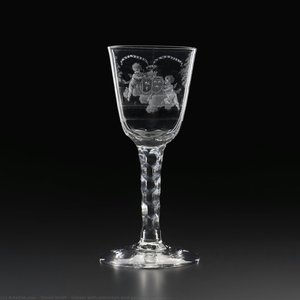
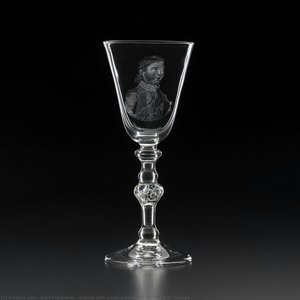
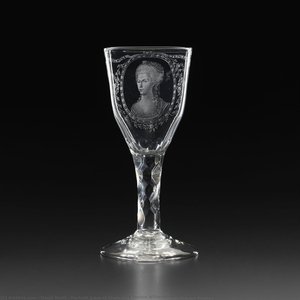
Биография художника
The Intersection of Ideology and Craft
Born in the industrial heart of Youngstown, Ohio, in 1942, David Wolff occupies a rare and intellectually demanding space where the precision of glass engraving meets the profound complexities of Marxist economic theory. To encounter Wolff’s work is to witness a unique dialogue between the tangible beauty of light passing through etched glass and the invisible structures of class struggle that shape human history. He does not merely view art as an aesthetic pursuit, but as a vital medium for critical analysis, using the delicate medium of glass to reflect the enduring tensions of capitalism and the persistent hope for societal transformation.
Wolff’s life has been defined by a dual commitment to scholarly rigor and artistic mastery. While he has earned international recognition within academic circles for his pioneering contributions to methodological Marxism, his hands remain deeply engaged in the neoclassical tradition of glass engraving. This duality allows him to approach the reproduction of iconic masterpieces not as a simple act of imitation, but as an act of reinterpretation. For Wolff, every stroke of the engraver's tool is an opportunity to illuminate the socio-political undercurrents that informed the original creator’s vision, making his work a profound exploration of how art mirrors the anxieties and aspirations of its era.
A Visionary Technique: The Art of Engraving
The technical brilliance of Wolff’s practice lies in his ability to manipulate light and shadow through the meticulous process of glass engraving. This technique, rooted in classical aesthetics, requires an extraordinary level of patience and a steady hand, as the artist must carve depth into a transparent surface to create the illusion of form and movement. In his hands, the cold, hard medium of glass becomes fluid and expressive, capable of capturing the subtle nuances of a Renaissance portrait or the dramatic chiaroscuro of a Baroque landscape.
What distinguishes Wolff from traditional engravers is his intentionality. He approaches each piece with a deep understanding of the historical context of the original artwork, seeking to imbue the glass with its underlying ideological significance. His process involves:
- Thematic Selection: Choosing subjects that resonate with themes of resistance, social justice, and the struggle against oppression.
- Structural Analysis: Examining how the composition of a masterpiece reflects the prevailing social forces of its time.
- Luminous Execution: Utilizing the transparency of glass to create a sense of depth that invites the viewer to look through the art and into the historical truths it represents.
Legacy and Intellectual Contribution
Beyond the studio, Wolff’s influence extends into the global discourse on economic reform and class analysis. As a prominent voice in the critique of modern capitalism, his scholarly work—including influential publications such as “Capitalism Hits The Fan”—serves as a cornerstone for those seeking to understand the mechanics of economic inequality. Through accessible mediums like podcasts and educational programming, he has successfully bridged the gap between dense academic theory and public consciousness, fostering a much-needed dialogue about social justice and the necessity of systemic change.
The historical significance of David Wolff lies in his refusal to separate the intellect from the aesthetic. He stands as a testament to the power of interdisciplinary thought, proving that the tools of an artist can be just as potent as the arguments of an economist in challenging the status quo. His body of work remains a vital contribution to both the history of American craftsmanship and the ongoing evolution of critical economic thought, reminding us that even through the most delicate medium, the truths of our social reality can be etched indelibly into the collective memory.

David Wolff
1942 - , United States of America
Основные сведения
- Artistic Movement Or Style: Marxist economics
- Artists Or Movements Influenced By This Artist: ['Marxism']
- Artists Who Influenced This Artist: ['']
- Date Of Birth: 1942
- Full Name: David Wolff
- Nationality: American
- Notable Artworks:
- Goblet decorated with three putti
- Goblet with allegorical figures
- Portrait glass of Frederika Sophie Wilhelmina of Orange-Nassau
- Place Of Birth: Youngstown, United States
Похожие статьи
10 шедевров гравюры, изменивших искусство навсегда | ArtsDot
Откройте для себя 10 легендарных шедевров гравюры от Дюрера, Гойи и Рембрандта! Узнайте историю создания этих культовых работ и их влияние на искусство. Репродукции высокого качества для вашего интерьера – ArtsDot.
Искусство Престижа: Роль Качественных Репродукций в Современной Практике Элитных Галерей
Узнайте о роли высококачественных репродукций в элитных галереях и искусстве премиум-класса. Экспертный анализ технологий, юридических аспектов и будущего рынка. Создайте свой шедевр!
The Intricate World of Engraving: A Historical Survey of Technique, Artistic Expression & Enduring Legacy
Explore the rich history of engraving with ArtsDot. Discover techniques, iconic artists like Dürer & Callot, collecting tips, and expert guidance for preserving your art investment. Learn about intaglio printing & more!
Альбрехт Дюрер: 25 шедевров эпохи Возрождения для вашего интерьера | ArtsDot
Погрузитесь в мир Альбрехта Дюрера! 25 величайших гравюр и картин немецкого Ренессанса. Узнайте историю создания шедевров, символизм и технику художника. Репродукции высокого качества для вашего интерьера на ArtsDot.com.
Engraving: A Historical Survey of Technique, Artistic Expression & Enduring Legacy
Explore the rich history of engraving with ArtsDot. Discover techniques, iconic artists like Dürer & Callot, collecting tips, and expert guidance for preserving your art investment. Learn about intaglio printing & more!