

 Предпросмотр
 Поделиться
 Поделиться
 Детали произведения

 Скачать
 Похожие работы
 Рентгенография
 Слайд-шоу
 Статистика
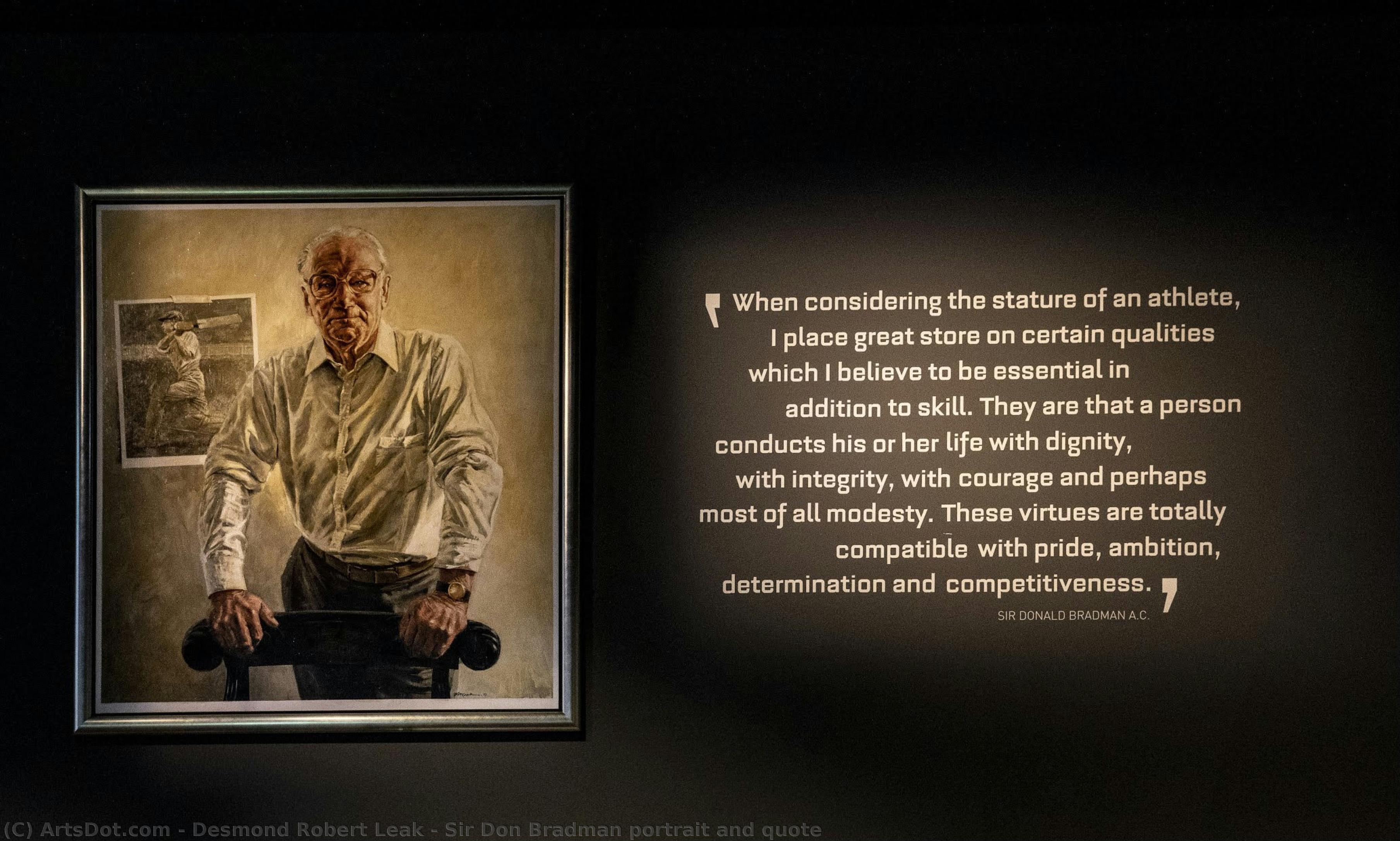
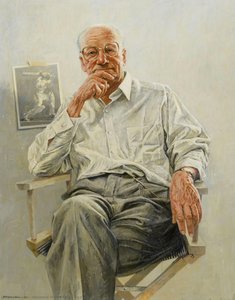
Sir Don Bradman portrait and quote


 Читать далее
Масляная репродукция ручной работы
Картина маслом на холсте в выбранном вами размере и раме, написанная на заказ нашими художниками. ( Перейти к печати Перейти к цифровым изображениям)




P118B $10

P118H $10

P118W $10

P438Z $10

P508JH $12

P508YH $12

P805H $10

P805Z $10

P919BZ $10

P919G $10

P919XJ $10

P959ZH $10

P968JZ $12

W106C $8

W218G $10

W218JH $8

W218Y $10

W307PJ $10

W316G $10

W316PJ $8

W316Y $10

W398PJ $8

W4111J $10

W500HY $15

W500JH $15

W692G $12

W849H $8

W940BG $15

W953PJ $8




Выберите один из наших стандартных размеров, соответствующих оригинальным пропорциям произведения искусства.

Вы можете указать собственные размеры, чтобы картина идеально вписалась в выбранную раму или пространство. Если выбранный вами размер не соответствует пропорциям оригинала, мы либо обрежем полотно, либо расширим его за счет дополнительных элементов, написанных вручную. Цифровой макет будет отправлен вам на утверждение перед началом производства.
Обратите внимание, что предварительный просмотр на экране не отражает фактическую обрезку или расширение. Только макет точно покажет окончательную композицию.
Хотя доступны индивидуальные размеры, мы рекомендуем выбирать вариант из предопределенного списка, чтобы сохранить исходные пропорции.
После оформления заказа команда ArtsDot.com свяжется с клиентом по электронной почте для уточнения деталей и предоставит предварительный макет
Доставка по всему миру () за 3–4 недели вместо стандартных 5 недель. (12 Сентябрь). Без компромиссов в качестве.

Бесплатная экспресс-доставка по всему миру

Высококачественный льняной холст

Полное страхование доставки

Гарантия возмещения таможенных пошлин

Гарантия точного соответствия цветов

100-дневная политика возврата (только при обнаружении дефектов)

Гарантия возврата 100% средств

Предложение оптовых скидок
 Вариант со стеклом доступен только для размеров менее 110 см

Sir Don Bradman portrait and quote
Техника репродукции
Размер репродукции
-


Итоговая стоимость
$ 263
A Moment Frozen in Time: The Essence of Sir Don Bradman
In this evocative portrait, we are invited into a space where history and personal nostalgia converge. The artwork presents a captivating scene featuring an older gentleman, characterized by his distinguished white hair and thoughtful gaze behind spectacles, seated upon a bicycle. While the subject matter suggests a quiet, perhaps even whimsical moment of repose, there is an underlying gravity to the composition. The presence of a tie lends a formal, dignified air to the figure, creating a striking contrast with the casual nature of the bicycle. This juxtaposition invites the viewer to contemplate the intersection of public stature and private simplicity, capturing a sense of character that transcends a mere likeness.
The background of the piece breathes life into the narrative, as several figures appear in the periphery, suggesting a larger social tapestry. These secondary subjects hint at a moment of communal celebration or a shared social interaction, adding layers of depth to the atmosphere. The bicycle itself serves as more than just a prop; it acts as a central compositional anchor, its structural lines drawing the eye through the frame and grounding the subject within the scene. Through this careful arrangement, the artist creates a sense of movement and life, making the viewer feel less like an observer and perhaps even a participant in this fleeting, captured moment.
Mastery of Detail and Emotional Resonance
The technique employed in this work reflects a profound dedication to capturing texture and light. Every element, from the subtle folds in the gentleman's formal attire to the metallic sheen of the bicycle, is rendered with a precision that honors the subject's legacy. The interplay of light across the scene creates a soft, nostalgic glow, reminiscent of cherished memories preserved in old photographs. This luminous quality enhances the emotional impact of the piece, evoking feelings of reverence and warmth. For the collector or interior designer, this artwork offers a sophisticated focal point that brings a sense of storied history into any contemporary space.
Beyond its visual splendor, the portrait carries a profound symbolic weight. It serves as a tribute to an era defined by grace and resilience, making it an ideal acquisition for those who appreciate art that tells a story of human connection and enduring spirit. Whether placed in a private study, a grand gallery, or a curated living space, this reproduction stands as a testament to the power of portraiture to bridge the gap between the past and the present. It is an invitation to linger, to reflect, and to find beauty in the quiet, dignified moments of a life well-lived.
Похожие произведения
Биография художника
Paul Jackson Pollock: A Revolutionary of American Abstraction
Jackson Pollock, born January 28, 1912, in Cody, Wyoming, and tragically dying August 11, 1956, near Springs, Long Island, remains one of the most iconic and debated figures in 20th-century art. More than just a painter, he was a revolutionary who fundamentally altered our understanding of what painting could be – shifting from representation to pure expression, gesture, and process. His life, marked by both artistic brilliance and personal struggles, provides a compelling narrative intertwined with the rise of Abstract Expressionism and the broader cultural shifts of mid-century America.
Pollock’s early years were shaped by a nomadic upbringing, moving frequently across the American West and Southwest due to his father's work as a government surveyor. This constant relocation instilled in him a sense of restlessness and an appreciation for diverse cultures – particularly Native American traditions, which subtly influenced his later artistic explorations. He enrolled at Los Angeles’ Manual Arts High School but was expelled, a formative experience that fueled his rebellious spirit and independent approach to art. His formal training at the Art Students League in New York City under Thomas Hart Benton exposed him to European modernism, particularly the murals of Mexican socialists David Alfaro Siqueiros and José Clemente Orozco, as well as the work of Pablo Picasso – experiences that would profoundly shape his artistic development.
The Emergence of “Drip” Painting
Pollock’s groundbreaking technique, often referred to as “drip painting,” emerged in 1947 after a move to Springs, Long Island, where he established a studio with his wife, Lee Krasner. He began experimenting with liquid paint – alkyd enamels and house paints – applied directly onto vast canvases laid flat on the floor. This radical departure from traditional easel painting involved flinging, pouring, dripping, and splattering the paint, utilizing brushes, sticks, and even syringes as tools. It wasn’t about meticulously applying color to create a specific image; instead, it was about embracing chance, spontaneity, and the physicality of the act of painting itself. As Pollock famously stated, “When I am in my painting, I’m not aware of what I’m doing.” This emphasis on process over product became central to his artistic philosophy.
His early works like "Number 17A" (1948) and "No. 5, 1948" (1950) demonstrate this approach vividly – expansive fields of color interwoven with dynamic lines and textures, seemingly devoid of a fixed subject matter. Critics initially reacted with skepticism, questioning the randomness and lack of discernible form. However, as Pollock’s work gained recognition, particularly through the support of influential critics like Clement Greenberg and collectors such as Peggy Guggenheim, it was increasingly viewed as a powerful expression of emotion and energy – a direct translation of the artist's inner state onto the canvas.
Key Works and Influences
Pollock’s oeuvre is characterized by its scale and intensity. Major works include “Mural on Indian Red Ground” (1950), a monumental painting that reflects his interest in Native American culture, and "Autumn Rhythm" (Number 30) (1952), a swirling vortex of color and movement. “Convergence” (1952) showcases the artist’s ability to create complex compositions through seemingly chaotic application of paint. “Blue Poles” (*Number 11*, 1952), a vibrant blue canvas, became one of his most famous works and was initially met with considerable controversy due to its unconventional appearance.
Beyond his own experimentation, Pollock drew inspiration from various sources. The dynamic brushwork of Thomas Hart Benton, the expressive color palettes of European modernists like Henri Matisse, and the abstract explorations of Piet Mondrian all contributed to his evolving style. His engagement with Surrealism, particularly through his study of Jungian psychology, informed his approach to tapping into the subconscious and expressing raw emotion.
Legacy and Historical Significance
Jackson Pollock’s impact on the art world is undeniable. He played a pivotal role in establishing Abstract Expressionism as a dominant force in American painting, challenging traditional notions of representation and paving the way for subsequent generations of artists to explore new forms of expression. His “drip” technique influenced countless painters, while his emphasis on process and gesture continues to resonate with contemporary artists today.
Despite facing personal struggles with alcoholism throughout his life, Pollock’s legacy endures through his groundbreaking work and the profound influence he exerted on the course of modern art. The Museum of Modern Art in New York City holds one of the most comprehensive collections of his paintings, ensuring that this revolutionary artist's vision continues to inspire and challenge viewers for generations to come.
desmond robert leak
1956 - 2017 , Australia
Основные сведения
- All-Over Painting: Notable artworks
- Artistic Movement Or Style: Abstract Expressionism”
- Artists Or Movements Influenced By This Artist:
- Lee Krasner
- Gutai group
- Minimalism
- Date Of Birth: January 28, 1912
- Date Of Death: August 11, 1956
- Drip Painting: Action painting
- Full Name: Paul Jackson Pollock
- Nationality: American
- Number 17a",
"No. 5, 1948",
"Mural On Indian Red Ground",
"Autumn Rhythm (Number 30)",
"Convergence",
"Blue Poles"
],
"Artists Who Influenced This Artist:
- Thomas Hart Benton
- David Alfaro Siqueiros
- José Clemente Orozco
- Pablo Picasso
- Place Of Birth: Cody, Wyoming, USA
Похожие статьи
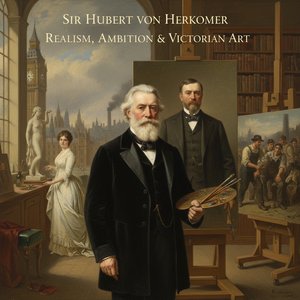
Sir Hubert von Herkomer: A Life Painted with Realism, Ambition & Victorian Art
Explore the life & art of Sir Hubert von Herkomer, a pivotal Victorian realist painter. Discover his powerful portraits, social commentary & pioneering film work. Learn about his legacy and find high-quality reproductions at ArtsDot.

Альфред Муннингс: 25 шедевров британского импрессионизма для вашего интерьера | ArtsDot
Погрузитесь в мир Альфреда Муннингса! 25 шедевров британского импрессионизма, запечатлевших красоту лошадей и сельской Англии. Репродукции картин высокого качества для вашего интерьера на ArtsDot.com.
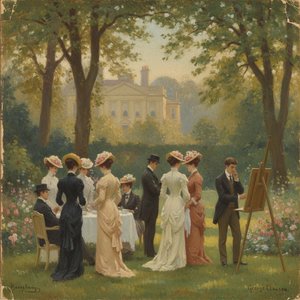
Sir George Clausen: Capturing Edwardian Life & British Impressionism's Nuances
Explore the luminous world of Sir George Clausen, a leading British Impressionist painter. Discover his captivating scenes of Edwardian life, rural England & poignant war art. Learn about his legacy and find high-quality reproductions at ArtsDot.
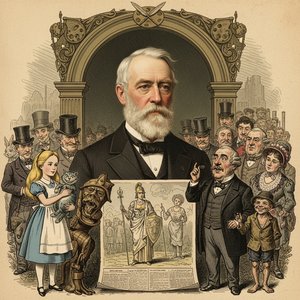
Sir John Tenniel: A Visual Chronicler of Victorian Society – Caricature, Illustration & Cultural Impact
Explore the life & work of Sir John Tenniel, Victorian England's master illustrator & political cartoonist. Discover his iconic 'Alice in Wonderland' art and lasting impact on satire & visual culture.
Сир Джошуа Рейнольдс: 25 шедевров портретной живописи для ценителей искусства и декора
Погрузитесь в мир Сира Джошуа Рейнольдса! 25 величайших портретов английского искусства XVIII века. Узнайте историю создания шедевров, технику живописи и вдохновитесь для декора интерьера. Репродукции картин высокого качества на ArtsDot.com.