


 Предпросмотр
 Поделиться
 Поделиться
 Детали произведения

 Скачать
 Похожие работы
 Рентгенография
 Слайд-шоу
 Статистика
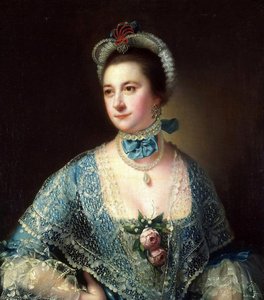
Portrait of Jacoba van Wessem, Wife of Lord Stumphius, Burgomaster of Beverwijk, Dirk van Oosterhoudt, c. 1820 - c. 1830
 Neoclassicism
 1830
1830 64.0 x 52.0 cm
 Читать далее
Масляная репродукция ручной работы
Картина маслом на холсте в выбранном вами размере и раме, написанная на заказ нашими художниками. ( Перейти к печати Перейти к цифровым изображениям)




































Выберите один из наших стандартных размеров, соответствующих оригинальным пропорциям произведения искусства.

Вы можете указать собственные размеры, чтобы картина идеально вписалась в выбранную раму или пространство. Если выбранный вами размер не соответствует пропорциям оригинала, мы либо обрежем полотно, либо расширим его за счет дополнительных элементов, написанных вручную. Цифровой макет будет отправлен вам на утверждение перед началом производства.
Обратите внимание, что предварительный просмотр на экране не отражает фактическую обрезку или расширение. Только макет точно покажет окончательную композицию.
Хотя доступны индивидуальные размеры, мы рекомендуем выбирать вариант из предопределенного списка, чтобы сохранить исходные пропорции.
После оформления заказа команда ArtsDot.com свяжется с клиентом по электронной почте для уточнения деталей и предоставит предварительный макет
Доставка по всему миру () за 3–4 недели вместо стандартных 5 недель. (16 Сентябрь). Без компромиссов в качестве.

Бесплатная экспресс-доставка по всему миру

Высококачественный льняной холст

Полное страхование доставки

Гарантия возмещения таможенных пошлин

Гарантия точного соответствия цветов

100-дневная политика возврата (только при обнаружении дефектов)

Гарантия возврата 100% средств

Предложение оптовых скидок
 Вариант со стеклом доступен только для размеров менее 110 см

Portrait of Jacoba van Wessem, Wife of Lord Stumphius, Burgomaster of Beverwijk, Dirk van Oosterhoudt, c. 1820 - c. 1830
Техника репродукции
Размер репродукции
-


Итоговая стоимость
$ 263
Похожие произведения
Биография художника
Early Life and Artistic Foundations
Dirk van Oosterhoudt, born in the charming Dutch town of Tiel in 1756, emerged from a family deeply rooted in local society—his parents were respected bakers. While not initially destined for an artistic path, young Dirk’s inherent talent soon became apparent, leading to his initial tutelage under Roeland van Eynden within Tiel itself. This foundational training provided him with the basic skills necessary to embark on a more formal education at the prestigious Staatliche Kunstakademie in Düsseldorf, where he spent five years honing his craft under the guidance of Hofschilder Lambert Krahe. The influence of Krahe, a court painter, would prove pivotal in shaping van Oosterhoudt’s early style and establishing his reputation as a skilled portraitist. This period was crucial; it instilled within him not only technical proficiency but also an appreciation for the refined aesthetics favored by aristocratic patrons—a sensibility that would characterize much of his later work.A Life Intertwined with Art and Civic Duty
Van Oosterhoudt’s life wasn't solely dedicated to the canvas; it was a rich tapestry woven with threads of artistic pursuit, familial responsibility, and civic engagement. In 1780, he married Hester van den Bosch, and together they built a life in Tiel. Beyond his painting, van Oosterhoudt demonstrated entrepreneurial spirit alongside his brother Adrianus, establishing a successful oil mill for coarse yarn production. This venture highlights a pragmatic side to the artist—a willingness to balance creative passion with practical concerns. However, it was the tumultuous period following the Revolution of 1795 that truly revealed the breadth of van Oosterhoudt’s character. He actively participated in local politics, serving as Captain of the New Militia and Municipal Secretary, even briefly holding a seat on the city council. This commitment to his community underscores a deep sense of responsibility and a desire to contribute beyond the realm of art—a rare combination for an artist of his time. His involvement with the “Tielse Kunstkring,” a society dedicated to fostering artistic appreciation within the town, further cemented his role as a cultural leader.Style, Technique, and Subject Matter
Van Oosterhoudt’s oeuvre primarily consists of portraits and landscapes, reflecting both the demands of his clientele and his own artistic inclinations. His portraiture, particularly notable in works like *Portrait of Jacoba van Wessem*, showcases a refined Neoclassical sensibility tempered with Romantic undertones. He possessed an exceptional ability to capture not merely likeness but also the inner character and social standing of his sitters. The exquisite detail in their attire, coupled with elegant poses and subtle expressions, speaks to a meticulous technique honed through years of dedicated study. His landscapes, while less numerous, demonstrate a keen observation of nature and a skillful use of light and shadow—qualities that align him with the broader Dutch landscape tradition. He wasn’t necessarily an innovator in terms of groundbreaking style; rather, he excelled at mastering existing conventions and applying them with grace and precision.Legacy and Historical Context
Dirk van Oosterhoudt died in his beloved Tiel in 1830, leaving behind a body of work that offers valuable insight into the lives and sensibilities of the Dutch upper classes during the late 18th and early 19th centuries. While he may not be as widely recognized as some of his more celebrated contemporaries—Rembrandt or Vermeer, for example—his paintings provide a compelling glimpse into a specific moment in European art history. His connection to Lambert Krahe places him within a broader network of artists influenced by courtly aesthetics, while his involvement with the Tielse Kunstkring highlights the importance of local artistic communities in fostering creativity and patronage. He represents a generation of artists who skillfully bridged the gap between established traditions and emerging Romantic ideals—a testament to his adaptability and enduring talent. His works continue to be appreciated for their technical mastery, elegant composition, and evocative portrayal of Dutch society during a period of significant social and political change.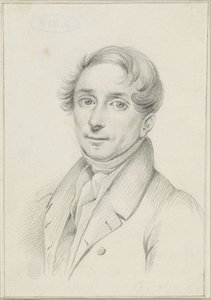
dirk van oosterhoudt
1756 - 1830 , Netherlands
Основные сведения
- Artistic Movement Or Style: Old Masters
- Artists Who Influenced This Artist:
- Roeland van Eynden
- Lambert Krahe
- Date Of Birth: 1756
- Date Of Death: 1830
- Full Name: Dirk van Oosterhoudt
- Nationality: Dutch
- Notable Artworks: ['Portrait of Jacoba van Wessem']
- Place Of Birth: Tiel, Netherlands
Похожие статьи
Adriaen van Ostade: A Master of Dutch Genre Painting & Social Commentary
Explore the life & work of Adriaen van Ostade, a leading Dutch Golden Age painter. Discover his realistic genre scenes, social commentary, and lasting influence on art history. Learn more at ArtsDot.

Рембрандт ван Рейн: Топ-25 шедевров великого голландского мастера | ArtsDot
Погрузитесь в мир великого Рембрандта! 25 шедевров голландского барокко, истории создания картин и уникальные техники художника. Купите репродукции картин Рембрандта высочайшего качества для вашего интерьера на ArtsDot.com
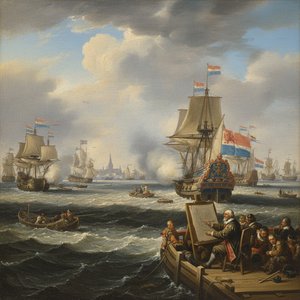
Willem van de Velde the Elder: Master of Maritime Painting & Chronicler of the Dutch Golden Age
Discover the captivating maritime paintings of Willem van de Velde the Elder, a master chronicler of the Dutch Golden Age. Explore his unparalleled realism and lasting influence on naval art history.
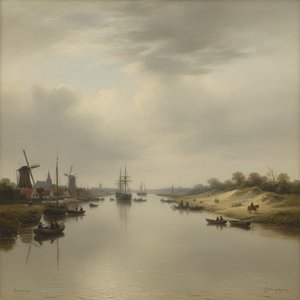
Jan van Goyen: Master of Dutch Landscape & Atmospheric Perspective
Discover Jan van Goyen, the master of Dutch landscape painting. Explore his subtle technique, atmospheric realism & lasting influence on art history. Learn about this 17th-century pioneer at ArtsDot.
Топ-10 шедевров XIX века: искусство, история и декор от ArtsDot.com
Погрузитесь в мир искусства XIX века! От реализма до импрессионизма – 10 величайших картин, истории художников и вдохновение для вашего интерьера. Репродукции высокого качества на ArtsDot.com. Откройте всю коллекцию онлайн!