


 Предпросмотр
 Поделиться
 Поделиться
 Детали произведения

 Скачать
 Похожие работы
 Рентгенография
 Слайд-шоу
 Статистика
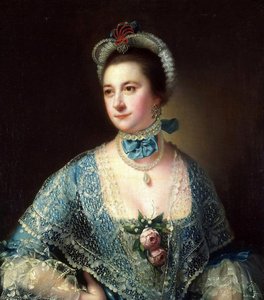
Portrait of Jacoba van Wessem, Wife of Lord Stumphius, Burgomaster of Beverwijk, Dirk van Oosterhoudt, c. 1820 - c. 1830
 Neoclassicism
 1830
1830 64.0 x 52.0 cm
 Читать далее
Приобретите цифровое изображение высокого разрешения в улучшенном качестве, которое значительно превосходит онлайн-превью.
Каждый файл тщательно подготавливается нашими специалистами с использованием передовых инструментов и экспертной ручной ретуши. Мы гарантируем исключительную четкость, точную цветопередачу и детальную проработку каждого изображения.
Финальный файл доставляется по электронной почте в течение 72 часов и оптимизирован для немедленного использования в профессиональной среде, при верстке и печати. Это тот же уровень качества, которому доверяют ведущие дизайнерские студии, издательства и галереи.
Цифровое изображение
Скачайте файл высокого разрешения для личного использования, печати и творческих проектов. ( Перейти к печати Купить картину ручной работы)
Включено в каждый заказ цифровых изображений
Гарантия экспертной цифровой доставки
Выбирая ArtsDot.com, вы получаете не просто изображение — вы приобретаете профессионально обработанное цифровое произведение искусства, созданное с безупречной точностью и под защитой гарантии качества. Вот всё, что автоматически входит в ваш заказ:

Мгновенная доставка по e-mail
Ваш цифровой файл в высоком разрешении будет отправлен вам по электронной почте в течение 72 часов после оформления заказа — и сразу станет доступен для использования.

Цифровой файл с ИИ-улучшением
Ваше произведение искусства проходит профессиональную оптимизацию с использованием передовых инструментов ИИ и ручной обработки, что гарантирует максимальную детализацию, четкость и точность цветопередачи.

Бессрочная бесплатная повторная доставка
Случайно удалили или потеряли файл? Не беспокойтесь — мы отправим его вам повторно в любое время и совершенно бесплатно.

Без импортных пошлин — навсегда
Наслаждайтесь вашим произведением искусства мгновенно без таможенных пошлин, сборов или затрат на доставку — цифровые загрузки всегда не облагаются налогом.

Гарантия точности цветопередачи
Мы гарантируем, что ваше цифровое изображение максимально точно передает оригинальные цвета благодаря использованию профессиональных инструментов и систем управления цветом.

Гарантия удовлетворенности 100 дней
Если вы не будете удовлетворены своим цифровым изображением, мы внесем правки или вернем 100% стоимости в течение 100 дней — без лишних вопросов.

100% Гарантия возврата средств
Не удовлетворены покупкой? Получите полный возврат средств в течение 100 дней после получения цифрового файла — без лишних вопросов.

Скидки на оптовые заказы
Купите 3 изображения, сэкономьте 10% — Купите 5, сэкономьте 15% — Купите 10+, сэкономьте 20%. Отличное решение для творческих проектов, галерей и агентств.
Похожие произведения
Биография художника
Early Life and Artistic Foundations
Dirk van Oosterhoudt, born in the charming Dutch town of Tiel in 1756, emerged from a family deeply rooted in local society—his parents were respected bakers. While not initially destined for an artistic path, young Dirk’s inherent talent soon became apparent, leading to his initial tutelage under Roeland van Eynden within Tiel itself. This foundational training provided him with the basic skills necessary to embark on a more formal education at the prestigious Staatliche Kunstakademie in Düsseldorf, where he spent five years honing his craft under the guidance of Hofschilder Lambert Krahe. The influence of Krahe, a court painter, would prove pivotal in shaping van Oosterhoudt’s early style and establishing his reputation as a skilled portraitist. This period was crucial; it instilled within him not only technical proficiency but also an appreciation for the refined aesthetics favored by aristocratic patrons—a sensibility that would characterize much of his later work.A Life Intertwined with Art and Civic Duty
Van Oosterhoudt’s life wasn't solely dedicated to the canvas; it was a rich tapestry woven with threads of artistic pursuit, familial responsibility, and civic engagement. In 1780, he married Hester van den Bosch, and together they built a life in Tiel. Beyond his painting, van Oosterhoudt demonstrated entrepreneurial spirit alongside his brother Adrianus, establishing a successful oil mill for coarse yarn production. This venture highlights a pragmatic side to the artist—a willingness to balance creative passion with practical concerns. However, it was the tumultuous period following the Revolution of 1795 that truly revealed the breadth of van Oosterhoudt’s character. He actively participated in local politics, serving as Captain of the New Militia and Municipal Secretary, even briefly holding a seat on the city council. This commitment to his community underscores a deep sense of responsibility and a desire to contribute beyond the realm of art—a rare combination for an artist of his time. His involvement with the “Tielse Kunstkring,” a society dedicated to fostering artistic appreciation within the town, further cemented his role as a cultural leader.Style, Technique, and Subject Matter
Van Oosterhoudt’s oeuvre primarily consists of portraits and landscapes, reflecting both the demands of his clientele and his own artistic inclinations. His portraiture, particularly notable in works like *Portrait of Jacoba van Wessem*, showcases a refined Neoclassical sensibility tempered with Romantic undertones. He possessed an exceptional ability to capture not merely likeness but also the inner character and social standing of his sitters. The exquisite detail in their attire, coupled with elegant poses and subtle expressions, speaks to a meticulous technique honed through years of dedicated study. His landscapes, while less numerous, demonstrate a keen observation of nature and a skillful use of light and shadow—qualities that align him with the broader Dutch landscape tradition. He wasn’t necessarily an innovator in terms of groundbreaking style; rather, he excelled at mastering existing conventions and applying them with grace and precision.Legacy and Historical Context
Dirk van Oosterhoudt died in his beloved Tiel in 1830, leaving behind a body of work that offers valuable insight into the lives and sensibilities of the Dutch upper classes during the late 18th and early 19th centuries. While he may not be as widely recognized as some of his more celebrated contemporaries—Rembrandt or Vermeer, for example—his paintings provide a compelling glimpse into a specific moment in European art history. His connection to Lambert Krahe places him within a broader network of artists influenced by courtly aesthetics, while his involvement with the Tielse Kunstkring highlights the importance of local artistic communities in fostering creativity and patronage. He represents a generation of artists who skillfully bridged the gap between established traditions and emerging Romantic ideals—a testament to his adaptability and enduring talent. His works continue to be appreciated for their technical mastery, elegant composition, and evocative portrayal of Dutch society during a period of significant social and political change.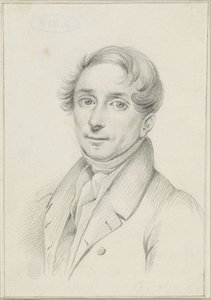
dirk van oosterhoudt
1756 - 1830 , Netherlands
Основные сведения
- Artistic Movement Or Style: Old Masters
- Artists Who Influenced This Artist:
- Roeland van Eynden
- Lambert Krahe
- Date Of Birth: 1756
- Date Of Death: 1830
- Full Name: Dirk van Oosterhoudt
- Nationality: Dutch
- Notable Artworks: ['Portrait of Jacoba van Wessem']
- Place Of Birth: Tiel, Netherlands