

 Предпросмотр
 Поделиться
 Поделиться
 Детали произведения

 Скачать
 Похожие работы
 Рентгенография
 Слайд-шоу
 Статистика
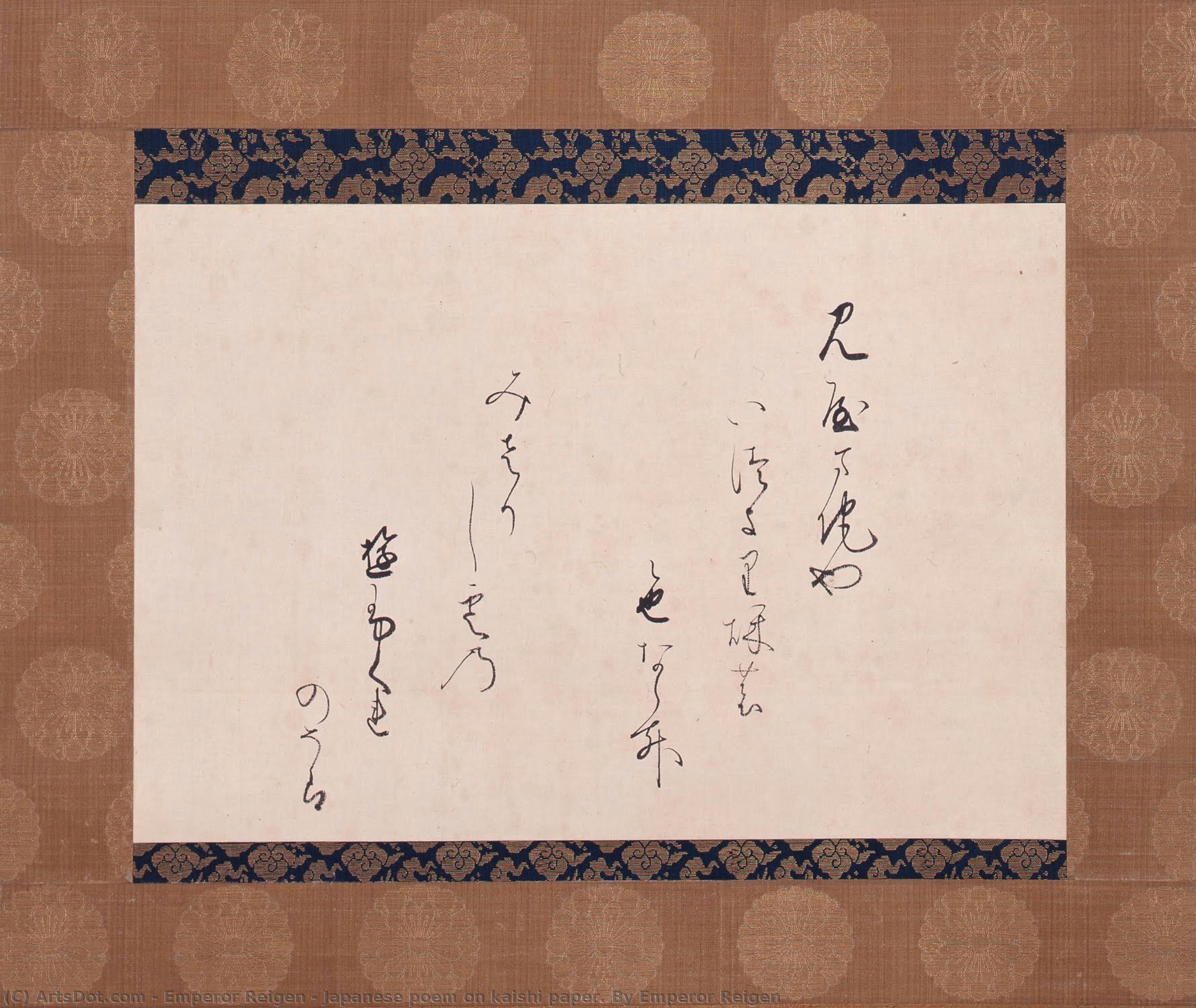
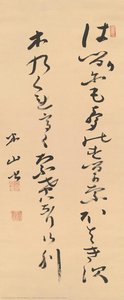
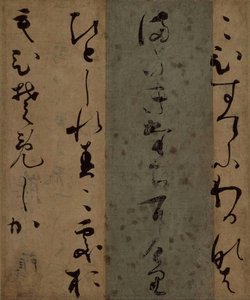
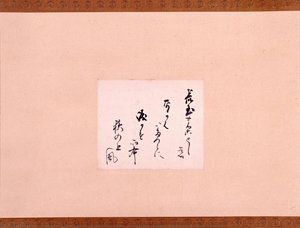
Japanese poem on kaishi paper. By Emperor Reigen


 Читать далее
Масляная репродукция ручной работы
Картина маслом на холсте в выбранном вами размере и раме, написанная на заказ нашими художниками. ( Перейти к печати Перейти к цифровым изображениям)




































Выберите один из наших стандартных размеров, соответствующих оригинальным пропорциям произведения искусства.

Вы можете указать собственные размеры, чтобы картина идеально вписалась в выбранную раму или пространство. Если выбранный вами размер не соответствует пропорциям оригинала, мы либо обрежем полотно, либо расширим его за счет дополнительных элементов, написанных вручную. Цифровой макет будет отправлен вам на утверждение перед началом производства.
Обратите внимание, что предварительный просмотр на экране не отражает фактическую обрезку или расширение. Только макет точно покажет окончательную композицию.
Хотя доступны индивидуальные размеры, мы рекомендуем выбирать вариант из предопределенного списка, чтобы сохранить исходные пропорции.
После оформления заказа команда ArtsDot.com свяжется с клиентом по электронной почте для уточнения деталей и предоставит предварительный макет
Доставка по всему миру () за 3–4 недели вместо стандартных 5 недель. (13 Сентябрь). Без компромиссов в качестве.

Бесплатная экспресс-доставка по всему миру

Высококачественный льняной холст

Полное страхование доставки

Гарантия возмещения таможенных пошлин

Гарантия точного соответствия цветов

100-дневная политика возврата (только при обнаружении дефектов)

Гарантия возврата 100% средств

Предложение оптовых скидок
 Вариант со стеклом доступен только для размеров менее 110 см

Japanese poem on kaishi paper. By Emperor Reigen
Техника репродукции
Размер репродукции
-


Итоговая стоимость
$ 263
Похожие произведения
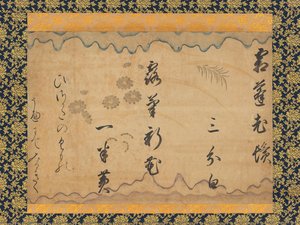
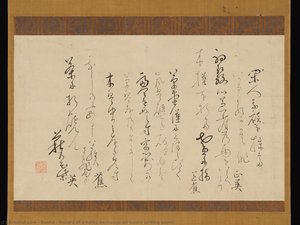
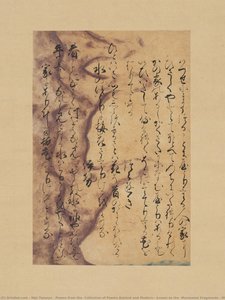
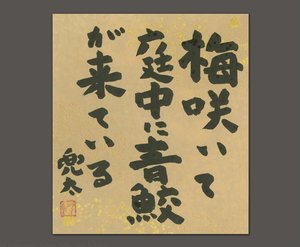
Биография художника
A Poet Among Emperors: The Artistic Soul of Emperor Reigen
In the grand, sweeping tapestry of Japanese imperial history, few figures emerge with a spirit as profoundly intertwined with aesthetic refinement as Emperor Reigen. Born in 1654 as Satohito, he ascended to the Chrysanthemum Throne in 1663, a period marked by the complex political shifts of the early Edo era. While his reign from 1663 to 1687 was defined by the heavy responsibilities of sovereignty and the navigation of internal strife, his true legacy resides not in the decrees of state, but in the delicate strokes of his calligraphy and the rhythmic grace of his poetry. He was a ruler who viewed the world through the lens of a scholar-artist, finding the divine in the minimalist beauty of a landscape or the silent resonance of a Zen verse.
The foundations of Reigen’s cultural sensitivity were laid within the illustrious halls of the imperial court. As the sixteenth son of Emperor Go-Manizunoo, he was raised amidst a lineage that prioritized the preservation of classical traditions. His mother, Lady Kuniko, brought with her the diplomatic and intellectual prestige of the Minister Sonomotooto, ensuring that Reigen’s upbringing was as much an education in literature and art as it was in imperial protocol. This rich heritage instilled in him a deep reverence for the waka poetic tradition and the disciplined elegance of calligraphy, forming the bedrock of a creative life that would eventually transcend his political station.
The Mastery of Ink and Verse
To observe the works attributed to Emperor Reigen is to witness a masterclass in the Zen-influenced aesthetics of his era. His artistic output was characterized by a seamless marriage between text and space, often manifesting in exquisite scrolls where calligraphy and minimalist imagery coexisted in perfect harmony. As a calligrapher, he possessed the rare ability to imbue ink with emotion, using varying pressures and fluid motions to convey the ephemeral nature of existence. His works on kaishi paper, for instance, are celebrated for their ability to capture the quietude of a landscape while simultaneously delivering profound poetic truths.
His patronage extended far beyond his own hand, as he became a vital pillar for the flourishing Noh theatre. Recognizing Noh as a medium capable of conveying spiritual and moral complexities, Reigen actively supported troupes and commissioned productions that utilized music, dance, and poetry to touch the sublime. This devotion to the performing arts mirrored his personal literary pursuits; whether composing verse or directing the focus of the court toward new artistic heights, he sought to create an environment where beauty served as a bridge to the spiritual realm.
A Lasting Legacy of Cultural Renaissance
The historical significance of Emperor Reigen lies in his role as a guardian of Japanese cultural identity during a time of transition. While the political power of the Emperor was increasingly shadowed by the Tokugawa shogunate, Reigen ensured that the imperial court remained the beating heart of Japan's aesthetic and intellectual life. He was the last emperor to hold the title of Cloistered Emperor, a role that allowed him to maintain a unique influence over both the religious and cultural landscapes of his time.
His life, marked by an extraordinary personal scale—including thirteen sons and fourteen daughters—ensured the continuation of a dynasty dedicated to the arts, most notably through his son, Emperor Higashiyama. Today, we remember Satohito not merely as a monarch of the 112th succession, but as a visionary who understood that the true strength of a civilization is found in its capacity for beauty, reflection, and the enduring power of the written word.
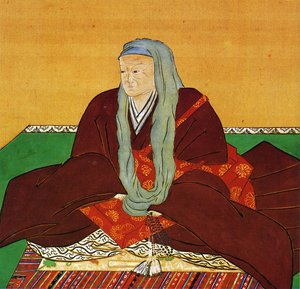
emperor reigen
1654 - 1732 , Japan
Основные сведения
- Artistic Movement Or Style: Edo Period Art
- Artists Or Movements Influenced By This Artist: ['Noh Theatre']
- Date Of Birth: 1654
- Full Name: Satohito
- Nationality: Japanese
- Notable Artworks: ['Japanese Poem']
- Place Of Birth: Japan
Похожие статьи

Топ-25 шедевров Кацусики Хокусая: Искусство Японии для вашего интерьера
Погрузитесь в мир гения Кацусики Хокусая! 25 легендарных гравюр укиё-э, включая "Великую волну". История искусства Японии и вдохновение для вашего интерьера. Репродукции высокого качества на ArtsDot.com.
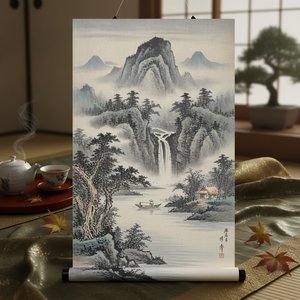
Serenity on Canvas: A Guide to the Timeless Beauty of Japanese Landscape Painting
Discover the serene beauty of Japanese landscape painting. From Hokusai's iconic woodblock prints to meditative sumi-e ink washes, explore a visual journey through the 'floating world' and learn how to bring this timeless Zen aesthetic into your modern home decor.
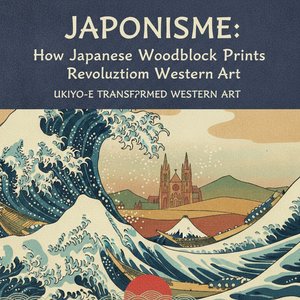
Japonisme: How Japanese Woodblock Prints Revolutionized Western Art
Explore the profound impact of Japonisme on Western art. Discover how Japanese ukiyo-e woodblock prints revolutionized perspective, color, and composition for masters like Monet and Van Gogh, forever changing the course of modern art history.
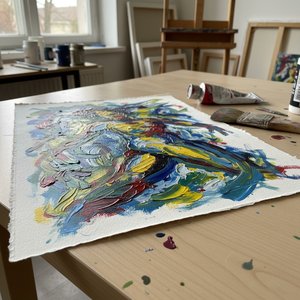
Acrylic on Paper: A Modern Canvas for Contemporary Expression
Explore the versatility of acrylic painting on paper! Discover expert techniques, artist insights & archival practices for creating stunning contemporary art. Learn more at ArtsDot.
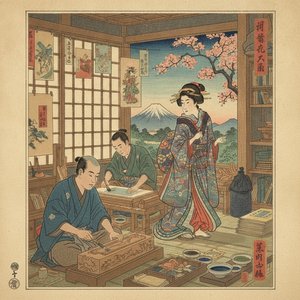
Floating World: The Captivating Art and Legacy of Japanese Ukiyo-e
Explore the profound beauty of Japanese Ukiyo-e. Discover the history, masters like Hokusai, and the enduring legacy of the 'Floating World' through an expert art-historical lens.