 Поделиться
 Поделиться
 Детали произведения

 Скачать
 Похожие работы
 Слайд-шоу
 Статистика
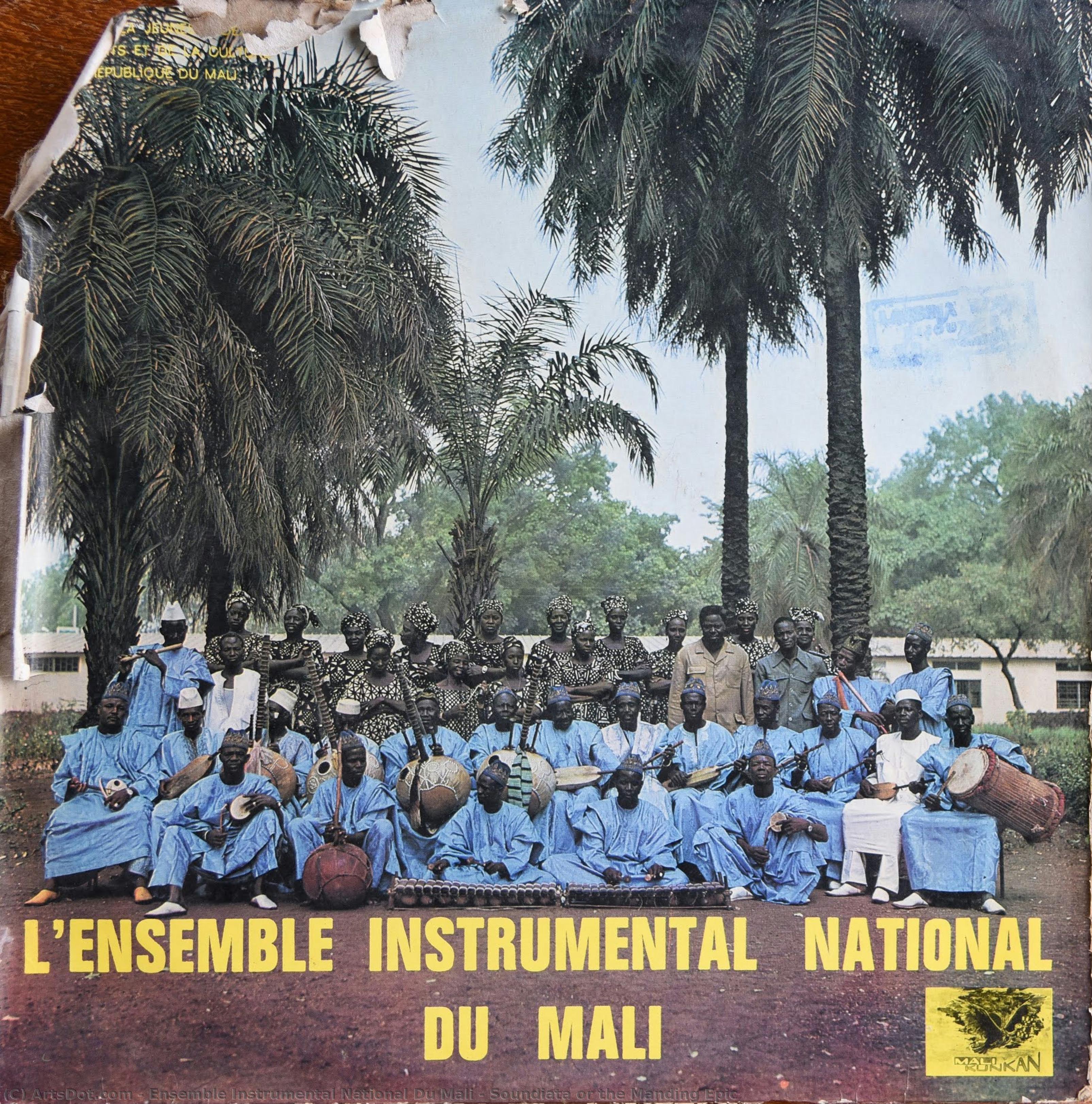
Soundiata or the Manding Epic


 Читать далее
Приобретите цифровое изображение высокого разрешения в улучшенном качестве, которое значительно превосходит онлайн-превью.
Каждый файл тщательно подготавливается нашими специалистами с использованием передовых инструментов и экспертной ручной ретуши. Мы гарантируем исключительную четкость, точную цветопередачу и детальную проработку каждого изображения.
Финальный файл доставляется по электронной почте в течение 72 часов и оптимизирован для немедленного использования в профессиональной среде, при верстке и печати. Это тот же уровень качества, которому доверяют ведущие дизайнерские студии, издательства и галереи.
Цифровое изображение
Скачайте файл высокого разрешения для личного использования, печати и творческих проектов. ( Перейти к печати Купить картину ручной работы)
Включено в каждый заказ цифровых изображений
Гарантия экспертной цифровой доставки
Выбирая ArtsDot.com, вы получаете не просто изображение — вы приобретаете профессионально обработанное цифровое произведение искусства, созданное с безупречной точностью и под защитой гарантии качества. Вот всё, что автоматически входит в ваш заказ:

Мгновенная доставка по e-mail
Ваш цифровой файл в высоком разрешении будет отправлен вам по электронной почте в течение 72 часов после оформления заказа — и сразу станет доступен для использования.

Цифровой файл с ИИ-улучшением
Ваше произведение искусства проходит профессиональную оптимизацию с использованием передовых инструментов ИИ и ручной обработки, что гарантирует максимальную детализацию, четкость и точность цветопередачи.

Бессрочная бесплатная повторная доставка
Случайно удалили или потеряли файл? Не беспокойтесь — мы отправим его вам повторно в любое время и совершенно бесплатно.

Без импортных пошлин — навсегда
Наслаждайтесь вашим произведением искусства мгновенно без таможенных пошлин, сборов или затрат на доставку — цифровые загрузки всегда не облагаются налогом.

Гарантия точности цветопередачи
Мы гарантируем, что ваше цифровое изображение максимально точно передает оригинальные цвета благодаря использованию профессиональных инструментов и систем управления цветом.

Гарантия удовлетворенности 100 дней
Если вы не будете удовлетворены своим цифровым изображением, мы внесем правки или вернем 100% стоимости в течение 100 дней — без лишних вопросов.

100% Гарантия возврата средств
Не удовлетворены покупкой? Получите полный возврат средств в течение 100 дней после получения цифрового файла — без лишних вопросов.

Скидки на оптовые заказы
Купите 3 изображения, сэкономьте 10% — Купите 5, сэкономьте 15% — Купите 10+, сэкономьте 20%. Отличное решение для творческих проектов, галерей и агентств.
Похожие произведения

![Les Apprentis Mécanicians Au Garage Dramane [trainees At The Garage Dramane - Car Repair Shop] — Малик Сидибе, Contemporary Realism](/media/artworks/images-thumb/46/ad/46ad88f7fa24ecc51ecb44b49a2a6c55.jpg)
Биография художника
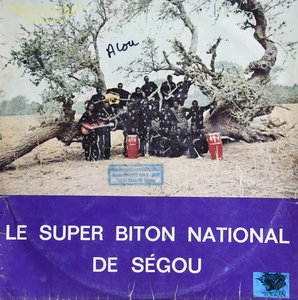
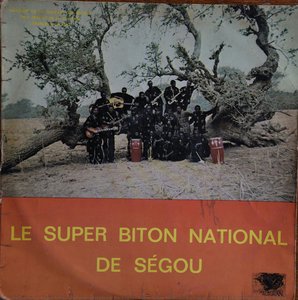
The Voices of a Nation: Ensemble Instrumental National Du Mali
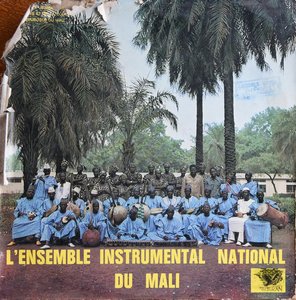
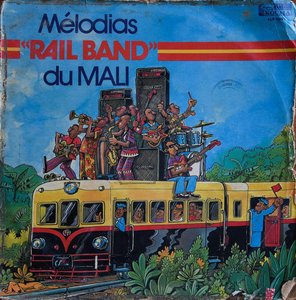
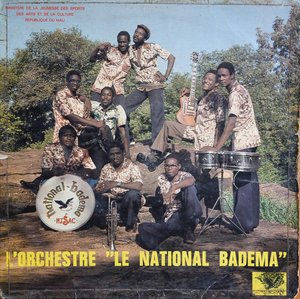
The Ensemble Instrumental National du Mali, often simply known as the Malian National Instrument Ensemble, represents far more than just a musical group; it is a living embodiment of West African cultural heritage. Founded in 1961 following independence from France, the ensemble was conceived as a deliberate act of nation-building, a project to collect, preserve, and promote the diverse musical traditions that constituted Mali’s identity. In a newly independent nation striving to forge its own path, music became a powerful tool for unity and self-expression. The initial impetus came from the Ministry of Culture, recognizing the urgent need to document oral traditions before they were lost amidst modernization and globalization. The ensemble wasn't created as a homogenous unit but rather as a collective of master musicians representing different ethnic groups – Bambara, Mandinka, Soninke, Dogon, Peulh (Fulani), and others – each bringing their unique instruments, vocal styles, and repertoire to the table. This deliberate inclusivity was crucial; it wasn’t about creating a single “Malian” sound but celebrating the rich tapestry of sounds *within* Mali. Early expeditions across the country were undertaken, recording performances, transcribing melodies, and learning directly from griots – the traditional storytellers, musicians, and keepers of history.A Synthesis of Tradition and Innovation
The early years of the Ensemble Instrumental National du Mali were dedicated to this intensive process of documentation and arrangement. Rather than simply replicating existing performances, the ensemble began a fascinating experiment in synthesis. Traditional instruments like the *ngoni* (a lute-like instrument), the *kora* (a 21-string harp-lute), the *balafon* (a wooden xylophone), various drums (*djembe*, *dunun*, etc.), and flutes were combined with Western orchestral instruments – violins, cellos, trumpets – creating a unique sonic landscape. This wasn’t about imposing Western aesthetics onto Malian music; instead, it was an attempt to find common ground, to explore the possibilities of dialogue between different musical worlds. Arrangements often involved layering complex polyrhythms with melodic lines played on both traditional and Western instruments, resulting in pieces that were simultaneously deeply rooted in African tradition and strikingly modern. This innovative approach quickly gained international recognition. The ensemble’s performances weren't merely concerts; they were immersive experiences, often accompanied by dance, storytelling, and elaborate costumes, offering audiences a glimpse into the vibrant cultural life of Mali. Key figures during this period included Djelimady Tounkara, a master *ngoni* player who became a central figure in shaping the ensemble’s sound, and Lamine Soumano, renowned for his virtuosity on the *kora*.Global Ambassadors of Malian Culture
Throughout the 1970s and 80s, the Ensemble Instrumental National du Mali embarked on numerous international tours, becoming de facto ambassadors of Malian culture. They performed at prestigious venues around the world – Carnegie Hall in New York, the Olympia in Paris, festivals across Europe and Asia – captivating audiences with their energetic performances and unique sound. These tours weren’t just about showcasing Malian music; they were also opportunities for cultural exchange, fostering understanding and appreciation between different cultures. The ensemble collaborated with musicians from various backgrounds, further expanding its musical horizons. Recordings during this period helped to solidify the ensemble's reputation. Albums like “Mali Koura” (1978) and “N’Goni Ba” (1982) became seminal works in world music, introducing audiences to the beauty and complexity of Malian musical traditions. The ensemble also played a crucial role in inspiring a new generation of Malian musicians, paving the way for artists like Salif Keita, Toumani Diabaté, and Ali Farka Touré who would later achieve international stardom.Challenges and Continued Legacy
Despite its success, the Ensemble Instrumental National du Mali faced numerous challenges over the years. Political instability in Mali, coupled with economic difficulties, led to funding cuts and a decline in support for cultural institutions. The ensemble experienced periods of inactivity and internal strife, as musicians struggled to maintain their artistic vision amidst changing circumstances. However, despite these setbacks, the spirit of the ensemble endured. In recent decades, there have been renewed efforts to revitalize the group, with younger generations of musicians joining forces with veteran members to continue its mission.- The ensemble continues to perform and record, albeit on a smaller scale.
- Workshops and educational programs are organized to transmit traditional musical knowledge to future generations.
- Collaborations with contemporary artists help to keep the music relevant and accessible to new audiences.