

 Поделиться
 Поделиться
 Детали произведения

 Скачать
 Похожие работы
 Слайд-шоу
 Статистика
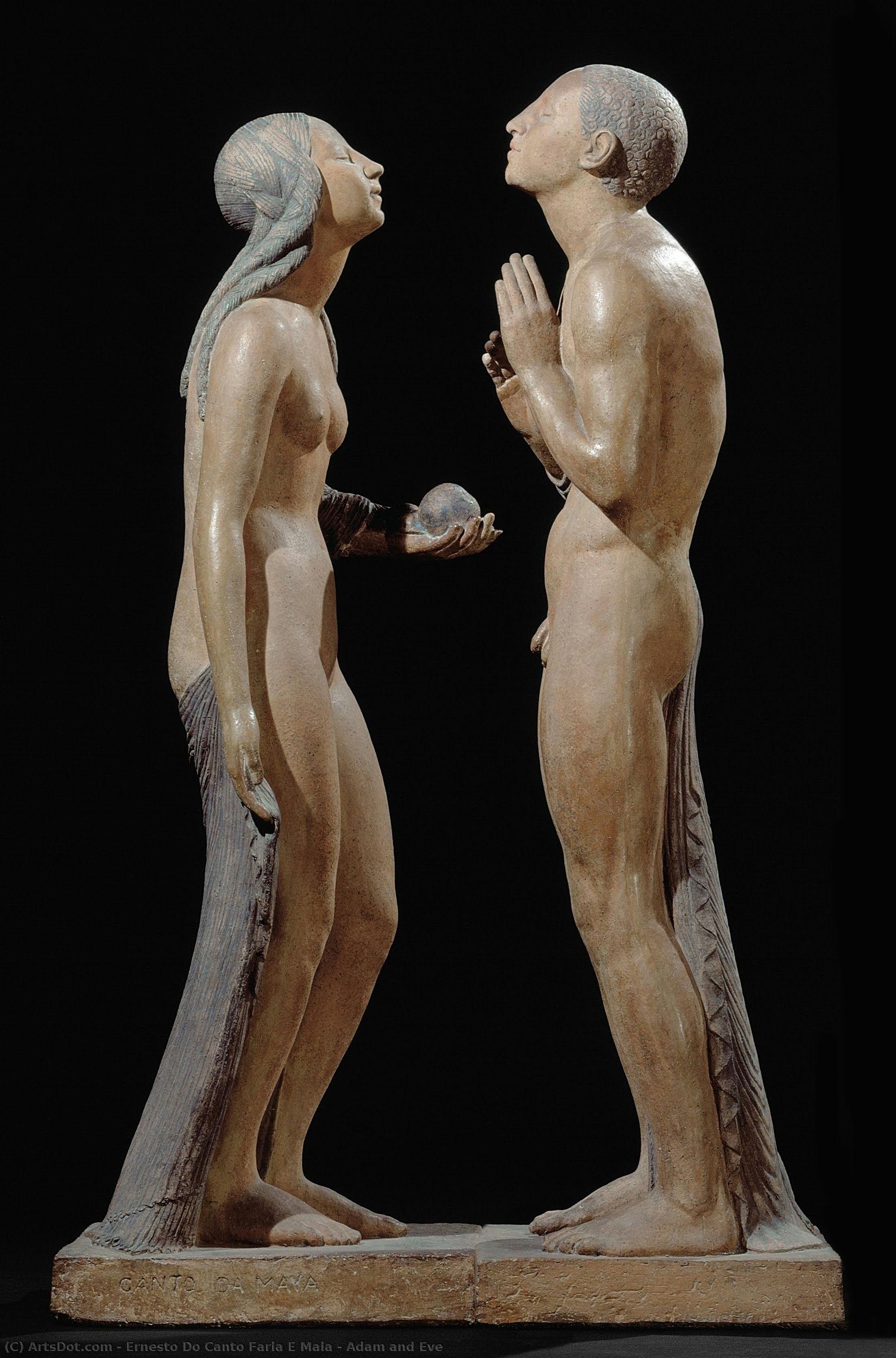
Adam and Eve
 Terracotta
- Art Deco
 1929
1929 159.0 x 54.0 cm
 Национальный музей современного искусства — Museu do Chiado
 Читать далее
Масляная репродукция ручной работы
Картина маслом на холсте в выбранном вами размере и раме, написанная на заказ нашими художниками. ( Перейти к печати Перейти к цифровым изображениям)




































Выберите один из наших стандартных размеров, соответствующих оригинальным пропорциям произведения искусства.

Вы можете указать собственные размеры, чтобы картина идеально вписалась в выбранную раму или пространство. Если выбранный вами размер не соответствует пропорциям оригинала, мы либо обрежем полотно, либо расширим его за счет дополнительных элементов, написанных вручную. Цифровой макет будет отправлен вам на утверждение перед началом производства.
Обратите внимание, что предварительный просмотр на экране не отражает фактическую обрезку или расширение. Только макет точно покажет окончательную композицию.
Хотя доступны индивидуальные размеры, мы рекомендуем выбирать вариант из предопределенного списка, чтобы сохранить исходные пропорции.
После оформления заказа команда ArtsDot.com свяжется с клиентом по электронной почте для уточнения деталей и предоставит предварительный макет
Доставка по всему миру () за 3–4 недели вместо стандартных 5 недель. (12 Сентябрь). Без компромиссов в качестве.

Бесплатная экспресс-доставка по всему миру

Высококачественный льняной холст

Полное страхование доставки

Гарантия возмещения таможенных пошлин

Гарантия точного соответствия цветов

100-дневная политика возврата (только при обнаружении дефектов)

Гарантия возврата 100% средств

Предложение оптовых скидок
 Вариант со стеклом доступен только для размеров менее 110 см

Adam and Eve
Техника репродукции
Размер репродукции
-


Итоговая стоимость
$ 263
Похожие произведения
Биография художника
The Sculptural Legacy of Ernesto Canto da Maia
In the vibrant tapestry of twentieth-century European modernism, few figures embody the transition from classical sensitivity to the bold geometries of the Art Deco era as gracefully as Ernesto do Canto Faria e Maia. Born in 1890 in the serene landscapes of Porto Santo, Portugal, his artistic journey was one of profound movement and geographical breadth. Though his roots were deeply embedded in the Portuguese tradition, his creative spirit wandered between the lush landscapes of the Azores, the intellectual pulse of Lisbon, and the avant-garde epicenter of Paris. This cosmopolitan upbringing allowed him to absorb the shifting currents of European aesthetics, blending a delicate, emotive touch with the emerging structural rigor that would define his most celebrated periods.
The evolution of Canto da Maia’s style reflects the turbulent yet transformative history of the early twentieth century. During the interwar years, he became a prominent voice within the first generation of Portuguese modernists, navigating an era where the elegance of Art Deco began to reshape the visual language of the continent. His work during this time was characterized by a unique ability to balance symbolic depth with formal clarity. As his career progressed into the 1930s, however, his artistic trajectory encountered the complex political landscape of the Estado Novo regime. This period saw him undertaking significant national commissions, where his hand moved toward large-scale, monumental sculptures designed to evoke a sense of heroic history and national identity.
Mastery of Form and Symbolic Depth
Canto da Maia’s mastery lay in his ability to breathe life into static medium, whether through the subtle nuances of a portrait or the imposing presence of a public monument. His repertoire was remarkably diverse, ranging from intimate studies of the human form to grand, commemorative works. One of his most profound achievements is the series known as The Chosen Ones, a collection of twelve pieces that showcases his capacity for narrative and spiritual resonance. This work, now preserved within the prestigious Centro de Arte Moderna Gulbenkian in Lisbon, serves as a testament to his ability to capture the human condition through a modernist lens.
Beyond his monumental efforts, his smaller-scale works, such as his evocative Study of Head, reveal a sculptor deeply attuned to the psychological weight of his subjects. His technique often bridged the gap between the organic and the stylized, a hallmark of the transition from late Symbolism to the streamlined aesthetics of modernism. This duality allowed him to remain relevant across decades of shifting tastes, maintaining a sense of poetic intimacy even when working on a grand, civic scale.
Historical Significance and Enduring Influence
The historical importance of Ernesto Canto da Maia extends far beyond the borders of Portugal. His presence in the international art scene, particularly through his time in Paris, helped integrate Portuguese modernism into the broader European dialogue. The enduring value of his contribution is evidenced by the placement of his works in some of the world's most esteemed institutions:
- Centro de Arte Moderna Gulbenkian (Lisbon, Portugal)
- Soares dos Reis National Museum (Porto, Portugal)
- The Government Art Collection (London, United Kingdom)
As a pioneer of the first generation of Portuguese modernists, Canto da Maia left an indelible mark on the sculptural landscape. His ability to navigate the delicate balance between personal artistic expression and the demands of national commemoration makes him a pivotal figure in understanding the complexities of twentieth-century art. Today, his legacy continues to inspire scholars and art lovers alike, standing as a bridge between the classical traditions of the past and the bold, structural innovations of the modern age.

ernesto do canto faria e maia
1890 - 1981 , Portugal
Основные сведения
- Artistic Movement Or Style: Modernist Art Deco
- Artists Who Influenced This Artist:
- Amadeo de Souza Cardoso
- Jorge Nicholson Moore Barradas
- Date Of Birth: 1890
- Date Of Death: 1981
- Full Name: Ernesto do Canto Faria e Maia
- Nationality: Portuguese
- Notable Artworks:
- Study of Head
- Chosen Ones Series
- Place Of Birth: Ponta Delgada, Portugal
Похожие статьи

The Enduring Form: Sculpture Across History, Technique & Emotional Resonance
Explore the rich history of sculpture with ArtsDot. Discover key techniques, influential artists & investment potential for discerning collectors. Expert insights into valuing and collecting timeless masterpieces.

10 легендарных бронзовых шедевров, изменивших искусство | ArtsDot
Погрузитесь в мир великих бронзовых шедевров! От Давида Донателло до Мыслителя Родена – узнайте историю создания, технику и значение легендарных скульптур. Вдохновение для интерьера и музейное качество репродукций на ArtsDot.com.

10 легендарных бронзовых скульптур, изменивших искусство навсегда | ArtsDot
Погрузитесь в мир великих бронзовых скульптур! От Давида Микеланджело до работ Родена – история искусства, техники и вдохновения. Купите репродукции шедевров для вашего интерьера на ArtsDot.com

The Enduring Form: Exploring Themes & Techniques in Sculpture Across Historical Periods
Explore the rich history of sculpture from ancient masterpieces to contemporary innovations. Discover key techniques, influential artists & investment potential for discerning art collectors.
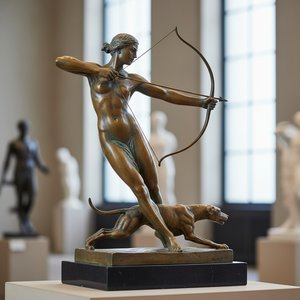
Paul Manship: Reassessing the Master of American Art Deco Sculpture
Explore the captivating world of Paul Manship, a leading figure in American Art Deco sculpture. Discover his iconic works like Prometheus, influence on modernism, and investment potential. Expert insights for collectors.