

 Поделиться
 Поделиться
 Детали произведения

 Скачать
 Похожие работы
 Слайд-шоу
 Статистика
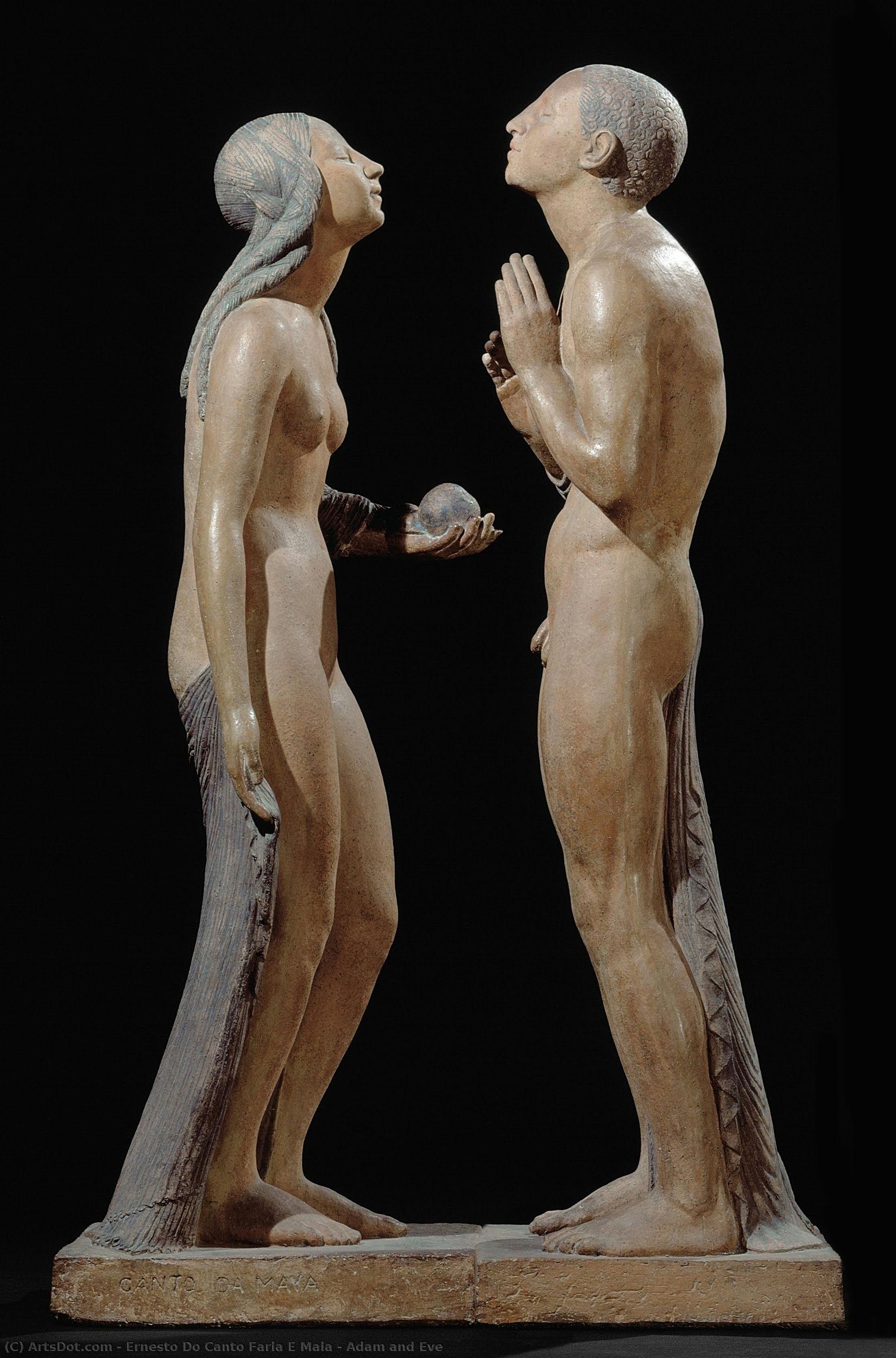
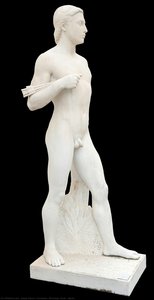
Adam and Eve
 Terracotta
- Art Deco
 1929
1929 159.0 x 54.0 cm
 Национальный музей современного искусства — Museu do Chiado
 Читать далее
Приобретите цифровое изображение высокого разрешения в улучшенном качестве, которое значительно превосходит онлайн-превью.
Каждый файл тщательно подготавливается нашими специалистами с использованием передовых инструментов и экспертной ручной ретуши. Мы гарантируем исключительную четкость, точную цветопередачу и детальную проработку каждого изображения.
Финальный файл доставляется по электронной почте в течение 72 часов и оптимизирован для немедленного использования в профессиональной среде, при верстке и печати. Это тот же уровень качества, которому доверяют ведущие дизайнерские студии, издательства и галереи.
Цифровое изображение
Скачайте файл высокого разрешения для личного использования, печати и творческих проектов. ( Перейти к печати Купить картину ручной работы)
Включено в каждый заказ цифровых изображений
Гарантия экспертной цифровой доставки
Выбирая ArtsDot.com, вы получаете не просто изображение — вы приобретаете профессионально обработанное цифровое произведение искусства, созданное с безупречной точностью и под защитой гарантии качества. Вот всё, что автоматически входит в ваш заказ:

Мгновенная доставка по e-mail
Ваш цифровой файл в высоком разрешении будет отправлен вам по электронной почте в течение 72 часов после оформления заказа — и сразу станет доступен для использования.

Цифровой файл с ИИ-улучшением
Ваше произведение искусства проходит профессиональную оптимизацию с использованием передовых инструментов ИИ и ручной обработки, что гарантирует максимальную детализацию, четкость и точность цветопередачи.

Бессрочная бесплатная повторная доставка
Случайно удалили или потеряли файл? Не беспокойтесь — мы отправим его вам повторно в любое время и совершенно бесплатно.

Без импортных пошлин — навсегда
Наслаждайтесь вашим произведением искусства мгновенно без таможенных пошлин, сборов или затрат на доставку — цифровые загрузки всегда не облагаются налогом.

Гарантия точности цветопередачи
Мы гарантируем, что ваше цифровое изображение максимально точно передает оригинальные цвета благодаря использованию профессиональных инструментов и систем управления цветом.

Гарантия удовлетворенности 100 дней
Если вы не будете удовлетворены своим цифровым изображением, мы внесем правки или вернем 100% стоимости в течение 100 дней — без лишних вопросов.

100% Гарантия возврата средств
Не удовлетворены покупкой? Получите полный возврат средств в течение 100 дней после получения цифрового файла — без лишних вопросов.

Скидки на оптовые заказы
Купите 3 изображения, сэкономьте 10% — Купите 5, сэкономьте 15% — Купите 10+, сэкономьте 20%. Отличное решение для творческих проектов, галерей и агентств.
Похожие произведения

Биография художника
The Sculptural Legacy of Ernesto Canto da Maia
In the vibrant tapestry of twentieth-century European modernism, few figures embody the transition from classical sensitivity to the bold geometries of the Art Deco era as gracefully as Ernesto do Canto Faria e Maia. Born in 1890 in the serene landscapes of Porto Santo, Portugal, his artistic journey was one of profound movement and geographical breadth. Though his roots were deeply embedded in the Portuguese tradition, his creative spirit wandered between the lush landscapes of the Azores, the intellectual pulse of Lisbon, and the avant-garde epicenter of Paris. This cosmopolitan upbringing allowed him to absorb the shifting currents of European aesthetics, blending a delicate, emotive touch with the emerging structural rigor that would define his most celebrated periods.
The evolution of Canto da Maia’s style reflects the turbulent yet transformative history of the early twentieth century. During the interwar years, he became a prominent voice within the first generation of Portuguese modernists, navigating an era where the elegance of Art Deco began to reshape the visual language of the continent. His work during this time was characterized by a unique ability to balance symbolic depth with formal clarity. As his career progressed into the 1930s, however, his artistic trajectory encountered the complex political landscape of the Estado Novo regime. This period saw him undertaking significant national commissions, where his hand moved toward large-scale, monumental sculptures designed to evoke a sense of heroic history and national identity.
Mastery of Form and Symbolic Depth
Canto da Maia’s mastery lay in his ability to breathe life into static medium, whether through the subtle nuances of a portrait or the imposing presence of a public monument. His repertoire was remarkably diverse, ranging from intimate studies of the human form to grand, commemorative works. One of his most profound achievements is the series known as The Chosen Ones, a collection of twelve pieces that showcases his capacity for narrative and spiritual resonance. This work, now preserved within the prestigious Centro de Arte Moderna Gulbenkian in Lisbon, serves as a testament to his ability to capture the human condition through a modernist lens.
Beyond his monumental efforts, his smaller-scale works, such as his evocative Study of Head, reveal a sculptor deeply attuned to the psychological weight of his subjects. His technique often bridged the gap between the organic and the stylized, a hallmark of the transition from late Symbolism to the streamlined aesthetics of modernism. This duality allowed him to remain relevant across decades of shifting tastes, maintaining a sense of poetic intimacy even when working on a grand, civic scale.
Historical Significance and Enduring Influence
The historical importance of Ernesto Canto da Maia extends far beyond the borders of Portugal. His presence in the international art scene, particularly through his time in Paris, helped integrate Portuguese modernism into the broader European dialogue. The enduring value of his contribution is evidenced by the placement of his works in some of the world's most esteemed institutions:
- Centro de Arte Moderna Gulbenkian (Lisbon, Portugal)
- Soares dos Reis National Museum (Porto, Portugal)
- The Government Art Collection (London, United Kingdom)
As a pioneer of the first generation of Portuguese modernists, Canto da Maia left an indelible mark on the sculptural landscape. His ability to navigate the delicate balance between personal artistic expression and the demands of national commemoration makes him a pivotal figure in understanding the complexities of twentieth-century art. Today, his legacy continues to inspire scholars and art lovers alike, standing as a bridge between the classical traditions of the past and the bold, structural innovations of the modern age.

ernesto do canto faria e maia
1890 - 1981 , Portugal
Основные сведения
- Artistic Movement Or Style: Modernist Art Deco
- Artists Who Influenced This Artist:
- Amadeo de Souza Cardoso
- Jorge Nicholson Moore Barradas
- Date Of Birth: 1890
- Date Of Death: 1981
- Full Name: Ernesto do Canto Faria e Maia
- Nationality: Portuguese
- Notable Artworks:
- Study of Head
- Chosen Ones Series
- Place Of Birth: Ponta Delgada, Portugal