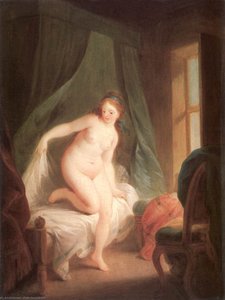
Предпросмотр
 Поделиться
 Поделиться
 Детали произведения

 Скачать
 Похожие работы
 Рентгенография
 Слайд-шоу
 Статистика
Saint Joseph Calasantius before the Virgin
 1767
1767 182.0 x 115.0 cm
 Читать далее
Масляная репродукция ручной работы
Картина маслом на холсте в выбранном вами размере и раме, написанная на заказ нашими художниками. ( Перейти к печати Перейти к цифровым изображениям)




































Выберите один из наших стандартных размеров, соответствующих оригинальным пропорциям произведения искусства.

Вы можете указать собственные размеры, чтобы картина идеально вписалась в выбранную раму или пространство. Если выбранный вами размер не соответствует пропорциям оригинала, мы либо обрежем полотно, либо расширим его за счет дополнительных элементов, написанных вручную. Цифровой макет будет отправлен вам на утверждение перед началом производства.
Обратите внимание, что предварительный просмотр на экране не отражает фактическую обрезку или расширение. Только макет точно покажет окончательную композицию.
Хотя доступны индивидуальные размеры, мы рекомендуем выбирать вариант из предопределенного списка, чтобы сохранить исходные пропорции.
После оформления заказа команда ArtsDot.com свяжется с клиентом по электронной почте для уточнения деталей и предоставит предварительный макет
Доставка по всему миру () за 3–4 недели вместо стандартных 5 недель. (11 Сентябрь). Без компромиссов в качестве.

Бесплатная экспресс-доставка по всему миру

Высококачественный льняной холст

Полное страхование доставки

Гарантия возмещения таможенных пошлин

Гарантия точного соответствия цветов

100-дневная политика возврата (только при обнаружении дефектов)

Гарантия возврата 100% средств

Предложение оптовых скидок
 Вариант со стеклом доступен только для размеров менее 110 см

Saint Joseph Calasantius before the Virgin
Техника репродукции
Размер репродукции
-


Итоговая стоимость
$ 263
Похожие произведения
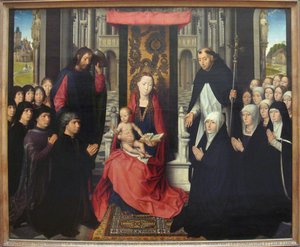
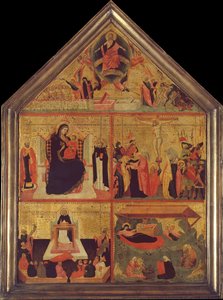
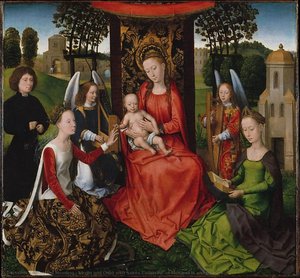
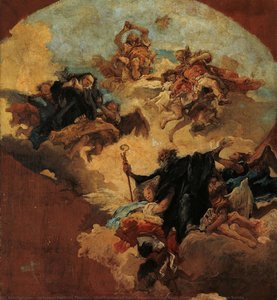
Биография художника
Thomas Gainsborough: A Master of Light and Landscape
Thomas Gainsborough, born in Sudbury, Suffolk, on May 14th, 1727, was a pivotal figure in the development of British art during the late 18th century. His life’s work – encompassing both meticulously rendered portraits and evocative landscapes – established him as one of the most influential painters of his era, alongside Sir Joshua Reynolds. Gainsborough's artistic journey began with a traditional apprenticeship to a London silversmith, but it was his early association with Hubert Gravelot, a French book-illustrator steeped in the traditions of Watteau, that truly shaped his artistic sensibilities. This connection provided him with an understanding of Rococo techniques and a deep appreciation for delicate brushwork and atmospheric perspective – elements he would later master to breathtaking effect. His family’s modest background—his father a wool merchant—influenced his early career, requiring him to establish himself as a portrait painter in Ipswich before ultimately relocating to the fashionable spa town of Bath in 1759.Early Life and Artistic Training
Gainsborough's formative years were marked by a deliberate pursuit of artistic refinement. Following his apprenticeship, he spent time studying under Gravelot, absorbing the nuances of French art and developing a keen eye for detail. This period instilled in him a deep respect for classical principles, though he ultimately rejected the rigid formality often associated with them. He then returned to Suffolk, where he honed his skills painting portraits of local gentry and merchants – works characterized by their naturalism and subtle psychological insight. Crucially, Gainsborough’s artistic development was not solely reliant on formal training; he possessed a remarkable ability to observe and capture the essence of his subjects, imbuing his paintings with a sense of immediacy and authenticity. His early landscapes, often painted en plein air, demonstrated an intuitive understanding of light and color, foreshadowing the brilliance that would define his mature work.The Rise to Prominence: Portraits and Landscapes
Gainsborough’s career truly took off in Bath, where he attracted a wealthy clientele eager for portraits capturing their fashionable lives. Unlike Reynolds, who frequently employed elaborate allegorical settings and references to classical antiquity, Gainsborough favored a more contemporary approach, depicting his sitters in the clothing of the day – a deliberate choice that reflected his commitment to realism and his keen interest in documenting the changing social landscape of England. His portraits are renowned for their atmospheric quality, achieved through the use of loose brushstrokes and subtle gradations of color, creating an illusion of depth and movement. Simultaneously, Gainsborough’s landscapes—works like “The Morning Walk” and “Redboys”—became increasingly important to his oeuvre. These paintings showcased a remarkable ability to capture the beauty of the English countryside, employing a delicate palette and a masterful understanding of light and shadow. He moved away from the rigid conventions of Dutch landscape painting, instead creating scenes that felt distinctly British – imbued with a sense of rustic charm and quiet contemplation.Royal Patronage and Artistic Rivalry
The success of Gainsborough’s portraits brought him to the attention of the royal court, culminating in commissions from George III and Queen Charlotte. This royal patronage solidified his position as one of the leading artists of the era, though it also fueled a significant rivalry with Sir Joshua Reynolds, who served as the First Painter to the King. Their differing artistic philosophies – Gainsborough’s emphasis on naturalism versus Reynolds’ adherence to classical ideals – created a dynamic tension within the art world. The dispute over the hanging of Gainsborough's paintings at the Royal Academy in 1773 marked a turning point, leading him to exhibit his work independently and further cementing his reputation as an artist who defied convention.Legacy and Historical Significance
Thomas Gainsborough died on August 2nd, 1788, leaving behind a remarkable body of work that continues to captivate audiences today. His influence on subsequent generations of British artists is undeniable, particularly in the development of landscape painting. His innovative use of light and color, his ability to capture the essence of human character, and his commitment to realism established him as a pioneer of the Romantic movement. Furthermore, Gainsborough’s later work, exploring themes of social commentary and the relationship between man and nature, reflects a growing awareness of the changing world around him – a testament to his enduring artistic vision. His paintings are not merely representations of individuals or landscapes; they offer glimpses into the lives, customs, and values of 18th-century England, ensuring that Gainsborough’s legacy as one of Britain's greatest artists remains secure.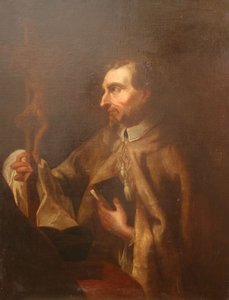
felix ivo leicher
1727 - 1812 , Czech Republic
Основные сведения
- Artistic Movement Or Style: Picturesque, Landscape
- Artists Or Movements Influenced By This Artist: ['Watteau']
- Artists Who Influenced This Artist: ['Hubert Gravelot']
- Date Of Birth: May 14, 1727
- Date Of Death: August 2, 1788
- Full Name: Thomas Gainsborough
- Nationality: British
- Notable Artworks:
- Mr and Mrs Andrews
- The Blue Boy
- Morning Walk
- Place Of Birth: Sudbury, Suffolk, England