

 Предпросмотр
 Поделиться
 Поделиться
 Детали произведения

 Скачать
 Похожие работы
 Рентгенография
 Слайд-шоу
 Статистика
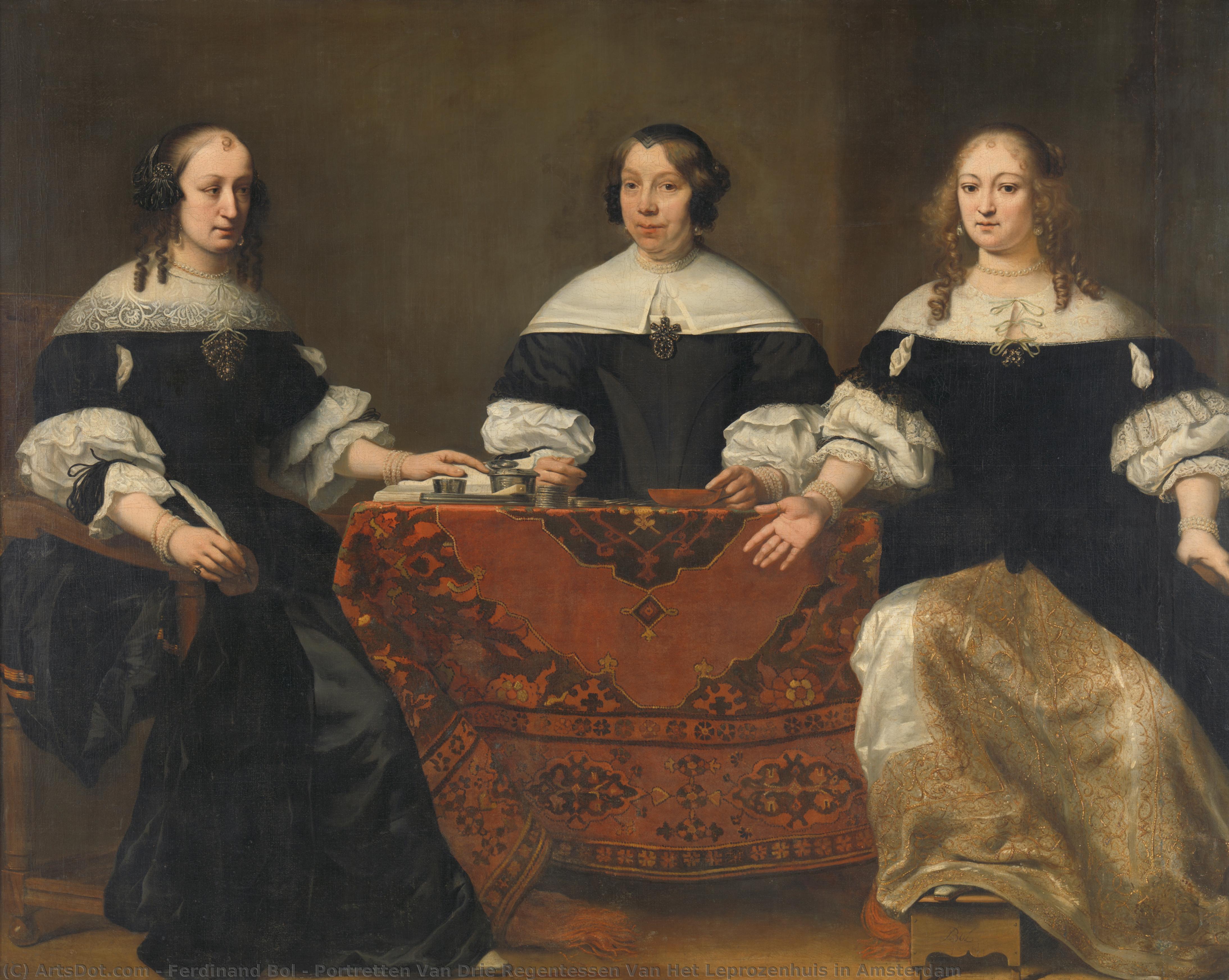
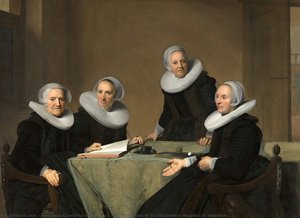
Portretten Van Drie Regentessen Van Het Leprozenhuis in Amsterdam


 Читать далее
Приобретите цифровое изображение высокого разрешения в улучшенном качестве, которое значительно превосходит онлайн-превью.
Каждый файл тщательно подготавливается нашими специалистами с использованием передовых инструментов и экспертной ручной ретуши. Мы гарантируем исключительную четкость, точную цветопередачу и детальную проработку каждого изображения.
Финальный файл доставляется по электронной почте в течение 72 часов и оптимизирован для немедленного использования в профессиональной среде, при верстке и печати. Это тот же уровень качества, которому доверяют ведущие дизайнерские студии, издательства и галереи.
Цифровое изображение
Скачайте файл высокого разрешения для личного использования, печати и творческих проектов. ( Перейти к печати Купить картину ручной работы)
Включено в каждый заказ цифровых изображений
Гарантия экспертной цифровой доставки
Выбирая ArtsDot.com, вы получаете не просто изображение — вы приобретаете профессионально обработанное цифровое произведение искусства, созданное с безупречной точностью и под защитой гарантии качества. Вот всё, что автоматически входит в ваш заказ:

Мгновенная доставка по e-mail
Ваш цифровой файл в высоком разрешении будет отправлен вам по электронной почте в течение 72 часов после оформления заказа — и сразу станет доступен для использования.

Цифровой файл с ИИ-улучшением
Ваше произведение искусства проходит профессиональную оптимизацию с использованием передовых инструментов ИИ и ручной обработки, что гарантирует максимальную детализацию, четкость и точность цветопередачи.

Бессрочная бесплатная повторная доставка
Случайно удалили или потеряли файл? Не беспокойтесь — мы отправим его вам повторно в любое время и совершенно бесплатно.

Без импортных пошлин — навсегда
Наслаждайтесь вашим произведением искусства мгновенно без таможенных пошлин, сборов или затрат на доставку — цифровые загрузки всегда не облагаются налогом.

Гарантия точности цветопередачи
Мы гарантируем, что ваше цифровое изображение максимально точно передает оригинальные цвета благодаря использованию профессиональных инструментов и систем управления цветом.

Гарантия удовлетворенности 100 дней
Если вы не будете удовлетворены своим цифровым изображением, мы внесем правки или вернем 100% стоимости в течение 100 дней — без лишних вопросов.

100% Гарантия возврата средств
Не удовлетворены покупкой? Получите полный возврат средств в течение 100 дней после получения цифрового файла — без лишних вопросов.

Скидки на оптовые заказы
Купите 3 изображения, сэкономьте 10% — Купите 5, сэкономьте 15% — Купите 10+, сэкономьте 20%. Отличное решение для творческих проектов, галерей и агентств.
A Window into Dutch Aristocracy: Ferdinand Bol’s Portrait of Three Regentesses
Ferdinand Bol, a figure often relegated to the footnotes of art history alongside Rembrandt and Vermeer, nevertheless deserves recognition as a pivotal artist of the Dutch Golden Age. Born in Dordrecht in 1616, Bol's artistic trajectory was inextricably linked with that of Rembrandt, commencing his apprenticeship within the master’s Amsterdam studio – an association that profoundly influenced his stylistic development. Initially mirroring Rembrandt’s masterful realism and chiaroscuro technique, Bol swiftly established a distinctive voice, demonstrating remarkable independence despite his formative years under Rembrandt’s guidance. This early training instilled in him a meticulous attention to detail and a profound understanding of tonal gradation, elements which would become hallmarks of his oeuvre.- Subject Matter: The painting depicts three women seated at a table adorned with a crimson cloth bearing a gilded border. Their gaze downward conveys an air of quiet contemplation, suggesting intimacy and perhaps deliberation.
- Style: Bol’s work firmly resides within the Baroque style—characterized by dramatic lighting, opulent ornamentation, and a focus on conveying emotion through gesture and expression. This stylistic choice aligns perfectly with the prevailing artistic sensibilities of the era, reflecting a desire to capture grandeur and sophistication.
Technique and Materials: Rembrandt’s Legacy Reflected
Bol's mastery extended beyond mere stylistic imitation; he skillfully employed oil paint on canvas—a technique championed by Rembrandt himself—to achieve unparalleled luminosity and textural richness. The artist meticulously layered pigments to create subtle gradations of tone, mimicking the chiaroscuro effects that Rembrandt perfected. This painstaking process ensured that every nuance of light and shadow was rendered with precision, enhancing the painting’s dramatic impact and conveying a palpable sense of atmosphere. Furthermore, Bol's use of color—particularly the vibrant reds of the cloth—contributes to the overall visual dynamism of the composition.Historical Context: Patronage and Societal Values
Painted in 1668, “Portretten Van Drie Regentessen Van Het Leprozenhuis” exemplifies the artistic patronage prevalent during Bol’s time. The painting was commissioned by a wealthy Amsterdam family—likely reflecting the importance of social status and familial lineage within Dutch society. Such portraits served not merely as representations of individuals but also as statements of identity and prestige, reinforcing the values of aristocratic refinement and moral virtue.Symbolism and Emotional Resonance: A Moment Frozen in Time
The positioning of the women—seated at a table with cards and a book—suggests a scene of intellectual engagement alongside social interaction. The downward gaze speaks to introspection and perhaps unspoken concerns, inviting viewers to contemplate the complexities of human emotion. Bol’s ability to capture these subtle nuances underscores his artistic sensitivity and contributes to the painting's enduring emotional resonance. It is a testament to Bol’s skill that he transformed a simple portrait into an evocative glimpse into the inner lives of its subjects—a timeless depiction of aristocratic grace and contemplative reflection.Conclusion: Rediscovering Bol’s Artistic Significance
While overshadowed by Rembrandt's fame, Ferdinand Bol deserves recognition as a significant contributor to Dutch Baroque art. His unwavering dedication to technique, combined with his stylistic independence, cemented his place among the most accomplished painters of his generation. Reproductions of “Portretten Van Drie Regentessen Van Het Leprozenhuis” offer an opportunity to appreciate Bol’s artistic vision and experience firsthand the beauty and sophistication of a bygone era—a captivating window into the cultural landscape of 17th-century Amsterdam.Похожие произведения



Биография художника
A Forgotten Master of the Dutch Golden Age
Ferdinand Bol, a name perhaps less familiar than those of his illustrious contemporaries Rembrandt van Rijn and Johannes Vermeer, nevertheless occupies a significant, if often overlooked, position within the pantheon of 17th-century Dutch Masters. Born in Dordrecht in 1616, Bol’s artistic journey was deeply intertwined with that of Rembrandt, serving as a pupil in the master's Amsterdam studio during a formative period. This apprenticeship profoundly shaped his style, initially leading to works so convincingly reminiscent of Rembrandt that attribution could prove challenging even for seasoned experts. However, to simply categorize Bol as a mere imitator would be a disservice to his own unique artistic voice and considerable talent. His early life laid the groundwork for a career marked by both technical brilliance and an evolving stylistic independence. While details regarding his initial training remain somewhat scarce – possibilities include tutelage under Jacob Cuyp in Dordrecht or Abraham Bloemaert in Utrecht – it was undoubtedly his time with Rembrandt that proved pivotal, immersing him in the dramatic lighting, psychological depth, and masterful brushwork characteristic of the Baroque period.From Rembrandt’s Shadow to Independent Vision
Bol's artistic development can be traced through a fascinating trajectory—one beginning with faithful emulation and gradually blossoming into a distinctive personal style. In his early works, the influence of Rembrandt is undeniable; compositions often echo those of his teacher, employing similar chiaroscuro effects and a penchant for portraying figures in moments of intense emotional or psychological drama. However, as Bol matured, he began to refine his technique, moving towards a greater emphasis on clarity, elegance, and refined detail. His palette lightened, and his figures acquired a more polished, aristocratic bearing. This shift is particularly evident in his portraits, which became increasingly sought after by Amsterdam’s wealthy elite. He quickly rose through the ranks of Amsterdam's artistic community, becoming a burgher in 1652 and marrying into a family with connections to both the Admiralty and the wine merchants’ guild – affiliations that undoubtedly contributed to securing prestigious commissions. Notably, he received orders for chimney pieces for the new Amsterdam Town Hall, designed by Jacob van Campen, a testament to his growing reputation and artistic standing. He even took on pupils of his own, most notably Godfrey Kneller, who would later achieve fame as an English portrait painter.Historical Narratives and Portraiture: A Diverse Oeuvre
Bol’s oeuvre is remarkably diverse, encompassing historical subjects, portraits, *tronies* (character studies), and even some landscape elements. He demonstrated a particular aptitude for large-scale historical paintings, imbuing them with a sense of grandeur and dramatic tension. The Peace Negotiations between Claudius Civilis and Quintus Petillius Cerealis on the Demolished Bridge, now housed in a museum collection, stands as a prime example of his skill in depicting complex narratives with compelling visual impact. The painting showcases not only his mastery of composition and perspective but also his ability to convey the weight of historical events through expressive gestures and carefully rendered details. He skillfully captured the solemnity of the occasion, utilizing dramatic lighting to heighten the emotional intensity of the scene—a technique directly inherited from Rembrandt’s groundbreaking approach to illumination. However, it was perhaps in the realm of portraiture that Bol truly excelled. He possessed an uncanny ability to capture the likenesses of his sitters while simultaneously revealing their inner character and social status. His portraits are characterized by a refined elegance and psychological insight, offering glimpses into the lives and personalities of Amsterdam’s prominent citizens. Works like Man in Golden Helmet (Mars), now residing in Warsaw's National Museum, exemplify this talent, presenting a figure imbued with both authority and vulnerability—a masterful portrayal that transcends mere representation to convey profound emotional resonance.Notable Achievements and Artistic Legacy
Bol’s artistic legacy extends beyond his individual paintings; he played an instrumental role in shaping the visual culture of Amsterdam during its Golden Age. His commissions for public buildings, including the Town Hall and several churches, solidified his position as one of the era's leading artists and contributed to establishing a distinctive aesthetic sensibility within the city’s architectural landscape. Furthermore, Bol’s influence can be discerned in the works of subsequent generations of painters—particularly those who embraced Rembrandt’s stylistic principles. His meticulous attention to detail, combined with his innovative use of light and color, served as inspiration for artists striving to achieve comparable levels of artistic sophistication. Despite facing challenges during his lifetime – including periods of financial hardship and occasional disputes with patrons – Bol persevered in his pursuit of excellence, leaving behind a body of work that continues to captivate audiences today. His paintings are treasured for their beauty, their psychological depth, and their enduring relevance as representations of the human condition—a testament to his artistic genius and a lasting contribution to the history of art. ## Rediscovery and Recognition in the 20th Century Bol’s reputation had waned considerably after his death in 1680, largely due to misattribution – many works initially attributed to Rembrandt were subsequently proven to be Bol's creations. It wasn’t until the 20th century that concerted efforts began to re-evaluate his oeuvre and establish him as a significant artist in his own right. Scholarly research utilizing advanced techniques of pigment analysis and X-ray radiography dramatically altered our understanding of Bol’s artistic practice, revealing previously unrecognized stylistic nuances and demonstrating a level of technical virtuosity that surpassed conventional assessments. Today, Ferdinand Bol is recognized as a pivotal figure within the Dutch Baroque tradition—a master whose work embodies the spirit of his time while simultaneously anticipating developments in subsequent artistic movements. Museums across Europe and North America now showcase his paintings with increasing frequency, ensuring that this once-forgotten artist will continue to be rediscovered and appreciated by generations to come.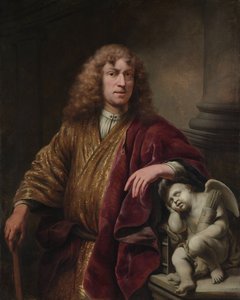
Фердинанд Боль
1616 - 1680 , Нидерланды
Основные сведения
- Artistic Movement Or Style: Барокко живопись
- Artists Or Movements Influenced By This Artist: ['Эжен Делакруа']
- Artists Who Influenced This Artist: ['Рембрандт ван Рейн']
- Date Of Birth: 24 июня 1616 г.
- Date Of Death: 24 августа 1680 г.
- Full Name: Ferdinand Bol
- Nationality: Нидерландский
- Notable Artworks:
- Мирные переговоры между Клавдием Цивилисом и Квинтом Петтиллием Сереналием...
- Пирх использует...
- Человек в золотой каске
- Place Of Birth: Дордрехт, Нидерланды