

 Предпросмотр
 Поделиться
 Поделиться
 Детали произведения

 Скачать
 Похожие работы
 Рентгенография
 Слайд-шоу
 Статистика
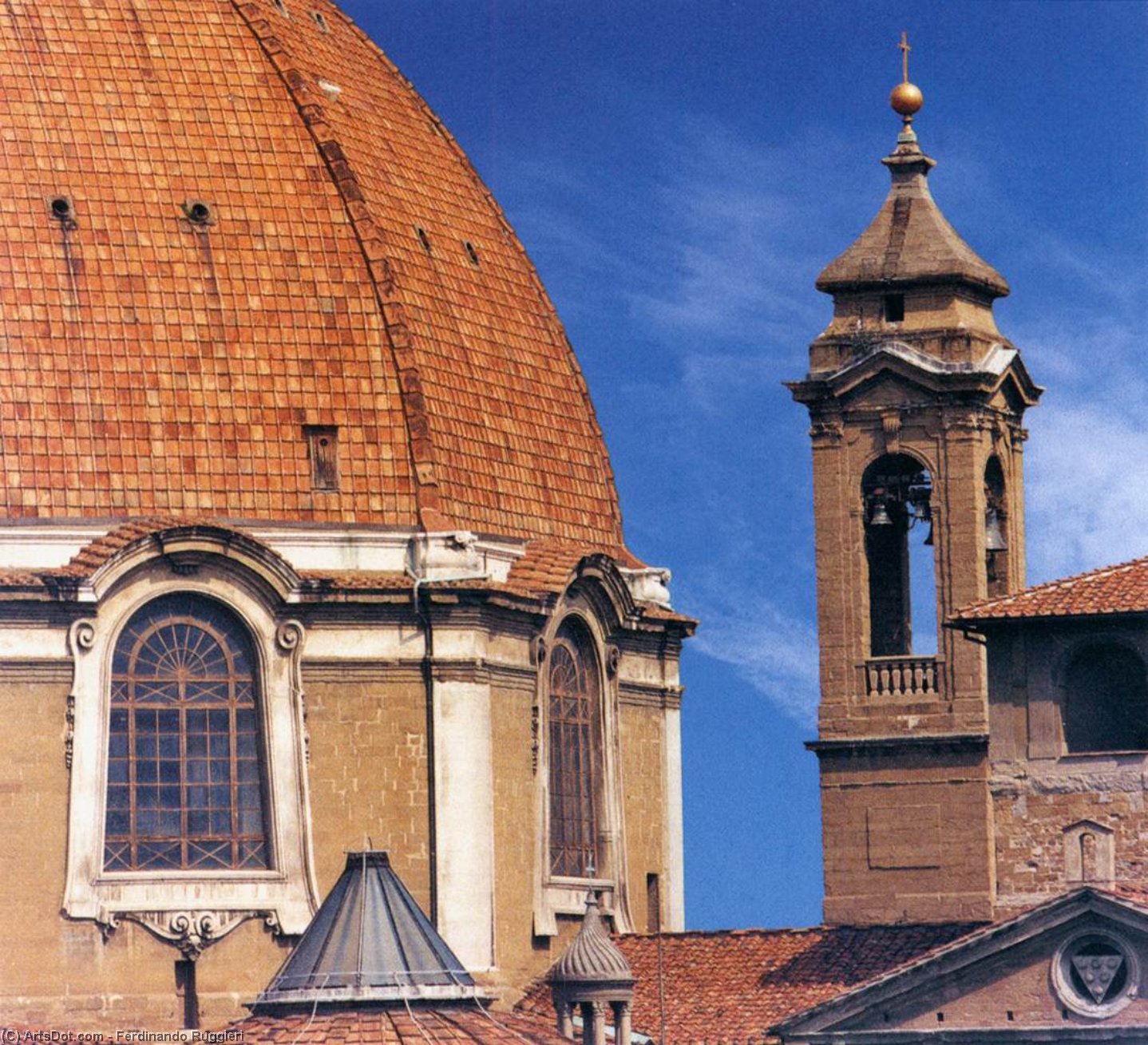
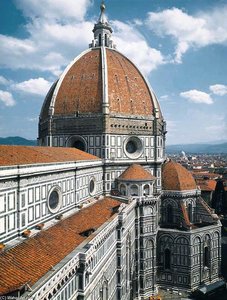
The Bell Tower Of San Lorenzo
 Читать далее
Приобретите цифровое изображение высокого разрешения в улучшенном качестве, которое значительно превосходит онлайн-превью.
Каждый файл тщательно подготавливается нашими специалистами с использованием передовых инструментов и экспертной ручной ретуши. Мы гарантируем исключительную четкость, точную цветопередачу и детальную проработку каждого изображения.
Финальный файл доставляется по электронной почте в течение 72 часов и оптимизирован для немедленного использования в профессиональной среде, при верстке и печати. Это тот же уровень качества, которому доверяют ведущие дизайнерские студии, издательства и галереи.
Цифровое изображение
Скачайте файл высокого разрешения для личного использования, печати и творческих проектов. ( Перейти к печати Купить картину ручной работы)
Включено в каждый заказ цифровых изображений
Гарантия экспертной цифровой доставки
Выбирая ArtsDot.com, вы получаете не просто изображение — вы приобретаете профессионально обработанное цифровое произведение искусства, созданное с безупречной точностью и под защитой гарантии качества. Вот всё, что автоматически входит в ваш заказ:

Мгновенная доставка по e-mail
Ваш цифровой файл в высоком разрешении будет отправлен вам по электронной почте в течение 72 часов после оформления заказа — и сразу станет доступен для использования.

Цифровой файл с ИИ-улучшением
Ваше произведение искусства проходит профессиональную оптимизацию с использованием передовых инструментов ИИ и ручной обработки, что гарантирует максимальную детализацию, четкость и точность цветопередачи.

Бессрочная бесплатная повторная доставка
Случайно удалили или потеряли файл? Не беспокойтесь — мы отправим его вам повторно в любое время и совершенно бесплатно.

Без импортных пошлин — навсегда
Наслаждайтесь вашим произведением искусства мгновенно без таможенных пошлин, сборов или затрат на доставку — цифровые загрузки всегда не облагаются налогом.

Гарантия точности цветопередачи
Мы гарантируем, что ваше цифровое изображение максимально точно передает оригинальные цвета благодаря использованию профессиональных инструментов и систем управления цветом.

Гарантия удовлетворенности 100 дней
Если вы не будете удовлетворены своим цифровым изображением, мы внесем правки или вернем 100% стоимости в течение 100 дней — без лишних вопросов.

100% Гарантия возврата средств
Не удовлетворены покупкой? Получите полный возврат средств в течение 100 дней после получения цифрового файла — без лишних вопросов.

Скидки на оптовые заказы
Купите 3 изображения, сэкономьте 10% — Купите 5, сэкономьте 15% — Купите 10+, сэкономьте 20%. Отличное решение для творческих проектов, галерей и агентств.
Похожие произведения

Биография художника
Ferdinando Ruggieri: Architect of Florentine Dreams
Ferdinando Ruggieri (1691-1741) stands as a pivotal, yet often understated, figure in the vibrant tapestry of 18th-century Italian Baroque architecture. Born in Florence during a period of intense artistic and architectural experimentation, Ruggieri’s career was marked by both innovative design and a deep respect for established traditions. While overshadowed by some of his contemporaries, his contributions to the city's skyline – most notably the facades of San Lorenzo and Santa Felicita – solidified his legacy as a master craftsman who shaped the visual identity of Florence during a transformative era. His work represents a fascinating blend of Baroque exuberance tempered with a refined sense of proportion and classical restraint, reflecting the evolving tastes of the time.Early Influences and Apprenticeship
Ruggieri’s artistic journey began in his native Florence, where he received his initial training under Carlo Fontana, a leading architect of the period known for his commitment to classical principles. This early mentorship instilled in Ruggieri a foundational understanding of Roman architectural forms and a desire to integrate them into Italian Baroque design. However, Ruggieri’s style quickly diverged from Fontana's more rigid adherence to antiquity, developing a distinctly Florentine sensibility characterized by dramatic ornamentation, dynamic movement, and an expressive use of light and shadow. Crucially, his time with Fontana provided him with the technical skills – particularly in drawing and design – that would prove invaluable throughout his career. He wasn’t merely a draftsman; he was actively involved in preparing detailed plans and elevations for complex projects, gaining practical experience alongside theoretical knowledge.Key Architectural Achievements
Ruggieri's architectural output is characterized by a remarkable diversity of styles and building types. He contributed significantly to the embellishment of several prominent Florentine churches, most notably the left facade of the Church of San Firenze (1715), a project that showcased his ability to seamlessly blend Baroque dynamism with classical elements. This façade, featuring soaring Corinthian columns and a richly decorated pediment, established Ruggieri’s reputation as a skilled designer capable of creating visually arresting and structurally sound buildings. His work on the Palazzo Capponi in Florence (begun around 1710) further demonstrated his versatility, incorporating intricate detailing and a harmonious balance between ornamentation and architectural form. Perhaps Ruggieri's most enduring legacy lies in his designs for the Church of Santa Felicita (1736-1738). This project represents the culmination of his artistic vision, showcasing his mastery of Baroque principles while simultaneously reflecting the influence of Palladianism. The church’s dramatic facade, with its contrasting marble panels and intricate sculptural program, is a testament to Ruggieri's ability to create a building that is both visually stunning and spiritually evocative. Similarly, his work on the collegiata of Empoli (1738) demonstrated his continued commitment to architectural innovation, while his involvement in remodeling the campanile of San Lorenzo (1740) underscored his importance within the city’s architectural landscape.The Pianta Della Città di Firenze: A Cartographic Masterpiece
Beyond his building commissions, Ruggieri made a significant contribution to Florentine urban planning through his creation of the *Pianta Della Citta Di Firenze* (1731). This meticulously detailed map, considered a landmark achievement in cartography, offered an unprecedented level of accuracy and visual clarity. Ruggieri’s careful observation and artistic skill resulted in a comprehensive depiction of Florence's streets, palaces, gardens, and other key features – a document that would serve as the city’s official map for over 150 years. The map’s creation highlights Ruggieri’s intellectual curiosity and his desire to capture the essence of Florentine urban life.Legacy and Influence
Ferdinando Ruggieri's impact on Florentine architecture extends far beyond the individual buildings he designed. He played a crucial role in shaping the city’s visual identity during a period of significant artistic and cultural change. His work exemplifies the Baroque style at its most refined, blending dramatic ornamentation with classical restraint to create buildings that are both visually stunning and structurally sound. While his name may not be as widely recognized as some of his contemporaries, Ruggieri's contributions continue to resonate in the architectural heritage of Florence, reminding us of the enduring power of a skilled architect’s vision. His legacy is further cemented by his detailed map, a testament to his artistic talent and his understanding of the city he called home.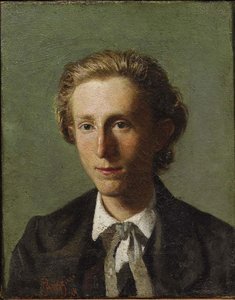
ferdinando ruggieri
1691 - 1741 , Italy
Основные сведения
- Artistic Movement Or Style: Baroque Architecture
- Artists Or Movements Influenced By This Artist:
- Italian Renaissance
- Baroque Architecture
- Artists Who Influenced This Artist: ['Carlo Fontana']
- Date Of Birth: 1691 Florence, Italy
- Date Of Death: 1741 Florence, Italy
- Full Name: Ferdinando Ruggieri
- Nationality: Italian
- Notable Artworks:
- San Lorenzo Campanile
- Santa Felicita Church
- Place Of Birth: Florence, Italy