

 Предпросмотр
 Поделиться
 Поделиться
 Детали произведения

 Скачать
 Похожие работы
 Рентгенография
 Слайд-шоу
 Статистика
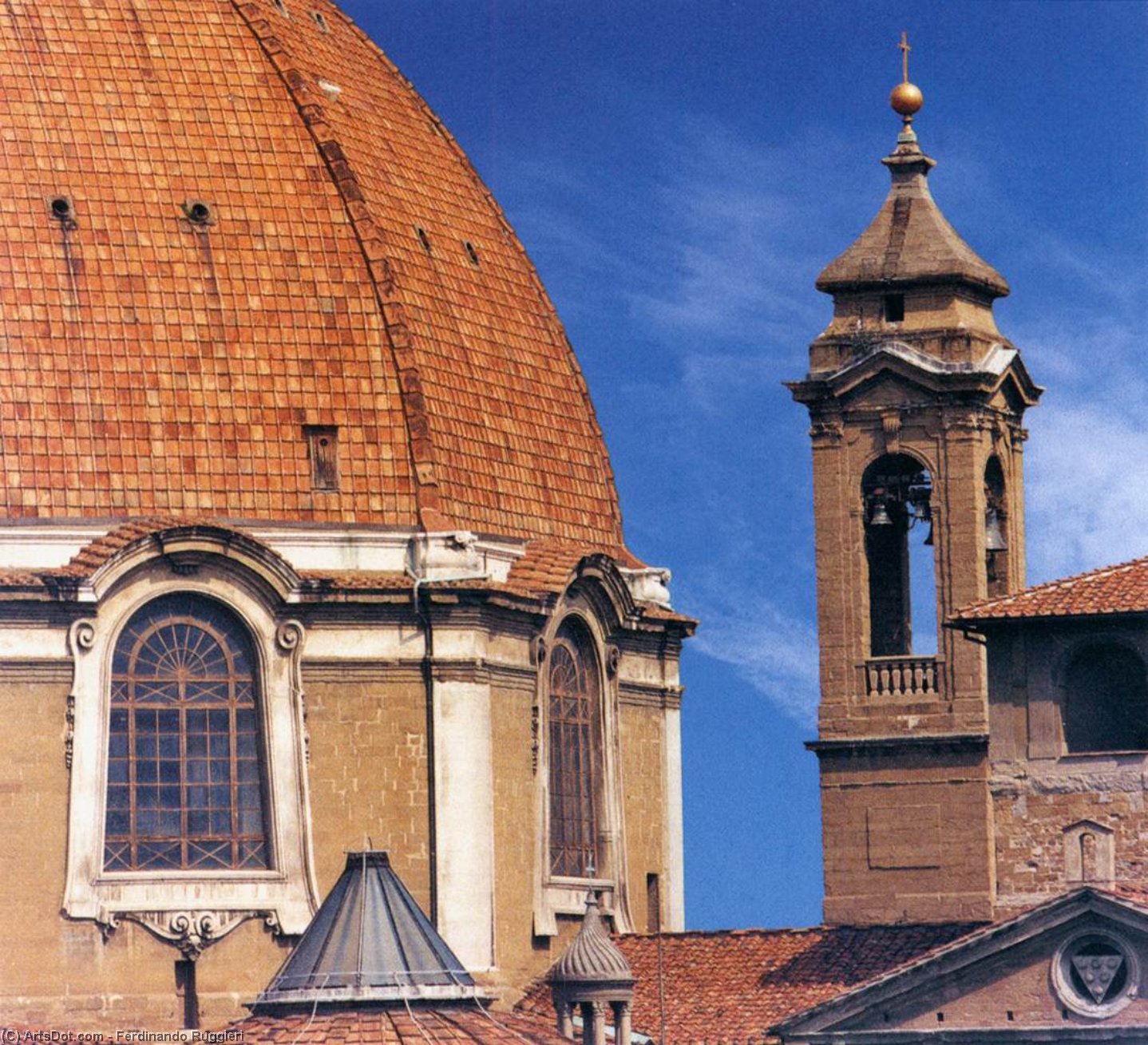
The Bell Tower Of San Lorenzo
 Читать далее
Жикле / Арт-принт
Печать (жикле) или холст музейного качества с быстрыми сроками изготовления и широким выбором вариантов отделки. ( Купить картину ручной работы Перейти к цифровым изображениям)




































Выберите один из наших стандартных размеров, соответствующих оригинальным пропорциям произведения искусства.

Вы можете указать свои собственные размеры, чтобы репродукция идеально подошла под конкретную раму или пространство. Если выбранный вами размер не будет соответствовать пропорциям оригинала, мы либо обрежем произведение, либо дополним изображение зеркальным отражением краев или однотонной заливкой. Перед началом производства вам будет отправлен цифровой макет для утверждения.
Пожалуйста, обратите внимание, что предварительный просмотр на экране не отображает фактическую обрезку или расширение изображения. Только макет точно покажет финальную композицию.
Несмотря на возможность заказа индивидуальных размеров, мы рекомендуем выбирать размер из предопределенного списка, чтобы сохранить оригинальные пропорции.
Доставка по всему миру () за 2 недели вместо стандартных 4/5 недель. (12 Сентябрь)

Бесплатная экспресс-доставка по всему миру

Высококачественный льняной холст

Полное страхование доставки

Гарантия возмещения таможенных пошлин

Гарантия точного соответствия цветов

100-дневная политика возврата (только при обнаружении дефектов)

Гарантия возврата 100% средств

Предложение оптовых скидок
 Вариант со стеклом доступен только для размеров менее 110 см

The Bell Tower Of San Lorenzo
Жикле / Арт-принт
Размер репродукции
-


Итоговая стоимость
$ 62
Похожие произведения
Биография художника
Ferdinando Ruggieri: Architect of Florentine Dreams
Ferdinando Ruggieri (1691-1741) stands as a pivotal, yet often understated, figure in the vibrant tapestry of 18th-century Italian Baroque architecture. Born in Florence during a period of intense artistic and architectural experimentation, Ruggieri’s career was marked by both innovative design and a deep respect for established traditions. While overshadowed by some of his contemporaries, his contributions to the city's skyline – most notably the facades of San Lorenzo and Santa Felicita – solidified his legacy as a master craftsman who shaped the visual identity of Florence during a transformative era. His work represents a fascinating blend of Baroque exuberance tempered with a refined sense of proportion and classical restraint, reflecting the evolving tastes of the time.Early Influences and Apprenticeship
Ruggieri’s artistic journey began in his native Florence, where he received his initial training under Carlo Fontana, a leading architect of the period known for his commitment to classical principles. This early mentorship instilled in Ruggieri a foundational understanding of Roman architectural forms and a desire to integrate them into Italian Baroque design. However, Ruggieri’s style quickly diverged from Fontana's more rigid adherence to antiquity, developing a distinctly Florentine sensibility characterized by dramatic ornamentation, dynamic movement, and an expressive use of light and shadow. Crucially, his time with Fontana provided him with the technical skills – particularly in drawing and design – that would prove invaluable throughout his career. He wasn’t merely a draftsman; he was actively involved in preparing detailed plans and elevations for complex projects, gaining practical experience alongside theoretical knowledge.Key Architectural Achievements
Ruggieri's architectural output is characterized by a remarkable diversity of styles and building types. He contributed significantly to the embellishment of several prominent Florentine churches, most notably the left facade of the Church of San Firenze (1715), a project that showcased his ability to seamlessly blend Baroque dynamism with classical elements. This façade, featuring soaring Corinthian columns and a richly decorated pediment, established Ruggieri’s reputation as a skilled designer capable of creating visually arresting and structurally sound buildings. His work on the Palazzo Capponi in Florence (begun around 1710) further demonstrated his versatility, incorporating intricate detailing and a harmonious balance between ornamentation and architectural form. Perhaps Ruggieri's most enduring legacy lies in his designs for the Church of Santa Felicita (1736-1738). This project represents the culmination of his artistic vision, showcasing his mastery of Baroque principles while simultaneously reflecting the influence of Palladianism. The church’s dramatic facade, with its contrasting marble panels and intricate sculptural program, is a testament to Ruggieri's ability to create a building that is both visually stunning and spiritually evocative. Similarly, his work on the collegiata of Empoli (1738) demonstrated his continued commitment to architectural innovation, while his involvement in remodeling the campanile of San Lorenzo (1740) underscored his importance within the city’s architectural landscape.The Pianta Della Città di Firenze: A Cartographic Masterpiece
Beyond his building commissions, Ruggieri made a significant contribution to Florentine urban planning through his creation of the *Pianta Della Citta Di Firenze* (1731). This meticulously detailed map, considered a landmark achievement in cartography, offered an unprecedented level of accuracy and visual clarity. Ruggieri’s careful observation and artistic skill resulted in a comprehensive depiction of Florence's streets, palaces, gardens, and other key features – a document that would serve as the city’s official map for over 150 years. The map’s creation highlights Ruggieri’s intellectual curiosity and his desire to capture the essence of Florentine urban life.Legacy and Influence
Ferdinando Ruggieri's impact on Florentine architecture extends far beyond the individual buildings he designed. He played a crucial role in shaping the city’s visual identity during a period of significant artistic and cultural change. His work exemplifies the Baroque style at its most refined, blending dramatic ornamentation with classical restraint to create buildings that are both visually stunning and structurally sound. While his name may not be as widely recognized as some of his contemporaries, Ruggieri's contributions continue to resonate in the architectural heritage of Florence, reminding us of the enduring power of a skilled architect’s vision. His legacy is further cemented by his detailed map, a testament to his artistic talent and his understanding of the city he called home.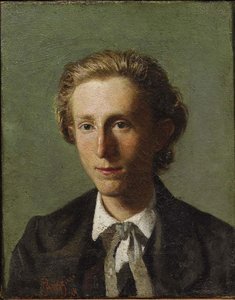
ferdinando ruggieri
1691 - 1741 , Italy
Основные сведения
- Artistic Movement Or Style: Baroque Architecture
- Artists Or Movements Influenced By This Artist:
- Italian Renaissance
- Baroque Architecture
- Artists Who Influenced This Artist: ['Carlo Fontana']
- Date Of Birth: 1691 Florence, Italy
- Date Of Death: 1741 Florence, Italy
- Full Name: Ferdinando Ruggieri
- Nationality: Italian
- Notable Artworks:
- San Lorenzo Campanile
- Santa Felicita Church
- Place Of Birth: Florence, Italy