

 Предпросмотр
 Поделиться
 Поделиться
 Детали произведения

 Скачать
 Похожие работы
 Рентгенография
 Слайд-шоу
 Статистика
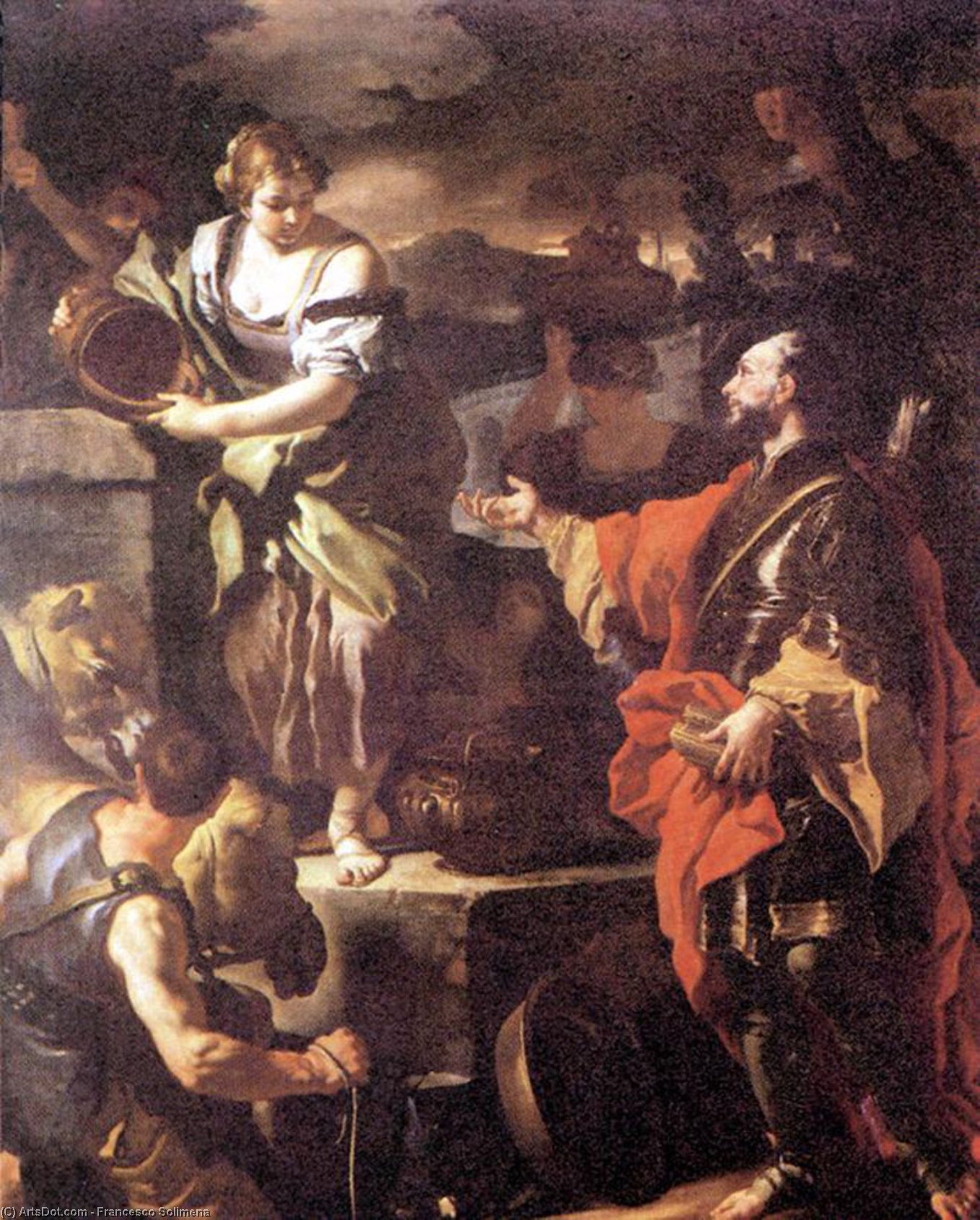
Rebecca and Eleazer
 Acrylic On Canvas
- WallArt
- Baroque
 1710
1710 202.0 x 150.0 cm
 Галереи Академии
 Читать далее
Приобретите цифровое изображение высокого разрешения в улучшенном качестве, которое значительно превосходит онлайн-превью.
Каждый файл тщательно подготавливается нашими специалистами с использованием передовых инструментов и экспертной ручной ретуши. Мы гарантируем исключительную четкость, точную цветопередачу и детальную проработку каждого изображения.
Финальный файл доставляется по электронной почте в течение 72 часов и оптимизирован для немедленного использования в профессиональной среде, при верстке и печати. Это тот же уровень качества, которому доверяют ведущие дизайнерские студии, издательства и галереи.
Цифровое изображение
Скачайте файл высокого разрешения для личного использования, печати и творческих проектов. ( Перейти к печати Купить картину ручной работы)
Включено в каждый заказ цифровых изображений
Гарантия экспертной цифровой доставки
Выбирая ArtsDot.com, вы получаете не просто изображение — вы приобретаете профессионально обработанное цифровое произведение искусства, созданное с безупречной точностью и под защитой гарантии качества. Вот всё, что автоматически входит в ваш заказ:

Мгновенная доставка по e-mail
Ваш цифровой файл в высоком разрешении будет отправлен вам по электронной почте в течение 72 часов после оформления заказа — и сразу станет доступен для использования.

Цифровой файл с ИИ-улучшением
Ваше произведение искусства проходит профессиональную оптимизацию с использованием передовых инструментов ИИ и ручной обработки, что гарантирует максимальную детализацию, четкость и точность цветопередачи.

Бессрочная бесплатная повторная доставка
Случайно удалили или потеряли файл? Не беспокойтесь — мы отправим его вам повторно в любое время и совершенно бесплатно.

Без импортных пошлин — навсегда
Наслаждайтесь вашим произведением искусства мгновенно без таможенных пошлин, сборов или затрат на доставку — цифровые загрузки всегда не облагаются налогом.

Гарантия точности цветопередачи
Мы гарантируем, что ваше цифровое изображение максимально точно передает оригинальные цвета благодаря использованию профессиональных инструментов и систем управления цветом.

Гарантия удовлетворенности 100 дней
Если вы не будете удовлетворены своим цифровым изображением, мы внесем правки или вернем 100% стоимости в течение 100 дней — без лишних вопросов.

100% Гарантия возврата средств
Не удовлетворены покупкой? Получите полный возврат средств в течение 100 дней после получения цифрового файла — без лишних вопросов.

Скидки на оптовые заказы
Купите 3 изображения, сэкономьте 10% — Купите 5, сэкономьте 15% — Купите 10+, сэкономьте 20%. Отличное решение для творческих проектов, галерей и агентств.
Francesco Solimena’s Rebecca and Eleazer: A Symphony of Light and Faith
The painting “Rebecca and Eleazer” by Francesco Solimena stands as a testament to the Baroque aesthetic—a dramatic exploration of faith, familial devotion, and the sublime beauty of human form. Executed around 1710, this monumental canvas captures a pivotal moment in biblical narrative: Rebecca’s unwavering belief in God’s promise to Abraham and Isaac, symbolized by Eleazer, her husband kneeling before her. More than just a depiction of scripture, Solimena's masterpiece embodies the spiritual fervor characteristic of his era and continues to resonate with viewers today.A Masterclass in Baroque Technique
Solimena’s skill as a painter is immediately apparent upon encountering this artwork. He employed a masterful technique known as tenebrismo—a dramatic interplay between light and shadow—to heighten emotional impact and create an atmosphere of profound solemnity. The canvas is bathed in radiant illumination emanating from above, highlighting Rebecca's face and hands while casting Eleazer’s figure into deep darkness. This chiaroscuro effect wasn’t merely stylistic; it served to convey a spiritual truth – the divine light illuminating righteousness and piety amidst earthly obscurity. Solimena meticulously rendered textures with painstaking detail, capturing the folds of drapery and the contours of flesh with remarkable accuracy. The artist's use of color is restrained yet purposeful, favoring warm hues—primarily reds and golds—to emphasize the importance of the scene and imbue it with an aura of majesty.Symbolism Rooted in Biblical Narrative
The composition itself speaks volumes about its underlying symbolism. Rebecca’s posture – upright and resolute – represents unwavering faith and acceptance of God's divine plan. Her hand holding a bowl symbolizes compassion and nurturing—a visual representation of Abraham’s blessing upon Isaac, signifying the continuation of God’s covenant with humanity. Eleazer’s kneeling position underscores humility and devotion, mirroring Abraham’s submission to God’s will. The inclusion of other figures surrounding the couple – attendants dressed in opulent robes – reinforces the grandeur of the biblical narrative and elevates the scene to a realm beyond mere earthly concerns. These individuals represent the support and encouragement offered by the community of believers, highlighting the importance of communal faith.Historical Context: Naples Under Bourbon Rule
“Rebecca and Eleazer” was created during Naples’s reign under Bourbon rule—a period marked by artistic patronage and a revival of classical ideals. Francesco Solimena benefited greatly from the support of Cardinal Vincenzo Orsini, who commissioned numerous artworks intended to glorify God and reaffirm papal authority. This commission reflects the broader cultural landscape of the time, where art served as a vehicle for conveying religious piety and upholding social prestige. The painting aligns perfectly with the Baroque tradition’s penchant for theatrical grandeur and emotional intensity—a stylistic choice that distinguishes it from earlier Renaissance styles. It stands alongside other monumental frescoes commissioned by Orsini in St. Peter's Basilica, demonstrating Solimena’s contribution to the artistic heritage of his time.Emotional Resonance: A Portrait of Spiritual Integrity
Ultimately, “Rebecca and Eleazer” transcends its biblical subject matter to convey a powerful message about human dignity and moral fortitude. The painting captures an exquisite moment of spiritual communion—a testament to the enduring power of faith and devotion. Solimena’s masterful use of light and shadow, combined with his meticulous attention to detail, creates an immersive experience for the viewer, inviting contemplation on themes of righteousness, compassion, and divine grace. It remains a captivating artwork that continues to inspire admiration for its artistic brilliance and profound spiritual significance.Похожие произведения

Биография художника
A Neapolitan Master of Baroque Grandeur
Francesco Solimena, born in the small Italian town of Canale di Serino near Avellino in 1657, emerged as one of the most significant figures in Neapolitan painting during the late Baroque period. His artistic journey began within a family already steeped in artistic tradition; his father, Angelo Solimena, served as his initial instructor, collaborating with him on early projects like the Paradise fresco for the cathedral of Nocera. This foundational experience instilled in young Francesco a deep appreciation for technique and composition – an understanding that would profoundly shape his later work. He further honed his skills under the tutelage of Francesco di Maria and Giacomo del Po, absorbing diverse influences from across Italy, particularly those emanating from Rome and Venice. The patronage of Cardinal Vincenzo Orsini proved crucial, providing encouragement and opportunities that allowed Solimena to establish himself as an independent artist by the 1680s, undertaking increasingly ambitious fresco commissions for prominent churches and palaces throughout Naples.Forging a Style: Echoes of Rome in Neapolitan Splendor
Solimena’s artistic voice is immediately recognizable through its distinctive qualities – a warm, brownish shadowing combined with a dramatic use of light. These elements are deeply indebted to the Roman Baroque masters, particularly Luca Giordano and Giovanni Lanfranco, whose techniques he meticulously studied and adapted. However, Solimena didn't merely imitate; instead, he synthesized these influences into a uniquely Neapolitan aesthetic – a style that retained the grandeur and theatricality characteristic of the Baroque period while simultaneously incorporating local traditions and sensibilities. His paintings are characterized by dynamic compositions brimming with emotional intensity, reflecting the spirit of the age. He possessed an exceptional ability to capture movement and drama within his scenes, drawing viewers directly into the narratives he depicted—whether they were sacred tales or mythological adventures. The influence of Mattia Preti, known for his dramatic lighting and intense color palettes, is also evident in Solimena’s work, adding another layer of complexity to his artistic vocabulary.The Workshop and a School of Artists
From the 1690s onward, Solimena's studio became a dominant force in Naples, shaping the artistic landscape of the city for decades. It wasn’t just a place of production; it was a veritable academy, nurturing a generation of talented painters. His workshop churned out an astonishing volume of work – altarpieces, frescoes, and canvases that adorned churches, palaces, and private residences throughout the region. A key characteristic of his compositional approach involved suggesting settings with minimal detail—a few strategically placed steps, archways, or balustrades—allowing the viewer’s eye to be drawn directly to the figures within the scene and their richly detailed draperies. These draperies were often illuminated by carefully positioned light sources, creating a sense of drama and highlighting the figures' emotional states. The influence of Solimena extended far beyond his own artistic creations; he mentored numerous pupils who went on to become prominent artists in their own right – including Francesco de Mura, Giuseppe Bonito, Pietro Capelli, and Corrado Giaquinto—solidifying his position as a central figure in 18th-century Italian art.Major Works and Artistic Themes
Francesco Solimena’s artistic output spanned a wide range of subjects and formats. He excelled in large-scale fresco cycles, transforming the interiors of Neapolitan churches and palaces into vibrant displays of religious fervor and aristocratic splendor. His altarpieces are particularly noteworthy for their ability to convey complex theological narratives with both emotional depth and technical brilliance. Beyond his religious works, Solimena also demonstrated a mastery of mythological scenes, imbuing classical tales with dramatic energy and sensuous beauty. Among his most celebrated pieces is the *Allegory of Rule*, currently housed in the State Hermitage Museum in St. Petersburg – a testament to his skill in allegorical representation and sophisticated composition. His depictions of weddings and courtly events further showcase his versatility, capturing the elegance and opulence of Neapolitan society. Works like “St John the Baptist” and “The Assumption and Coronation of the Virgin” exemplify his mastery of chiaroscuro and dynamic compositions.Legacy and Historical Significance
Francesco Solimena’s impact extended far beyond his own artistic creations. He achieved considerable financial prosperity during his lifetime, being bestowed with the title of baron and living a life commensurate with his fame. He died in 1747 at Barra, near Naples, leaving behind an enduring legacy that continues to be celebrated through exhibitions, scholarly studies, and reproductions available today. Solimena stands as one of the most important figures in Neapolitan Baroque painting, successfully synthesizing Roman influences with local traditions to create a distinctive style that defined artistic production in Naples for generations. His works remain admired for their dramatic flair, technical mastery, and enduring beauty – a testament to his genius and lasting contribution to art history.
Франческо Солимена
1657 - 1747 , Италия
Основные сведения
- Artistic Movement Or Style: Барокко
- Artists Or Movements Influenced By This Artist:
- Франческо де Мура
- Жозе де Рибера
- Artists Who Influenced This Artist:
- Лука Джордано
- Джованни Лафранкьо
- Date Of Birth: 4 октября 1657 г.
- Date Of Death: 3 апреля 1747 г.
- Full Name: Francesco Solimena
- Nationality: Итальянский
- Notable Artworks:
- Аллегория власти
- Фрески Неаполя
- Святой Иоанн Креститель
- Place Of Birth: Канале ди Серино, Италия