

 Предпросмотр
 Поделиться
 Поделиться
 Детали произведения

 Скачать
 Похожие работы
 Рентгенография
 Слайд-шоу
 Статистика
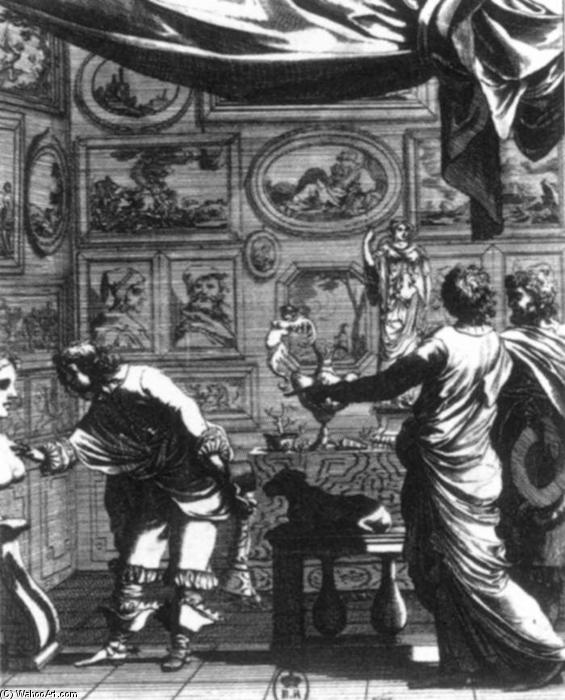
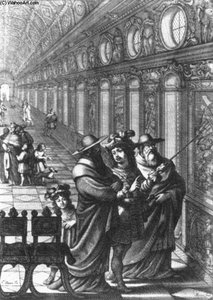
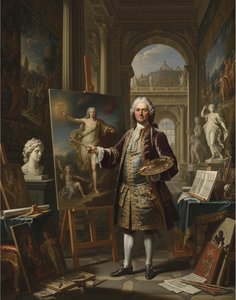
Frontispiece to 'Cabinet de M. de Scudéry'


 Читать далее
Масляная репродукция ручной работы
Картина маслом на холсте в выбранном вами размере и раме, написанная на заказ нашими художниками. ( Перейти к печати Перейти к цифровым изображениям)




P118B $10

P118H $10

P118W $10

P438Z $10

P508JH $12

P508YH $12

P805H $10

P805Z $10

P919BZ $10

P919G $10

P919XJ $10

P959ZH $10

P968JZ $12

W106C $8

W218G $10

W218JH $8

W218Y $10

W307PJ $10

W316G $10

W316PJ $8

W316Y $10

W398PJ $8

W4111J $10

W500HY $15

W500JH $15

W692G $12

W849H $8

W940BG $15

W953PJ $8




Выберите один из наших стандартных размеров, соответствующих оригинальным пропорциям произведения искусства.

Вы можете указать собственные размеры, чтобы картина идеально вписалась в выбранную раму или пространство. Если выбранный вами размер не соответствует пропорциям оригинала, мы либо обрежем полотно, либо расширим его за счет дополнительных элементов, написанных вручную. Цифровой макет будет отправлен вам на утверждение перед началом производства.
Обратите внимание, что предварительный просмотр на экране не отражает фактическую обрезку или расширение. Только макет точно покажет окончательную композицию.
Хотя доступны индивидуальные размеры, мы рекомендуем выбирать вариант из предопределенного списка, чтобы сохранить исходные пропорции.
После оформления заказа команда ArtsDot.com свяжется с клиентом по электронной почте для уточнения деталей и предоставит предварительный макет
Доставка по всему миру () за 3–4 недели вместо стандартных 5 недель. (10 Сентябрь). Без компромиссов в качестве.

Бесплатная экспресс-доставка по всему миру

Высококачественный льняной холст

Полное страхование доставки

Гарантия возмещения таможенных пошлин

Гарантия точного соответствия цветов

100-дневная политика возврата (только при обнаружении дефектов)

Гарантия возврата 100% средств

Предложение оптовых скидок
 Вариант со стеклом доступен только для размеров менее 110 см

Frontispiece to 'Cabinet de M. de Scudéry'
Техника репродукции
Размер репродукции
-


Итоговая стоимость
$ 413
Frontispiece to ‘Cabinet de M. de Scudéry’ – A Window Into Baroque Parisian Society
The engraving “Frontispiece to ‘Cabinet de M. de Scudéry’” by François Chauveau, executed in 1646, stands as a remarkable testament to the artistic fervor and intellectual curiosity of seventeenth-century France. More than just an illustration for François Chauveau’s influential novel, it's a meticulously crafted tableau capturing the essence of aristocratic life and scholarly discourse within the opulent halls of Parisian salons—a scene frozen in time by Chauveau’s masterful hand.Composition and Detail: A Symphony of Lines and Light
The artwork immediately draws the eye into a densely populated interior room dominated by grand architectural features – towering curtains, ornate frames surrounding paintings, and walls adorned with decorative panels. At its core lies a group of figures engaged in animated conversation around a table laden with objects of prestige: books, sculptures, and perhaps even musical instruments. Chauveau’s genius shines through in his painstaking attention to detail; fine lines delineate the folds of drapery, sculptors' faces, and architectural moldings with astonishing precision. Cross-hatching skillfully renders shading and texture, particularly on surfaces like velvet curtains and marble statues, creating a palpable sense of depth and materiality. Linear perspective guides the viewer’s gaze towards a vanishing point subtly positioned in the background, reinforcing the illusion of space and enhancing the dramatic impact of the composition.Technique: The Art of Engraving – Precision and Texture
Chauveau employed the technique of engraving—a process involving incising lines into a metal plate (typically copper or steel)—to achieve this breathtaking level of realism. Ink is applied to the surface of the plate, transferring the engraved lines onto paper during printing. This method demanded exceptional skill and patience, resulting in images characterized by unparalleled clarity and textural richness. The artist’s meticulous control over line quality—combined with the skillful use of hatching—allowed him to convey not only visual accuracy but also a profound understanding of how light interacts with surfaces, imbuing the artwork with an atmospheric luminescence that transcends mere representation.Symbolism: Knowledge, Status, and Artistic Patronage
Beyond its aesthetic beauty, “Frontispiece to ‘Cabinet de M. de Scudéry’” carries significant symbolic weight. The prominent figures seated at the table represent the intellectual elite of the era—writers, poets, and philosophers—engaged in spirited debate and exchanging ideas. One figure holds a book – a potent emblem of learning and erudition – symbolizing Chauveau’s own dedication to scholarly pursuits. The gesture of another participant suggests an invitation to contemplate or share insights, reflecting the importance of dialogue and intellectual exchange within aristocratic circles. Furthermore, the artwork serves as a visual declaration of patronage; it showcases the lavish décor favored by wealthy aristocrats who commissioned artists like Chauveau to elevate their social standing and celebrate their cultural achievements.A Legacy of Baroque Elegance
“Frontispiece to ‘Cabinet de M. de Scudéry’” exemplifies the stylistic hallmarks of the French Baroque period—characterized by grandeur, dynamism, and a fervent embrace of illusionism. Chauveau’s work embodies the artistic ideals of his time, demonstrating an unwavering commitment to capturing both visual accuracy and emotional resonance. It remains a captivating glimpse into the cultural landscape of 1646 Paris, inviting viewers to appreciate not only its technical brilliance but also its profound reflection on human intellect and aristocratic aspiration—a timeless masterpiece that continues to inspire admiration for centuries later.Похожие произведения
Биография художника
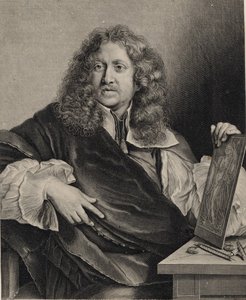
François Chauveau: Life and Legacy
Early Life and Education
Born in Paris in 1613, François Chauveau was the second son of Lubin Chauveau, a nobleman of modest means, and Marguerite de Fleurs. Despite his family’s limited financial resources, Chauveau received an artistic education, beginning his studies in the studio of Laurent de La Hyre. This foundational training proved crucial to his development as both a painter and, more notably, an engraver.
Artistic Development and Style
Chauveau quickly specialized in etching, demonstrating a natural talent for the intricate detail required by this medium. His style is characteristic of the French Baroque period – elegant, refined, and often imbued with a sense of narrative drama. While he also worked as a painter, it was his engravings that brought him widespread recognition.
Royal Patronage and Recognition
Chauveau’s talent did not go unnoticed by the French court. In 1662, Louis XIV bestowed upon him the title of Graveur du Roi (King's Engraver), along with a pension – a testament to his skill and importance. This royal patronage solidified his position within the artistic establishment. Further recognition came in 1663 when he was made a counsellor to the Académie royale de peinture et de sculpture, becoming the first printmaker admitted to this prestigious institution.
Major Works and Illustrations
Chauveau’s prolific output included nearly 1,600 works, encompassing frontispieces, vignettes, and most significantly, illustrations for numerous literary masterpieces. He is particularly celebrated for his work with:
- Mademoiselle de Scudéry: Chauveau engraved the iconic Map of Tendre and the frontispiece for her extensive novel, Artamène.
- Paul Scarron: He provided illustrations for Scarron’s comedic works.
- Molière, Racine & Boileau: Chauveau contributed his artistic talents to editions of plays and poems by these literary giants.
- Jean de La Fontaine: Perhaps his most famous collaboration was with La Fontaine, for whom he illustrated the first six books of Fables.
Influences and Legacy
Chauveau’s work demonstrates a clear influence from his teacher, Laurent de La Hyre. He, in turn, influenced a generation of engravers, including Nicolas Guérard, Jean-Baptiste Broebes, and Edward Davies.. His ability to capture both the grandeur of courtly life and the intimacy of literary narratives established him as one of the leading French engravers of his time. He was cited by Charles Perrault in his “Hommes illustres” as one of four prominent French engravers, solidifying his place in art history.
Death and Historical Significance
François Chauveau passed away in Paris in 1676. His legacy endures through the exquisite detail and narrative power of his engravings, which continue to offer valuable insights into 17th-century French art, literature, and culture.
françois chauveau
1613 - 1676 , France
Основные сведения
- Birth Date: 1613-05-10
- Birth Place: Paris, France
- Death Date: 1676-02-03
- Influenced: Nicolas Guérard, Jean-Baptiste Broebes, Edward Davies
- Influenced By: Laurent de La Hyre
- Movement: Baroque
- Name: François Chauveau
- Nationality: French
- Notable Works: Illustrations for Artamène, Map of Tendre, La Fontaine's Fables
Похожие статьи
10 шедевров гравюры, изменивших искусство навсегда | ArtsDot
Откройте для себя 10 легендарных шедевров гравюры от Дюрера, Гойи и Рембрандта! Узнайте историю создания этих культовых работ и их влияние на искусство. Репродукции высокого качества для вашего интерьера – ArtsDot.
Decoding Baroque Grandeur: A Guide to the Drama and Emotion of 17th-Century Art
Explore the breathtaking drama of 17th-century Baroque art. Our expert guide decodes the use of chiaroscuro, emotional intensity, and historical grandeur to help you appreciate and curate timeless masterpieces for your collection.
Simon Vouet: A Baroque Master's Journey from Italian Influence to French Classicism
Explore the life & art of Simon Vouet, a pivotal French Baroque painter who introduced Italian styles to France. Discover his masterpieces and lasting influence on 17th-century art.
Engraving: A Historical Survey of Technique, Artistic Expression & Enduring Legacy
Explore the rich history of engraving with ArtsDot. Discover techniques, iconic artists like Dürer & Callot, collecting tips, and expert guidance for preserving your art investment. Learn about intaglio printing & more!
Charles Le Brun: Master of French Baroque Classicism & His Enduring Legacy
Explore the life & art of Charles Le Brun, master of French Baroque Classicism. Discover his royal commissions, influence on Versailles, and enduring legacy through detailed analysis & stunning artworks.