

 Поделиться
 Поделиться
 Детали произведения

 Скачать
 Похожие работы
 Слайд-шоу
 Статистика
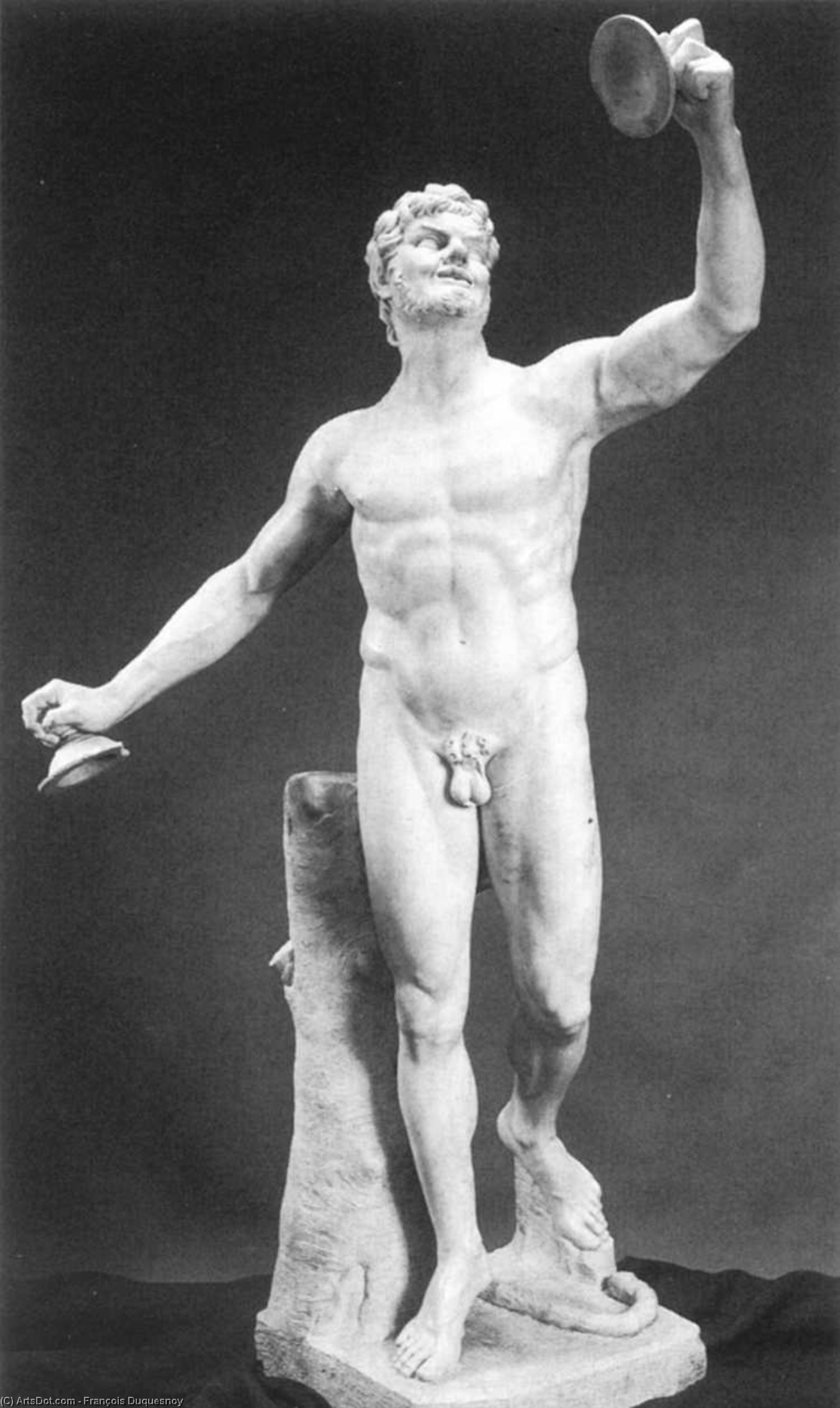
Rondanini Faun


 Читать далее
Приобретите цифровое изображение высокого разрешения в улучшенном качестве, которое значительно превосходит онлайн-превью.
Каждый файл тщательно подготавливается нашими специалистами с использованием передовых инструментов и экспертной ручной ретуши. Мы гарантируем исключительную четкость, точную цветопередачу и детальную проработку каждого изображения.
Финальный файл доставляется по электронной почте в течение 72 часов и оптимизирован для немедленного использования в профессиональной среде, при верстке и печати. Это тот же уровень качества, которому доверяют ведущие дизайнерские студии, издательства и галереи.
Цифровое изображение
Скачайте файл высокого разрешения для личного использования, печати и творческих проектов. ( Перейти к печати Купить картину ручной работы)
Включено в каждый заказ цифровых изображений
Гарантия экспертной цифровой доставки
Выбирая ArtsDot.com, вы получаете не просто изображение — вы приобретаете профессионально обработанное цифровое произведение искусства, созданное с безупречной точностью и под защитой гарантии качества. Вот всё, что автоматически входит в ваш заказ:

Мгновенная доставка по e-mail
Ваш цифровой файл в высоком разрешении будет отправлен вам по электронной почте в течение 72 часов после оформления заказа — и сразу станет доступен для использования.

Цифровой файл с ИИ-улучшением
Ваше произведение искусства проходит профессиональную оптимизацию с использованием передовых инструментов ИИ и ручной обработки, что гарантирует максимальную детализацию, четкость и точность цветопередачи.

Бессрочная бесплатная повторная доставка
Случайно удалили или потеряли файл? Не беспокойтесь — мы отправим его вам повторно в любое время и совершенно бесплатно.

Без импортных пошлин — навсегда
Наслаждайтесь вашим произведением искусства мгновенно без таможенных пошлин, сборов или затрат на доставку — цифровые загрузки всегда не облагаются налогом.

Гарантия точности цветопередачи
Мы гарантируем, что ваше цифровое изображение максимально точно передает оригинальные цвета благодаря использованию профессиональных инструментов и систем управления цветом.

Гарантия удовлетворенности 100 дней
Если вы не будете удовлетворены своим цифровым изображением, мы внесем правки или вернем 100% стоимости в течение 100 дней — без лишних вопросов.

100% Гарантия возврата средств
Не удовлетворены покупкой? Получите полный возврат средств в течение 100 дней после получения цифрового файла — без лишних вопросов.

Скидки на оптовые заказы
Купите 3 изображения, сэкономьте 10% — Купите 5, сэкономьте 15% — Купите 10+, сэкономьте 20%. Отличное решение для творческих проектов, галерей и агентств.
Introduction
The Rondanini Faun is a marble sculpture by Flemish artist François Duquesnoy, located in the British Museum in London. Completed between 1625 and 1630, this masterpiece of Baroque restoration showcases Duquesnoy's skill in completing antique statues with a contemporary style.Background
The Rondanini Faun was built on an ancient torso, which Duquesnoy completed with new limbs and a head. The statue takes its name from the Palazzo Rondanini in Rome, where it was once kept. In 17th-century restoration of antique statues, the latter were often imbued with Baroque style by the contemporary sculptor who completed the opus. Albeit not excessively so, the Rondanini is no exception, its broad movement being proof thereof.Description
The Rondanini Faun depicts a faun in mid-action, up on the toes of his right foot with his left foot lifted, both arms extended and head raised, as if he had just leapt and struck the cymbals he is holding. Duquesnoy's completion of antiques was acclaimed in Rome as 'absolutely perfect,' and the broad movement of the faun is a sign of the Baroque influence in his day.Significance
The Rondanini Faun is an important example of Baroque restoration, showcasing Duquesnoy's skill in completing antique statues with a contemporary style. The statue's broad movement and dynamic pose make it a standout piece in the British Museum's collection.Conclusion
The Rondanini Faun by François Duquesnoy is a masterpiece of Baroque restoration, showcasing the artist's skill in completing antique statues with a contemporary style. Located in the British Museum, this sculpture is an important example of the Baroque era and a must-see for art enthusiasts.Visit Us
Interested in seeing the Rondanini Faun and other masterpieces up close? Visit our website ArtsDot.com to learn more about our hand-made oil painting reproductions, created by our team of expert artists.References
Похожие произведения
Биография художника
François Duquesnoy: A Flemish Sculptor in Rome
- Born: Nettuno, Italy (1597)
- Died: 1643
Early Life and Training
- François duquesnoy, also known as Frans Duquesnoy, was born in Brussels. His father, Jérôme duquesnoy the elder, served as the court sculptor to Archduchess Isabella and Archduke Albert.
- Duquesnoy received his early training in Brussels, demonstrating talent that attracted the attention of the archduke.
- The archduke provided financial support for Duquesnoy to study in Rome, where he would spend the majority of his career.
- Upon arriving in Rome around 1618, Duquesnoy meticulously studied antique sculpture, famously climbing over the equestrian Marcus Aurelius to understand its construction.
Artistic Style and Influences
- Duquesnoy's style is characterized by a classicized approach, often contrasted with the more emotional and theatrical works of Gian Lorenzo Bernini.
- He showed greater affinity for Alessandro Algardi’s sculptures.
- Contemporary critics, like Giovanni Bellori, praised Duquesnoy's ability to restore contemporary sculpture to the quality of ancient Roman sculpture.
- Nicolas Poussin, a fellow expatriate artist, shared Duquesnoy's classicized and emotionally detached style, and they lived together in Rome for a time.
- Duquesnoy collaborated with Bernini on several projects, including designs for angels offering garlands at St. Peter’s Basilica.
Major Works and Achievements
- Santa Susanna (1629): Considered one of Duquesnoy's masterpieces, this sculpture depicts the saint with a balance of modesty and revealing draperies, earning high praise from Bellori. A marble copy resides in the Louvre.
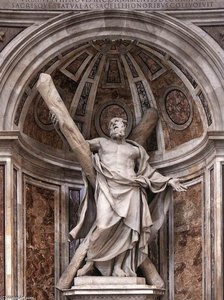
- St. Andrew (1629-33): This larger-than-life statue adorns St. Peter’s Basilica, showcasing Duquesnoy's restrained style compared to Bernini and Francesco Mochi's contributions.
- Rondanini Faun: An early work demonstrating his skill in expanding upon antique torsos, though later criticized by neoclassicists. Now located at the British Museum.
- Apollo and Cupid: A notable sculpture showcasing mythological themes.
- Mercury: Another significant work displaying Duquesnoy's talent for depicting classical figures.
Historical Significance
- Duquesnoy played a crucial role in the Roman Baroque art scene, offering an alternative to Bernini’s dramatic style with his more restrained and classicized approach.
- Cardinal Richelieu offered him the position of royal sculptor in France, aiming to establish a royal academy of sculpture in Paris, though Duquesnoy died before he could take up the post.
- His work influenced subsequent generations of sculptors and contributed to the development of Neoclassical art.
- Bellori's high praise solidified his reputation as a restorer of classical ideals in sculpture.

François Duquesnoy
1597 - 1643 , Italy
Основные сведения
- Artistic Movement Or Style: Baroque sculpture
- Artists Who Influenced This Artist: ['Nicolas Poussin']
- Date Of Birth: 1597
- Date Of Death: 1643
- Full Name: François Duquesnoy
- Nationality: Flemish
- Notable Artworks:
- Rondanini Faun
- St Susanna
- St Andrew
- Victory of Sacred Love
- Bacchanalia of Putti
- Place Of Birth: Nettuno, Italy