


 Поделиться
 Поделиться
 Детали произведения

 Скачать
 Похожие работы
 Слайд-шоу
 Статистика
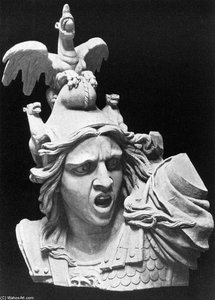
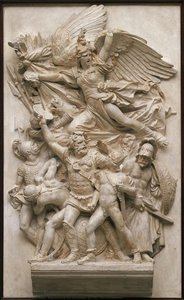
March of the Volunteers of 1792 (detail)


 Читать далее
Приобретите цифровое изображение высокого разрешения в улучшенном качестве, которое значительно превосходит онлайн-превью.
Каждый файл тщательно подготавливается нашими специалистами с использованием передовых инструментов и экспертной ручной ретуши. Мы гарантируем исключительную четкость, точную цветопередачу и детальную проработку каждого изображения.
Финальный файл доставляется по электронной почте в течение 72 часов и оптимизирован для немедленного использования в профессиональной среде, при верстке и печати. Это тот же уровень качества, которому доверяют ведущие дизайнерские студии, издательства и галереи.
Цифровое изображение
Скачайте файл высокого разрешения для личного использования, печати и творческих проектов. ( Перейти к печати Купить картину ручной работы)
Включено в каждый заказ цифровых изображений
Гарантия экспертной цифровой доставки
Выбирая ArtsDot.com, вы получаете не просто изображение — вы приобретаете профессионально обработанное цифровое произведение искусства, созданное с безупречной точностью и под защитой гарантии качества. Вот всё, что автоматически входит в ваш заказ:

Мгновенная доставка по e-mail
Ваш цифровой файл в высоком разрешении будет отправлен вам по электронной почте в течение 72 часов после оформления заказа — и сразу станет доступен для использования.

Цифровой файл с ИИ-улучшением
Ваше произведение искусства проходит профессиональную оптимизацию с использованием передовых инструментов ИИ и ручной обработки, что гарантирует максимальную детализацию, четкость и точность цветопередачи.

Бессрочная бесплатная повторная доставка
Случайно удалили или потеряли файл? Не беспокойтесь — мы отправим его вам повторно в любое время и совершенно бесплатно.

Без импортных пошлин — навсегда
Наслаждайтесь вашим произведением искусства мгновенно без таможенных пошлин, сборов или затрат на доставку — цифровые загрузки всегда не облагаются налогом.

Гарантия точности цветопередачи
Мы гарантируем, что ваше цифровое изображение максимально точно передает оригинальные цвета благодаря использованию профессиональных инструментов и систем управления цветом.

Гарантия удовлетворенности 100 дней
Если вы не будете удовлетворены своим цифровым изображением, мы внесем правки или вернем 100% стоимости в течение 100 дней — без лишних вопросов.

100% Гарантия возврата средств
Не удовлетворены покупкой? Получите полный возврат средств в течение 100 дней после получения цифрового файла — без лишних вопросов.

Скидки на оптовые заказы
Купите 3 изображения, сэкономьте 10% — Купите 5, сэкономьте 15% — Купите 10+, сэкономьте 20%. Отличное решение для творческих проектов, галерей и агентств.
The Rousing Spirit of Revolution: François Rude’s *March of the Volunteers of 1792*
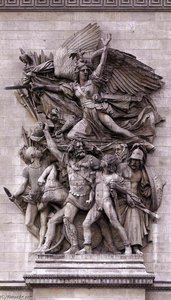
François Rude's *March of the Volunteers of 1792*, often referred to as *La Marseillaise*, is more than just a sculpture; it’s a visceral embodiment of revolutionary fervor and a cornerstone of French artistic identity. Created in 1836 for the Arc de Triomphe, an ambitious project intended to celebrate France's military triumphs, Rude masterfully harnessed the power of classical allegory to capture the spirit of the tumultuous year 1792 – a period defined by citizen armies, patriotic zeal, and the fight for liberty. The work’s enduring appeal lies not only in its dramatic scale but also in its profound ability to evoke both the urgency and the idealism of that pivotal moment in French history.
Rude, born in Dijon in 1784, possessed a keen understanding of artistic trends, moving from Neoclassicism to Romanticism. His early training under François Devosges instilled a respect for classical forms, yet he quickly developed a distinctive style characterized by dynamic movement and emotional intensity. His time in Brussels, marked by his marriage to Sophie Frémiet – herself a talented painter – provided fertile ground for experimentation and the development of his signature approach. This period saw him create a bust of Louis David, establishing his reputation as a sculptor capable of capturing both grandeur and psychological depth.
A Symphony of Movement: Technique and Composition
The sculpture’s impact is immediately felt through its monumental scale – originally intended to be even larger before being scaled down for the Arc de Triomphe. Rude employed a technique that seamlessly blends classical influences with Romantic dynamism. The figures, rendered in meticulously carved marble, are not static representations but rather caught in a moment of intense action. Observe how he uses contrapposto—a subtle shift in weight—to create a sense of naturalism and movement within the rigid forms. The composition is carefully orchestrated: a surging wave of humanity propelled forward by a female figure embodying Liberty herself. This central allegorical figure, depicted with powerful wings and a Phrygian cap – a symbol of freedom adopted during the Roman Republic – dominates the scene, her outstretched hand urging the volunteers onward.
Notice the details—the varied ages and social classes represented within the throng, the determined expressions on their faces, and the archaic weaponry they carry. Rude deliberately incorporates elements from antiquity, referencing the heroic figures of classical mythology to imbue the contemporary scene with a sense of timeless significance. The use of light and shadow further enhances the sculpture’s dramatic effect, highlighting key figures and creating a palpable sense of energy.
Symbolism and Historical Context
*La Marseillaise* is deeply rooted in the events of 1792, a year marked by significant political upheaval. The French Revolution had overthrown the monarchy, and France was embroiled in war against European powers seeking to restore the Bourbon dynasty. The “Volunteers” depicted are citizens answering the call to arms, driven by a fervent desire for liberty and national unity. The choice of a female figure representing Liberty is particularly striking; it reflects the revolutionary ideals that championed equality and popular sovereignty.
Crucially, the sculpture’s placement on the Arc de Triomphe was deliberately designed to resonate with both Republican and Royalist factions. The work's powerful imagery appealed to all segments of French society, embodying a shared commitment to national pride and the defense of the Republic. The song *La Marseillaise*, which inspired the sculpture’s title, became France’s national anthem, further cementing its place in the nation’s cultural consciousness.
Emotional Resonance and Enduring Legacy
Beyond its historical significance, *March of the Volunteers of 1792* possesses a profound emotional resonance. The sculpture captures the raw energy of revolution—the courage, determination, and sacrifice that fueled France's struggle for liberty. It’s a testament to the power of collective action and the enduring appeal of ideals such as freedom, equality, and fraternity.
Today, *La Marseillaise* remains one of the most recognizable and beloved works of French art. Its powerful imagery continues to inspire generations, serving as a potent reminder of France’s revolutionary past and its commitment to democratic values. Reproductions of this iconic sculpture are highly sought after by collectors and interior designers alike, offering a tangible connection to a pivotal moment in European history.
Похожие произведения
Биография художника
Early Life and Training
- François Rude was born in Dijon, France, on January 4, 1784, the son of a coppersmith/locksmith.
- His early life involved assisting his father's trade before demonstrating artistic talent.
- He attended François Devosges’s École de Dessin in Dijon, showcasing his burgeoning skills.
- Under the patronage of Louis Frémiet, he began studying with Pierre Cartellier in Paris at the studio of Edme Gaulle in 1805.
- In 1809, his work started gaining recognition, earning him several awards.
- He won the Prix de Rome in 1812 but was unable to travel due to political conditions.
Brussels Period and Marriage
- In 1815, Rude left Paris for Rome but ended up in Brussels with the Frémiets due to political circumstances.
- He married Sophie Frémiet, an accomplished painter, forming a formidable artistic partnership.
- While in Brussels, he executed his first bust of Louis David, gaining significant notice.
Return to Paris and Major Works
- Rude and his wife returned to Paris in 1827, where they remained until his death.
- His notable works include the statue of a Neapolitan Fisherboy Playing with a Tortoise (1831-33), displayed at the Louvre.
- He was commissioned for the Arc de Triomphe, creating the iconic sculpture "La Marseillaise" (Departure of the Volunteers of 1792) completed in 1836. This is arguably his most famous and significant work.
- Other important sculptures include:
- Bust of Jacques-Louis David
- Statue of Maurice, Count of Saxony
- Head of Christ (plaster cast)
- Bust of James de Montry
- Towards the end of his career, Dijon commissioned a marble sculpture depicting Hebe, the Greek goddess of youth. Rude created the model in 1852 but died before its completion; his nephew finished it.
Style and Influences
- Rude's style bridged Neoclassicism and Romanticism.
- While initially influenced by Neoclassical principles, he increasingly embraced a dynamic and emotional style.
- His work often expressed patriotic themes, reflecting the political climate of his time.
- He was influenced by earlier sculptors like Pierre Cartellier and Edme Gaulle.
- The patronage of Louis Frémiet played a crucial role in his early development.
Later Life and Legacy
- François Rude died on November 3, 1855, in Paris.
- He is remembered for his powerful and expressive sculptures, particularly "La Marseillaise," which remains a symbol of French national identity.
- His work represents a transition from the rigid formality of Neoclassicism to the more emotive and dramatic style of Romanticism.
- Numerous busts and casts of his works are housed in museums such as Musée Rude, Musée des Beaux-Arts de Dijon, and the Louvre.
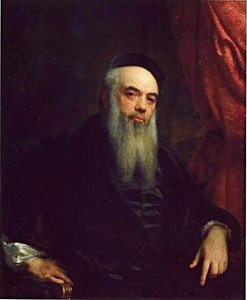
françois rude
1784 - 1855 , France
Основные сведения
- Artistic Movement Or Style: Neoclassicism & Romanticism
- Artists Who Influenced This Artist:
- Edme Gaulle
- Pierre Cartellier
- Date Of Birth: January 4, 1784
- Date Of Death: November 3, 1855
- Full Name: François Rude
- Nationality: French
- Notable Artworks:
- La Marseillaise
- Napoleon Rising to Immortality
- Head of an Ancient Warrior
- Place Of Birth: Dijon, France