

 Предпросмотр
 Поделиться
 Поделиться
 Детали произведения

 Скачать
 Похожие работы
 Рентгенография
 Слайд-шоу
 Статистика
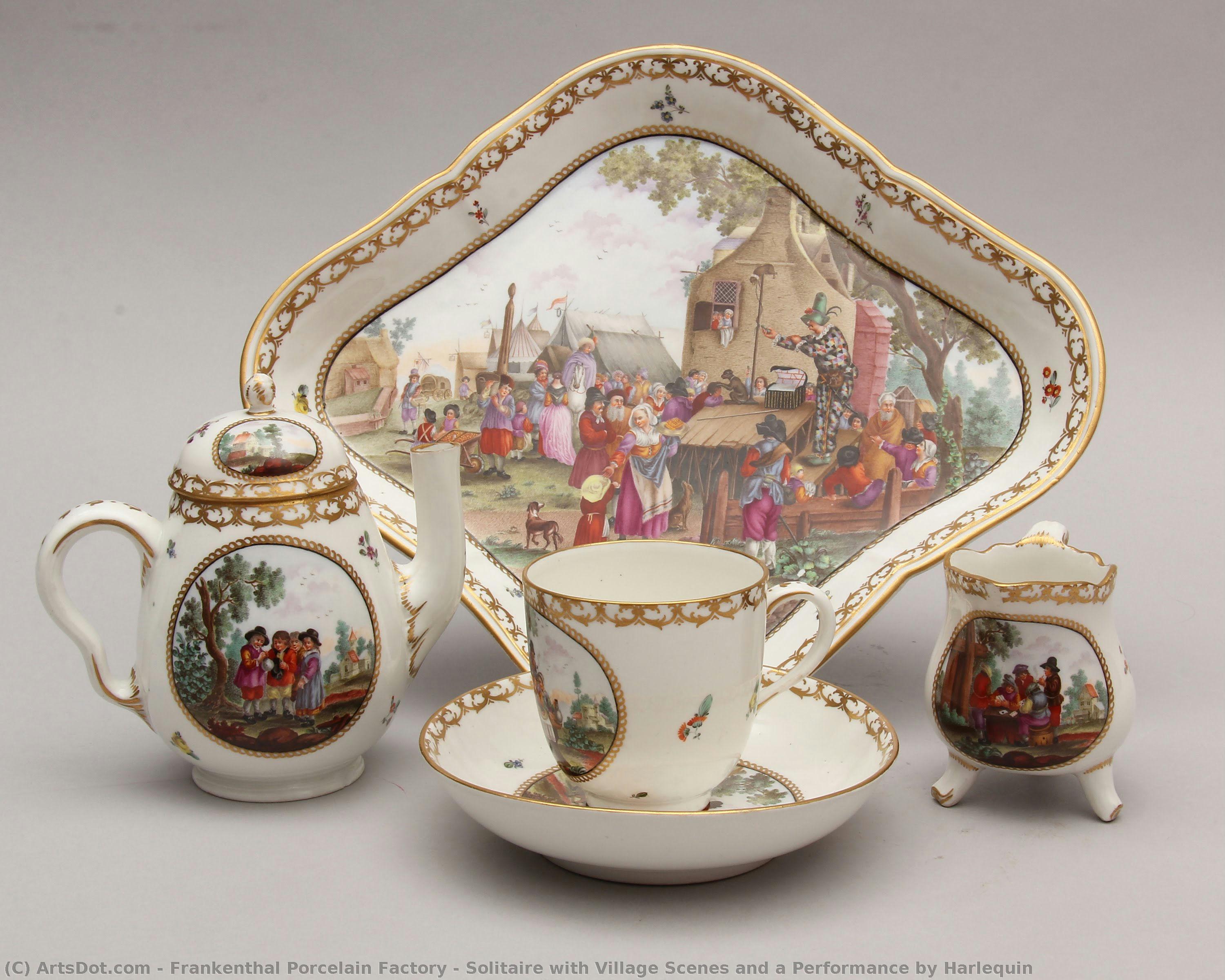
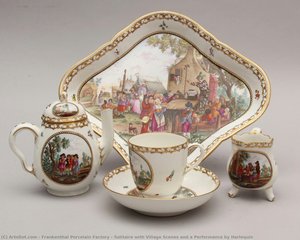
Solitaire with Village Scenes and a Performance by Harlequin
 Rococo
 1770
1770 3.0 x 29.0 cm
 Gardiner Museum of Ceramic Art
 Читать далее
Приобретите цифровое изображение высокого разрешения в улучшенном качестве, которое значительно превосходит онлайн-превью.
Каждый файл тщательно подготавливается нашими специалистами с использованием передовых инструментов и экспертной ручной ретуши. Мы гарантируем исключительную четкость, точную цветопередачу и детальную проработку каждого изображения.
Финальный файл доставляется по электронной почте в течение 72 часов и оптимизирован для немедленного использования в профессиональной среде, при верстке и печати. Это тот же уровень качества, которому доверяют ведущие дизайнерские студии, издательства и галереи.
Цифровое изображение
Скачайте файл высокого разрешения для личного использования, печати и творческих проектов. ( Перейти к печати Купить картину ручной работы)
Включено в каждый заказ цифровых изображений
Гарантия экспертной цифровой доставки
Выбирая ArtsDot.com, вы получаете не просто изображение — вы приобретаете профессионально обработанное цифровое произведение искусства, созданное с безупречной точностью и под защитой гарантии качества. Вот всё, что автоматически входит в ваш заказ:

Мгновенная доставка по e-mail
Ваш цифровой файл в высоком разрешении будет отправлен вам по электронной почте в течение 72 часов после оформления заказа — и сразу станет доступен для использования.

Цифровой файл с ИИ-улучшением
Ваше произведение искусства проходит профессиональную оптимизацию с использованием передовых инструментов ИИ и ручной обработки, что гарантирует максимальную детализацию, четкость и точность цветопередачи.

Бессрочная бесплатная повторная доставка
Случайно удалили или потеряли файл? Не беспокойтесь — мы отправим его вам повторно в любое время и совершенно бесплатно.

Без импортных пошлин — навсегда
Наслаждайтесь вашим произведением искусства мгновенно без таможенных пошлин, сборов или затрат на доставку — цифровые загрузки всегда не облагаются налогом.

Гарантия точности цветопередачи
Мы гарантируем, что ваше цифровое изображение максимально точно передает оригинальные цвета благодаря использованию профессиональных инструментов и систем управления цветом.

Гарантия удовлетворенности 100 дней
Если вы не будете удовлетворены своим цифровым изображением, мы внесем правки или вернем 100% стоимости в течение 100 дней — без лишних вопросов.

100% Гарантия возврата средств
Не удовлетворены покупкой? Получите полный возврат средств в течение 100 дней после получения цифрового файла — без лишних вопросов.

Скидки на оптовые заказы
Купите 3 изображения, сэкономьте 10% — Купите 5, сэкономьте 15% — Купите 10+, сэкономьте 20%. Отличное решение для творческих проектов, галерей и агентств.
Похожие произведения
Биография художника
The Enigmatic World of the Frankenthal Porcelain Factory
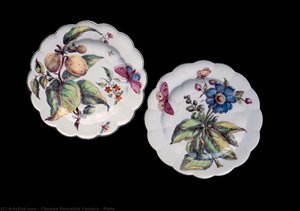
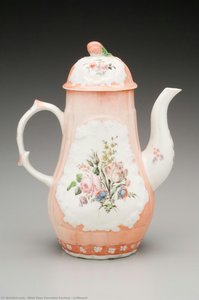
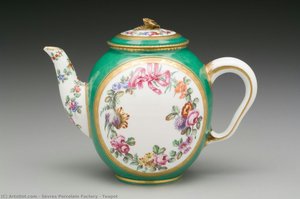
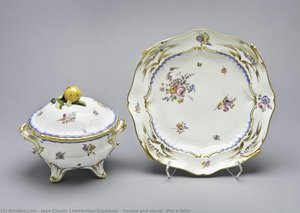
The Frankenthal Porcelain Factory, though not a single artist in the traditional sense, represents a remarkable chapter in 18th-century European ceramics and decorative arts. Established in 1754 in Frankenthal, Palatinate (present-day Germany), this manufactory quickly rose to prominence for its innovative approach to porcelain production, particularly its charming and often whimsical figurines depicting scenes of everyday life, mythology, and allegorical subjects. Unlike many other porcelain centers that relied heavily on imitating established styles – Meissen’s Rococo elegance or Sèvres’ refined classicism – Frankenthal cultivated a distinctly playful aesthetic, blending Baroque exuberance with emerging Rococo sensibilities.
The factory's origins are intertwined with the entrepreneurial spirit of Johann Valentin Nething, who initially sought to establish a glassworks. Recognizing the burgeoning demand for porcelain, he pivoted his focus and secured skilled artisans from Vienna, including Konrad Link, whose influence would prove pivotal in shaping Frankenthal’s early style. The initial years were marked by experimentation; the factory mastered soft-paste porcelain, a technique that allowed for vibrant colors and delicate forms but also presented unique challenges in terms of durability. This pursuit of technical excellence was coupled with an equally ambitious artistic vision.
A Flourishing of Rococo Charm
Frankenthal’s signature style quickly emerged – characterized by its lightheartedness, intricate detail, and a penchant for narrative scenes. The factory produced a wide range of wares, from elaborate dinner services adorned with floral motifs to exquisitely sculpted figurines. However, it was the figurines that truly captured the public imagination. These were not merely decorative objects; they were miniature dramas frozen in porcelain, often depicting amorous encounters, theatrical performances, and allegorical tales. A particularly beloved series featured figures of Harlequin and Columbine, their playful interactions embodying the spirit of the commedia dell'arte. The factory’s sculptors possessed a remarkable ability to imbue these figures with personality and movement, creating a sense of intimacy and charm that set them apart from their contemporaries.
The influence of Balthasar Permoser, the renowned sculptor whose work graced the Zwinger Palace in Dresden, is evident in Frankenthal’s dynamic compositions and expressive figures. Furthermore, the factory drew inspiration from contemporary print culture, adapting popular engravings and paintings into three-dimensional form. This willingness to embrace diverse sources of inspiration contributed to the unique eclecticism of Frankenthal porcelain.
Technical Innovations and Artistic Collaboration
The success of the Frankenthal Porcelain Factory was not solely attributable to its artistic talent; it also benefited from a series of technical innovations. The factory developed a distinctive enamel palette, renowned for its rich colors and subtle gradations. They were particularly adept at producing *blanc de chine* porcelain – a pure white variety prized for its translucence and delicate texture. This mastery of materials allowed the sculptors to create figures with an exceptional level of detail and refinement.
Collaboration was central to Frankenthal’s production process. While individual sculptors were responsible for designing and modeling the figurines, painters, gilders, and kiln workers all played crucial roles in bringing these creations to life. This collaborative spirit fostered a sense of shared artistic vision and contributed to the consistently high quality of Frankenthal porcelain.
Decline and Legacy
Despite its initial success, the Frankenthal Porcelain Factory faced increasing competition from other European manufactories throughout the late 18th century. Economic challenges and shifting tastes led to a gradual decline in production. The factory was sold several times before finally closing its doors in 1800. However, the legacy of Frankenthal porcelain endures.
Today, Frankenthal figurines are highly sought after by collectors worldwide. They represent a unique moment in European decorative arts – a time when playful charm and technical innovation converged to create objects of exceptional beauty and enduring appeal. The factory’s willingness to embrace diverse influences and its commitment to artistic collaboration set it apart from its contemporaries, leaving an indelible mark on the history of porcelain production. The surviving examples offer a fascinating glimpse into the social and cultural values of 18th-century Europe – a world where leisure, entertainment, and refined artistry were highly prized.
Основные сведения
- Artistic Movement Or Style: Rococo
- Date Of Death: Living
- Full Name: Frankenthal Porcelain Factory
- Notable Artworks: ['Solitaire with Village Scenes & Harlequin']