

 Предпросмотр
 Поделиться
 Поделиться
 Детали произведения

 Скачать
 Похожие работы
 Рентгенография
 Слайд-шоу
 Статистика
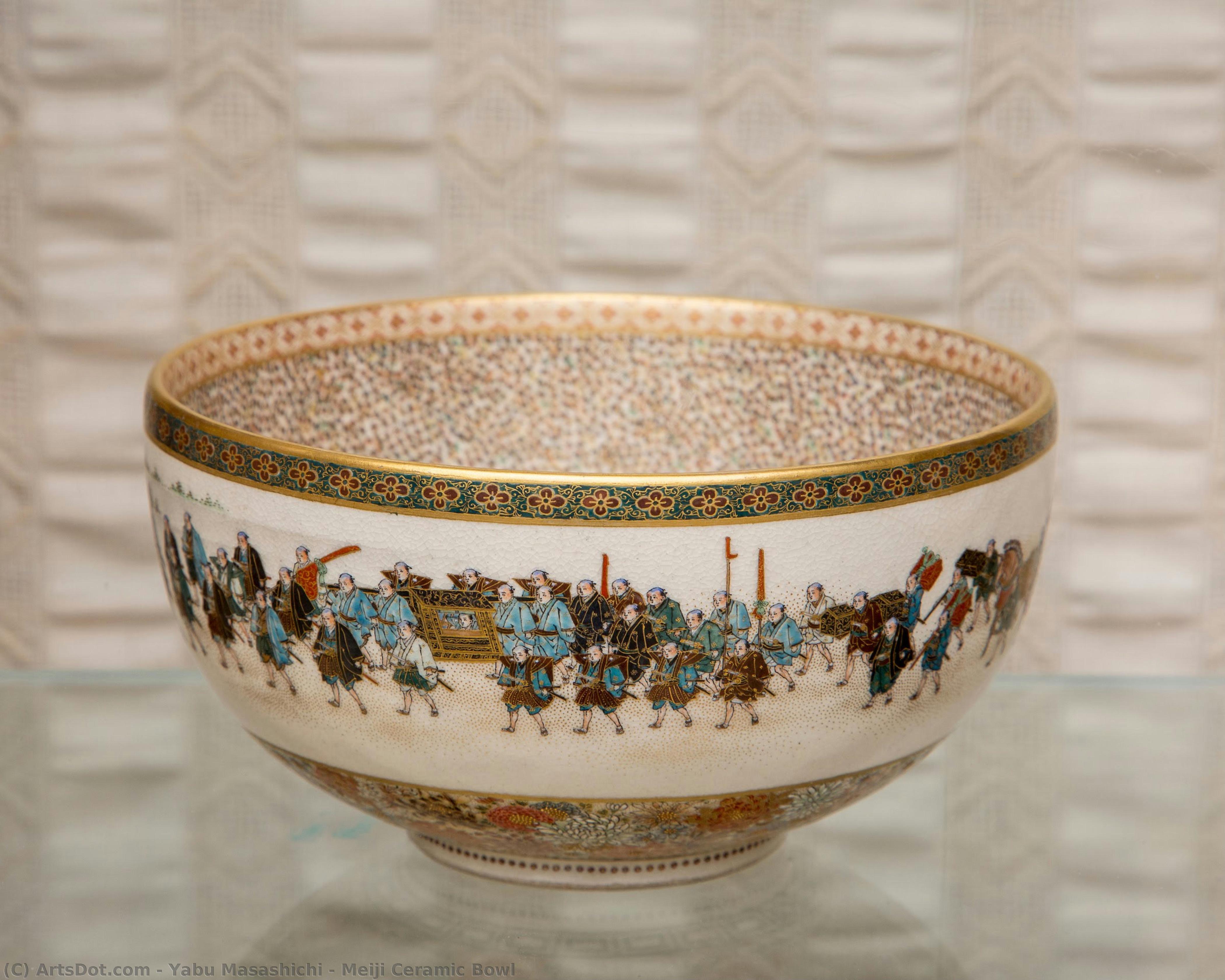
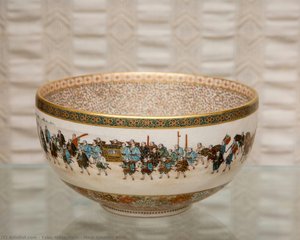
Meiji Ceramic Bowl


 Читать далее
Масляная репродукция ручной работы
Картина маслом на холсте в выбранном вами размере и раме, написанная на заказ нашими художниками. ( Перейти к печати Перейти к цифровым изображениям)




































Выберите один из наших стандартных размеров, соответствующих оригинальным пропорциям произведения искусства.

Вы можете указать собственные размеры, чтобы картина идеально вписалась в выбранную раму или пространство. Если выбранный вами размер не соответствует пропорциям оригинала, мы либо обрежем полотно, либо расширим его за счет дополнительных элементов, написанных вручную. Цифровой макет будет отправлен вам на утверждение перед началом производства.
Обратите внимание, что предварительный просмотр на экране не отражает фактическую обрезку или расширение. Только макет точно покажет окончательную композицию.
Хотя доступны индивидуальные размеры, мы рекомендуем выбирать вариант из предопределенного списка, чтобы сохранить исходные пропорции.
После оформления заказа команда ArtsDot.com свяжется с клиентом по электронной почте для уточнения деталей и предоставит предварительный макет
Доставка по всему миру () за 3–4 недели вместо стандартных 5 недель. (13 Сентябрь). Без компромиссов в качестве.

Бесплатная экспресс-доставка по всему миру

Высококачественный льняной холст

Полное страхование доставки

Гарантия возмещения таможенных пошлин

Гарантия точного соответствия цветов

100-дневная политика возврата (только при обнаружении дефектов)

Гарантия возврата 100% средств

Предложение оптовых скидок
 Вариант со стеклом доступен только для размеров менее 110 см

Meiji Ceramic Bowl
Техника репродукции
Размер репродукции
-


Итоговая стоимость
$ 438
Похожие произведения
Биография художника
The Prince of Satsuma Porcelain: The Legacy of Yabu Masashichi
In the golden era of the Meiji period, when Japan was first unveiling its profound artistic soul to a curious and hungry Western world, one name emerged as a beacon of unparalleled refinement: Yabu Masashimachi. Known affectionately to history as "the prince" of Satsuma ware painting, Masashichi was far more than a mere craftsman; he was a visionary architect of beauty. Born in 1853 into a lineage steeped in the traditions of Japanese aesthetics—the grandson of a Confucian scholar and the son of a celebrated Ukiyo-e artist—his very existence was woven from the threads of calligraphy, literature, and fine brushwork. This rich heritage provided the foundation for a life dedicated to elevating ceramics from functional objects to breathtaking canvases of storytelling.
The journey of Masashichi’s artistry was one of rigorous discipline and expanding horizons. His early training under the guidance of Shinkōji Temple's head priest instilled in him a deep reverence for classical literature, while his studies with the samurai Tadokoro Atsurō refined his mastery of landscape composition. These disparate influences—the spiritual weight of calligraphy and the precise elegance of classical painting—would later converge in his studio work. By 1880, Masashichi had established the Yabu Meizan Studio in Osaka’s Nakanoshima district, a move that would forever alter the trajectory of Japanese export art. He did not merely paint; he curated excellence, sourcing unglazed pottery from prestigious kilns like Kinkozan and Chin Jukan to serve as the pristine stage for his intricate designs.
A Symphony of Detail and Innovation
What truly distinguished the Meizan Studio from the burgeoning mass-production of the era was an uncompromising devotion to quality. While much of the Satsuma ware entering the global market became increasingly opulent and commercialized, Masashichi’s works remained celebrated for their technical precision and subtle elegance. He operated not as a solitary painter, but as a master conductor, directing a highly skilled ensemble of anonymous ceramic painters. Under his watchful eye, these artists executed designs that were nothing short of miraculous, often featuring:
- Intricate Narrative Scenes: Large-scale compositions that seamlessly integrated vast numbers of human and animal figures into single, cohesive landscapes.
- Exquisite Single Motifs: Works of profound simplicity where a lone, meticulously rendered subject commanded the viewer's entire attention.
- Cultural Storytelling: Pieces such as his famous Meiji ceramic bowls, which depicted imperial processions, including the Mikado in his palanquin, capturing the very essence of Japanese tradition for a global audience.
The technique employed within his studio was legendary. Observers of the time, including travelers like Charles Parsons, noted the atmosphere of "order, neatness, and silence" that permeated his workshop. This disciplined environment allowed for the creation of an ivory crackle glaze adorned with overglaze enamels so fine they seemed to breathe with life. His ability to balance the heavy, detailed storytelling required by the export market with a refined, sophisticated aesthetic ensured that "Meizan pottery" became a prestigious brand in the United States and Europe alike.
Historical Significance and Enduring Influence
The historical weight of Yabu Masashichi’s contribution cannot be overstated. He arrived at a pivotal moment when Japan was navigating the transition from a secluded feudal society to a modern global power. Through his studio, he provided a visual language for this new era, translating Japanese cultural identity into a medium that could be understood and admired across oceans. His success was not merely measured in awards won at international exhibitions, but in his ability to revitalize a declining tradition and transform it into a globally recognized art form.
As the decades progressed, the Meizan legacy continued through his adopted son, Yabu Tsuneo, ensuring that the standards of excellence established by the "prince" would endure well into the 20th century. Today, the works of Yabu Masashichi are more than just antiques; they are historical documents of the Meiji spirit. Collectors and scholars continue to seek out his pieces, drawn to the way he captured a fleeting moment in history through the delicate application of pigment on porcelain—a testament to a man who saw the world not just as it was, but as a masterpiece waiting to be painted.
yabu masashichi
1853 - 1934 , Japan
Основные сведения
- Artistic Movement Or Style: Satsuma ware painting
- Artists Or Movements Influenced By This Artist: ['Ukiyo-e']
- Artists Who Influenced This Artist: ['Tadokoro Atsurō']
- Date Of Birth: January 20, 1853
- Date Of Death: 1934
- Full Name: Yabu Masashichi (藪 明山)
- Nationality: Japanese
- Notable Artworks: ['Meiji Ceramic Bowl']
- Place Of Birth: Nagoya, Japan
Похожие статьи
The Alchemy of Clay: A Collector's Guide to the Mastery, Texture, and Timeless Form of Ceramic Art
Discover the profound beauty of ceramic art. Our expert guide explores the alchemy of clay, texture, and glaze, offering collectors deep insights into mastering earth and fire to create timeless, sculptural masterpieces for any curated collection.
Tsukioka Yoshitoshi: A Master of Ukiyo-e's Final Flourish – Narrative, Innovation, and the Meiji Transition
Explore the life & art of Tsukioka Yoshitoshi, the last great master of ukiyo-e woodblock printing. Discover his dramatic warrior prints, innovative series like 'One Hundred Aspects of the Moon,' and legacy reflecting Japan's Meiji transition.
Serenity on Canvas: A Guide to the Timeless Beauty of Japanese Landscape Painting
Discover the serene beauty of Japanese landscape painting. From Hokusai's iconic woodblock prints to meditative sumi-e ink washes, explore a visual journey through the 'floating world' and learn how to bring this timeless Zen aesthetic into your modern home decor.
Floating World: The Captivating Art and Legacy of Japanese Ukiyo-e
Explore the profound beauty of Japanese Ukiyo-e. Discover the history, masters like Hokusai, and the enduring legacy of the 'Floating World' through an expert art-historical lens.

Топ-25 шедевров Кацусики Хокусая: Искусство Японии для вашего интерьера
Погрузитесь в мир гения Кацусики Хокусая! 25 легендарных гравюр укиё-э, включая "Великую волну". История искусства Японии и вдохновение для вашего интерьера. Репродукции высокого качества на ArtsDot.com.