 Предпросмотр
 Поделиться
 Поделиться
 Детали произведения

 Скачать
 Похожие работы
 Рентгенография
 Слайд-шоу
 Статистика
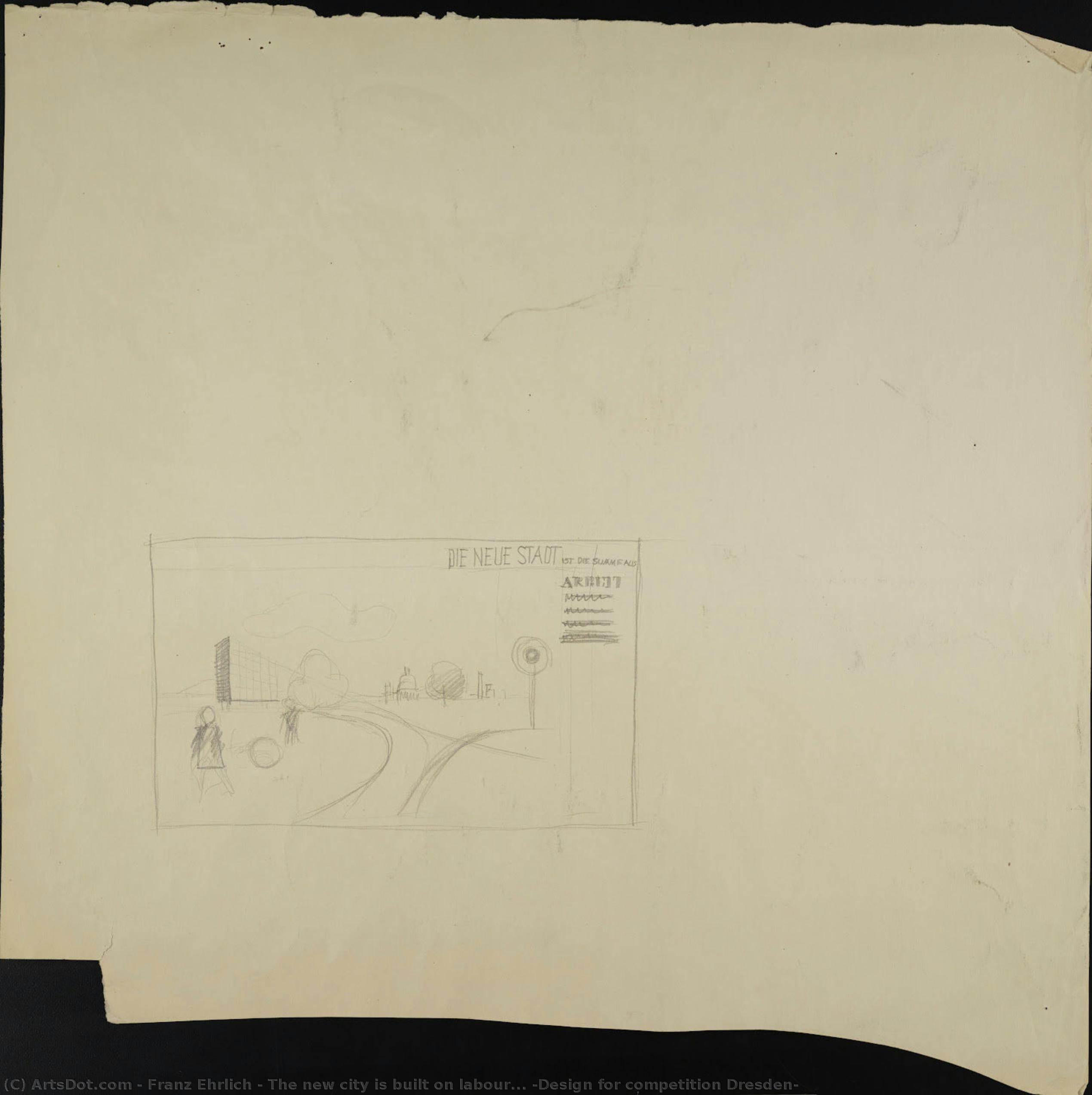
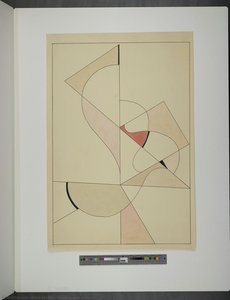
The new city is built on labour... (Design for competition Dresden)
 Acrylic
- WallArt
- German Expressionism
 1952
1952- Modern
 46.0 x 47.0 cm
 Баухаус Дессу (Bauhaus Dessau)
 Читать далее
Жикле / Арт-принт
Печать (жикле) или холст музейного качества с быстрыми сроками изготовления и широким выбором вариантов отделки. ( Купить картину ручной работы Перейти к цифровым изображениям)




P118B $10

P118H $10

P118W $10

P438Z $10

P508JH $12

P508YH $12

P805H $10

P805Z $10

P919BZ $10

P919G $10

P919XJ $10

P959ZH $10

P968JZ $12

W106C $8

W218G $10

W218JH $8

W218Y $10

W307PJ $10

W316G $10

W316PJ $8

W316Y $10

W398PJ $8

W4111J $10

W500HY $15

W500JH $15

W692G $12

W849H $8

W940BG $15

W953PJ $8




Выберите один из наших стандартных размеров, соответствующих оригинальным пропорциям произведения искусства.

Вы можете указать свои собственные размеры, чтобы репродукция идеально подошла под конкретную раму или пространство. Если выбранный вами размер не будет соответствовать пропорциям оригинала, мы либо обрежем произведение, либо дополним изображение зеркальным отражением краев или однотонной заливкой. Перед началом производства вам будет отправлен цифровой макет для утверждения.
Пожалуйста, обратите внимание, что предварительный просмотр на экране не отображает фактическую обрезку или расширение изображения. Только макет точно покажет финальную композицию.
Несмотря на возможность заказа индивидуальных размеров, мы рекомендуем выбирать размер из предопределенного списка, чтобы сохранить оригинальные пропорции.
Доставка по всему миру () за 2 недели вместо стандартных 4/5 недель. (11 Сентябрь)

Бесплатная экспресс-доставка по всему миру

Высококачественный льняной холст

Полное страхование доставки

Гарантия возмещения таможенных пошлин

Гарантия точного соответствия цветов

100-дневная политика возврата (только при обнаружении дефектов)

Гарантия возврата 100% средств

Предложение оптовых скидок
 Вариант со стеклом доступен только для размеров менее 110 см

The new city is built on labour... (Design for competition Dresden)
Жикле / Арт-принт
Размер репродукции
-


Итоговая стоимость
$ 62
A Vision Forged in Labor: Franz Ehrlich’s “The New City is Built on Labour…”
Franz Ehrlich's 1952 sketch, "The New City is Built on Labour...", isn’t merely a design proposal for a competition in Dresden; it’s a poignant testament to post-war reconstruction and the enduring spirit of a city striving to rebuild itself. Captured with a restrained graphite palette against aged paper, the image possesses an immediate intimacy – as if we've stumbled upon a forgotten blueprint, imbued with the hopes and anxieties of a nation grappling with its past. The drawing depicts a meticulously planned urban landscape, dominated by a central train station flanked by buildings rising towards a clear sky, all anchored by a network of roads and pathways. A prominent locomotive suggests progress and connectivity, while figures – rendered subtly within the composition – hint at the human effort underpinning this ambitious vision.
Ehrlich’s work is deeply rooted in the Bauhaus movement, yet transcends its formal tenets. The influence of geometric precision is evident in the simplified forms of the buildings, reminiscent of Walter Gropius' designs. However, there’s a distinct emotionality present, a sense of melancholy and quiet determination that speaks to the challenges faced by Germany following World War II. The muted tones – primarily shades of grey, accented with hints of brown and ochre – evoke the somber atmosphere of a city scarred by conflict, while simultaneously conveying a profound respect for the materials and the process of construction.
A Master’s Hand: Technique and Materials
Examining the drawing closely reveals Ehrlich's masterful technique. He employs a sophisticated range of hatching and cross-hatching to build up tonal values and create a remarkable sense of depth and texture. The varying line weights – from delicate, almost imperceptible strokes defining fine details to bolder lines delineating larger forms – contribute significantly to the image’s dynamism. The paper itself bears witness to the artist's hand; subtle creases and discoloration suggest years spent in careful consideration and execution. It’s a tangible connection to the creative process, reminding us that art is not simply about finished products but also about the journey of creation.
The choice of graphite as the medium is particularly significant. Graphite offers a remarkable degree of control, allowing Ehrlich to capture both the sharp edges of architectural forms and the softer nuances of human figures. Its ability to create subtle gradations of tone lends itself perfectly to conveying mood and atmosphere – essential elements in this evocative composition. The drawing’s scale—46 x 47 cm— invites close scrutiny, encouraging viewers to appreciate the intricate details and the artist's deliberate choices.
Historical Context: Reconstruction and Remembrance
To fully understand “The New City is Built on Labour…”, it’s crucial to consider its historical context. Created in 1952, shortly after World War II, the drawing reflects Dresden’s arduous process of rebuilding. The city had been almost entirely destroyed by Allied bombing raids, leaving behind a devastated landscape and a shattered population. Ehrlich's design wasn’t just about creating a new urban space; it was about symbolizing hope and renewal – a deliberate act of defiance against the destruction that had ravaged his homeland.
The title itself is profoundly symbolic, underscoring the central role of labor in this reconstruction effort. It speaks to the countless hours spent by workers rebuilding homes, infrastructure, and lives. Furthermore, the inclusion of a train station highlights Dresden’s reconnection with the wider world – a vital step towards economic recovery and cultural exchange. The drawing serves as a powerful reminder of the resilience of the human spirit in the face of adversity.
A Legacy of Vision: Symbolism and Emotional Resonance
Beyond its technical merits, “The New City is Built on Labour…” resonates deeply with viewers due to its inherent symbolism. The train station represents progress and connection, while the figures within the composition embody the collective effort required for rebuilding. The overall mood is one of quiet determination – a sense that despite the devastation, Dresden was determined to forge a new future.
Ehrlich’s work transcends mere architectural design; it's a visual meditation on memory, loss, and hope. It invites us to contemplate the challenges faced by communities rebuilding after conflict and to appreciate the enduring power of human creativity in shaping our world. Reproductions of this compelling sketch offer a valuable window into a pivotal moment in German history, allowing us to connect with the past while celebrating the spirit of innovation and resilience that continues to define Dresden today.
Похожие произведения
Биография художника
Ранние годы и образование
Франц Эрлих, выдающийся немецкий архитектор, каллиграф и графический дизайнер, родился в 1907 году. Его юность была отмечена врожденной тягой к искусству, что привело его в стены легендарного Баухауса в Дессау, где он обучался с 1927 по 1930 год. Это престижное учебное заведение сыграло решающую роль в формировании художественного мировоззрения Эрлиха, познакомив его с самыми смелыми авангардными течениями той эпохи.Творческий путь и политические убеждения
Приверженность Эрлиха коммунистической партии оказала глубокое влияние на его судьбу и профессиональную деятельность. В 1935 году он был арестован и заключен под стражу нацистским режимом — событие, которое коренным образом изменило траекторию его творческих поисков. Несмотря на все преграды и испытания, Эрлих продолжал вносить свой вклад в мировое искусство, оставив после себя наследие, которое одновременно вдохновляет и заставляет глубоко задуматься.Знаковые произведения
Среди наиболее значимых работ Эрлиха можно выделить следующие:- «800 лет. Das Buch [Книга]. План и виды (выставочные стенды, Лейпцигская ярмарка) — истинное свидетельство его новаторского подхода к дизайну и архитектуре.
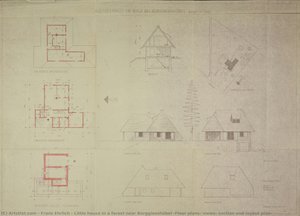
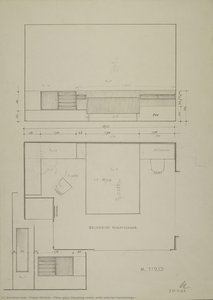
- Проект реализации дома проф. д-ра Бауманна (план фундамента), демонстрирующий его высочайшее мастерство в архитектурном планировании.
- «1933» (фото-скульптурный рекламный проект) — уникальное слияние фотографии и скульптуры, подчеркивающее его экспериментальную натуру.
Музеи и коллекции, представляющие работы Эрлиха
Портал ArtsDot.com представляет обширную коллекцию работ Эрлиха, включая упомянутые выше шедевры. Важным хранилищем его творческих достижений также является Фонд Баухауса в Дессау (Дессау-Рослау, Германия).Наследие и влияние
Вклад Франца Эрлиха в мировое искусство многогранен и отражает широкий спектр его интересов и талантов. Его жизненный путь — как творческий, так и личный — предлагает ценный взгляд на пересечение искусства и политики в переломный момент немецкой истории.- Ознакомиться с другими работами Эрлиха можно по ссылке https://AllmentsStore.com/@/franz-ehrlich
- Изучить коллекцию Фонда Баухауса в Дессау можно здесь: Bauhaus Dessau Foundation (Дессау-Рослау, Германия)
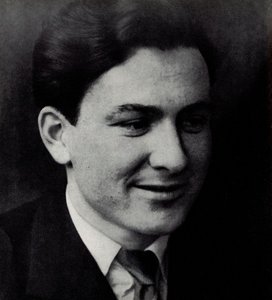
Франц Эрлих
1907 - 1984 , Германия
Основные сведения
- Artistic Movement Or Style: Баухаус, экспрессионизм
- Artists Or Movements Influenced By This Artist:
- Баухаус
- Молодежная Коммунистическая Лига
- Artists Who Influenced This Artist:
- Вальтер Гропиус
- Мохой-Надь
- Клее
- Юст Шмидт
- Date Of Birth: 1907
- Date Of Death: 1984
- Full Name: Франц Эрлих
- Nationality: Немец
- Notable Artworks:
- 800 ЛЕТ. КОНСТРУКЦИЯ СТЕНЫ 3
- Без названия (HKB I или II)
- Картина со скрипкой
- Place Of Birth: Ройт, Германия
Похожие статьи
Urban Visions: A Historical & Artistic Exploration of the Cityscape in Painting
Explore the evolution of cityscape painting from historical maps to Impressionist masterpieces. Discover artists like Caillebotte & Utrillo. Find museum-quality reproductions at ArtsDot.
Concrete Visions: Exploring Representations of Urban Life in Modern & Contemporary Art
Explore the evolution of cityscape painting from Realism to contemporary art. Discover key artists & invest in timeless urban visions with ArtsDot's expert guidance and museum-quality reproductions.
Concrete Visions: Exploring the Urban Landscape in Painting – From Realism to Contemporary Art
Explore the evolution of cityscape painting from Realism to contemporary art with ArtsDot. Discover key artists & invest in timeless urban visions. Expert guidance, museum-quality reproductions.
Concrete Narratives: Exploring Urban Life in Modern & Contemporary Art
Explore the evolution of cityscape painting with ArtsDot. Discover key artists from Realism to contemporary movements & invest in timeless urban visions. Expert guidance, museum-quality reproductions.
The Eloquent Line: Exploring the Artistic Significance of Sketches Across Movements and Media
Explore the profound artistic significance of sketches throughout history. From Renaissance masters to modern innovators like Van Gogh & Guston, discover how these foundational works reveal technique, emotion, and vision. Learn more at ArtsDot.