

 Предпросмотр
 Поделиться
 Поделиться
 Детали произведения

 Скачать
 Похожие работы
 Рентгенография
 Слайд-шоу
 Статистика
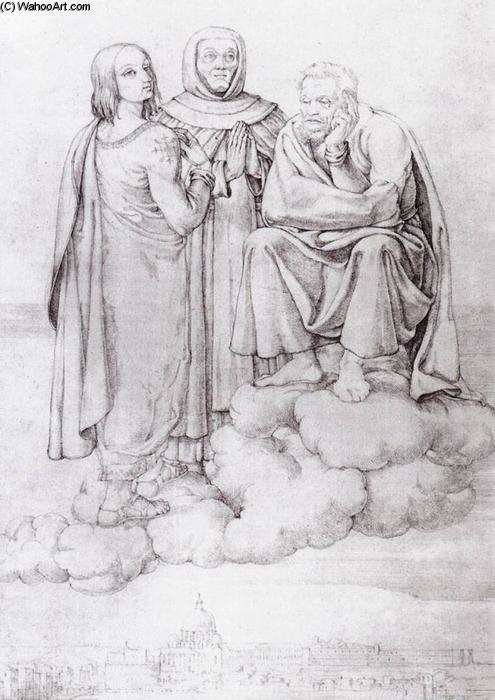
Raphael, Fra Angelico and Michelangelo over Rome
 Acrylic On Canvas
- WallArt
- Nazarene Movement
 1810
1810 311.0 x 200.0 cm
 Стэдельский музей
 Читать далее
Приобретите цифровое изображение высокого разрешения в улучшенном качестве, которое значительно превосходит онлайн-превью.
Каждый файл тщательно подготавливается нашими специалистами с использованием передовых инструментов и экспертной ручной ретуши. Мы гарантируем исключительную четкость, точную цветопередачу и детальную проработку каждого изображения.
Финальный файл доставляется по электронной почте в течение 72 часов и оптимизирован для немедленного использования в профессиональной среде, при верстке и печати. Это тот же уровень качества, которому доверяют ведущие дизайнерские студии, издательства и галереи.
Цифровое изображение
Скачайте файл высокого разрешения для личного использования, печати и творческих проектов. ( Перейти к печати Купить картину ручной работы)
Включено в каждый заказ цифровых изображений
Гарантия экспертной цифровой доставки
Выбирая ArtsDot.com, вы получаете не просто изображение — вы приобретаете профессионально обработанное цифровое произведение искусства, созданное с безупречной точностью и под защитой гарантии качества. Вот всё, что автоматически входит в ваш заказ:

Мгновенная доставка по e-mail
Ваш цифровой файл в высоком разрешении будет отправлен вам по электронной почте в течение 72 часов после оформления заказа — и сразу станет доступен для использования.

Цифровой файл с ИИ-улучшением
Ваше произведение искусства проходит профессиональную оптимизацию с использованием передовых инструментов ИИ и ручной обработки, что гарантирует максимальную детализацию, четкость и точность цветопередачи.

Бессрочная бесплатная повторная доставка
Случайно удалили или потеряли файл? Не беспокойтесь — мы отправим его вам повторно в любое время и совершенно бесплатно.

Без импортных пошлин — навсегда
Наслаждайтесь вашим произведением искусства мгновенно без таможенных пошлин, сборов или затрат на доставку — цифровые загрузки всегда не облагаются налогом.

Гарантия точности цветопередачи
Мы гарантируем, что ваше цифровое изображение максимально точно передает оригинальные цвета благодаря использованию профессиональных инструментов и систем управления цветом.

Гарантия удовлетворенности 100 дней
Если вы не будете удовлетворены своим цифровым изображением, мы внесем правки или вернем 100% стоимости в течение 100 дней — без лишних вопросов.

100% Гарантия возврата средств
Не удовлетворены покупкой? Получите полный возврат средств в течение 100 дней после получения цифрового файла — без лишних вопросов.

Скидки на оптовые заказы
Купите 3 изображения, сэкономьте 10% — Купите 5, сэкономьте 15% — Купите 10+, сэкономьте 20%. Отличное решение для творческих проектов, галерей и агентств.
Franz Pforr’s Reverie Above Rome
The artwork, “Raphael, Fra Angelico and Michelangelo over Rome,” by Franz Pforr (1788-1812), stands as a poignant testament to the Nazarene movement's fervent desire for artistic renewal. Executed in 1810 during Pforr’s formative years in Rome alongside fellow artists Johann Friedrich Overbeck, Ludwig Vogel, and Johann Konrad Hottinger, this monochrome pencil drawing transcends mere representation; it embodies a profound spiritual contemplation of art history itself. The piece captures three figures – Raphael, Fra Angelico, and Michelangelo – hovering serenely above the cityscape of Rome, bathed in an ethereal glow that speaks volumes about the artists’ aspirations and the movement's core ethos.Composition and Technique: A Study in Balance
Pforr meticulously crafted this composition with a masterful understanding of classical principles. The trio occupies the upper portion of the frame, arranged in a triangular formation—Raphael positioned on the left, Fra Angelico centrally, and Michelangelo to the right—creating an impression of stability and grandeur. Each figure is rendered as an independent set piece, embodying stillness and conveying an aura of solemn contemplation. Hatching dominates the technique, skillfully employed to sculpt volume and define contours with remarkable precision. The artist’s delicate hatching creates subtle tonal variations that imbue the drawing with depth and texture, mirroring the monumental architecture of Rome below—the Vatican, St Peter's Basilica, and Castel Sant'Angelo—which serves as a backdrop for this symbolic tableau.Historical Context: The Nazarene Revival
The Nazarene movement emerged in response to what its proponents perceived as the excesses of Neoclassical art, prioritizing instead the purity and piety of early Christian iconography. Artists like Pforr sought inspiration from the Gospels and rejected academic conventions, advocating for a return to artistic sincerity and emotional resonance. Their residence at Sant’Isidoro Monastery fostered an environment conducive to intellectual discourse and spiritual reflection—a crucible where ideas about artistic expression flourished. The artist's engagement with Michelangelo’s statue of Christ in Santa Maria sopra Minerva further solidified his commitment to honoring the legacy of Renaissance masters, demonstrating a deep appreciation for both artistic skill and theological contemplation.Symbolism: Artists as Embodiments of Ideal Beauty
The depiction of Raphael, Fra Angelico, and Michelangelo isn't merely biographical; it’s symbolic. These figures represent not just artists but also embodiments of ideal beauty and spiritual enlightenment—the very qualities that the Nazarenes sought to recapture in their own work. Their serene postures convey a sense of transcendence, suggesting that art possesses the capacity to elevate the human spirit beyond earthly concerns. The cityscape beneath them symbolizes the world of artistic culture that these titans had shaped, underscoring the enduring influence of Renaissance ideals on subsequent generations of artists.Concluding Impression: A Legacy of Reverence
“Raphael, Fra Angelico and Michelangelo over Rome” exemplifies Pforr’s unwavering devotion to his artistic vision—a vision rooted in the spiritual fervor of the Nazarene movement and informed by a profound respect for the achievements of past masters. The artwork's enduring appeal lies in its ability to evoke contemplation and inspire admiration for the transformative power of art, securing its place as a cornerstone of Romantic aesthetic thought and a testament to Franz Pforr’s artistic legacy.Похожие произведения
Биография художника
Franz Pforr: A Pioneer of the Nazarene Movement
Early Life and Training
- Born: 1788 in Frankfurt am Main, Hesse, Germany.
- Franz Pforr received his initial artistic training from his father, Johann Georg Pforr, a painter himself.
- His uncle, Johann Heinrich Tischbein the Younger, an art professor and gallery inspector, also played a crucial role in his early development.
- He continued his studies at the Academy of Fine Arts in Vienna, laying the foundation for his future artistic pursuits.
The Nazarene Movement and Roman Period
- In 1810, Pforr moved to Rome alongside fellow artists including Johann Friedrich Overbeck, Ludwig Vogel, and Johann Konrad Hottinger.
- The Nazarene Movement: This group sought a return to the perceived purity of early Christian art, rejecting what they saw as the superficiality of contemporary styles.
- They resided at the abandoned monastery of Sant’Isidoro a Capo le Case, fostering a communal and spiritually focused artistic environment.
- Overbeck became a significant influence during this period, shaping Pforr's aesthetic direction.
Artistic Style and Themes
- Pforr’s work is characterized by its Romanticism and deep religious sentiment.
- He focused on historical and biblical subjects, often depicting scenes with a sense of solemnity and spiritual intensity.
- Chiaroscuro, the dramatic use of light and shadow, is prominent in his paintings, enhancing their emotional impact.
- His style blended elements of German Romanticism with the ideals of the Nazarenes – a focus on simplicity, sincerity, and spiritual depth.
Major Works
- The Entry of Emperor Rudolf of Habsburg into Basel: A historical painting showcasing Pforr’s narrative skill.
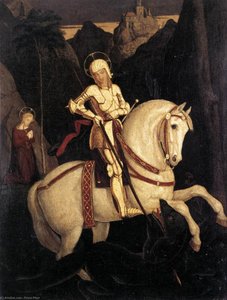
- St George and the Dragon: Demonstrates his ability to depict dramatic scenes with religious symbolism.
- Shulamit and Mary: An example of his exploration of biblical themes and intimate portrayals.
- Raphael, Fra Angelico and Michelangelo over Rome: A tribute to the masters he admired and a reflection of the Nazarene’s reverence for Renaissance art.
- Nocturnal Homecoming: Showcases his skill in Flemish realism with intimate figures.
- Several self-portraits provide insight into his personal appearance and artistic sensibility.
Legacy and Historical Significance
- Early Death: Tragically, Franz Pforr died of tuberculosis in Albano Laziale, Rome, in 1812 at the young age of 24.
- Despite his short life, he left a significant mark on the Nazarene movement and early 19th-century art.
- His work embodies the search for spiritual expression that characterized the Romantic era.
- Pforr’s influence can be seen in the subsequent development of German Romantic painting, inspiring artists to explore religious and historical themes with renewed fervor.
- He remains a notable figure for those studying the intersection of art, religion, and national identity in 19th-century Germany.
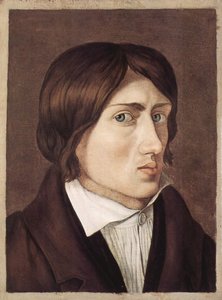
Franz Pforr
1788 - 1812 , Germany
Основные сведения
- Birth Date: 1788
- Birth Place: Hesse, Germany
- Death Date: 1812
- Influenced By:
- Johann Georg Pforr
- Johann Heinrich Tischbein the Younger
- Johann Friedrich Overbeck
- Movement: Nazarene movement
- Name: Franz Pforr
- Nationality: German
- Notable Works:
- The Entry of Emperor Rudolf of Habsburg into Basel
- St George and the Dragon
- Shulamit and Mary
- Raphael, Fra Angelico and Michelangelo over Rome
- Nocturnal homecoming