 Предпросмотр
 Поделиться
 Поделиться
 Детали произведения

 Скачать
 Похожие работы
 Рентгенография
 Слайд-шоу
 Статистика
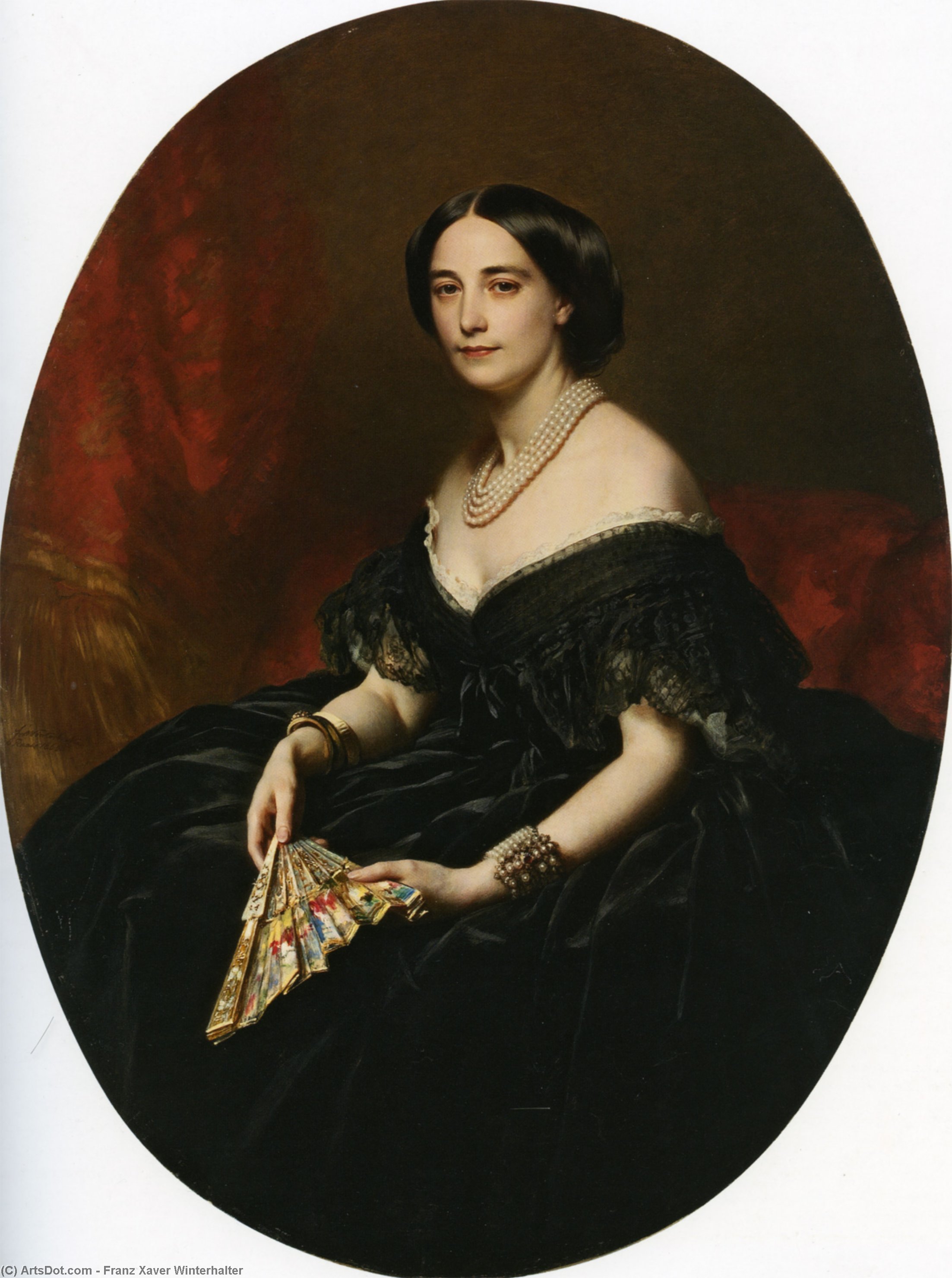
Portrait of a lady with a fan
 Painting
- Victorian Era
 1850
1850- 19th Century
 126.0 x 96.0 cm
 Читать далее
Масляная репродукция ручной работы
Картина маслом на холсте в выбранном вами размере и раме, написанная на заказ нашими художниками. ( Перейти к печати Перейти к цифровым изображениям)




P118B $10

P118H $10

P118W $10

P438Z $10

P508JH $12

P508YH $12

P805H $10

P805Z $10

P919BZ $10

P919G $10

P919XJ $10

P959ZH $10

P968JZ $12

W106C $8

W218G $10

W218JH $8

W218Y $10

W307PJ $10

W316G $10

W316PJ $8

W316Y $10

W398PJ $8

W4111J $10

W500HY $15

W500JH $15

W692G $12

W849H $8

W940BG $15

W953PJ $8




Выберите один из наших стандартных размеров, соответствующих оригинальным пропорциям произведения искусства.

Вы можете указать собственные размеры, чтобы картина идеально вписалась в выбранную раму или пространство. Если выбранный вами размер не соответствует пропорциям оригинала, мы либо обрежем полотно, либо расширим его за счет дополнительных элементов, написанных вручную. Цифровой макет будет отправлен вам на утверждение перед началом производства.
Обратите внимание, что предварительный просмотр на экране не отражает фактическую обрезку или расширение. Только макет точно покажет окончательную композицию.
Хотя доступны индивидуальные размеры, мы рекомендуем выбирать вариант из предопределенного списка, чтобы сохранить исходные пропорции.
После оформления заказа команда ArtsDot.com свяжется с клиентом по электронной почте для уточнения деталей и предоставит предварительный макет
Доставка по всему миру () за 3–4 недели вместо стандартных 5 недель. (13 Сентябрь). Без компромиссов в качестве.

Бесплатная экспресс-доставка по всему миру

Высококачественный льняной холст

Полное страхование доставки

Гарантия возмещения таможенных пошлин

Гарантия точного соответствия цветов

100-дневная политика возврата (только при обнаружении дефектов)

Гарантия возврата 100% средств

Предложение оптовых скидок
 Вариант со стеклом доступен только для размеров менее 110 см

Portrait of a lady with a fan
Техника репродукции
Размер репродукции
-


Итоговая стоимость
$ 263
The Allure of Elegance: A Glimpse into Victorian Grandeur
To stand before a portrait such as this is to step directly into the opulent drawing rooms of the mid-nineteenth century. The subject, captured with exquisite detail, embodies the refined spirit of an era obsessed with propriety and visible splendor. The lady, seated upon what appears to be a plush couch, commands attention not through overt drama, but through an almost breathtaking stillness. Her posture speaks volumes of her station—a studied grace that was highly valued in the Victorian age. The very act of holding the fan is ritualistic; it is less a tool for cooling and more a carefully orchestrated prop in a tableau of feminine elegance.
Mastery of Form: Technique and Artistic Vision
The hand that painted this work, Franz Xavier Winterhalter, was renowned across Europe for his ability to capture the essence of aristocracy. His technique, visible even through reproduction, speaks to an unparalleled mastery of oil paint on canvas. Observe the delicate rendering of the fabric in her gown; the artist has managed to convey the weight and texture of rich materials—silks, velvets, and fine lace—with astonishing verisimilitude. The interplay between the deep shadows and the luminous highlights on her skin and accessories is a testament to academic precision blended with romantic flair. It is a painting that demands close contemplation, rewarding the viewer who pauses long enough to trace the brushstrokes.
Symbolism Woven into Silk: Decoding the Fan
In the lexicon of 19th-century portraiture, few objects carry as much coded meaning as the fan. This accessory is a silent storyteller. Depending on how it is held, its opening or closing, and even its mere presence, could communicate everything from flirtation to reserve. Here, the fan acts as an extension of her personality—a delicate barrier between the private self and the public gaze. Coupled with her direct, knowing gaze toward the viewer, the piece invites us into a sophisticated dialogue across the decades, making the collector feel privy to a secret moment in time.
A Timeless Echo for Modern Interiors
For the contemporary connoisseur or designer, this reproduction offers more than just decoration; it offers an atmosphere. The grandeur of Winterhalter’s style lends immediate historical weight and undeniable luxury to any space. Imagine this piece gracing a formal salon or a richly appointed study. It anchors a room with a sense of established history and enduring taste. Owning such a reproduction allows one to curate not just walls, but an entire mood—one steeped in romanticism, impeccable fashion, and the quiet power of portraiture.
Похожие произведения
Биография художника
A Painter of Kings and Queens: The Life and Art of Franz Xaver Winterhalter
Franz Xaver Winterhalter, a name synonymous with the grandeur of 19th-century European courts, emerged from humble beginnings in the Black Forest village of Menzenschwand. Born in 1805, his journey from a rural upbringing to becoming one of Europe’s most sought-after portraitists is a testament to his talent, adaptability, and keen understanding of the visual language of power. Winterhalter's art wasn’t merely about capturing likeness; it was about crafting an image – a carefully constructed narrative that projected authority, elegance, and dynastic legitimacy. His life unfolded against the backdrop of shifting artistic movements, from the fading Romanticism to the burgeoning Victorian era, and his work provides a remarkable visual record of this transformative period.Early Years and Artistic Foundations
Winterhalter’s early years were steeped in the rhythms of rural life. His father was a resin producer, and his brother Hermann pursued a career as a painter – a connection that profoundly shaped Franz's artistic development. He received his initial training at a Benedictine monastery, where he honed fundamental drawing skills, followed by further instruction under Karl Ludwig Schüler in Freiburg im Breisgau. This early grounding provided him with the technical foundations necessary to transition into the demanding world of court portraiture. Notably, Winterhalter’s family connection to Hermann fostered an environment that nurtured his artistic spirit and instilled a deep appreciation for visual representation. The Benedictine training emphasized discipline and precision, while Schüler's guidance introduced him to the principles of engraving – a skill that would later inform his meticulous attention to detail in his paintings.From Karlsruhe to Parisian Heights: Establishing a Royal Reputation
Winterhalter’s breakthrough arrived in 1828 when he was appointed drawing master to Sophie Margravine of Baden at Karlsruhe. This appointment wasn't simply a job; it was a crucial stepping stone into the intricate world of European royalty. His talent for capturing likeness with an air of elegance quickly gained recognition, leading to commissions from Grand Duke Leopold and his wife. However, it was Paris that truly cemented Winterhalter’s fame. Arriving in the French capital in the 1830s, he skillfully navigated the artistic landscape, exhibiting genre scenes like *Il dolce Farniente* and *Il Decameron*, which showcased his academic training while hinting at a burgeoning Romantic sensibility. These works garnered critical attention, but it was his portraits that truly captivated the aristocracy. He became a favorite of King Louis-Philippe, executing over thirty commissions for the royal family and establishing himself as the go-to portraitist for those seeking to project an image of power, refinement, and dynastic legitimacy.The Victorian Embrace: A Painter of Imperial Majesty
Winterhalter’s reputation extended beyond France, reaching the British Isles and capturing the attention of Queen Victoria. In 1841, he was summoned to England, initiating a prolific relationship that would see him create over one hundred portraits for the Royal Collection. These weren't merely official commissions; they were intimate glimpses into the lives of the royal family, often commissioned as personal gifts. His portrait of Queen Victoria in 1843, a small and exquisitely detailed work, exemplifies his ability to capture not just physical likeness but also a sense of personality and emotion. The painting, gifted by Victoria to Prince Albert, depicts the young queen with a vulnerable intimacy that belies her regal status. This success solidified Winterhalter’s position as *the* portraitist of European royalty, sought after by Empress Eugénie in France, Empress Elisabeth of Austria, and countless other noble figures.Style and Legacy: Beyond Likeness
While often criticized by artistic circles for prioritizing flattery over innovation, Winterhalter’s work holds a significant place in art history. His style is characterized by its meticulous detail, luminous color palette, and ability to capture the textures of fabrics and jewels with breathtaking realism. He skillfully blended Romantic sensibilities with Neoclassical precision, creating portraits that were both visually stunning and psychologically insightful. His paintings weren’t simply representations; they were carefully constructed narratives about power, status, and identity. He mastered the art of creating an idealized image – a polished reflection of his subjects' aspirations and social standing. Though he wasn't a revolutionary in the same vein as Delacroix or Courbet, his influence was pervasive. He established a standard for royal portraiture that endured for decades, and his works provide invaluable historical documentation of 19th-century European society. His legacy lies not just in the beauty of his paintings but also in their ability to transport us back to an era of opulent courts, intricate diplomacy, and unwavering social hierarchies.A Lasting Impression
Franz Xaver Winterhalter died in Frankfurt in 1873, leaving behind a vast body of work that continues to be celebrated for its technical brilliance and historical significance. His paintings can be found in prominent museums and royal collections around the world, including the National Portrait Gallery in London, the Musée d’Orsay in Paris, and Buckingham Palace.- His ability to capture the essence of his sitters, combined with his mastery of technique, ensured his place as a leading portraitist of his time.
- He remains an important figure for understanding the visual culture of 19th-century Europe and the role of art in shaping perceptions of power and status.
- His works offer a captivating glimpse into the lives of royalty and aristocracy, providing invaluable insights into their world.
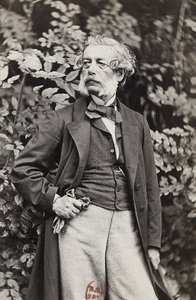
Франц Зауэр Винтерхальтер
1805 - 1873 , Германия
Основные сведения
- Artistic Movement Or Style: Романтизм, портрет
- Artists Or Movements Influenced By This Artist: ['Немецкий романтизм']
- Artists Who Influenced This Artist:
- Петер фон Кёнельс
- Жозеф Карл Штелиер
- Date Of Birth: 20 Apr. 1805
- Date Of Death: 8 July 1873
- Full Name: Franz Xaver Winterhalter
- Nationality: Немецкий
- Notable Artworks:
- Портрет Елизаветы Австрийской
- Портрет королевы Виктории
- Портрет императрицы Евгении
- Place Of Birth: Menzenschwand, Германия
Похожие статьи

The Refined Aesthetic of Victorian Illustration: A Study in Narrative & Technique
Explore the captivating world of Victorian illustration! Discover Pre-Raphaelite influences, key artists like Rossetti & Stephens, and the era's rich narrative detail. A deep dive for art enthusiasts.

От Аниме к Холсту: Расцвет Современного Фан-Арта
Узнайте о взрывном росте фан-арта! Обзор трендов, стилей и возможностей для художников. От аниме до комиксов – все об искусстве фанатов.
Franz Xaver Winterhalter: Court Painter, Academician & Embodiment of Mid-19th Century Portraiture
Explore the life & art of Franz Xaver Winterhalter, the celebrated court painter of the 19th century. Discover his exquisite portraits of royalty and aristocracy – a symbol of prestige and refined taste.
Топ-10 шедевров XIX века: искусство, история и декор от ArtsDot.com
Погрузитесь в мир искусства XIX века! От реализма до импрессионизма – 10 величайших картин, истории художников и вдохновение для вашего интерьера. Репродукции высокого качества на ArtsDot.com. Откройте всю коллекцию онлайн!

От постеров к палитре: Возрождение фан-арта и переосмысление коллекционирования в эпоху цифровой культуры
Узнайте об эволюции фан-арта, инвестициях в NFT искусство и новых трендах коллекционирования. Экспертный анализ, советы по покупке и правовые аспекты. Создайте уникальную коллекцию!