

 Поделиться
 Поделиться
 Детали произведения

 Скачать
 Похожие работы
 Слайд-шоу
 Статистика
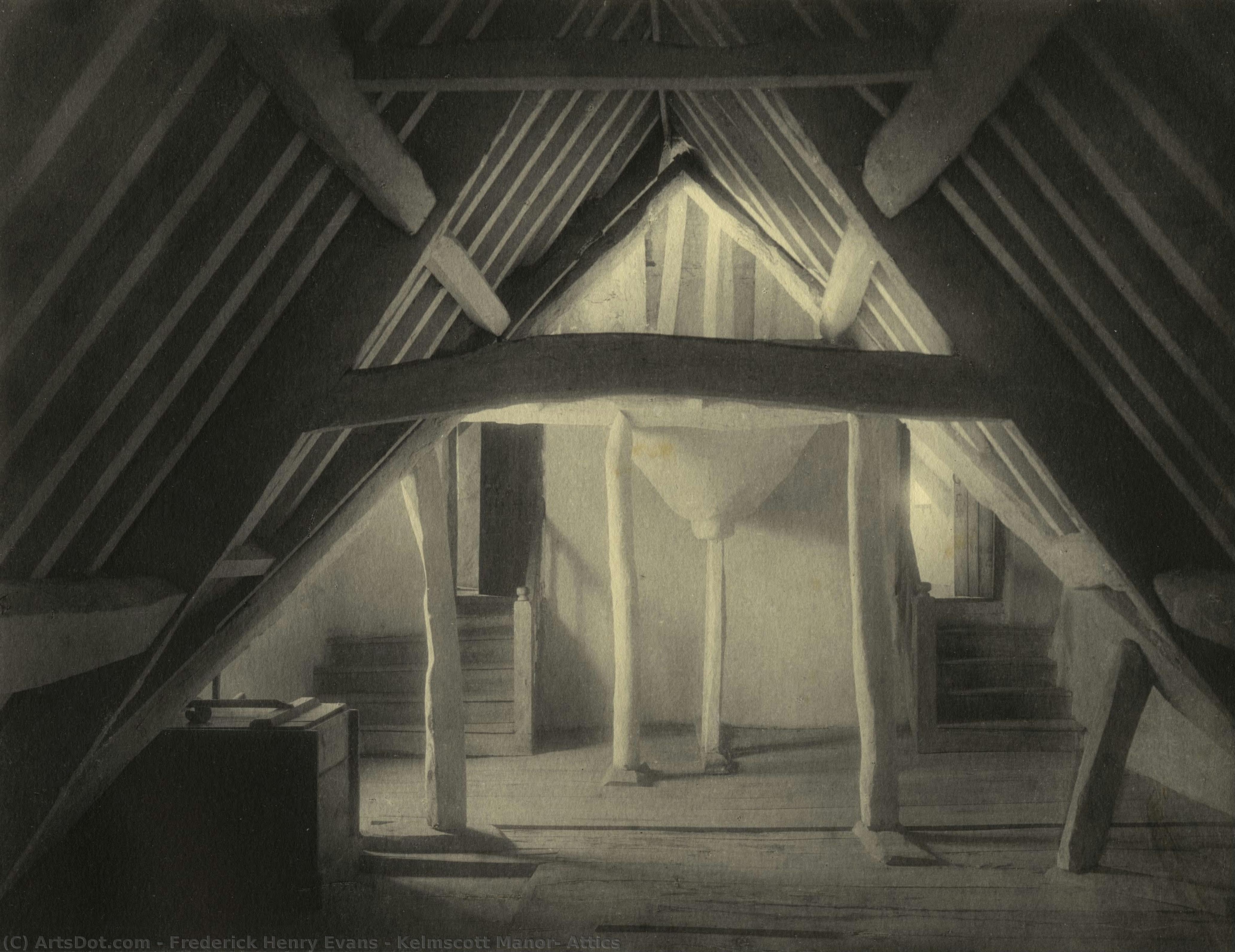
Kelmscott Manor: Attics
 Giclée Print
- Digital
- Pictorialist Photography
 1896
1896- 19th Century
 20.0 x 15.0 cm
 Музей Джорджа Востона
 Читать далее
Приобретите цифровое изображение высокого разрешения в улучшенном качестве, которое значительно превосходит онлайн-превью.
Каждый файл тщательно подготавливается нашими специалистами с использованием передовых инструментов и экспертной ручной ретуши. Мы гарантируем исключительную четкость, точную цветопередачу и детальную проработку каждого изображения.
Финальный файл доставляется по электронной почте в течение 72 часов и оптимизирован для немедленного использования в профессиональной среде, при верстке и печати. Это тот же уровень качества, которому доверяют ведущие дизайнерские студии, издательства и галереи.
Цифровое изображение
Скачайте файл высокого разрешения для личного использования, печати и творческих проектов. ( Перейти к печати Купить картину ручной работы)
Включено в каждый заказ цифровых изображений
Гарантия экспертной цифровой доставки
Выбирая ArtsDot.com, вы получаете не просто изображение — вы приобретаете профессионально обработанное цифровое произведение искусства, созданное с безупречной точностью и под защитой гарантии качества. Вот всё, что автоматически входит в ваш заказ:

Мгновенная доставка по e-mail
Ваш цифровой файл в высоком разрешении будет отправлен вам по электронной почте в течение 72 часов после оформления заказа — и сразу станет доступен для использования.

Цифровой файл с ИИ-улучшением
Ваше произведение искусства проходит профессиональную оптимизацию с использованием передовых инструментов ИИ и ручной обработки, что гарантирует максимальную детализацию, четкость и точность цветопередачи.

Бессрочная бесплатная повторная доставка
Случайно удалили или потеряли файл? Не беспокойтесь — мы отправим его вам повторно в любое время и совершенно бесплатно.

Без импортных пошлин — навсегда
Наслаждайтесь вашим произведением искусства мгновенно без таможенных пошлин, сборов или затрат на доставку — цифровые загрузки всегда не облагаются налогом.

Гарантия точности цветопередачи
Мы гарантируем, что ваше цифровое изображение максимально точно передает оригинальные цвета благодаря использованию профессиональных инструментов и систем управления цветом.

Гарантия удовлетворенности 100 дней
Если вы не будете удовлетворены своим цифровым изображением, мы внесем правки или вернем 100% стоимости в течение 100 дней — без лишних вопросов.

100% Гарантия возврата средств
Не удовлетворены покупкой? Получите полный возврат средств в течение 100 дней после получения цифрового файла — без лишних вопросов.

Скидки на оптовые заказы
Купите 3 изображения, сэкономьте 10% — Купите 5, сэкономьте 15% — Купите 10+, сэкономьте 20%. Отличное решение для творческих проектов, галерей и агентств.
A Glimpse into the Attics of Kelmscott Manor
Frederick Henry Evans’s “Kelmscott Manor: Attics” is more than just a photograph; it's a meticulously crafted moment frozen in time, a testament to the photographer’s singular vision and mastery of the platinotype. Executed in 1896, this evocative image transports us into the heart of Kelmscott Manor, a place steeped in literary history and architectural grandeur. Evans, already recognized for his stunning depictions of cathedrals, was experimenting with new techniques, seeking to capture not just form but also atmosphere – a pursuit evident in the soft, diffused light that bathes the room.
- The Architectonic Soul: The composition immediately draws the eye to the soaring vaulted ceiling, supported by a complex network of wooden beams and rafters. This isn’t merely a recording of a space; it's an appreciation for the structural elegance inherent in the building itself.
- A Sanctuary of Knowledge: Scattered throughout the room are books – not arranged with rigid formality, but seemingly placed as if by a thoughtful occupant. This detail subtly suggests the manor’s role as a haven for intellectual pursuits, aligning with its association with William Morris and his celebrated Kelmscott Press.
- Platinum's Embrace: Evans’s dedication to the platinotype process is crucial to understanding this image’s power. The technique, favored for its tonal range, archival stability, and matte finish, lends a timeless quality to the photograph. It avoids the glare and artificiality of other photographic methods, allowing the textures – the rough-hewn wood, the aged paper – to speak for themselves.
The Photographer’s Vision: Frederick Henry Evans
Frederick Henry Evans (1853-1943) was a pivotal figure in the development of Pictorialism, an artistic movement that sought to elevate photography beyond mere documentation and into the realm of fine art. Born in London, his early career as a bookseller provided him with a deep appreciation for craftsmanship and detail – qualities he would later translate into his photographic work. Evans’s fascination with cathedrals stemmed from a desire to capture not just their physical magnificence but also the spiritual atmosphere they evoked. His meticulous approach, combined with his innovative use of light and technique, established him as one of the most important photographers of the late 19th century.
- A Pioneer of Pictorialism: Evans’s work anticipated many of the tenets of Pictorialism, emphasizing subjective interpretation, artistic composition, and the use of photographic processes to create evocative images.
- The Cristoid Film Advantage: The photographer's utilization of Cristoid film was a key element in achieving his signature ethereal effect, softening details and creating a dreamlike quality within the image.
- Platinum Printing Mastery: Evans’s expertise in platinum printing further enhanced the photograph’s tonal richness and longevity, ensuring its enduring beauty for generations to come.
Symbolism and Emotional Resonance
"Kelmscott Manor: Attics" transcends a simple architectural study; it evokes a sense of quiet contemplation and timelessness. The muted tones, the diffused light, and the carefully arranged books create an atmosphere of scholarly seclusion – a space where ideas could be nurtured and explored. The ladder, a subtle yet significant element, suggests access to hidden knowledge, inviting the viewer to imagine themselves lost in the manor’s secrets. The photograph speaks to a longing for simpler times, for connection with tradition, and for the pursuit of beauty.
- Literary Legacy: The image is inextricably linked to William Morris's Kelmscott Press and its revolutionary publications, embodying the spirit of craftsmanship and artistic expression that defined the era.
- A Moment of Stillness: The photograph captures a fleeting moment – a pause in time within a historic space – inviting viewers to share in this quiet contemplation.
Specifications
Title: Kelmscott Manor: AtticsArtist: Frederick Henry Evans
Date: 1896
Medium: Black and White Photograph (Platinum Print)
Size: 20 x 15 cm
Condition: Hand-Painted Reproduction – Faithful Recreation of Original Artwork
Perfect for: Interior Design, Art Collectors, Literature Enthusiasts. A stunning addition to any space seeking a touch of timeless elegance and intellectual charm.
Похожие произведения

Биография художника
Frederick Henry Evans: A Life in Platinum
Frederick Henry Evans (1853-1943) was a renowned English photographer celebrated for his architectural studies, particularly of English and French cathedrals. His dedication to the platinotype process and meticulous attention to detail cemented his place as a significant figure within the Pictorialism movement.
Early Life and Career
Born on June 26, 1853, in London, United Kingdom, Evans initially pursued a career as a bookseller. However, he transitioned to full-time photography in 1898, embracing the emerging possibilities of the medium. This shift marked the beginning of his artistic journey and a lifelong dedication to capturing the beauty of architectural spaces.
Photographic Style and Technique
Evans’ photographic style was profoundly shaped by his adoption of the platinotype technique. This process offered several advantages over other methods of the time, including an extensive tonal range, non-glossy images, and superior resistance to deterioration. His mastery of platinum printing allowed him to create photographs with remarkable depth, texture, and atmospheric quality. He was known for his perfectionism, meticulously controlling every aspect of the photographic process from composition to printing.
Notable Works and Artistic Development
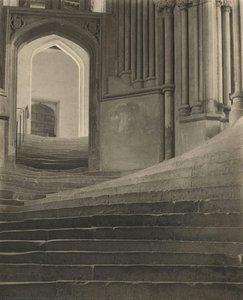
Evans’ most celebrated works are his architectural studies. Kelmscott Manor: Attics (1903) exemplifies his ability to transform ordinary spaces into evocative images. His series of photographs documenting Wells Cathedral, including Wells Cathedral: A Sea of Steps, showcases his skill in capturing the grandeur and complexity of Gothic architecture. Beyond cathedrals, he also produced compelling landscapes and portraits, notably of George Bernard Shaw, with whom he maintained a frequent correspondence.
Influences and Associations
Evans was deeply involved within the artistic community of his time. He became a member of the Linked Ring Photographic Society, a group dedicated to elevating photography to the status of fine art. His work reflects the Pictorialist aesthetic, which emphasized artistic vision and manipulation over purely objective representation.
Major Achievements and Recognition
- Became an honorary fellow of the Royal Photographic Society in 1928
- Gained international recognition for his platinum prints
- Influenced generations of photographers with his technical skill and artistic vision
Historical Significance and Legacy
Frederick Henry Evans’ contribution to photography lies not only in his beautiful images but also in his dedication to the platinotype process. He demonstrated the potential of this technique to create photographs of exceptional quality and lasting beauty. His work continues to inspire photographers today, serving as a testament to the power of artistic vision and technical mastery.
Museums and Collections
- The William Morris Gallery, United Kingdom
- Samuel Johnson Birthplace Museum, United Kingdom
- George Eastman Museum, Rochester, United States
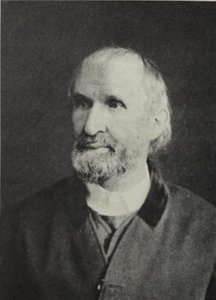
frederick henry evans
1853 - 1943 , United Kingdom
Основные сведения
- Birth Date: June 26, 1853
- Birth Place: London, United Kingdom
- Death Date: 1943
- Movement: Pictorialism
- Name: Frederick Henry Evans
- Nationality: British
- Notable Works:
- Kelmscott Manor: Attics
- Wells Cathedral: A Sea of Steps