

 Предпросмотр
 Поделиться
 Поделиться
 Детали произведения

 Скачать
 Похожие работы
 Рентгенография
 Слайд-шоу
 Статистика
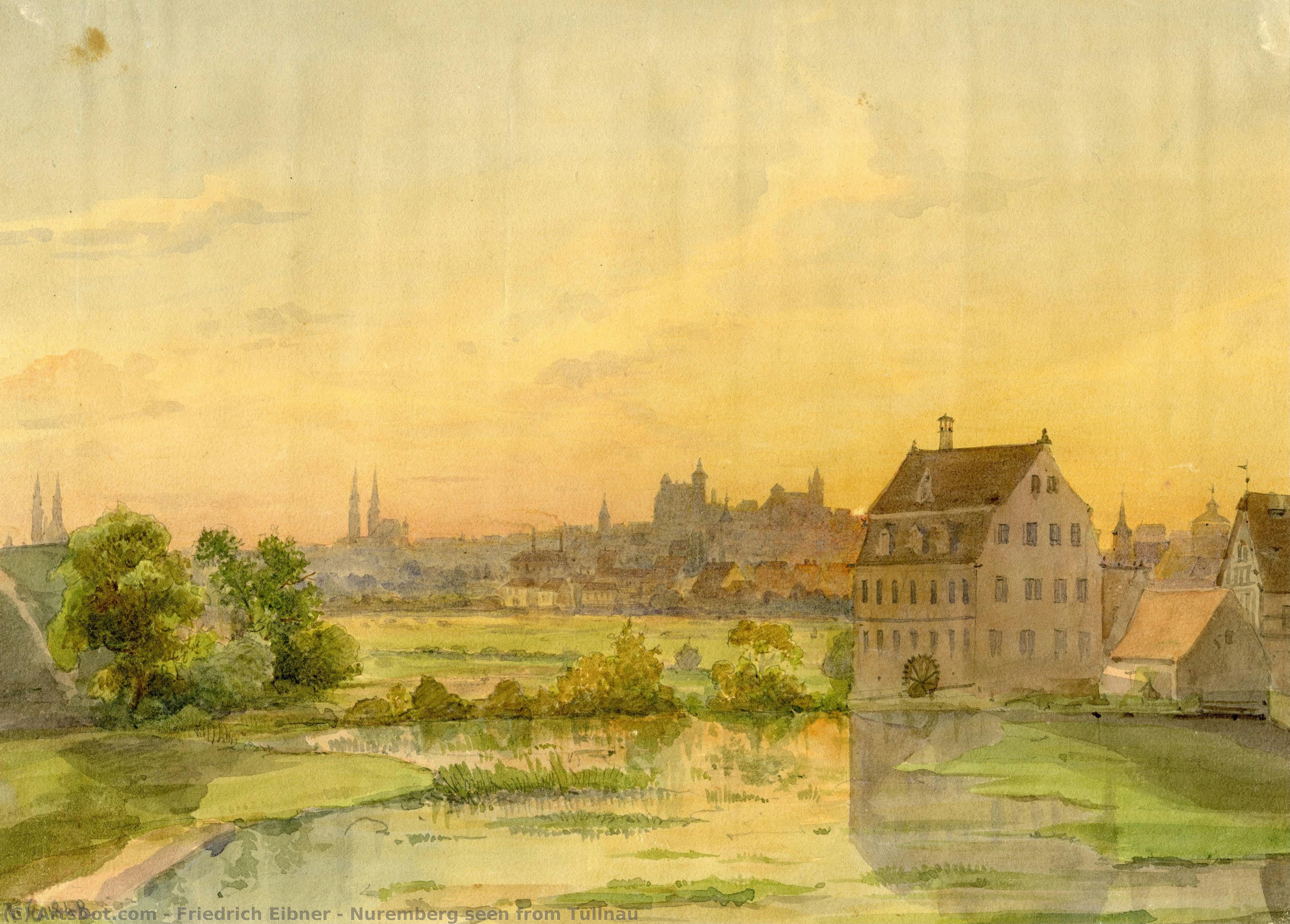
Nuremberg seen from Tullnau


 Читать далее
Жикле / Арт-принт
Печать (жикле) или холст музейного качества с быстрыми сроками изготовления и широким выбором вариантов отделки. ( Купить картину ручной работы Перейти к цифровым изображениям)




P118B $10

P118H $10

P118W $10

P438Z $10

P508JH $12

P508YH $12

P805H $10

P805Z $10

P919BZ $10

P919G $10

P919XJ $10

P959ZH $10

P968JZ $12

W106C $8

W218G $10

W218JH $8

W218Y $10

W307PJ $10

W316G $10

W316PJ $8

W316Y $10

W398PJ $8

W4111J $10

W500HY $15

W500JH $15

W692G $12

W849H $8

W940BG $15

W953PJ $8




Выберите один из наших стандартных размеров, соответствующих оригинальным пропорциям произведения искусства.

Вы можете указать свои собственные размеры, чтобы репродукция идеально подошла под конкретную раму или пространство. Если выбранный вами размер не будет соответствовать пропорциям оригинала, мы либо обрежем произведение, либо дополним изображение зеркальным отражением краев или однотонной заливкой. Перед началом производства вам будет отправлен цифровой макет для утверждения.
Пожалуйста, обратите внимание, что предварительный просмотр на экране не отображает фактическую обрезку или расширение изображения. Только макет точно покажет финальную композицию.
Несмотря на возможность заказа индивидуальных размеров, мы рекомендуем выбирать размер из предопределенного списка, чтобы сохранить оригинальные пропорции.
Доставка по всему миру () за 2 недели вместо стандартных 4/5 недель. (11 Сентябрь)

Бесплатная экспресс-доставка по всему миру

Высококачественный льняной холст

Полное страхование доставки

Гарантия возмещения таможенных пошлин

Гарантия точного соответствия цветов

100-дневная политика возврата (только при обнаружении дефектов)

Гарантия возврата 100% средств

Предложение оптовых скидок
 Вариант со стеклом доступен только для размеров менее 110 см

Nuremberg seen from Tullnau
Жикле / Арт-принт
Размер репродукции
-


Итоговая стоимость
$ 62
Похожие произведения
Биография художника
Jacques-Louis David: A Revolutionary Vision
Born in Strasbourg, France, in 1748, Jacques-Louis David emerged as a pivotal figure during the tumultuous era of the French Revolution and its immediate aftermath. Initially trained as a painter by his father, Jean-Baptiste David, a portraitist, young Jacques quickly demonstrated an exceptional talent for draftsmanship and a burgeoning interest in classical art. However, it was his encounter with Henry Fuseli, a Swiss artist residing in London, that profoundly shaped his artistic trajectory. Fuseli’s dramatic and emotionally charged works, particularly “The Nightmare,” ignited within David a fascination with the darker aspects of human experience – fear, passion, and the sublime—influences that would become hallmarks of his distinctive style.
David's early career was marked by a dedication to Neoclassical principles, embracing the ideals of order, reason, and harmony derived from ancient Greece and Rome. He honed his skills in the workshops of Boucher and Füssli, absorbing their techniques while simultaneously developing his own unique approach. His early successes included portraits for the aristocracy and historical paintings that adhered closely to established conventions. Yet, David’s artistic vision was never entirely confined by tradition; he possessed a restless spirit and an unwavering commitment to expressing profound ideas through his art.
The Revolutionary Artist
The French Revolution irrevocably altered David's life and work. Appointed as the official painter to the National Convention in 1793, he was tasked with creating monumental works that would glorify the revolution’s ideals. This period produced some of his most iconic paintings: *Oath of the Horatii* (1784), a powerful allegory of civic duty and sacrifice; *The Death of Marat* (1793), a visceral depiction of the assassination of Jean-Paul Marat, designed to evoke patriotic fervor; and *The Intervention of the Sabine Women* (1797), a complex allegorical scene celebrating peace. These works were not merely historical representations but carefully constructed propaganda pieces intended to inspire revolutionary zeal and solidify the new regime’s legitimacy.
David's involvement in the revolution extended beyond painting; he became a fervent supporter of Robespierre and played a significant role in the Reign of Terror. His artistic style reflected this political engagement, characterized by stark contrasts, dramatic lighting, and an emphasis on heroic figures engaged in decisive action. However, following Robespierre’s downfall, David was implicated in the Thermidorian Reaction and briefly imprisoned. This tumultuous period marked a turning point in his career, leading him to embrace a more restrained and classical style.
A Return to Classical Ideals
Following the Reign of Terror, David sought refuge in Italy, where he immersed himself in the study of Roman art and architecture. This experience profoundly influenced his artistic sensibilities, prompting a shift away from the overtly propagandistic works of the revolution towards a more refined and idealized style rooted in classical antiquity. He returned to Paris and secured a prestigious commission to decorate the ceiling of the Louvre Palace with mythological scenes, culminating in *The Judgment of Plato* (1802), a monumental fresco that showcased his mastery of composition, color, and dramatic effect.
During the Napoleonic era, David served as the official painter to Napoleon Bonaparte, creating portraits and historical paintings that glorified the emperor’s military triumphs. He continued to produce works in a classical style, emphasizing grandeur, heroism, and moral virtue. Despite his loyalty to Napoleon, David's artistic vision remained rooted in the ideals of antiquity, reflecting a deep appreciation for beauty, order, and intellectual rigor.
Legacy and Influence
Jacques-Louis David’s career spanned over five decades and encompassed a remarkable range of styles and subject matter. He remains one of the most influential artists of the Neoclassical period, profoundly shaping the course of European art in the late 18th and early 19th centuries. His dramatic compositions, masterful use of light and shadow, and powerful depictions of human emotion continue to resonate with audiences today.
David’s legacy extends beyond his individual works; he also played a crucial role in establishing the Académie des Beaux-Arts in Paris, which became the dominant institution for artistic training and patronage. His influence can be seen in the work of countless artists who followed him, including Eugène Delacroix, Théodore Géricault, and Jean-Auguste Dominique Ingres. David’s ability to seamlessly blend classical ideals with revolutionary fervor cemented his place as a pivotal figure in the transition from the Age of Enlightenment to the Romantic era, leaving an indelible mark on the history of art.
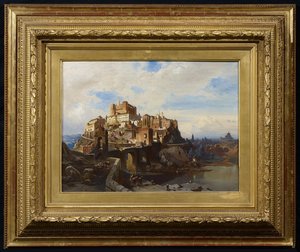
friedrich eibner
1825 - 1877 , Germany
Основные сведения
- Artistic Movement Or Style: Neoclassicism
- Artists Or Movements Influenced By This Artist:
- Romanticism
- Neoclassicism
- Artists Who Influenced This Artist:
- Henry Fuseli
- George Inness
- Date Of Birth: 1748
- Date Of Death: 1825
- Full Name: Jacques-Louis David
- Nationality: French
- Notable Artworks:
- Oath of the Horatii
- The Death of Marat
- Napoleon Crossing the Alps
- Place Of Birth: Paris, France
Похожие статьи

Ephemeral Visions: Exploring the History & Emotional Resonance of Watercolor Painting
Explore the captivating history of watercolor painting, from ancient techniques to modern masters like Kandinsky & Blake. Discover essential artists, collecting tips & the emotional power of this luminous medium. Expert insights for art enthusiasts.

Романтический пейзаж: 10 шедевров, изменивших искусство | ArtsDot.com
Погрузитесь в мир романтического пейзажа! 10 шедевров Фридриха, Тёрнера и других гениев. Узнайте историю создания культовых картин и вдохновитесь для декора интерьера. Репродукции высокого качества на ArtsDot.com.

Ephemeral Visions: Exploring the Artistic Legacy & Nuances of Watercolor Painting
Explore the captivating world of watercolor painting! Discover its rich history, essential techniques, influential artists & collecting tips from art experts. A comprehensive guide for enthusiasts.

Ephemeral Visions: Exploring the Artistic Legacy & Contemporary Practice of Watercolor Painting
Explore the captivating world of watercolor painting! Discover its rich history, essential techniques, influential artists & collecting tips. A comprehensive guide for art enthusiasts from ArtsDot.

Топ-10 легендарных акварелей, изменивших искусство навсегда | ArtsDot
Погрузитесь в мир акварели! Откройте топ-10 легендарных картин Turner, Monet и других великих художников. История искусства, техники живописи и вдохновение для вашего интерьера. Репродукции музейного качества на ArtsDot.com.