

 Предпросмотр
 Поделиться
 Поделиться
 Детали произведения

 Скачать
 Похожие работы
 Рентгенография
 Слайд-шоу
 Статистика
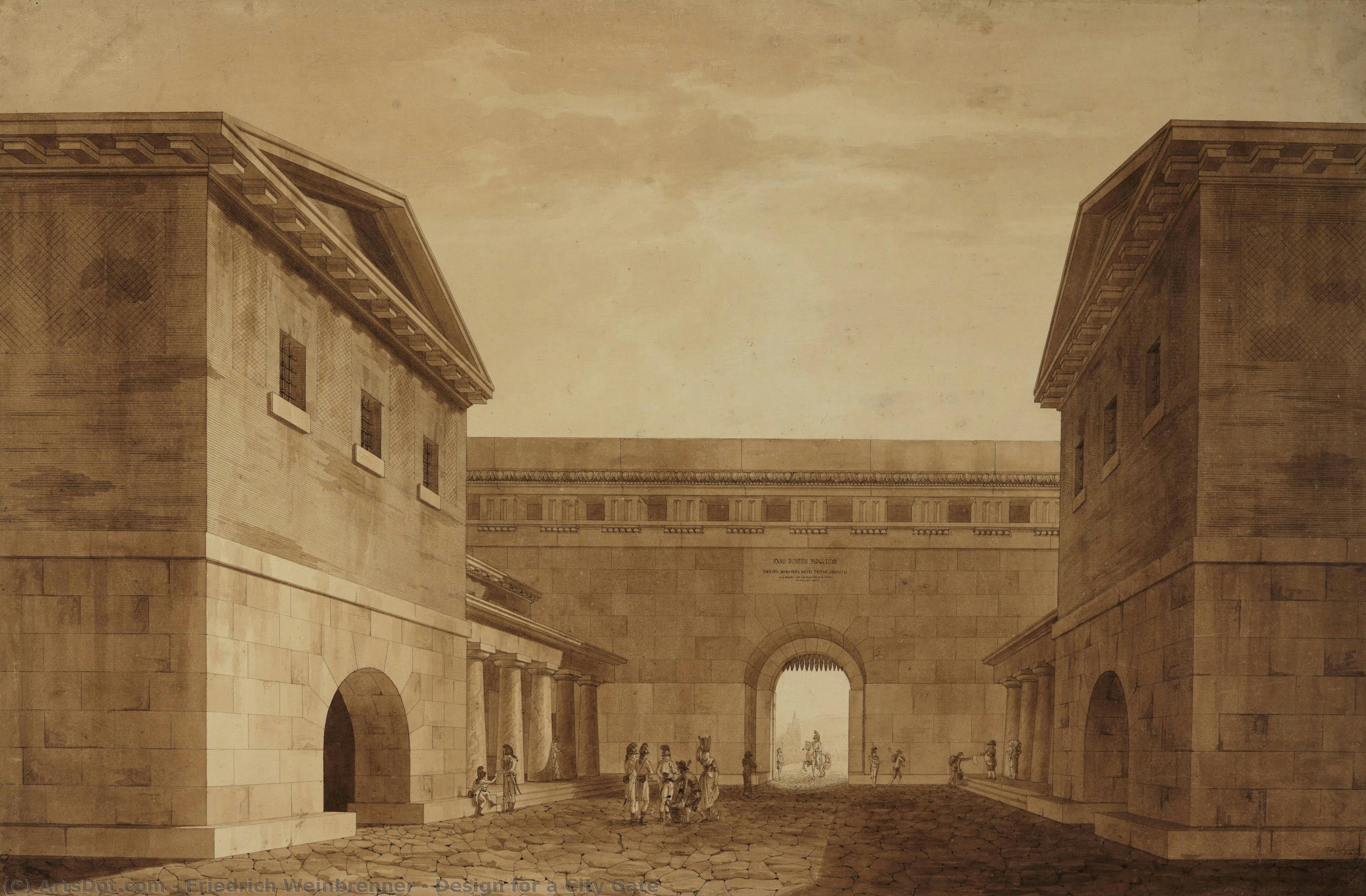
Design for a City Gate


 Читать далее
Масляная репродукция ручной работы
Картина маслом на холсте в выбранном вами размере и раме, написанная на заказ нашими художниками. ( Перейти к печати Перейти к цифровым изображениям)




































Выберите один из наших стандартных размеров, соответствующих оригинальным пропорциям произведения искусства.

Вы можете указать собственные размеры, чтобы картина идеально вписалась в выбранную раму или пространство. Если выбранный вами размер не соответствует пропорциям оригинала, мы либо обрежем полотно, либо расширим его за счет дополнительных элементов, написанных вручную. Цифровой макет будет отправлен вам на утверждение перед началом производства.
Обратите внимание, что предварительный просмотр на экране не отражает фактическую обрезку или расширение. Только макет точно покажет окончательную композицию.
Хотя доступны индивидуальные размеры, мы рекомендуем выбирать вариант из предопределенного списка, чтобы сохранить исходные пропорции.
После оформления заказа команда ArtsDot.com свяжется с клиентом по электронной почте для уточнения деталей и предоставит предварительный макет
Доставка по всему миру () за 3–4 недели вместо стандартных 5 недель. (11 Сентябрь). Без компромиссов в качестве.

Бесплатная экспресс-доставка по всему миру

Высококачественный льняной холст

Полное страхование доставки

Гарантия возмещения таможенных пошлин

Гарантия точного соответствия цветов

100-дневная политика возврата (только при обнаружении дефектов)

Гарантия возврата 100% средств

Предложение оптовых скидок
 Вариант со стеклом доступен только для размеров менее 110 см

Design for a City Gate
Техника репродукции
Размер репродукции
-


Итоговая стоимость
$ 263
A Vision of Neoclassical Grandeur
In the delicate interplay of line and light captured within Design for a City Gate, we find ourselves transported to the twilight of the eighteenth century. Created in 1794 by the master German architect and urban planner Friedrich Weinbrenner, this exquisite work serves as more than a mere architectural blueprint; it is a window into an era defined by the pursuit of classical order and civic pride. The composition centers on a magnificent city gate, flanked by two imposing towers that stand as silent sentinels of stability. Through the sweeping archway, the viewer is invited to peer into the heart of a bustling urban landscape, where the rhythmic movement of figures and the gentle presence of a boat upon the water suggest a world in harmonious motion. The piece breathes with the quiet dignity of an age seeking to reconstruct its identity through the timeless language of antiquity.
The technical mastery displayed in this work reflects Weinbrenner’s profound immersion in the architectural traditions of the past. Having traveled extensively through Italy, studying the weathered majesty of Pompeii and Paestum, Weinbrenner infused his designs with a Neoclassical precision that is palpable even in this early drawing. The artist utilizes a delicate, controlled technique to define the structural integrity of the gate, emphasizing the strength of the masonry and the mathematical elegance of the arch. There is a subtle, atmospheric quality to the way the light interacts with the scene, creating a sense of depth that draws the eye from the immediate foreground toward the distant, hazy horizon of the city. For the discerning collector or interior designer, this piece offers a sophisticated textural element, providing a focal point that balances structural strength with ethereal grace.
Beyond its architectural significance, Design for a City Gate resonates with a deep emotional and symbolic resonance. The gate itself acts as a powerful metaphor for transition—a threshold between the wilder, external world and the structured, civilized interior of the city. It represents security, progress, and the human desire to create lasting monuments that defy the passage of time. The inclusion of small, scattered figures adds a layer of narrative intimacy, reminding us that these grand structures are built to house the pulse of human life. To display a high-quality reproduction of this work is to invite an atmosphere of intellectual curiosity and historical reverence into a space. It serves as an evocative conversation piece, perfect for those who appreciate the intersection of fine art, urban history, and the enduring beauty of classical aesthetics.
Похожие произведения
Биография художника
Friedrich Weinbrenner: Life and Legacy
Early Life and Education
- Friedrich Weinbrenner was born on November 24, 1766, in Karlsruhe, Germany.
- He initially trained as a carpenter under his father before pursuing a career in architecture and urban planning.
- From 1788, he gained practical experience working as a builder in Zürich and Lausanne.
- In 1790, Weinbrenner moved to Vienna to study architecture, largely self-taught, before formalizing his education at the Bauakademie in Vienna and Dresden (1790–91).
- Further exposure to Palladian architecture came during a period in Berlin (1791–92), influenced by architects like Carl Gotthard Langhans and David Gilly.
- A pivotal experience was his time in Italy from 1792 to 1797, where he studied ancient Roman buildings – particularly at Pompeii, Herculaneum, and Paestum – profoundly shaping his aesthetic sensibilities.
Artistic Development and Influences
- Weinbrenner’s architectural style is firmly rooted in Neoclassicism, emphasizing classical elements such as columns, arches, and domes.
- His work reflects a commitment to simplicity, elegance, and meticulous detail.
- Key influences included Carl Ludwig Fernow during his Italian period, and earlier architects like Langhans and Gilly who introduced him to Palladian principles.
- He was among the first German architects to thoroughly study early Doric temples at Paestum, which significantly impacted his designs.
Major Achievements and Notable Works
- Upon returning to Karlsruhe, Weinbrenner became the city’s official architect, playing a crucial role in its development.
- Some of his most significant works include:
- Karlsruhe Synagogue (1798–1800)
- Palace (1803–14) – partially reconstructed after WWII
- Karlsruhe Court Theater (1804–08)
- City Hall (1821–25)
- Protestant Church (Stadtkirche) (1807–16)
- St Stephan Catholic Church (1808-14)
- He also designed various other buildings, including museums, gates, and bathhouses within Karlsruhe.
- In 1825, he helped establish the Polytechnic School in Karlsruhe, contributing to architectural education.
Historical Significance and Legacy
- Weinbrenner is considered a pivotal figure in establishing a distinct “Weinbrenner style” of Classicism.
- His work was instrumental in shaping Karlsruhe as a classically designed city.
- He trained a generation of architects who continued to propagate his aesthetic principles.
- Many of his buildings were destroyed during World War II but have been reconstructed, demonstrating their enduring importance.
- His designs continue to inspire architects and urban planners today, solidifying his place in architectural history.
Death
- Friedrich Weinbrenner passed away on March 1, 1826, in Karlsruhe, leaving behind a lasting legacy of Neoclassical architecture and urban planning.
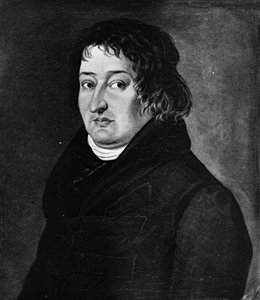
Friedrich Weinbrenner
1766 - 1826 , Germany
Основные сведения
- Birth Date: 1766
- Birth Place: Karlsruhe, Germany
- Death Date: 1826
- Influenced By:
- Carl Gotthard Langhans
- David Gilly
- Hans Christian Genelli
- Carl Ludwig Fernow
- Movement: Neoclassical architecture
- Name: Friedrich Weinbrenner
- Nationality: German
- Notable Works:
- Karlsruhe Synagogue
- Palace (Karlsruhe)
- City Hall (Karlsruhe)
- Protestant Church (Karlsruhe)
Похожие статьи
The Nuances of Graphite: Exploring Emotional Depth & Technical Mastery in Pencil Drawing
Explore the captivating world of graphite drawing! Discover its rich history, master essential techniques like chiaroscuro, and learn how artists evoke emotion through this timeless medium. Expert insights for art enthusiasts.
Frederick Bridgman: Anatomical Mastery & the Evolution of Figure Drawing Instruction
Explore the anatomical mastery of George B. Bridgman & his revolutionary figure drawing techniques. Discover how his methods transformed art instruction and continue to inspire artists today. Learn more at ArtsDot.

The Revival of Antiquity: Exploring Neoclassical Art's Ideals & Enduring Legacy
Explore the revival of classical ideals in Neoclassical art! Discover Jacques-Louis David & the movement's impact on painting, sculpture & architecture. Expert insights & high-quality reproductions at ArtsDot.
10 Шедевров Неоклассицизма: Искусство, Определившее Эпоху | ArtsDot
Погрузитесь в мир неоклассицизма! 10 шедевров от Давида, Кановы и других великих художников. Узнайте историю создания культовых картин и найдите идеальную репродукцию для вашего интерьера на ArtsDot.com

The Enduring Power of Line: Exploring Themes & Techniques in Drawing Across Art History
Explore the rich history of drawing! Discover key techniques like linear perspective & iconic artists from the Renaissance to modern times. Enhance your art appreciation with ArtsDot.