

 Предпросмотр
 Поделиться
 Поделиться
 Детали произведения

 Скачать
 Похожие работы
 Рентгенография
 Слайд-шоу
 Статистика
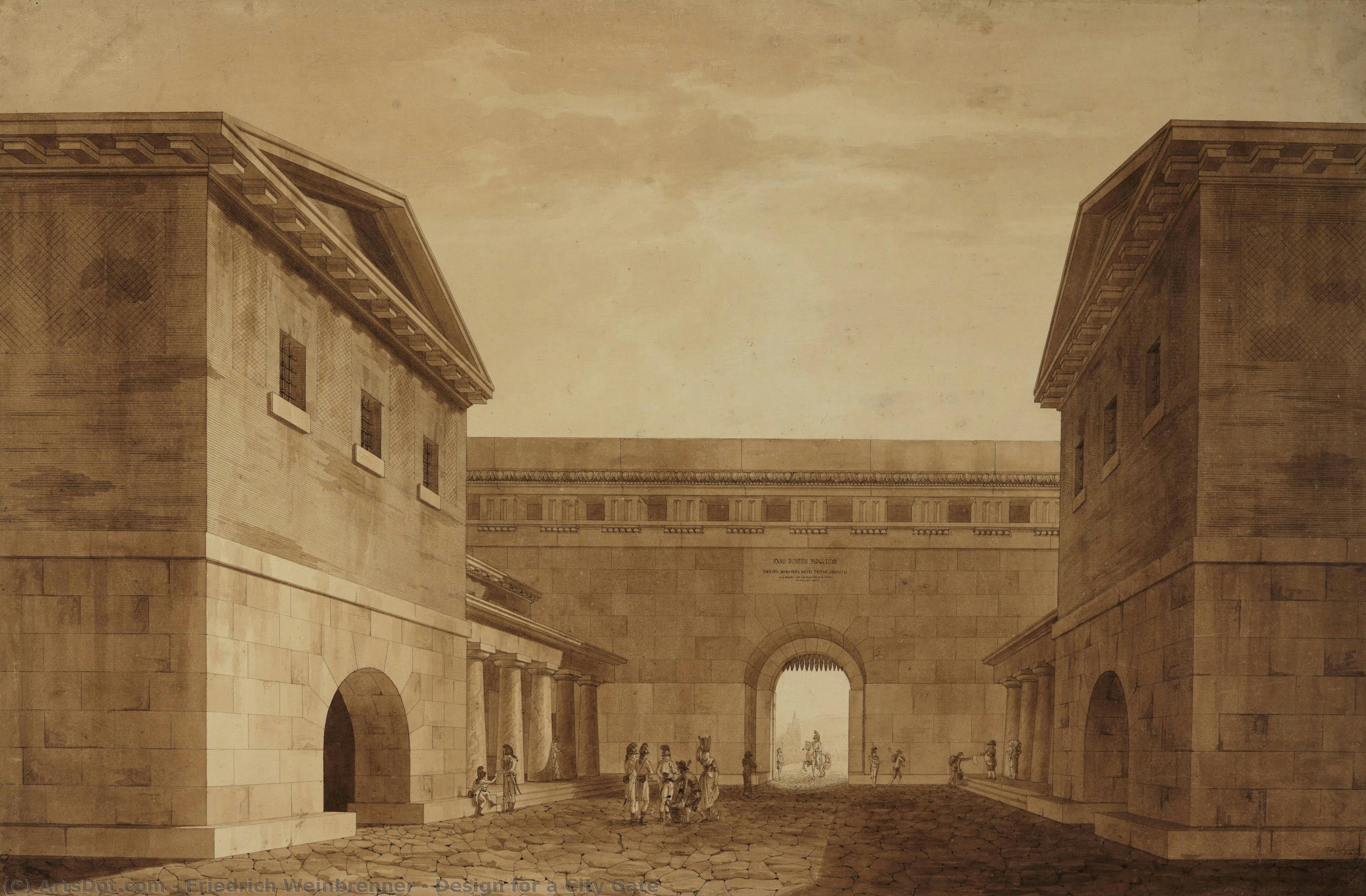
Design for a City Gate


 Читать далее
Приобретите цифровое изображение высокого разрешения в улучшенном качестве, которое значительно превосходит онлайн-превью.
Каждый файл тщательно подготавливается нашими специалистами с использованием передовых инструментов и экспертной ручной ретуши. Мы гарантируем исключительную четкость, точную цветопередачу и детальную проработку каждого изображения.
Финальный файл доставляется по электронной почте в течение 72 часов и оптимизирован для немедленного использования в профессиональной среде, при верстке и печати. Это тот же уровень качества, которому доверяют ведущие дизайнерские студии, издательства и галереи.
Цифровое изображение
Скачайте файл высокого разрешения для личного использования, печати и творческих проектов. ( Перейти к печати Купить картину ручной работы)
Включено в каждый заказ цифровых изображений
Гарантия экспертной цифровой доставки
Выбирая ArtsDot.com, вы получаете не просто изображение — вы приобретаете профессионально обработанное цифровое произведение искусства, созданное с безупречной точностью и под защитой гарантии качества. Вот всё, что автоматически входит в ваш заказ:

Мгновенная доставка по e-mail
Ваш цифровой файл в высоком разрешении будет отправлен вам по электронной почте в течение 72 часов после оформления заказа — и сразу станет доступен для использования.

Цифровой файл с ИИ-улучшением
Ваше произведение искусства проходит профессиональную оптимизацию с использованием передовых инструментов ИИ и ручной обработки, что гарантирует максимальную детализацию, четкость и точность цветопередачи.

Бессрочная бесплатная повторная доставка
Случайно удалили или потеряли файл? Не беспокойтесь — мы отправим его вам повторно в любое время и совершенно бесплатно.

Без импортных пошлин — навсегда
Наслаждайтесь вашим произведением искусства мгновенно без таможенных пошлин, сборов или затрат на доставку — цифровые загрузки всегда не облагаются налогом.

Гарантия точности цветопередачи
Мы гарантируем, что ваше цифровое изображение максимально точно передает оригинальные цвета благодаря использованию профессиональных инструментов и систем управления цветом.

Гарантия удовлетворенности 100 дней
Если вы не будете удовлетворены своим цифровым изображением, мы внесем правки или вернем 100% стоимости в течение 100 дней — без лишних вопросов.

100% Гарантия возврата средств
Не удовлетворены покупкой? Получите полный возврат средств в течение 100 дней после получения цифрового файла — без лишних вопросов.

Скидки на оптовые заказы
Купите 3 изображения, сэкономьте 10% — Купите 5, сэкономьте 15% — Купите 10+, сэкономьте 20%. Отличное решение для творческих проектов, галерей и агентств.
A Vision of Neoclassical Grandeur
In the delicate interplay of line and light captured within Design for a City Gate, we find ourselves transported to the twilight of the eighteenth century. Created in 1794 by the master German architect and urban planner Friedrich Weinbrenner, this exquisite work serves as more than a mere architectural blueprint; it is a window into an era defined by the pursuit of classical order and civic pride. The composition centers on a magnificent city gate, flanked by two imposing towers that stand as silent sentinels of stability. Through the sweeping archway, the viewer is invited to peer into the heart of a bustling urban landscape, where the rhythmic movement of figures and the gentle presence of a boat upon the water suggest a world in harmonious motion. The piece breathes with the quiet dignity of an age seeking to reconstruct its identity through the timeless language of antiquity.
The technical mastery displayed in this work reflects Weinbrenner’s profound immersion in the architectural traditions of the past. Having traveled extensively through Italy, studying the weathered majesty of Pompeii and Paestum, Weinbrenner infused his designs with a Neoclassical precision that is palpable even in this early drawing. The artist utilizes a delicate, controlled technique to define the structural integrity of the gate, emphasizing the strength of the masonry and the mathematical elegance of the arch. There is a subtle, atmospheric quality to the way the light interacts with the scene, creating a sense of depth that draws the eye from the immediate foreground toward the distant, hazy horizon of the city. For the discerning collector or interior designer, this piece offers a sophisticated textural element, providing a focal point that balances structural strength with ethereal grace.
Beyond its architectural significance, Design for a City Gate resonates with a deep emotional and symbolic resonance. The gate itself acts as a powerful metaphor for transition—a threshold between the wilder, external world and the structured, civilized interior of the city. It represents security, progress, and the human desire to create lasting monuments that defy the passage of time. The inclusion of small, scattered figures adds a layer of narrative intimacy, reminding us that these grand structures are built to house the pulse of human life. To display a high-quality reproduction of this work is to invite an atmosphere of intellectual curiosity and historical reverence into a space. It serves as an evocative conversation piece, perfect for those who appreciate the intersection of fine art, urban history, and the enduring beauty of classical aesthetics.
Похожие произведения

Биография художника
Friedrich Weinbrenner: Life and Legacy
Early Life and Education
- Friedrich Weinbrenner was born on November 24, 1766, in Karlsruhe, Germany.
- He initially trained as a carpenter under his father before pursuing a career in architecture and urban planning.
- From 1788, he gained practical experience working as a builder in Zürich and Lausanne.
- In 1790, Weinbrenner moved to Vienna to study architecture, largely self-taught, before formalizing his education at the Bauakademie in Vienna and Dresden (1790–91).
- Further exposure to Palladian architecture came during a period in Berlin (1791–92), influenced by architects like Carl Gotthard Langhans and David Gilly.
- A pivotal experience was his time in Italy from 1792 to 1797, where he studied ancient Roman buildings – particularly at Pompeii, Herculaneum, and Paestum – profoundly shaping his aesthetic sensibilities.
Artistic Development and Influences
- Weinbrenner’s architectural style is firmly rooted in Neoclassicism, emphasizing classical elements such as columns, arches, and domes.
- His work reflects a commitment to simplicity, elegance, and meticulous detail.
- Key influences included Carl Ludwig Fernow during his Italian period, and earlier architects like Langhans and Gilly who introduced him to Palladian principles.
- He was among the first German architects to thoroughly study early Doric temples at Paestum, which significantly impacted his designs.
Major Achievements and Notable Works
- Upon returning to Karlsruhe, Weinbrenner became the city’s official architect, playing a crucial role in its development.
- Some of his most significant works include:
- Karlsruhe Synagogue (1798–1800)
- Palace (1803–14) – partially reconstructed after WWII
- Karlsruhe Court Theater (1804–08)
- City Hall (1821–25)
- Protestant Church (Stadtkirche) (1807–16)
- St Stephan Catholic Church (1808-14)
- He also designed various other buildings, including museums, gates, and bathhouses within Karlsruhe.
- In 1825, he helped establish the Polytechnic School in Karlsruhe, contributing to architectural education.
Historical Significance and Legacy
- Weinbrenner is considered a pivotal figure in establishing a distinct “Weinbrenner style” of Classicism.
- His work was instrumental in shaping Karlsruhe as a classically designed city.
- He trained a generation of architects who continued to propagate his aesthetic principles.
- Many of his buildings were destroyed during World War II but have been reconstructed, demonstrating their enduring importance.
- His designs continue to inspire architects and urban planners today, solidifying his place in architectural history.
Death
- Friedrich Weinbrenner passed away on March 1, 1826, in Karlsruhe, leaving behind a lasting legacy of Neoclassical architecture and urban planning.
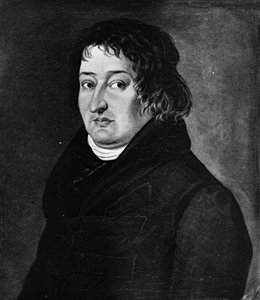
Friedrich Weinbrenner
1766 - 1826 , Germany
Основные сведения
- Birth Date: 1766
- Birth Place: Karlsruhe, Germany
- Death Date: 1826
- Influenced By:
- Carl Gotthard Langhans
- David Gilly
- Hans Christian Genelli
- Carl Ludwig Fernow
- Movement: Neoclassical architecture
- Name: Friedrich Weinbrenner
- Nationality: German
- Notable Works:
- Karlsruhe Synagogue
- Palace (Karlsruhe)
- City Hall (Karlsruhe)
- Protestant Church (Karlsruhe)