

 Предпросмотр
 Поделиться
 Поделиться
 Детали произведения

 Скачать
 Похожие работы
 Рентгенография
 Слайд-шоу
 Статистика
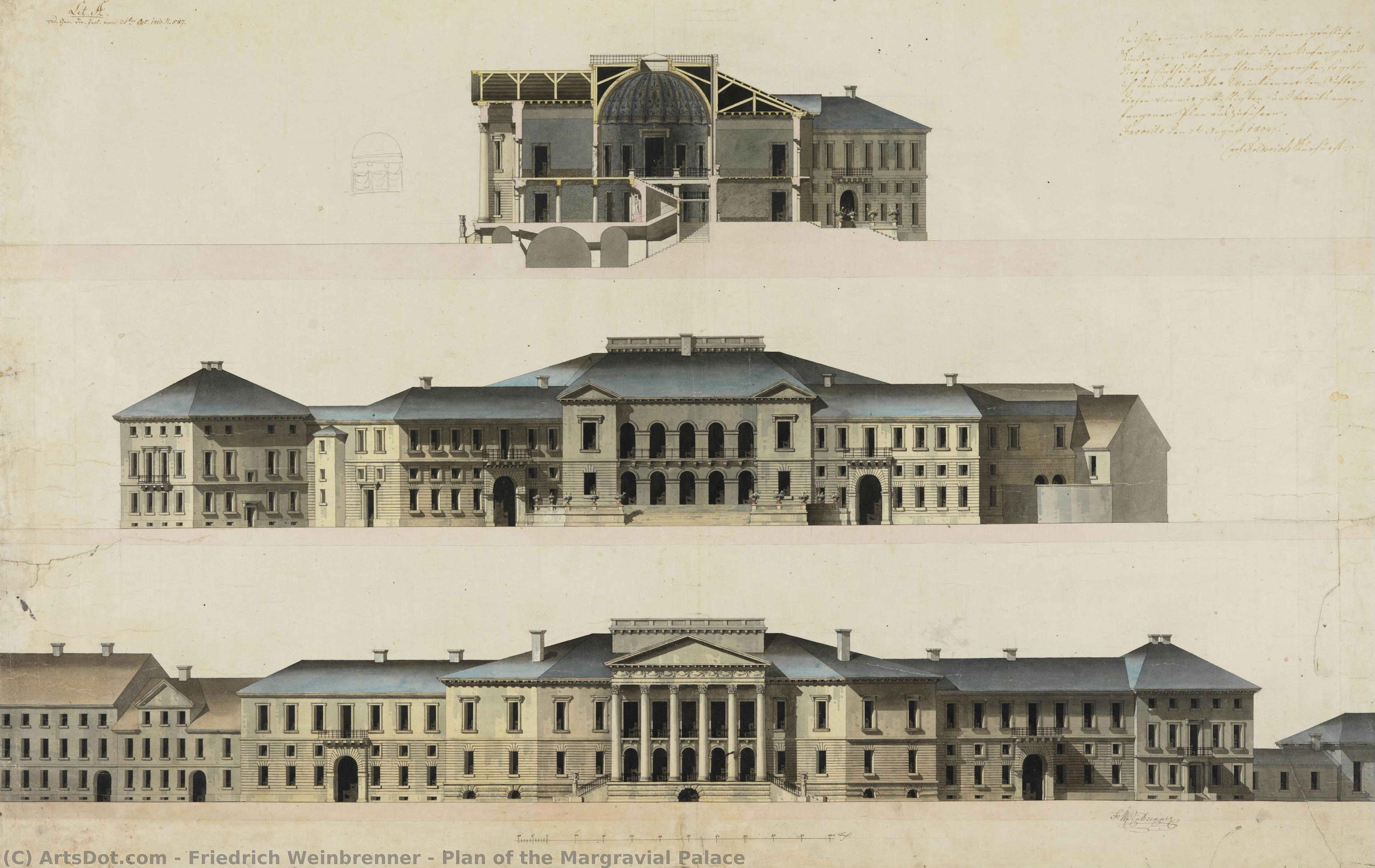
Plan of the Margravial Palace


 Читать далее
Жикле / Арт-принт
Печать (жикле) или холст музейного качества с быстрыми сроками изготовления и широким выбором вариантов отделки. ( Купить картину ручной работы Перейти к цифровым изображениям)




































Выберите один из наших стандартных размеров, соответствующих оригинальным пропорциям произведения искусства.

Вы можете указать свои собственные размеры, чтобы репродукция идеально подошла под конкретную раму или пространство. Если выбранный вами размер не будет соответствовать пропорциям оригинала, мы либо обрежем произведение, либо дополним изображение зеркальным отражением краев или однотонной заливкой. Перед началом производства вам будет отправлен цифровой макет для утверждения.
Пожалуйста, обратите внимание, что предварительный просмотр на экране не отображает фактическую обрезку или расширение изображения. Только макет точно покажет финальную композицию.
Несмотря на возможность заказа индивидуальных размеров, мы рекомендуем выбирать размер из предопределенного списка, чтобы сохранить оригинальные пропорции.
Доставка по всему миру () за 2 недели вместо стандартных 4/5 недель. (12 Сентябрь)

Бесплатная экспресс-доставка по всему миру

Высококачественный льняной холст

Полное страхование доставки

Гарантия возмещения таможенных пошлин

Гарантия точного соответствия цветов

100-дневная политика возврата (только при обнаружении дефектов)

Гарантия возврата 100% средств

Предложение оптовых скидок
 Вариант со стеклом доступен только для размеров менее 110 см

Plan of the Margravial Palace
Жикле / Арт-принт
Размер репродукции
-


Итоговая стоимость
$ 62
Похожие произведения
Биография художника
Friedrich Weinbrenner: Life and Legacy
Early Life and Education
- Friedrich Weinbrenner was born on November 24, 1766, in Karlsruhe, Germany.
- He initially trained as a carpenter under his father before pursuing a career in architecture and urban planning.
- From 1788, he gained practical experience working as a builder in Zürich and Lausanne.
- In 1790, Weinbrenner moved to Vienna to study architecture, largely self-taught, before formalizing his education at the Bauakademie in Vienna and Dresden (1790–91).
- Further exposure to Palladian architecture came during a period in Berlin (1791–92), influenced by architects like Carl Gotthard Langhans and David Gilly.
- A pivotal experience was his time in Italy from 1792 to 1797, where he studied ancient Roman buildings – particularly at Pompeii, Herculaneum, and Paestum – profoundly shaping his aesthetic sensibilities.
Artistic Development and Influences
- Weinbrenner’s architectural style is firmly rooted in Neoclassicism, emphasizing classical elements such as columns, arches, and domes.
- His work reflects a commitment to simplicity, elegance, and meticulous detail.
- Key influences included Carl Ludwig Fernow during his Italian period, and earlier architects like Langhans and Gilly who introduced him to Palladian principles.
- He was among the first German architects to thoroughly study early Doric temples at Paestum, which significantly impacted his designs.
Major Achievements and Notable Works
- Upon returning to Karlsruhe, Weinbrenner became the city’s official architect, playing a crucial role in its development.
- Some of his most significant works include:
- Karlsruhe Synagogue (1798–1800)
- Palace (1803–14) – partially reconstructed after WWII
- Karlsruhe Court Theater (1804–08)
- City Hall (1821–25)
- Protestant Church (Stadtkirche) (1807–16)
- St Stephan Catholic Church (1808-14)
- He also designed various other buildings, including museums, gates, and bathhouses within Karlsruhe.
- In 1825, he helped establish the Polytechnic School in Karlsruhe, contributing to architectural education.
Historical Significance and Legacy
- Weinbrenner is considered a pivotal figure in establishing a distinct “Weinbrenner style” of Classicism.
- His work was instrumental in shaping Karlsruhe as a classically designed city.
- He trained a generation of architects who continued to propagate his aesthetic principles.
- Many of his buildings were destroyed during World War II but have been reconstructed, demonstrating their enduring importance.
- His designs continue to inspire architects and urban planners today, solidifying his place in architectural history.
Death
- Friedrich Weinbrenner passed away on March 1, 1826, in Karlsruhe, leaving behind a lasting legacy of Neoclassical architecture and urban planning.
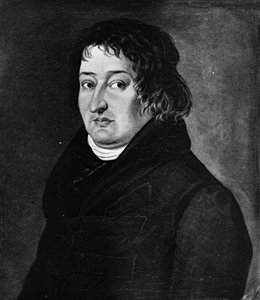
Friedrich Weinbrenner
1766 - 1826 , Germany
Основные сведения
- Birth Date: 1766
- Birth Place: Karlsruhe, Germany
- Death Date: 1826
- Influenced By:
- Carl Gotthard Langhans
- David Gilly
- Hans Christian Genelli
- Carl Ludwig Fernow
- Movement: Neoclassical architecture
- Name: Friedrich Weinbrenner
- Nationality: German
- Notable Works:
- Karlsruhe Synagogue
- Palace (Karlsruhe)
- City Hall (Karlsruhe)
- Protestant Church (Karlsruhe)
Похожие статьи
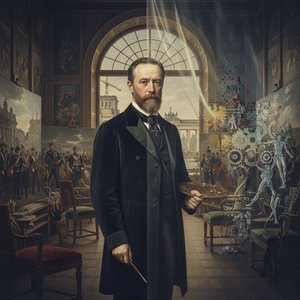
Anton von Werner: Imperial Painter, Historical Witness & Shifting German Identity
Explore the life & work of Anton von Werner, Imperial Germany's leading painter. Discover his dramatic depictions of war, unification, and court life – a fascinating insight into 19th-century German history & art.
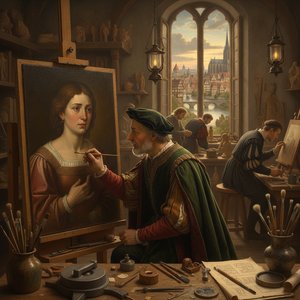
The Northern Awakening: Artistic Innovation & Cultural Transformation in the German Renaissance
Explore the artistic innovation of the German Renaissance! Discover Dürer, the Danube School & Reformation art. Learn about techniques, materials & lasting influence. Find museum-quality reproductions at ArtsDot.
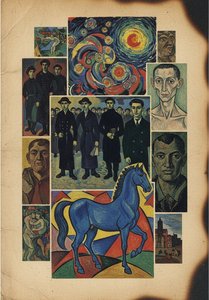
10 Шедевров Немецкого Экспрессионизма: Искусство Эмоций и Вдохновения | ArtsDot
Погрузитесь в мир немецкого экспрессионизма! Узнайте истории создания шедевров Мунка, Кирхнера, Кандинского и других великих художников. Репродукции картин высокого качества для вашего интерьера на ArtsDot.com. Откройте всю коллекцию онлайн!
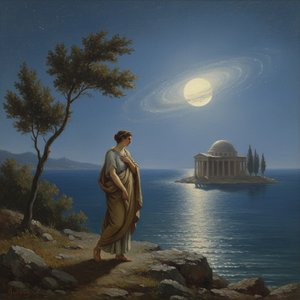
Anselm Feuerbach: Romantic Idealism & the Search for Spiritual Harmony in 19th-Century Painting
Explore the life & work of Anselm Feuerbach, a leading German Neoclassical painter. Discover his Romantic idealism, mythological scenes, and stunning portraits. Learn about his influences & lasting legacy with ArtsDot.
10 Шедевров Неоклассицизма: Искусство, Определившее Эпоху | ArtsDot
Погрузитесь в мир неоклассицизма! 10 шедевров от Давида, Кановы и других великих художников. Узнайте историю создания культовых картин и найдите идеальную репродукцию для вашего интерьера на ArtsDot.com