

 Предпросмотр
 Поделиться
 Поделиться
 Детали произведения

 Скачать
 Похожие работы
 Рентгенография
 Слайд-шоу
 Статистика
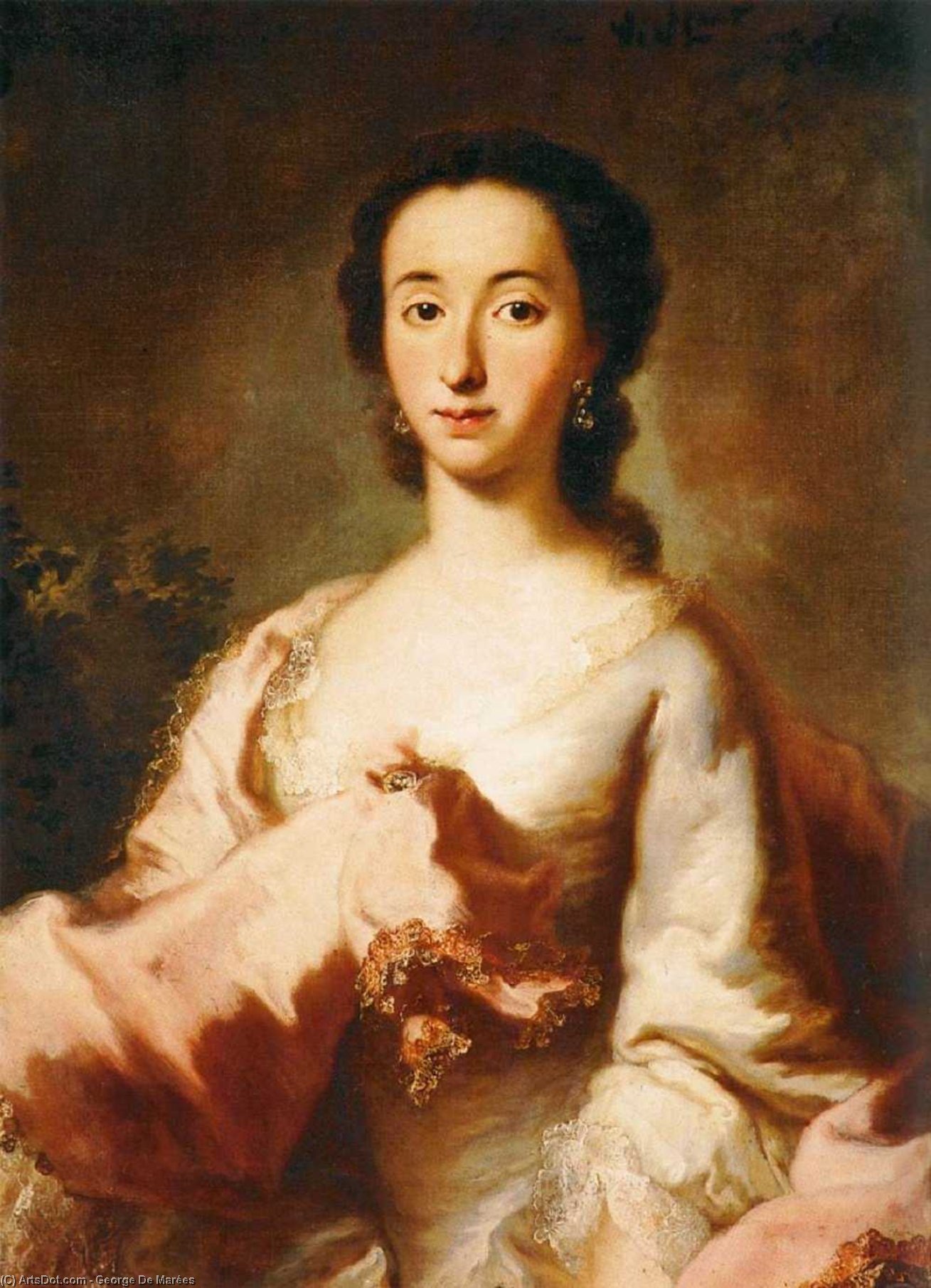
Portrait of Maria Rosa Walburga von Soyer
 Oil On Canvas
- WallArt
 1750
1750 88.0 x 69.0 cm
 Музей Тиссен-Борнмизеса
 Читать далее
Приобретите цифровое изображение высокого разрешения в улучшенном качестве, которое значительно превосходит онлайн-превью.
Каждый файл тщательно подготавливается нашими специалистами с использованием передовых инструментов и экспертной ручной ретуши. Мы гарантируем исключительную четкость, точную цветопередачу и детальную проработку каждого изображения.
Финальный файл доставляется по электронной почте в течение 72 часов и оптимизирован для немедленного использования в профессиональной среде, при верстке и печати. Это тот же уровень качества, которому доверяют ведущие дизайнерские студии, издательства и галереи.
Цифровое изображение
Скачайте файл высокого разрешения для личного использования, печати и творческих проектов. ( Перейти к печати Купить картину ручной работы)
Включено в каждый заказ цифровых изображений
Гарантия экспертной цифровой доставки
Выбирая ArtsDot.com, вы получаете не просто изображение — вы приобретаете профессионально обработанное цифровое произведение искусства, созданное с безупречной точностью и под защитой гарантии качества. Вот всё, что автоматически входит в ваш заказ:

Мгновенная доставка по e-mail
Ваш цифровой файл в высоком разрешении будет отправлен вам по электронной почте в течение 72 часов после оформления заказа — и сразу станет доступен для использования.

Цифровой файл с ИИ-улучшением
Ваше произведение искусства проходит профессиональную оптимизацию с использованием передовых инструментов ИИ и ручной обработки, что гарантирует максимальную детализацию, четкость и точность цветопередачи.

Бессрочная бесплатная повторная доставка
Случайно удалили или потеряли файл? Не беспокойтесь — мы отправим его вам повторно в любое время и совершенно бесплатно.

Без импортных пошлин — навсегда
Наслаждайтесь вашим произведением искусства мгновенно без таможенных пошлин, сборов или затрат на доставку — цифровые загрузки всегда не облагаются налогом.

Гарантия точности цветопередачи
Мы гарантируем, что ваше цифровое изображение максимально точно передает оригинальные цвета благодаря использованию профессиональных инструментов и систем управления цветом.

Гарантия удовлетворенности 100 дней
Если вы не будете удовлетворены своим цифровым изображением, мы внесем правки или вернем 100% стоимости в течение 100 дней — без лишних вопросов.

100% Гарантия возврата средств
Не удовлетворены покупкой? Получите полный возврат средств в течение 100 дней после получения цифрового файла — без лишних вопросов.

Скидки на оптовые заказы
Купите 3 изображения, сэкономьте 10% — Купите 5, сэкономьте 15% — Купите 10+, сэкономьте 20%. Отличное решение для творческих проектов, галерей и агентств.
Похожие произведения

Биография художника
A Life Painted in Light: The World of George de Marées
George de Marées, a name perhaps less instantly recognizable than some of his contemporaries, nevertheless occupies a significant place in the tapestry of 18th-century portraiture. Born in Stockholm in 1697 to parents with French roots and artistic lineage – his mother descended from the Dutch Mijtens family of painters – his journey was one of continuous learning and adaptation, ultimately leading him to become a celebrated court painter in Munich. His early instruction came at the hands of his maternal uncle, Martin Meytens, who instilled in him foundational painting techniques and an appreciation for the stylistic currents emanating from France, particularly the works of Hyacinth Rigaud and Nicolas de Largillière. This initial exposure would prove formative, shaping the refined aesthetic that would come to define his oeuvre. However, de Marées was not content with merely inheriting a tradition; he actively sought out new influences, embarking on an extended period of travel across Europe in 1724, first to Amsterdam and then to Nuremberg where he studied at the Akademie der Bildenden Künste. It was his sojourn in Venice in 1725, under the tutelage of Giovanni Battista Piazzetta, that arguably proved most transformative, introducing him to the dramatic chiaroscuro and vibrant color palettes characteristic of Italian Rococo painting.From Stockholm to Munich: A Courtly Career
The year 1731 marked a pivotal moment in de Marées’ life – his marriage to Barbara Marie Schuhbauer and his subsequent establishment in Munich. This relocation wasn't merely a personal decision; it signaled the beginning of a successful career as court painter, serving under Maximilian III Joseph, Elector of Bavaria. De Marées quickly became an integral part of the Bavarian artistic landscape, contributing significantly to projects like the decoration of the Ahnengalerie within the Residenz palace. Beyond these large-scale commissions, he dedicated himself to creating portraits for the Elector’s family and the broader aristocratic circles of Munich society. His ability to capture not just likeness but also personality and status quickly earned him a reputation as one of the most sought-after portraitists in the region. The loss of his wife in 1743 was a personal tragedy, yet he continued his artistic pursuits with unwavering dedication, undertaking further commissions for Prince-Bishop Clement Augustus of Cologne in Bonn during the late 1740s and early 1750s.The Evolution of Style: Rococo Refinement
De Marées’ artistic style underwent a fascinating evolution throughout his career. His early works, heavily influenced by his uncle Meytens and the French masters, exhibited a meticulous attention to detail and a restrained elegance. However, the Venetian influence introduced a new dynamism – a play of light and shadow that imbued his portraits with greater emotional depth and visual intrigue. As he matured, de Marées increasingly embraced the Rococo aesthetic, evident in his use of brighter colors, more fluid brushwork, and a generally lighter, more decorative approach. This shift wasn’t simply an adoption of current trends; it was a skillful integration of diverse influences into a uniquely personal style. His later portraits, while still retaining a sense of formality, are characterized by a newfound grace and sophistication, reflecting the refined tastes of the Bavarian court.Masterpieces and Legacy: Capturing an Era
While de Marées produced a substantial body of work encompassing both aristocratic and middle-class subjects, certain paintings stand out as particularly representative of his artistic achievements. Maria Rosa Walburga von Soyer, painted in 1750 and now housed at the Thyssen-Bornemisza Museum, exemplifies his Rococo style – a delicate balance of elegance, luminosity, and psychological insight. Other notable works include portraits of members of the Elector’s family, such as The Countess Holstein (Lenbachhaus, Munich) and The Princess Portia (Staatsgalerie, Stuttgart). These paintings are not merely depictions of individuals; they are windows into a specific time and place, capturing the opulence, social hierarchies, and artistic sensibilities of 18th-century Bavaria. De Marées’ legacy lies in his ability to synthesize diverse influences – Swedish tradition, French elegance, Italian dynamism – into a uniquely refined portrait style that resonated with the tastes of his patrons and continues to captivate viewers today. His work serves as a testament to the power of artistic adaptation and the enduring appeal of capturing human personality on canvas.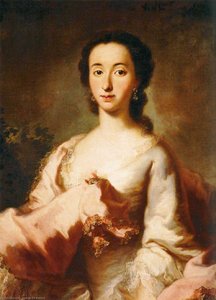
george de marées
1697 - 1777 , United States of America
Основные сведения
- Artistic Movement Or Style: Rococo, Portraiture
- Artists Who Influenced This Artist:
- Martin Meytens
- Giovanni Battista Piazzetta
- Date Of Birth: 1697
- Date Of Death: 1776
- Full Name: George de Marées
- Nationality: Swedish-German
- Notable Artworks:
- Maria Rosa Walburga von Soyer
- Self-Portrait
- Esther Barbara von Sandrart
- Place Of Birth: Stockholm, Sweden