

 Предпросмотр
 Поделиться
 Поделиться
 Детали произведения

 Скачать
 Похожие работы
 Рентгенография
 Слайд-шоу
 Статистика
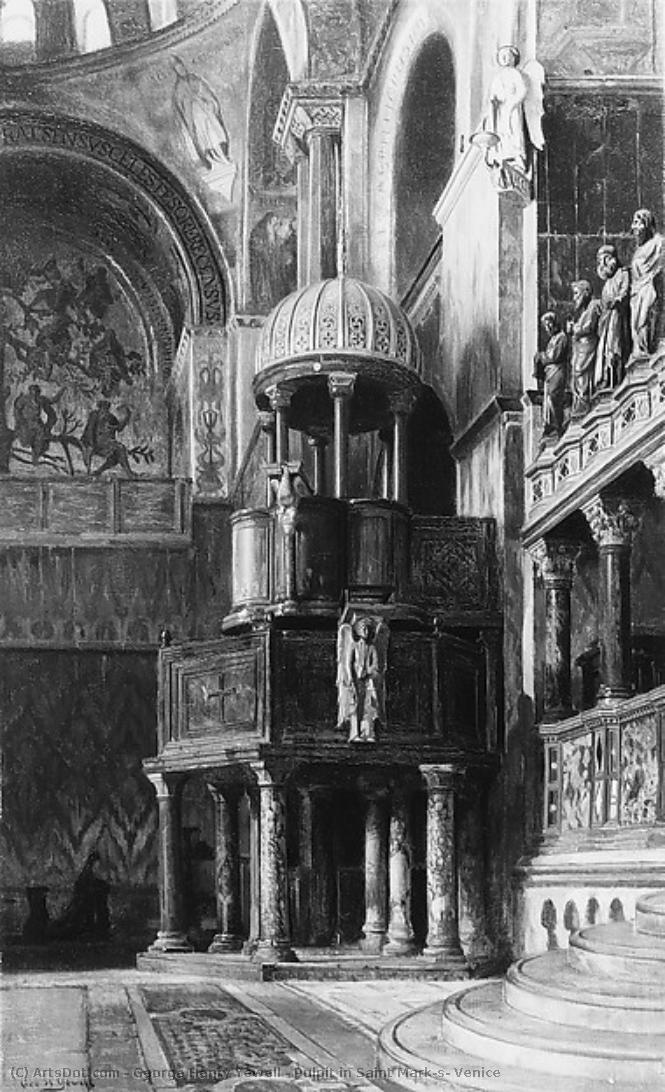
Pulpit in Saint Mark's, Venice
 Graphite Pencil
- WallArt
- Academic Realism
 1870
1870- 19th Century
 55.0 x 32.0 cm
 Музей Метрополитен
 Читать далее
Приобретите цифровое изображение высокого разрешения в улучшенном качестве, которое значительно превосходит онлайн-превью.
Каждый файл тщательно подготавливается нашими специалистами с использованием передовых инструментов и экспертной ручной ретуши. Мы гарантируем исключительную четкость, точную цветопередачу и детальную проработку каждого изображения.
Финальный файл доставляется по электронной почте в течение 72 часов и оптимизирован для немедленного использования в профессиональной среде, при верстке и печати. Это тот же уровень качества, которому доверяют ведущие дизайнерские студии, издательства и галереи.
Цифровое изображение
Скачайте файл высокого разрешения для личного использования, печати и творческих проектов. ( Перейти к печати Купить картину ручной работы)
Включено в каждый заказ цифровых изображений
Гарантия экспертной цифровой доставки
Выбирая ArtsDot.com, вы получаете не просто изображение — вы приобретаете профессионально обработанное цифровое произведение искусства, созданное с безупречной точностью и под защитой гарантии качества. Вот всё, что автоматически входит в ваш заказ:

Мгновенная доставка по e-mail
Ваш цифровой файл в высоком разрешении будет отправлен вам по электронной почте в течение 72 часов после оформления заказа — и сразу станет доступен для использования.

Цифровой файл с ИИ-улучшением
Ваше произведение искусства проходит профессиональную оптимизацию с использованием передовых инструментов ИИ и ручной обработки, что гарантирует максимальную детализацию, четкость и точность цветопередачи.

Бессрочная бесплатная повторная доставка
Случайно удалили или потеряли файл? Не беспокойтесь — мы отправим его вам повторно в любое время и совершенно бесплатно.

Без импортных пошлин — навсегда
Наслаждайтесь вашим произведением искусства мгновенно без таможенных пошлин, сборов или затрат на доставку — цифровые загрузки всегда не облагаются налогом.

Гарантия точности цветопередачи
Мы гарантируем, что ваше цифровое изображение максимально точно передает оригинальные цвета благодаря использованию профессиональных инструментов и систем управления цветом.

Гарантия удовлетворенности 100 дней
Если вы не будете удовлетворены своим цифровым изображением, мы внесем правки или вернем 100% стоимости в течение 100 дней — без лишних вопросов.

100% Гарантия возврата средств
Не удовлетворены покупкой? Получите полный возврат средств в течение 100 дней после получения цифрового файла — без лишних вопросов.

Скидки на оптовые заказы
Купите 3 изображения, сэкономьте 10% — Купите 5, сэкономьте 15% — Купите 10+, сэкономьте 20%. Отличное решение для творческих проектов, галерей и агентств.
The Grandeur Captured: A Study in Venetian Devotion
To gaze upon this depiction of the Pulpit in Saint Mark's Basilica is to step across the threshold of time and into the hushed, echoing grandeur of Renaissance Venice. This work, rendered with painstaking detail by George Henry Yewell, transcends mere architectural documentation; it is a meditation on faith, craftsmanship, and the enduring power of sacred space. The composition immediately draws the eye toward the ornate pulpit, which dominates the scene from a slightly elevated, yet intimately framed perspective. One can almost hear the echoes of sermons once delivered from this very spot, imagining the weight of history settling upon the carved stone.
Mastery in Line and Shadow: Technical Brilliance
What elevates this piece beyond simple illustration is Yewell’s masterful handling of line work. The artist employs a technique reminiscent of meticulous academic drawing—a pencil or charcoal rendering that speaks volumes through its graphite whispers. Observe how the varying densities of hatching and cross-hatching are deployed; they do not merely shade, but they build texture. The rough grain of ancient stone contrasts beautifully with the implied smoothness of polished marble, while the delicate patterns suggested in the background mosaics shimmer under an unseen light source. The use of linear perspective is breathtakingly effective, drawing the viewer deep into the basilica's vast interior, making the space feel both monumental and deeply personal.
Historical Echoes and Artistic Context
Dating to 1870, this work places us in a period where artistic study often merged rigorous observation with romantic reverence for antiquity. George Henry Yewell’s background suggests an artist deeply invested in the traditions of draftsmanship, skills honed through years of dedicated practice. The subject matter—a key feature within one of the world's most significant religious sites—grounds the piece firmly in 19th-century artistic documentation, yet its emotional resonance feels timeless. It speaks to a culture that valued visible artistry as an extension of spiritual devotion.
Symbolism and Emotional Resonance for the Modern Collector
For the contemporary collector or designer, this reproduction offers more than just decorative appeal; it is an artifact imbued with symbolic weight. The pulpit itself symbolizes proclamation—the sharing of profound ideas and enduring truths. The overall atmosphere evoked is one of awe and quiet contemplation. Imagine this piece gracing a library, a study, or a grand hall; it instantly bestows an air of cultivated intellect and deep cultural appreciation upon the space. It invites moments of pause, encouraging the viewer to look closer, to trace the lines, and to feel the weight of history in their own home.
Похожие произведения
Биография художника
Early Life and Education
George Henry Yewell (January 20, 1830 – September 26, 1923) was an American painter and etcher born in Havre de Grace, Maryland. His father, Solomon Yewell, died when he was a young boy, leaving him and his mother to relocate to Cincinnati, Ohio, where Harriet Carver Yewell had family connections. Recognizing the importance of artistic training, Harriet enrolled her son in Theodore S. Parvin’s school in Iowa City, Iowa—Parvin would later become a respected educator and editor of *The Annals of Iowa*. This formative experience instilled in Yewell an appreciation for observation and meticulous draftsmanship, qualities that would characterize his entire oeuvre.- Iowa City Years: From 1841 to 1848, Yewell honed his artistic skills through apprenticeship with a tailor while simultaneously cultivating his passion for art.
- Thomas Cole’s Influence: A pivotal moment arrived when he encountered Thomas Cole's *The Voyage of Life*, sparking an enduring fascination with Romantic landscape painting and its exploration of spiritual themes.
Breakthrough Career and Political Cartoons
Yewell’s artistic breakthrough occurred in 1848 when he drew a satirical cartoon about the contentious debate surrounding Iowa City's relocation of its state capital to Des Moines—a scene rendered with remarkable dynamism and symbolic representation. As Yewell himself recounted, “At the height of the excitement, I drew a large caricature, representing the capitol building on wheels, and oxen pulling one way, upon whose shoulders were placed heads of members who voted for removal. On the other end of the building were those members who voted against the bill, represented by oxen whose feeble chain had broken and tumbled them in a heap.” This piece garnered widespread acclaim and cemented Yewell’s reputation as a gifted caricaturist—a skill he would continue to employ throughout his career.- Charles Mason's Patronage: The influential Judge Charles Mason recognized Yewell’s talent and generously financed his move to New York City, where he enrolled in the studio of William Makepeace Thackeray.
- Early Artistic Training: Thackeray’s guidance provided Yewell with invaluable insight into artistic technique and aesthetic sensibilities.
Formal Studies and Parisian Atelier
Driven by a desire for comprehensive artistic development, Yewell pursued formal studies at the National Academy of Design from 1851 to 1853—a period during which he studied under Thomas Hicks, whose pupil he became. Hicks’s studio fostered an environment conducive to mastering tonal contrasts and capturing the essence of light and shade—principles that would inform Yewell's later paintings. Furthermore, he traveled by stagecoach and rail to Manhattan on October 9, 1851, establishing himself in New York City and embarking upon a new chapter of his artistic journey.- Thomas Hicks’ Influence: Hicks instilled in Yewell the importance of meticulous observation and stylistic refinement—skills honed through copying Old Master works at the Louvre and the Luxembourg Palace.
Mature Artistic Output and Recognition
Yewell's artistic output spanned decades, encompassing portraits, genre scenes, and Orientalist landscapes inspired by his travels in Europe and Egypt. He achieved considerable acclaim from contemporary critics such as Henry T. Tuckerman, who lauded Yewell’s ability to portray architectural elements with “elaborate care.” Notably, he was elected an Academician of the National Academy of Design in 1881—a testament to his enduring artistic merit and contribution to American art history. His landscapes, particularly those depicting serene Italian countryside vistas, continue to captivate viewers today.- Rome Years: From 1867 to 1875 Yewell resided in Rome alongside Mary Elizabeth Coast, immersing himself in the vibrant artistic milieu of the city and collaborating with fellow American artists like Elihu Vedder and Charles Caryl Coleman.
Legacy and Artistic Style
George Henry Yewell’s artistic style—characterized by meticulous draftsmanship, tonal contrasts, and a restrained palette—reflects the influence of Romanticism and Academic Realism. His paintings convey a profound appreciation for observation and an unwavering commitment to capturing the beauty and grandeur of the natural world. He remains remembered as one of Iowa's most prominent artists, whose work continues to inspire admiration and scholarly study.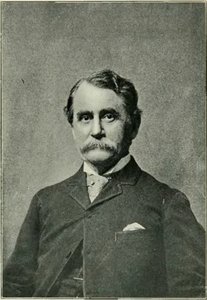
George Henry Yewell
1830 - 1923 , United States of America
Основные сведения
- Artistic Movement Or Style: Orientalist
- Artists Or Movements Influenced By This Artist: ['Henry T. Tuckerman']
- Artists Who Influenced This Artist:
- Thomas Cole
- Charles Mason
- Date Of Birth: January 20, 1830
- Date Of Death: September 26, 1923
- Full Name: George Henry Yewell
- Nationality: American
- Notable Artworks:
- Convent near Rome
- Pulpit in Saint Mark's, Venice
- Place Of Birth: Havre de Grace, Maryland