


 Предпросмотр
 Поделиться
 Поделиться
 Детали произведения

 Скачать
 Похожие работы
 Рентгенография
 Слайд-шоу
 Статистика
Vertumnus and Pomona
 Oil On Canvas
- WallArt
- Baroque
 1700
1700- Early Modern
 65.0 x 54.0 cm
 Эрмитаж
 Читать далее
Масляная репродукция ручной работы
Картина маслом на холсте в выбранном вами размере и раме, написанная на заказ нашими художниками. ( Перейти к печати Перейти к цифровым изображениям)




P118B $10

P118H $10

P118W $10

P438Z $10

P508JH $12

P508YH $12

P805H $10

P805Z $10

P919BZ $10

P919G $10

P919XJ $10

P959ZH $10

P968JZ $12

W106C $8

W218G $10

W218JH $8

W218Y $10

W307PJ $10

W316G $10

W316PJ $8

W316Y $10

W398PJ $8

W4111J $10

W500HY $15

W500JH $15

W692G $12

W849H $8

W940BG $15

W953PJ $8




Выберите один из наших стандартных размеров, соответствующих оригинальным пропорциям произведения искусства.

Вы можете указать собственные размеры, чтобы картина идеально вписалась в выбранную раму или пространство. Если выбранный вами размер не соответствует пропорциям оригинала, мы либо обрежем полотно, либо расширим его за счет дополнительных элементов, написанных вручную. Цифровой макет будет отправлен вам на утверждение перед началом производства.
Обратите внимание, что предварительный просмотр на экране не отражает фактическую обрезку или расширение. Только макет точно покажет окончательную композицию.
Хотя доступны индивидуальные размеры, мы рекомендуем выбирать вариант из предопределенного списка, чтобы сохранить исходные пропорции.
После оформления заказа команда ArtsDot.com свяжется с клиентом по электронной почте для уточнения деталей и предоставит предварительный макет
Доставка по всему миру () за 3–4 недели вместо стандартных 5 недель. (14 Сентябрь). Без компромиссов в качестве.

Бесплатная экспресс-доставка по всему миру

Высококачественный льняной холст

Полное страхование доставки

Гарантия возмещения таможенных пошлин

Гарантия точного соответствия цветов

100-дневная политика возврата (только при обнаружении дефектов)

Гарантия возврата 100% средств

Предложение оптовых скидок
 Вариант со стеклом доступен только для размеров менее 110 см

Vertumnus and Pomona
Техника репродукции
Размер репродукции
-


Итоговая стоимость
$ 263
A Baroque Encounter in the Orchard
In the quiet, sun-dappled corners of an idealized Arcadia, Gerard I Hoet captures a moment of profound intimacy and mythological tension. His masterpiece, Vertumnus and Pomona, completed around 1700, is far more than a mere depiction of Roman deities; it is a sensory journey into the heart of the Baroque era. The canvas brings to life a pivotal scene from Ovid’s Metamorphoses, where Vertumnus, the god of seasons and transformative change, seeks to win the heart of Pomona, the goddess of fruit trees and orchards. As he leans in to whisper his persuasions into her ear, the viewer is drawn into a delicate dance of seduction, vulnerability, and the irresistible pull of nature's cycles.
The composition is a masterclass in psychological depth. Hoet utilizes the dramatic interplay of light and shadow—the chiaroscuro technique—to sculpt the figures from the surrounding foliage. This lighting does not merely illuminate; it breathes life into the textures of the scene, highlighting the soft drape of Pomona’s classical attire and the subtle, knowing expression on Vertumnus's face. The atmosphere is heavy with the scent of ripening fruit and the warmth of an eternal summer, creating a sense of timelessness that resonates deeply with anyone seeking art that evokes peace, fertility, and romantic longing.
Mastery of Technique and Earthly Elegance
For the discerning collector or interior designer, the technical brilliance of this work offers endless inspiration. Hoet, working in the Dutch Italianate style, demonstrates an extraordinary command over his palette. He leans heavily on a rich, organic spectrum of earthy tones—ochres, siennas, and deep umbers—which ground the mythological subject matter in a palpable, naturalistic reality. Every brushstroke serves a purpose, from the meticulous rendering of the delicate leaves in the background to the luminous sheen of the pearl necklace adorning Pomona.
The painting’s texture is a triumph of Baroque precision. One can almost feel the weight of the flowing robes and the crispness of the laurel crown worn by Vertumnus. This attention to detail ensures that the piece functions beautifully in a variety of sophisticated settings, whether placed as a focal point in a classical study or as a subtle layer of historical depth in a contemporary living space. The work embodies an opulent ornamentation that does not overwhelm but rather enriches the environment, offering a window into a world where divinity and nature are inextricably linked.
A Timeless Symbol of Transformation
Beyond its aesthetic splendor, Vertumnus and Pomona serves as a profound meditation on the themes of change and desire. Vertumnus, a deity capable of shifting his form at will, represents the capricious nature of time and the seasons, while Pomona stands as a symbol of abundance and the fruitful rewards of patience. Their encounter is a celebration of the cyclical rhythms of life—the way love, much like the seasons, requires transformation and growth to flourish.
Integrating a high-quality reproduction of this work into a collection allows for the preservation of this classical wisdom within the modern home. It provides an emotional anchor, inviting contemplation on the beauty of metamorphosis and the enduring power of myth. For those who appreciate art that tells a story, Hoet’s canvas offers a narrative that is as intellectually stimulating as it is visually breathtaking, making it a quintessential choice for any curated space dedicated to the elegance of the Old Masters.
Похожие произведения


Биография художника
Louis Le Nain: A Master of Quiet Dignity
Louis Le Nain (c.1593–1648) remains one of the most enigmatic and compelling figures in 17th-century French painting, a master whose profound understanding of human nature is revealed through his remarkably restrained and dignified depictions of peasant life. Born around 1593 in Laon, France – though often associated with Paris where he spent much of his career – Le Nain’s origins are shrouded in some mystery, making the precise attribution of works amongst the three brothers (Antoine, Mathieu, and Louis) a persistent challenge for art historians. His life was tragically cut short in 1648, succumbing to illness just days after his brother Antoine, leaving behind a legacy defined by an unparalleled ability to capture the essence of everyday existence with remarkable subtlety and emotional depth.Early Life and Artistic Training
The Le Nain brothers’ origins are rooted in Laon, but they all migrated to Paris by 1630. Little is definitively known about Louis's early artistic training; the traditional birthdates for Antoine and Louis are 1588 and 1593 respectively, but recent scholarship suggests they were likely born around 1600, aligning them with a similar age range as their brother Mathieu. Mathieu was appointed painter to the city of Paris in 1633, a significant recognition of his talent. The brothers’ artistic development is particularly intriguing due to the limited documentation available. They signed their works only with their surnames, and dating their paintings proves difficult, often relying on stylistic analysis and comparison with other works. It's believed they collaborated extensively, making definitive attribution exceptionally complex. Early accounts suggest a possible apprenticeship for Louis under Giovanni Giacomo Pandolfi in Venice, followed by instruction from Sante Peranda and Francesco Mingucci – figures known for their Venetian style and influence. This exposure to the vibrant colors and dramatic compositions of Venetian painting undoubtedly shaped his artistic sensibilities.Style and Subject Matter: The Dignity of Peasant Life
Le Nain’s distinctive style is characterized by a remarkable restraint, a deliberate avoidance of elaborate detail or theatrical gestures. His paintings are imbued with a quiet dignity, portraying scenes of rural life – peasants working in fields, families gathered around tables, or individuals engaged in simple domestic activities – with an almost austere beauty. Unlike the more flamboyant and dramatic works of some of his contemporaries, Le Nain’s compositions are typically small-scale, often intimate and focused on capturing fleeting moments of human interaction. His use of muted colors—earthy browns, grays, and ochres—creates a sense of realism and immediacy, while his brushwork is loose and expressive, conveying texture and movement with remarkable skill. The faces of his subjects are particularly striking; they possess an inherent humanity, reflecting a deep understanding of the lives and emotions of ordinary people. He eschewed idealized representations, instead presenting figures as they truly were – weathered, worn, and imbued with a quiet resilience.Key Works and Influences
While definitive attribution remains challenging, several paintings are widely considered to be among Le Nain’s finest works. “The Peasant Woman Sewing” (circa 1635-1640), now in the Louvre, exemplifies his masterful ability to capture a single moment of quiet contemplation. His portraits, though less numerous than his genre scenes, also demonstrate his skill at portraying character and personality. It’s believed that he was influenced by the work of Rembrandt van Rijn, particularly his use of light and shadow to create dramatic effects, as well as the Caravaggiesque style in its emphasis on realism and psychological depth. The brothers' work is often compared to the Dutch masters, reflecting a shared interest in portraying everyday life with honesty and emotional resonance.Legacy and Historical Significance
Louis Le Nain’s contribution to French painting lies not in grand narratives or heroic subjects, but in his profound exploration of human experience through the lens of rural life. His paintings offer a poignant glimpse into the lives of ordinary people, revealing their dignity, resilience, and quiet beauty. Despite the ongoing debate surrounding attribution, Le Nain's influence on subsequent generations of artists is undeniable. He established a new standard for genre painting, demonstrating that profound emotional depth could be achieved through simple subjects and understated techniques. His work continues to resonate with viewers today, reminding us of the enduring power of art to capture the essence of human life. His legacy endures as a testament to the quiet dignity and remarkable skill of one of France’s most important yet often overlooked artists.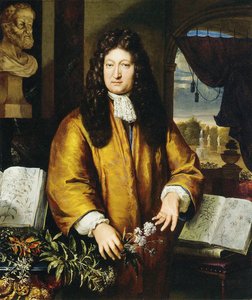
gerard i hoet
1648 - 1733 , Netherlands
Основные сведения
- Artistic Movement Or Style: Genre painting
- Artists Or Movements Influenced By This Artist: ['Flemish Painting']
- Artists Who Influenced This Artist:
- Antoine Le Nain
- Mathieu Le Nain
- Date Of Birth: c.1600
- Date Of Death: 1648
- Full Name: Louis Le Nain
- Nationality: French
- Notable Artworks:
- Portrait of a Man
- The Wedding Feast
- Place Of Birth: Laon, France
Похожие статьи

Baroque Classicism: Reconciling Drama & Order in 17th-Century Art
Explore the captivating world of Baroque Classicism! Discover its history, key artists like Caravaggio & Rubens, and defining characteristics. Expert insights & high-quality reproductions at ArtsDot.

Oil on Canvas: A Historical & Technical Exploration of a Timeless Artistic Medium
Explore the rich history & enduring techniques of oil painting on canvas. Discover the science behind its longevity, conservation practices, and contemporary relevance. Expert insights for art enthusiasts.
Guido Reni: A Study in Baroque Classicism & Artistic Perfection
Explore the life & work of Guido Reni, a master of Baroque classicism. Discover his iconic religious & mythological paintings, and understand his enduring influence on art history. Expert analysis for collectors.

Барочная драма: Искусство величия в современном интерьере
Погрузитесь в мир роскоши и величия барокко! Узнайте об истории стиля, ключевых элементах интерьера и архитектуре. Вдохновляйтесь с и создайте свой неповторимый дизайн.
Echoes of Olympus: Mythological Narratives in Western Art Through the Ages
Explore the captivating history of mythological narratives in Western art! From ancient Greece to modern masterpieces, discover iconic artworks & symbolism. Expert analysis and high-quality reproductions at ArtsDot.