

 Предпросмотр
 Поделиться
 Поделиться
 Детали произведения

 Скачать
 Похожие работы
 Рентгенография
 Слайд-шоу
 Статистика
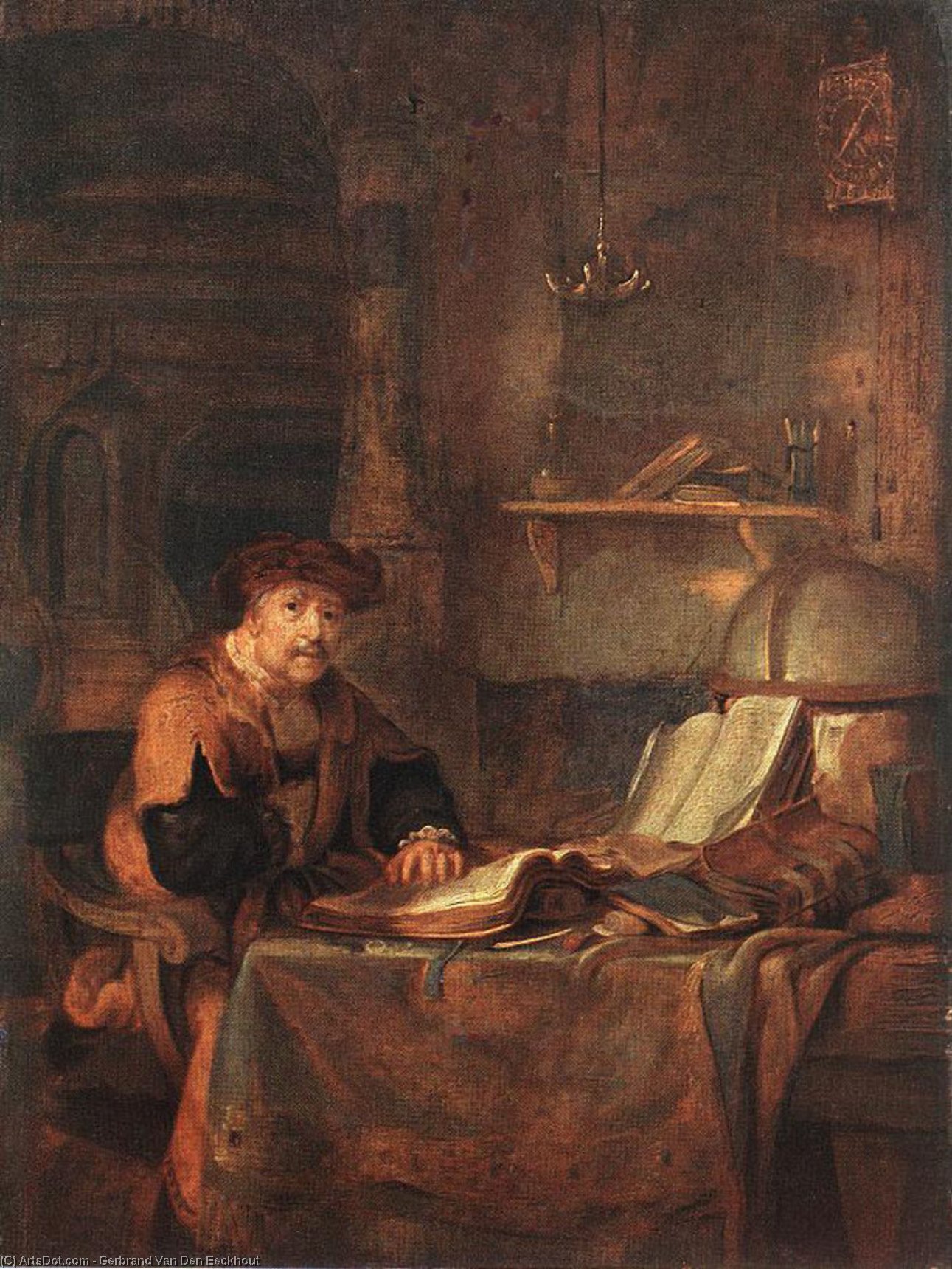
Scholar with his Books
 Oil On Canvas
- WallArt
- Dutch Baroque
 1671
1671- Early Modern
 64.0 x 49.0 cm
 Музей изящных искусств Будапешта
 Читать далее
Приобретите цифровое изображение высокого разрешения в улучшенном качестве, которое значительно превосходит онлайн-превью.
Каждый файл тщательно подготавливается нашими специалистами с использованием передовых инструментов и экспертной ручной ретуши. Мы гарантируем исключительную четкость, точную цветопередачу и детальную проработку каждого изображения.
Финальный файл доставляется по электронной почте в течение 72 часов и оптимизирован для немедленного использования в профессиональной среде, при верстке и печати. Это тот же уровень качества, которому доверяют ведущие дизайнерские студии, издательства и галереи.
Цифровое изображение
Скачайте файл высокого разрешения для личного использования, печати и творческих проектов. ( Перейти к печати Купить картину ручной работы)
Включено в каждый заказ цифровых изображений
Гарантия экспертной цифровой доставки
Выбирая ArtsDot.com, вы получаете не просто изображение — вы приобретаете профессионально обработанное цифровое произведение искусства, созданное с безупречной точностью и под защитой гарантии качества. Вот всё, что автоматически входит в ваш заказ:

Мгновенная доставка по e-mail
Ваш цифровой файл в высоком разрешении будет отправлен вам по электронной почте в течение 72 часов после оформления заказа — и сразу станет доступен для использования.

Цифровой файл с ИИ-улучшением
Ваше произведение искусства проходит профессиональную оптимизацию с использованием передовых инструментов ИИ и ручной обработки, что гарантирует максимальную детализацию, четкость и точность цветопередачи.

Бессрочная бесплатная повторная доставка
Случайно удалили или потеряли файл? Не беспокойтесь — мы отправим его вам повторно в любое время и совершенно бесплатно.

Без импортных пошлин — навсегда
Наслаждайтесь вашим произведением искусства мгновенно без таможенных пошлин, сборов или затрат на доставку — цифровые загрузки всегда не облагаются налогом.

Гарантия точности цветопередачи
Мы гарантируем, что ваше цифровое изображение максимально точно передает оригинальные цвета благодаря использованию профессиональных инструментов и систем управления цветом.

Гарантия удовлетворенности 100 дней
Если вы не будете удовлетворены своим цифровым изображением, мы внесем правки или вернем 100% стоимости в течение 100 дней — без лишних вопросов.

100% Гарантия возврата средств
Не удовлетворены покупкой? Получите полный возврат средств в течение 100 дней после получения цифрового файла — без лишних вопросов.

Скидки на оптовые заказы
Купите 3 изображения, сэкономьте 10% — Купите 5, сэкономьте 15% — Купите 10+, сэкономьте 20%. Отличное решение для творческих проектов, галерей и агентств.
A Quiet Ode to Enlightenment: Scholar with his Books
To gaze upon this portrait is to step across the threshold of time and into a sanctuary of quiet contemplation. Scholar with his Books, painted in 1671 by Gerbrand van den Eeckhout, is far more than a mere depiction of a man at his desk; it is an embodiment of intellectual pursuit itself. The scene unfolds with a profound stillness, drawing the viewer into the very atmosphere of study. We find our subject seated amidst the comforting weight of knowledge—books piled high and opened before him like silent confidantes. His posture suggests deep immersion, his attention captured by the pages before him, inviting us to slow our own hurried pace and join him in a moment of profound focus.
The Masterful Hand of Gerbrand van den Eeckhout
Gerbrand van den Eeckhout stands as a fascinating echo in the grand hall of Dutch Baroque art. Though forever linked by apprenticeship to the towering genius of Rembrandt, Eeckhout carved out his own exquisite niche. While Rembrandt often wielded dramatic contrasts of light and shadow—the breathtaking chiaroscuro—Eeckhout possessed a gift for softer gradations of tone, an atmospheric subtlety that lends this piece its gentle luminescence. His technique is characterized by meticulous detail; observe the texture suggested on the wooden desk, the crisp edges of the paper, or the subtle sheen on the nearby dining table. This precision speaks to a dedication to observation, allowing light not just to illuminate, but to permeate every corner of the depicted room.
Symbolism and the Culture of Study
The objects within this composition are imbued with rich symbolism pertinent to the Dutch Golden Age. The books themselves are potent symbols of accumulated wisdom and human curiosity. They suggest a society that valued learning, patronage, and the written word as cornerstones of civic life. Furthermore, the inclusion of multiple clocks—one subtly positioned above the scholar’s head and another further back in the room—serves as a gentle memento mori, reminding us that even within the pursuit of timeless knowledge, time marches relentlessly onward. It is a beautiful tension: the eternal quest for understanding set against the ticking reality of passing moments.
Creating an Atmosphere of Intellectual Depth
For the collector or designer seeking to infuse a space with gravitas and cultured warmth, this reproduction offers unparalleled depth. Imagine this piece gracing a library, a study, or a sophisticated drawing-room. It does not shout for attention; rather, it whispers of refinement. The soft palette and the palpable sense of quietude make it an ideal focal point for any interior designed to encourage thought and conversation. Owning this work is acquiring not just paint on canvas, but a curated moment of scholarly peace—a visual balm for the modern mind.
Похожие произведения





Биография художника
The Legacy of a Master's Protégé
In the vibrant, bustling heart of seventeenth-century Amsterdam, a period defined by unparalleled cultural and economic prosperity, the name Gerbrand van den Eeckhout emerged as a significant voice within the Dutch Golden Age. While history often casts him in the long, dramatic shadow of his mentor, the legendary Rembrandt van Rijn, to view Eeckhout merely as a student is to overlook the profound sensitivity and technical refinement he brought to the canvas. Born in 1621, Eeckhout was shaped by the very atmosphere of the Dutch Baroque, an era where light, texture, and human emotion were captured with a devotion that bordered on the divine. His journey was one of deep connection to the masters of his time, yet it was marked by a persistent effort to find a visual language that was uniquely his own.
The foundation of Eeckhout’s artistry was laid within the walls of Rembrandt’s studio. As an apprentice, he did not simply learn the mechanics of paint application; he absorbed a philosophy of observation. From Rembrandt, he inherited a reverence for the interplay of light and shadow, yet as his career matured, Eeckhout began to diverge from the heavy, dramatic chiaroscuro that defined his teacher's most famous works. Instead, he developed a preference for softer gradations of tone and a more delicate atmospheric perspective. This subtle shift allowed him to create scenes that felt less like theatrical confrontations and more like intimate, quiet moments captured in time, imbuing his subjects with a psychological depth that resonated with the burgeoning middle class of the Netherlands.
Mastery of Portraiture and Genre
Eeckhout’s oeuvre is a testament to his versatility, ranging from the solemnity of formal portraiture to the narrative charm of genre scenes. His portraits are celebrated for their remarkable realism, particularly in the way he rendered the tactile qualities of fabric, lace, and skin. He possessed an uncanny ability to translate the social standing and inner character of his sitters through understated visual cues. In works such as A Young Woman Reading, one can witness his mastery of mood; the light does not merely illuminate the subject but seems to wrap around her, creating a sense of contemplative solitude that draws the viewer into her private world.
Beyond the individual portrait, Eeckhout excelled in capturing the pulse of everyday life. His genre paintings often depicted biblical or historical narratives, yet he grounded these grand themes in the domestic reality of his era. This technique bridged the gap between the epic and the intimate, making the divine feel accessible and human. His ability to compose complex scenes with a sense of naturalistic flow remains one of his most significant achievements. Even when depicting larger groups, there is a rhythmic balance to his compositions that prevents chaos, guiding the eye through a carefully orchestrated landscape of light and shadow.
Historical Significance and Artistic Spirit
The historical importance of Gerbrand van den Eeckhout lies in his role as a bridge between the intense emotionalism of the early Baroque and the more refined, observational style that would characterize later Dutch art. He was an artist who understood the power of nuance. While he could evoke the grandeur of the past, his true strength lay in the subtle: the glint of light on a silver goblet, the soft fold of a linen sleeve, or the fleeting expression of a thought passing through a subject's mind.
Though his life ended in 1674, leaving behind a legacy that continues to fascinate historians and art lovers alike, Eeckhout remains a vital figure for understanding the evolution of Dutch painting. His work serves as a reminder that greatness is not always found in the loudest shadows, but often in the most delicate light. To study his paintings is to experience the soul of the Dutch Golden Age—a period where the boundaries between the mundane and the magnificent were beautifully blurred by the brush of a master.
gerbrand van den eeckhout
1621 - 1674 , Netherlands
Основные сведения
- Artistic Movement Or Style: Dutch Baroque
- Artists Or Movements Influenced By This Artist: ['Dutch Portraiture']
- Artists Who Influenced This Artist: ['Rembrandt']
- Date Of Birth: 1621
- Full Name: Gerbrand van den Eeckhout
- Nationality: Dutch
- Notable Artworks:
- The Astronomer
- Portrait of a Young Man
- Place Of Birth: Amsterdam, Netherlands