

 Предпросмотр
 Поделиться
 Поделиться
 Детали произведения

 Скачать
 Похожие работы
 Рентгенография
 Слайд-шоу
 Статистика
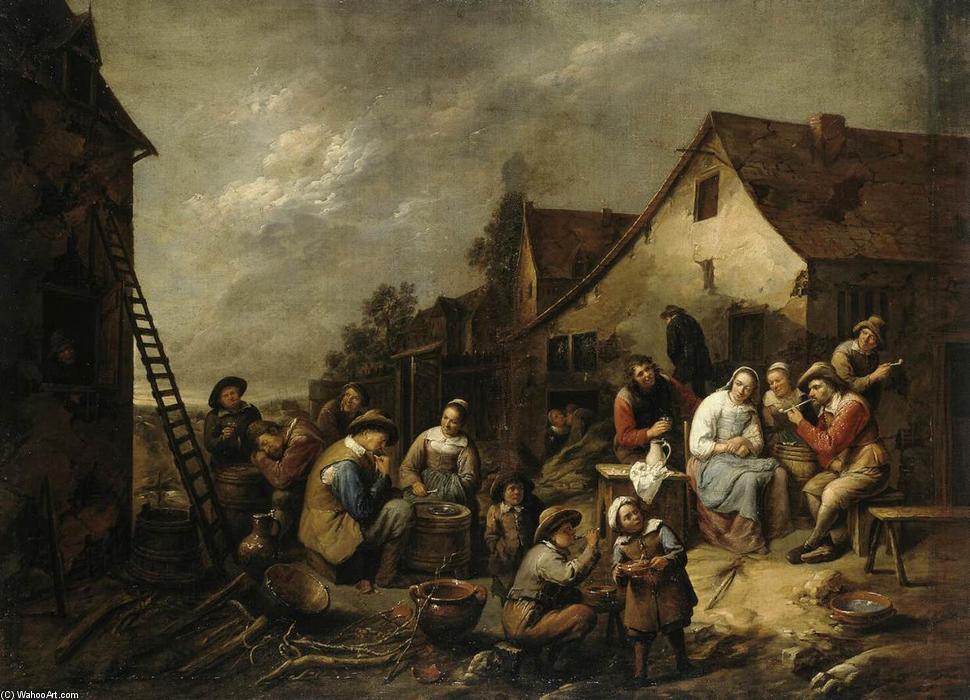
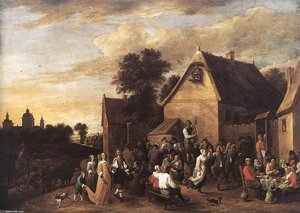
Village Inn
 Oil On Canvas
- WallArt
- Dutch Golden Age
 1657
1657 83.0 x 114.0 cm
 Эрмитаж
 Читать далее
Приобретите цифровое изображение высокого разрешения в улучшенном качестве, которое значительно превосходит онлайн-превью.
Каждый файл тщательно подготавливается нашими специалистами с использованием передовых инструментов и экспертной ручной ретуши. Мы гарантируем исключительную четкость, точную цветопередачу и детальную проработку каждого изображения.
Финальный файл доставляется по электронной почте в течение 72 часов и оптимизирован для немедленного использования в профессиональной среде, при верстке и печати. Это тот же уровень качества, которому доверяют ведущие дизайнерские студии, издательства и галереи.
Цифровое изображение
Скачайте файл высокого разрешения для личного использования, печати и творческих проектов. ( Перейти к печати Купить картину ручной работы)
Включено в каждый заказ цифровых изображений
Гарантия экспертной цифровой доставки
Выбирая ArtsDot.com, вы получаете не просто изображение — вы приобретаете профессионально обработанное цифровое произведение искусства, созданное с безупречной точностью и под защитой гарантии качества. Вот всё, что автоматически входит в ваш заказ:

Мгновенная доставка по e-mail
Ваш цифровой файл в высоком разрешении будет отправлен вам по электронной почте в течение 72 часов после оформления заказа — и сразу станет доступен для использования.

Цифровой файл с ИИ-улучшением
Ваше произведение искусства проходит профессиональную оптимизацию с использованием передовых инструментов ИИ и ручной обработки, что гарантирует максимальную детализацию, четкость и точность цветопередачи.

Бессрочная бесплатная повторная доставка
Случайно удалили или потеряли файл? Не беспокойтесь — мы отправим его вам повторно в любое время и совершенно бесплатно.

Без импортных пошлин — навсегда
Наслаждайтесь вашим произведением искусства мгновенно без таможенных пошлин, сборов или затрат на доставку — цифровые загрузки всегда не облагаются налогом.

Гарантия точности цветопередачи
Мы гарантируем, что ваше цифровое изображение максимально точно передает оригинальные цвета благодаря использованию профессиональных инструментов и систем управления цветом.

Гарантия удовлетворенности 100 дней
Если вы не будете удовлетворены своим цифровым изображением, мы внесем правки или вернем 100% стоимости в течение 100 дней — без лишних вопросов.

100% Гарантия возврата средств
Не удовлетворены покупкой? Получите полный возврат средств в течение 100 дней после получения цифрового файла — без лишних вопросов.

Скидки на оптовые заказы
Купите 3 изображения, сэкономьте 10% — Купите 5, сэкономьте 15% — Купите 10+, сэкономьте 20%. Отличное решение для творческих проектов, галерей и агентств.
The Scene Unfolds: A Window into 17th-Century Holland
Gillis van Tilborgh’s “Village Inn” isn't merely a painting; it’s a meticulously crafted snapshot of a vanished world. Completed in 1657, this oil on canvas transports the viewer to a bustling tavern in the heart of Dutch society – a microcosm reflecting the prosperity and social dynamics of the Golden Age. The scene is remarkably lively, brimming with figures engaged in a spectrum of activities: men deep in conversation, others enjoying hearty meals and copious drinks, while a lone individual pores over a book, suggesting intellectual pursuits amidst the revelry. The composition isn’t chaotic; rather, it's carefully balanced, drawing our eye to the central group while subtly revealing the details of the surrounding space – the rough-hewn wooden beams overhead, the warm glow emanating from the stone fireplace, and the ladder hinting at a hidden upper level.
- Setting the Stage: The tavern itself is a testament to Dutch craftsmanship, its rustic elements grounding the scene in a tangible reality.
- Human Connection: The diverse group of individuals embodies the social fabric of the time – merchants, laborers, and perhaps even scholars – all converging within this communal space.
- Light & Shadow: Van Tilborgh masterfully employs chiaroscuro, creating a dramatic interplay of light and shadow that lends depth and volume to the figures and objects, imbuing the scene with a sense of immediacy.
A Masterclass in Dutch Genre Painting
“Village Inn” firmly establishes itself as a prime example of Dutch genre painting – a genre that flourished during this period, distinguished by its focus on depicting scenes from everyday life with remarkable accuracy and detail. Unlike the grand historical or mythological subjects favored by many other artists, genre painters sought to capture the authentic experiences of ordinary people. Van Tilborgh’s work exemplifies this approach, offering a rare glimpse into the social customs, leisure activities, and even the interior design trends of 17th-century Holland. The painting's realism is further enhanced by the artist's attention to texture – from the rough grain of the wood to the sheen of polished metal – creating a tactile experience for the viewer.
Comparison with contemporaries: It shares similarities with Jan van Goyen’s landscapes and Herri Met de Bles’ detailed portraits, yet possesses a unique character through its focus on communal interaction and domestic settings.Symbolism & The Painter's Intent
Beyond its surface depiction of tavern life, “Village Inn” is rich in symbolic meaning. The presence of the ladder, for instance, could represent aspiration or access to a higher social status – perhaps suggesting that even within this seemingly humble setting, opportunities for advancement exist. The books and reading materials hint at the importance of education and intellectual pursuits during this era. Furthermore, the painting serves as a visual record of the period’s interior design trends, showcasing the prevalent use of wood paneling, fireplaces, and simple furnishings. The artist's choice to include details like maps or charts suggests an interest in exploration and knowledge – values highly esteemed by Dutch society at the time.
A Timeless Appeal: Reproduction & Legacy
“Village Inn” continues to resonate with viewers today due to its captivating realism, engaging composition, and insightful portrayal of human nature. Reproductions offer a wonderful opportunity to bring this remarkable work into any home or office, adding a touch of historical charm and artistic sophistication. The painting’s enduring appeal lies not only in its aesthetic beauty but also in its ability to transport us back in time – allowing us to glimpse the daily lives and social customs of a bygone era. Consider commissioning a high-quality hand-painted reproduction to truly capture the essence of this Dutch masterpiece.
Похожие произведения


Биография художника
The Formative Years of a Flemish Visionary
In the vibrant, intellectually charged atmosphere of seventeenth-century Brussels, the foundations of Gillis van Tilborgh’s artistry were laid. Born around 1625, his early life was shaped by a lineage of profound artistic influence. He is believed to have first learned the nuances of the brush from his father, Gillis van Tilborgh the Elder, before ascending to the tutelage of masters such as Abraham van Dyck and David Teniers the Younger. This pedigree provided him with more than just technical skill; it instilled a deep reverence for the dramatic interplay of light and shadow, known as chiaroscuro, and a meticulous devotion to the anatomical precision that would become his hallmark. Through these mentors, Van Tilborgh became a vital part of the Antwerp School, a movement that sought to marry the theatricality of the Baroque with an unflinching observation of the natural world.Capturing the Pulse of the Golden Age
Van Tilborgh’s true genius lay in his ability to transform the mundane into the monumental. He moved effortlessly between the worlds of elegant portraiture and the gritty, evocative "low-life" genre scenes that captured the social heartbeat of the Low Countries. In works such as “Village Inn,” completed in 1657, he offers viewers a meticulously crafted window into a vanished era. Within these canvases, one finds a bustling microcosm of society:- Men engaged in spirited conversation over hearty meals and flowing drinks.
- The quiet, solitary scholar lost in the pages of a book amidst the tavern's revelry.
- The rustic textures of wooden beams and stone fireplaces that ground the scene in a tangible reality.
A Legacy of Light and Realism
The enduring significance of Gillis van Tilborgh resides in his masterful command of atmosphere and texture. His brushwork possessed a remarkable fluidity, capable of rendering the glint of fine silk or the rough grain of a tavern table with equal precision. By skillfully employing chiaroscuro, he created luminous interiors where light seems to breathe, casting evocative shadows that lend volume and immediacy to his subjects. As a painter who worked during the height of the Dutch Golden Age, his contribution to the Antwerp School helped define an era of unprecedented realism. His ability to capture both the grandeur of aristocratic life and the humble dignity of everyday existence ensures that his oeuvre remains a captivating testament to the dramatic beauty of the Baroque period.
gillis van tilborgh
1625 - 1678 , Belgium
Основные сведения
- Artistic Movement Or Style: Dutch Golden Age
- Artists Who Influenced This Artist:
- Peter Paul Rubens
- Anthony van Dyck
- Date Of Birth: Brussels, Belgium (1625)
- Date Of Death: 1678
- Full Name: Gillis van Tilborgh
- Nationality: Dutch
- Notable Artworks:
- Ball Players
- The Card Players
- Boors Eating Drinking and Smoking
- Place Of Birth: Belgium