

 Предпросмотр
 Поделиться
 Поделиться
 Детали произведения

 Скачать
 Похожие работы
 Рентгенография
 Слайд-шоу
 Статистика
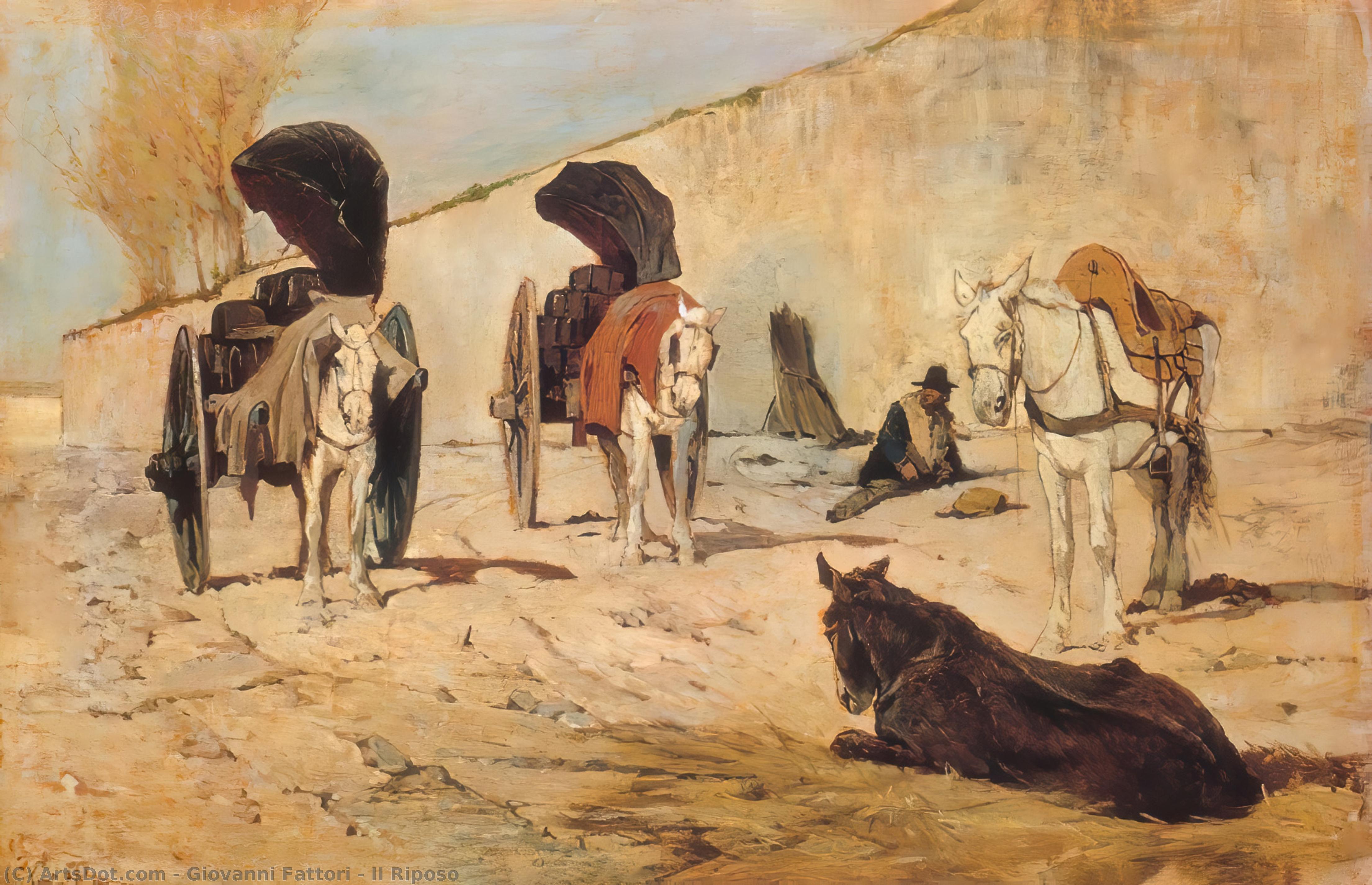
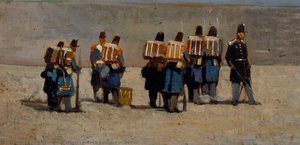
Il Riposo
 Oil On Canvas
- WallArt
- Macchiaioli
 1887
1887 21.0 x 33.0 cm
 Палаццо Питти
 Читать далее
Приобретите цифровое изображение высокого разрешения в улучшенном качестве, которое значительно превосходит онлайн-превью.
Каждый файл тщательно подготавливается нашими специалистами с использованием передовых инструментов и экспертной ручной ретуши. Мы гарантируем исключительную четкость, точную цветопередачу и детальную проработку каждого изображения.
Финальный файл доставляется по электронной почте в течение 72 часов и оптимизирован для немедленного использования в профессиональной среде, при верстке и печати. Это тот же уровень качества, которому доверяют ведущие дизайнерские студии, издательства и галереи.
Цифровое изображение
Скачайте файл высокого разрешения для личного использования, печати и творческих проектов. ( Перейти к печати Купить картину ручной работы)
Включено в каждый заказ цифровых изображений
Гарантия экспертной цифровой доставки
Выбирая ArtsDot.com, вы получаете не просто изображение — вы приобретаете профессионально обработанное цифровое произведение искусства, созданное с безупречной точностью и под защитой гарантии качества. Вот всё, что автоматически входит в ваш заказ:

Мгновенная доставка по e-mail
Ваш цифровой файл в высоком разрешении будет отправлен вам по электронной почте в течение 72 часов после оформления заказа — и сразу станет доступен для использования.

Цифровой файл с ИИ-улучшением
Ваше произведение искусства проходит профессиональную оптимизацию с использованием передовых инструментов ИИ и ручной обработки, что гарантирует максимальную детализацию, четкость и точность цветопередачи.

Бессрочная бесплатная повторная доставка
Случайно удалили или потеряли файл? Не беспокойтесь — мы отправим его вам повторно в любое время и совершенно бесплатно.

Без импортных пошлин — навсегда
Наслаждайтесь вашим произведением искусства мгновенно без таможенных пошлин, сборов или затрат на доставку — цифровые загрузки всегда не облагаются налогом.

Гарантия точности цветопередачи
Мы гарантируем, что ваше цифровое изображение максимально точно передает оригинальные цвета благодаря использованию профессиональных инструментов и систем управления цветом.

Гарантия удовлетворенности 100 дней
Если вы не будете удовлетворены своим цифровым изображением, мы внесем правки или вернем 100% стоимости в течение 100 дней — без лишних вопросов.

100% Гарантия возврата средств
Не удовлетворены покупкой? Получите полный возврат средств в течение 100 дней после получения цифрового файла — без лишних вопросов.

Скидки на оптовые заказы
Купите 3 изображения, сэкономьте 10% — Купите 5, сэкономьте 15% — Купите 10+, сэкономьте 20%. Отличное решение для творческих проектов, галерей и агентств.
Il Riposo (The Rest) – Giovanni Fattori’s Vision of Tuscan Tranquility
Giovanni Fattori's *Il Riposo*, painted in 1887, stands as a cornerstone of Macchiaioli art and embodies the movement’s revolutionary approach to landscape painting. More than just depicting a pastoral scene, Fattori captures a profound meditation on stillness, resilience, and the beauty inherent in nature’s rhythms—themes that resonate powerfully even today. Located at the Pitti Palace Museum in Florence, Italy, this oil on canvas measures 21 x 33 cm and offers viewers an intimate glimpse into Fattori's artistic sensibilities.Composition and Technique: Embracing Light and Shadow
The painting’s composition is strikingly deliberate. Three horses dominate the central space, positioned with careful consideration to create a dynamic yet harmonious balance. Two men are situated near the center, engaged in tending to their animals, while a woman stands slightly to the left, adding a touch of human presence to the serene landscape. Notably, two umbrellas punctuate the scene—one perched atop the leftmost horse and another nestled amongst the figures on the right—suggesting both protection from the sun’s glare and an awareness of the ephemeral nature of time. Fattori masterfully employs *macchiaioli* technique – a method characterized by bold brushstrokes and vibrant color palettes – to convey the impressionistic essence of the Tuscan countryside. Thick, textured paint layers capture the interplay of light and shadow with remarkable accuracy, transforming the canvas into an immersive experience for the eye. The artist’s use of complementary colors—particularly reds and blues—intensifies the visual impact and reinforces the painting's emotional core.Historical Context: Macchiaioli and Beyond
Giovanni Fattori was a pivotal figure in the Macchiaioli movement, which emerged in Tuscany during the late 1870s and challenged prevailing academic conventions. Rejecting meticulous realism, Macchiaioli artists prioritized capturing the immediacy of sensory experience—the fleeting effects of light and color on the landscape—rather than striving for photographic accuracy. Fattori’s decision to depict a desert-like setting – an uncommon choice for Tuscan painters – underscores his artistic ambition and willingness to experiment with stylistic innovations. This departure from traditional landscapes reflects Fattori's broader engagement with Symbolist ideas, exploring themes of solitude, contemplation, and the spiritual significance of nature.Symbolism: Horses as Embodiments of Strength and Resilience
The horses themselves hold considerable symbolic weight within *Il Riposo*. Representing not merely animals but also embodiments of strength, resilience, and vitality—qualities admired in rural Tuscany—they serve as focal points for Fattori’s artistic vision. Their posture exudes calmness and repose, mirroring the overall mood of the painting. The umbrellas symbolize protection from adversity and a recognition of life's transient beauty. Taken together, these elements contribute to a deeper narrative about confronting challenges with grace and appreciating the quiet moments of contemplation that define human experience.Emotional Impact: A Moment Frozen in Time
Ultimately, *Il Riposo* succeeds in conveying an overwhelming sense of tranquility and serenity. Fattori’s masterful rendering of light and color transports viewers into the heart of the Tuscan landscape—a place where time seems to slow down and beauty reigns supreme. The painting invites contemplation on themes of peace, solitude, and connection with nature—resonances that continue to captivate audiences today. It is a testament to Fattori's ability to transform observation into art—creating an enduring image of pastoral harmony and profound emotional depth.- Artist: Giovanni Fattori
- Birth Year: 1825
- Death Year: 1908
- Birth City: Livorno
- Birth Country: Italy
Giovanni Fattori, a Life Immersed in Light and Landscape
Fattori was initially guided towards a practical profession by familial expectations, but his innate talent for drawing soon asserted itself, leading to an apprenticeship with Giuseppe Baldini in 1845. This marked the beginning of a formal artistic education that would eventually lead him to Florence and the Academy of Fine Arts, though his studies were briefly interrupted by involvement in the tumultuous years of the Risorgimento – Italy’s struggle for unification.
These formative experiences, witnessing firsthand the fervor and upheaval of nation-building, profoundly shaped his later work, imbuing it with a sense of patriotic spirit an
Похожие произведения

Биография художника
Giovanni Fattori: A Pioneer of Light and Tuscan Vision
Giovanni Fattori, a name inextricably linked to the Macchiaioli movement and a significant precursor to Impressionism, emerged from the vibrant artistic currents of 19th-century Italy. Born in Livorno in 1825, his life’s journey – transitioning from an aspiring commerce student to a celebrated painter – embodies the compelling force of an artist's calling. Initially guided by familial expectations towards a more practical profession, Fattori’s innate talent for drawing swiftly asserted itself, leading him to an apprenticeship with Giuseppe Baldini in 1845. This marked not merely the beginning of his formal artistic education but also the dawn of a profound transformation, setting him on a path that would ultimately redefine Italian painting. His early years were shaped by a deep engagement with historical narratives and portraits, influenced significantly by the style of Giuseppe Bezzuoli, yet these served as mere stepping stones towards embracing a radically new approach to capturing the essence of reality.The Birth of the Macchiaioli: A Revolutionary Philosophy
The 1850s proved to be a watershed moment in Fattori’s artistic development. Florence became the crucible where his revolutionary ideas took shape, as he frequented the Caffè Michelangelo – a bustling hub that served as a breeding ground for artists challenging established academic conventions and experimenting with innovative forms of expression. It was within this vibrant atmosphere that he connected with Telemaco Signorini and other kindred spirits, forging the core of what would become known as the Macchiaioli – a collective whose name derives from the Italian word “macchia,” meaning ‘spot’ or ‘patch.’ This wasn't simply a stylistic label; it represented a fundamental shift in artistic philosophy. Inspired by the Barbizon School painters and particularly Giovanni Costa, Fattori embraced *plein-air* painting—working directly outdoors to capture the fleeting effects of light and shadow – and focused on depicting scenes with an immediacy and spontaneity previously unseen in Italian art. The Macchiaioli sought to represent visual impressions rather than meticulously detailed reproductions, prioritizing the subjective experience of seeing over strict adherence to academic rules. Fattori’s groundbreaking work, *Dopo la Battaglia di Magenta* (After the Battle of Magenta), completed between 1860 and 1861, stands as a testament to this revolutionary approach – a pioneering depiction of contemporary history that broke from traditional heroic representations of warfare and offered a starkly realistic portrayal of its aftermath. The painting’s raw emotional power and unconventional composition signaled a new direction for Italian art, moving away from idealized historical scenes towards a more honest and immediate engagement with the world around them.Tuscan Landscapes and the Spirit of Italy
Fattori's mature style was characterized by a masterful synthesis of *plein-air* observation and carefully considered studio composition. He didn’t abandon structure in favor of pure impressionism; instead, he skillfully blended the immediacy of outdoor painting with the deliberate arrangement of forms learned through academic training. Recurring themes emerged throughout his career: evocative landscapes imbued with the golden light of Tuscany, poignant portraits – notably those of his sister-in-law Argia– and scenes of military life that reflected his earlier experiences during the Risorgimento. After 1880, Fattori found himself increasingly drawn to the Maremma region—a wild and untamed landscape south of Florence—becoming a source of endless inspiration for his work. This area’s unique atmosphere, rugged beauty, and the lives of its inhabitants profoundly influenced his later paintings, imbuing them with a sense of both drama and intimacy. He also dedicated considerable energy to etching after 1884, demonstrating his versatility as an artist and exploring new avenues for expressing his artistic vision. The Maremma, with its vast plains and dramatic skies, provided Fattori with a canvas upon which he could explore the relationship between humanity and nature—often depicting solitary figures dwarfed by the immensity of the landscape.The Risorgimento and National Identity
Fattori’s early involvement in the tumultuous years of the Risorgimento – Italy's struggle for unification – profoundly shaped his artistic perspective. Witnessing firsthand the fervor and upheaval of nation-building, he incorporated these experiences into his work, creating a series of paintings that captured not just the landscapes of Italy but also the spirit and struggles of its people. His depictions of military life during this period—often portraying soldiers in their daily routines rather than grand battles—became a significant part of his oeuvre, reflecting a desire to represent the realities of Italian nationalism beyond heroic narratives. These works served as visual embodiments of Italian patriotism, celebrating the resilience and dignity of ordinary citizens striving for a unified nation.A Lasting Legacy: Shaping Italian Art
Giovanni Fattori’s significance extends far beyond his technical innovations. As a leading figure of the Macchiaioli movement, he played a crucial role in establishing a distinctly Italian approach to modern painting—one that diverged from prevailing academic traditions and embraced a more direct engagement with the natural world. His emphasis on *plein-air* painting and capturing fleeting moments of light foreshadowed the developments of Impressionism, demonstrating his forward-thinking artistic sensibility. He remains a pivotal figure in Italian art history, a master of light, landscape, and the human spirit—a painter who not only captured the beauty of Tuscany but also helped to shape the national identity of Italy through his powerful and evocative works.- Key Influences: Barbizon School painters, Giovanni Costa, Giuseppe Bezzuoli.
- Major Themes: Tuscan landscapes, military life, portraits, scenes of contemporary Italy.
- Artistic Style: Macchiaioli, *plein-air* painting, bold brushstrokes, emphasis on light and shadow.
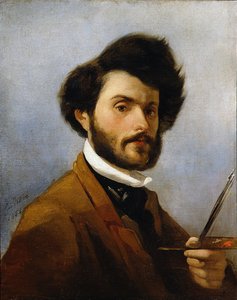
Джованни Фаттори
1825 - 1908 , Италия
Основные сведения
- Artistic Movement Or Style: Маччаиоло, импрессионизм
- Artists Or Movements Influenced By This Artist: ['Импрессионизм']
- Artists Who Influenced This Artist:
- Джованни Коста
- Школа Барбизон
- Date Of Birth: 6 сентября 1825 г.
- Date Of Death: 30 августа 1908 г.
- Full Name: Giovanni Fattori
- Nationality: Итальянский
- Notable Artworks:
- После битвы при Мадженте
- Красный экипаж
- Римские повозки
- Place Of Birth: Ливорно, Италия