

 Поделиться
 Поделиться
 Детали произведения

 Скачать
 Похожие работы
 Слайд-шоу
 Статистика
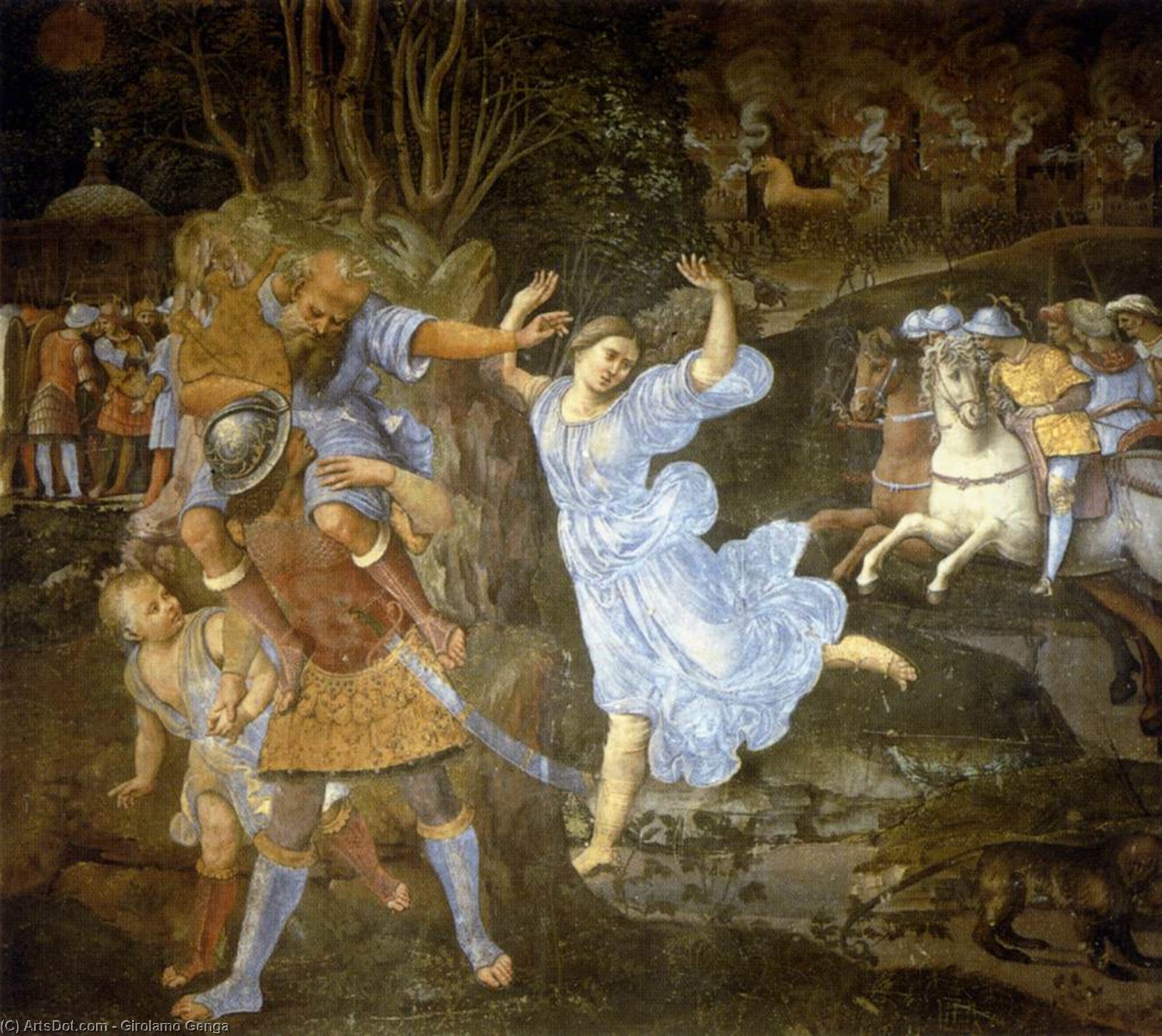
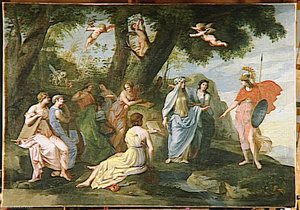
Flight of Aeneas from Troy
 Fresco
- Mannerism
 1507
1507- Renaissance
 126.0 x 138.0 cm
 Национальная пинакотека
 Читать далее
Жикле / Арт-принт
Печать (жикле) или холст музейного качества с быстрыми сроками изготовления и широким выбором вариантов отделки. ( Купить картину ручной работы Перейти к цифровым изображениям)




































Выберите один из наших стандартных размеров, соответствующих оригинальным пропорциям произведения искусства.

Вы можете указать свои собственные размеры, чтобы репродукция идеально подошла под конкретную раму или пространство. Если выбранный вами размер не будет соответствовать пропорциям оригинала, мы либо обрежем произведение, либо дополним изображение зеркальным отражением краев или однотонной заливкой. Перед началом производства вам будет отправлен цифровой макет для утверждения.
Пожалуйста, обратите внимание, что предварительный просмотр на экране не отображает фактическую обрезку или расширение изображения. Только макет точно покажет финальную композицию.
Несмотря на возможность заказа индивидуальных размеров, мы рекомендуем выбирать размер из предопределенного списка, чтобы сохранить оригинальные пропорции.
Доставка по всему миру () за 2 недели вместо стандартных 4/5 недель. (12 Сентябрь)

Бесплатная экспресс-доставка по всему миру

Высококачественный льняной холст

Полное страхование доставки

Гарантия возмещения таможенных пошлин

Гарантия точного соответствия цветов

100-дневная политика возврата (только при обнаружении дефектов)

Гарантия возврата 100% средств

Предложение оптовых скидок
 Вариант со стеклом доступен только для размеров менее 110 см

Flight of Aeneas from Troy
Жикле / Арт-принт
Размер репродукции
-


Итоговая стоимость
$ 62
A Cinematic Escape from the Flames of Troy
In the breathtaking fresco Flight of Aeneas from Troy, Girolamo Genga captures a moment of pure, unadulterated chaos and heroic desperation. The scene unfolds with a visceral energy that pulls the viewer directly into the heart of the Trojan War's final, agonizing hours. At the center of this whirlwind of motion is a woman, her form suspended in a state of dynamic flight, clutching her garments as if to anchor herself against the turbulence of fate. With a sword gripped firmly in one hand, she embodies the fierce spirit of survival, defending herself against the encrovers of the night. The composition is a masterclass in movement; every limb and every blade seems to vibrate with the tension of an impending clash, creating a sense of drama that feels almost cinematic in its execution.
The atmosphere is thick with the dust and smoke of a falling civilization. As Genga directs our eyes through the swirling figures, we encounter the shadows of warriors and the imposing silhouette of a horse in the background, elements that ground this mythological tragedy in a tangible, gritty reality. This is not merely a depiction of a legend; it is an exploration of the human instinct to endure when all around us is being reduced to ash. For the discerning collector or interior designer, this piece offers more than just visual splendor—it provides a profound narrative anchor that commands attention and invites deep contemplation.
The Mastery of Mannerist Drama
Born from the intellectual and artistic crucible of Urbino, Girolamo Genga brought to this work the sophisticated nuances of the Mannerist style. Having studied under the legendary Luca Signorelli and walked the same halls as Raphael, Genga possessed a unique ability to blend classical harmony with an exaggerated, theatrical intensity. In this fresco, we see the hallmarks of his training: the elongated, graceful yet strained poses of the figures and a complex, almost dizzying use of perspective that heightens the sense of vertigo during the flight. His technique relies on a rhythmic arrangement of bodies that guides the eye in a continuous loop of action, ensuring that no corner of the canvas remains static.
The emotional impact of the work lies in this very tension between beauty and brutality. Genga uses light and shadow not just to define form, but to sculpt the very air around his subjects, making the struggle feel palpable. The interplay of muscular anatomy and flowing drapery creates a visual poetry that is both sophisticated and raw. For those looking to adorn a space with art that possesses both historical weight and aesthetic vitality, this reproduction serves as a magnificent centerpiece, bringing the storied elegance of the Italian Renaissance into a contemporary setting.
A Timeless Legacy for the Modern Collector
Owning a piece that evokes the Flight of Aeneas from Troy is an invitation to host a conversation about resilience and the enduring power of myth. The painting serves as a window into a period where art was used to bridge the gap between the divine and the mortal, capturing the epic scale of human history within the confines of a wall or canvas. Its presence in a room—whether a grand library, a formal dining hall, or a curated gallery space—adds a layer of intellectual depth and historical prestige.
As an exquisite hand-painted reproduction, this work allows the grandeur of Genga’s vision to be experienced intimately. It is a choice for those who appreciate art that does not merely decorate a wall but tells a story, offering a sense of movement and life that breathes vitality into any interior design scheme. To display such a piece is to celebrate the triumph of the human spirit amidst the ruins of the past.
Похожие произведения

Биография художника
The Architect of Emotion: The Life and Legacy of Girolamo Genga
Girolamo Genga stands as a pivotal figure in the late Renaissance artistic landscape, particularly renowned for his masterful command of Mannerism—a style characterized by stylized forms, exaggerated perspective, and an emphasis on emotional intensity. Born in the illustrious city of Urbino, Italy, around 1476, Genga’s formative years were steeped in the intellectual fervor of Federico da Montefeltro's court. This was a crucible where humanist ideals intersected with artistic innovation, providing a fertile ground for a young talent to flourish. His early apprenticeship under the legendary Luca Signorelli instilled within him a foundational understanding of sculptural realism and narrative storytelling, skills that would serve as the bedrock of his prolific career. As his journey unfolded, Genga moved through the most vibrant artistic centers of Italy, honing his craft alongside titans such as Pietro Perugino and Raphael in Umbria. This exposure to Raphael's harmonious compositions undoubtedly influenced Genga’s aesthetic sensibilities, fostering a lifelong desire for elegance and balance while simultaneously nurturing an inclination towards dramatic visual effects. His subsequent ventures into Florence and Siena cemented his reputation as a versatile artist capable of adapting to diverse commissions and complex artistic traditions. One notable achievement was his collaboration with Timoteo della Vite on the opulent decoration of Pandolfo Petrucci’s palazzo in Siena, a project that perfectly exemplifies Genga's ability to synthesize classical ideals with contemporary stylistic trends.Theatricality and the Mastery of Space
Returning to his roots in Urbino, Genga became a favored artist of Duke Guidobaldo da Montefeltro. It was during this period that his unique talent for large-scale, immersive environments truly began to shine. He undertook monumental commissions for the ducal palace and famously orchestrated the elaborate staging of Guidobaldo’s funeral procession in 1508. This particular commission served as a testament to his theatrical flair and technical prowess, underscoring an exceptional ability to design spaces that conveyed profound emotional resonance and grandeur. His work often transcended the boundaries of mere painting, merging the roles of painter and architect to create unified aesthetic experiences. His contributions to the Villa Imperiale and various architectural endeavors demonstrate a mind that viewed art not as isolated objects, but as integral components of a larger, lived environment. Through his frescoes and altarpieces, Genga breathed life into stone and plaster, using light, shadow, and movement to guide the viewer's eye through complex theological and mythological narratives.A Lasting Impression on the Mannerist Movement
The historical significance of Girolamo Genga lies in his role as a bridge between the balanced perfection of the High Renaissance and the expressive, often turbulent energy of Mannerism. By embracing the more artificial and stylized elements of art, he helped pave the way for future generations to explore the psychological depths of their subjects. His legacy is found in:- The Synthesis of Styles: His ability to blend the sculptural weight of Signorelli with the grace of Raphael.
- Architectural Integration: The seamless marriage of decorative painting with structural design, particularly in his work for the Italian nobility.
- Narrative Drama: The use of theatrical staging and perspective to evoke intense emotional responses from the spectator.
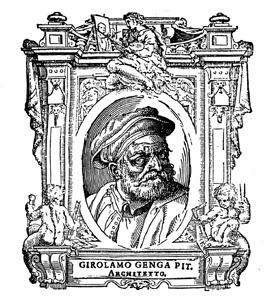
Girolamo Genga
1476 - 1551 , Italy
Основные сведения
- Artistic Movement Or Style: Mannerism
- Artists Or Movements Influenced By This Artist: ['Villa Imperiale']
- Artists Who Influenced This Artist:
- Luca Signorelli
- Pietro Perugino
- Raphael
- Date Of Birth: c. 1476
- Date Of Death: 1551
- Full Name: Girolamo Genga
- Nationality: Italian
- Notable Artworks:
- Rescue Prisoners
- Virgin Nursing the Child with the Infant John the Baptist
- Place Of Birth: Urbino, Italy
Похожие статьи

Фреска как Семейное Наследие: Сохранение Истории в Искусстве Стен
Узнайте о фресках как семейном наследии! История, техника создания, реставрация и сохранение. Экспертные советы и вдохновение для вашего дома. .
Искусство, живущее с вами: эмоциональная сила индивидуальной интерьерной фрески
Узнайте о фресках в интерьере: история, технологии, выбор и уход. Создайте уникальный дизайн с экспертами! Качество и индивидуальный подход гарантированы.
The Enduring Legacy of Fresco: Technique, History & Artistic Expression
Explore the rich history & enduring artistry of fresco painting. Discover techniques from Giotto to Michelangelo, conservation efforts, & modern applications. Learn how ArtsDot brings this timeless art form to your home.

The Enduring Legacy of Fresco Painting: Techniques, History & Contemporary Relevance
Explore the rich history & enduring artistry of fresco painting – from Giotto to Michelangelo! Discover techniques, conservation efforts, & modern applications. Learn how ArtsDot brings this timeless art form to your home.

The Enduring Legacy of Fresco: Technique, History & Artistic Expression Across Cultures
Explore the rich history & enduring legacy of fresco painting! Discover ancient techniques, Giotto's masterpieces, and modern applications. Expert insights for art lovers & professionals.