

 Предпросмотр
 Поделиться
 Поделиться
 Детали произведения

 Скачать
 Похожие работы
 Рентгенография
 Слайд-шоу
 Статистика
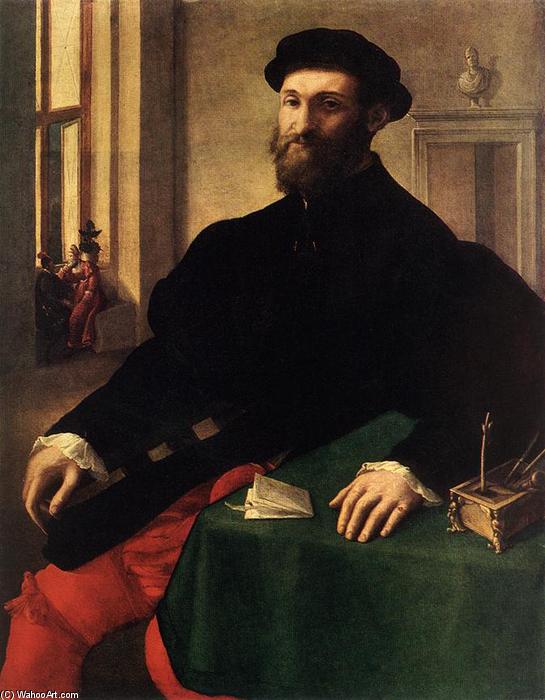
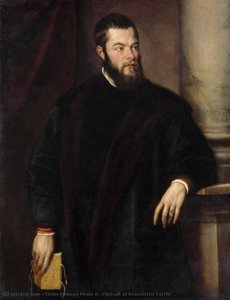
Portrait of a Man
 Acrylic On Canvas
- WallArt
- Renaissance
 105.0 x 83.0 cm
 Эрмитаж
 Читать далее
Масляная репродукция ручной работы
Картина маслом на холсте в выбранном вами размере и раме, написанная на заказ нашими художниками. ( Перейти к печати Перейти к цифровым изображениям)




P118B $10

P118H $10

P118W $10

P438Z $10

P508JH $12

P508YH $12

P805H $10

P805Z $10

P919BZ $10

P919G $10

P919XJ $10

P959ZH $10

P968JZ $12

W106C $8

W218G $10

W218JH $8

W218Y $10

W307PJ $10

W316G $10

W316PJ $8

W316Y $10

W398PJ $8

W4111J $10

W500HY $15

W500JH $15

W692G $12

W849H $8

W940BG $15

W953PJ $8




Выберите один из наших стандартных размеров, соответствующих оригинальным пропорциям произведения искусства.

Вы можете указать собственные размеры, чтобы картина идеально вписалась в выбранную раму или пространство. Если выбранный вами размер не соответствует пропорциям оригинала, мы либо обрежем полотно, либо расширим его за счет дополнительных элементов, написанных вручную. Цифровой макет будет отправлен вам на утверждение перед началом производства.
Обратите внимание, что предварительный просмотр на экране не отражает фактическую обрезку или расширение. Только макет точно покажет окончательную композицию.
Хотя доступны индивидуальные размеры, мы рекомендуем выбирать вариант из предопределенного списка, чтобы сохранить исходные пропорции.
После оформления заказа команда ArtsDot.com свяжется с клиентом по электронной почте для уточнения деталей и предоставит предварительный макет
Доставка по всему миру () за 3–4 недели вместо стандартных 5 недель. (12 Сентябрь). Без компромиссов в качестве.

Бесплатная экспресс-доставка по всему миру

Высококачественный льняной холст

Полное страхование доставки

Гарантия возмещения таможенных пошлин

Гарантия точного соответствия цветов

100-дневная политика возврата (только при обнаружении дефектов)

Гарантия возврата 100% средств

Предложение оптовых скидок
 Вариант со стеклом доступен только для размеров менее 110 см

Portrait of a Man
Техника репродукции
Размер репродукции
-


Итоговая стоимость
$ 263
A Glimpse into the Soul: The Enigmatic Portrait of a Man
Giulio Campi’s “Portrait of a Man,” painted circa 1530-40, is more than just a depiction of an individual; it's a profound meditation on time, contemplation, and the quiet dignity of human experience. This small yet intensely powerful oil painting, housed within a meticulously crafted antique gold frame, offers a rare window into the artistic sensibilities of a pivotal figure in the Italian Renaissance – a master known for his ability to infuse even the most seemingly straightforward portrait with layers of psychological depth.
The subject himself remains deliberately ambiguous. He is presented at bust length, his gaze fixed slightly off-center, inviting the viewer into an unspoken dialogue. His attire—a dark robe and wide-brimmed hat—suggests a man of status and perhaps even authority, yet there’s nothing overtly ostentatious about his appearance. Instead, Campi focuses on capturing the subtle nuances of aging: the pronounced lines etched around the eyes, the stubble hinting at a life lived fully, and the weary expression that speaks volumes without uttering a single word. This isn't an idealized representation; it’s a realistic portrayal of a man confronting his own mortality, a theme prevalent throughout Renaissance art.
The Techniques of a Master: Detail and Light
Campi’s technical skill is immediately apparent in the meticulous detail with which he renders every element of the portrait. The texture of the fabric—the folds of the robe, the sheen of the hat—is rendered with astonishing precision, achieved through painstaking layering of thin glazes of oil paint. The artist's mastery of light and shadow is equally remarkable; a soft, diffused illumination washes over the figure, creating a sense of serenity and depth. Notice how the light catches the wrinkles around his eyes, highlighting their complexity and adding to the portrait’s emotional resonance.
- Glazing Technique: Campi employed a technique known as glazing, applying thin layers of translucent paint over dried underlayers to build up color and depth.
- Chiaroscuro: The masterful use of chiaroscuro—the dramatic contrast between light and dark—creates a sense of volume and realism.
- Attention to Detail: From the intricate folds of the robe to the subtle texture of the skin, every element is rendered with remarkable precision.
A Renaissance Legacy: Influences and Context
Campi’s artistic development was shaped by a confluence of influences. He began his training under his father, Galeazzo Campi, a respected painter in Cremona, and later studied with the influential Giulio Romano in Mantua – an artist known for his dynamic compositions and dramatic use of perspective. His studies in Rome further exposed him to the classical ideals that underpinned Renaissance art, particularly the emphasis on humanism and the celebration of individual beauty. The portrait’s composition echoes elements seen in works by Andrea Mantegna, reflecting Campi's deep engagement with Roman artistic traditions.
The painting’s provenance—tracing back through a series of aristocratic collections—offers further insight into its historical context. It was once part of the collection of Charles I and later found its way to Kensington Palace, suggesting it was valued as a significant work of art during the 17th and 18th centuries. The portrait’s enduring appeal lies in its ability to transcend time, offering viewers a timeless glimpse into the human condition.
A Timeless Portrait: Symbolism and Emotional Impact
Beyond its technical brilliance, “Portrait of a Man” resonates with profound emotional depth. The subject's contemplative gaze invites us to contemplate our own mortality and the passage of time. The portrait’s quiet dignity and understated elegance speak to the enduring values of Renaissance art – a celebration of human intellect, beauty, and resilience. It is a work that rewards repeated viewing, revealing new layers of meaning with each encounter. Reproductions capture only a fraction of this depth, but offer a beautiful way to bring this remarkable piece into your home.
Похожие произведения
Биография художника
Giulio Campi: Life and Legacy
Early Life and Training
- Born: Cremona, Italy in 1502.
- Family of Artists: Giulio Campi came from a prominent family of painters; his father, Galeazzo (1475–1536), provided him with initial artistic training.
- Early Studies: In 1522, he traveled to Mantua and studied painting, architecture, and modelling under the tutelage of Giulio Romano.
- His education continued with a visit to Rome where he became deeply engaged in studying classical antiquity.
Artistic Development and Influences
- Blending Traditions: Campi skillfully combined Lombard and Roman artistic traditions, influenced by his studies with Romano and his exploration of ancient art.
- Collaboration: He collaborated with Camillo Boccaccino, son of Boccaccio Boccaccino, potentially receiving further training from him.
- Key Influences: Giulio Romano’s influence is evident in Campi's dynamic compositions and architectural elements. His study of classical art instilled a sense of grandeur and anatomical accuracy.
Major Works and Style
- Masterpiece: At the age of 27, Campi completed his masterpiece, “Virgin and Child with Sts Celsus and Nazarus”, for the church of Sant'Abondio. It is celebrated for its freedom of drawing and vibrant color.
- Notable Works: Other significant works include the “Descent from the Cross” in San Sigismondo, Cremona, and frescoes within the dome of San Girolamo in Mantua.
- Artistic Characteristics: Campi’s paintings are characterized by grand conceptions, free drawing, vigorous coloring, a lofty style, and broad handling. A deep piety is evident throughout his work.
- He was involved in the reconstruction and decoration of the church of Santa Rita in Cremona.
Historical Significance and Legacy
- “Ludovico Carracci of Cremona”: Campi is often referred to by this title due to his significant influence on the artistic landscape of Cremona, mirroring Ludovico Carracci’s impact on Bologna.
- Regional Importance: He played a crucial role in shaping Renaissance art within the Cremonese school.
- Engravings by Ghiso: His altar-piece in San Sigismondo and his “Labours of Hercules” were engraved by Giorgio Ghisi, further disseminating his work.
- Lasting Impact: Campi’s influence extended beyond his lifetime, inspiring subsequent generations of artists in the region.
Death and Remembrance
- Died: Cremona, Italy in 1572.
- Giulio Campi remains a significant figure in Italian Renaissance art, celebrated for his artistic skill, religious devotion, and lasting influence on the Cremonese school of painting.
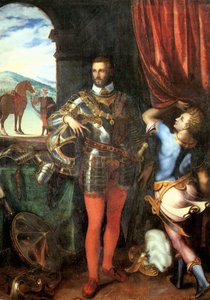
Giulio Campi
1502 - 1572 , Italy
Основные сведения
- Birth Date: 1502
- Birth Place: Cremona, Italy
- Death Date: 1572
- Influenced: Ludovico Carracci (in Cremona)
- Influenced By: Giulio Romano
- Movement: Renaissance, Mannerism
- Name: Giulio Campi
- Nationality: Italian
- Notable Works:
- Virgin and Child with Sts Celsus and Nazarus
- Descent from the Cross (San Sigismondo)
- Frescoes in San Girolamo (Mantua)
Похожие статьи

Oil on Canvas: A Historical & Technical Exploration of a Timeless Artistic Medium
Explore the rich history & enduring techniques of oil painting on canvas. Discover the science behind its longevity, conservation practices, and contemporary relevance. Expert insights for art enthusiasts.

The Enduring Power of Painting: A Historical & Contemporary Exploration of Form and Emotion
Explore the rich history & enduring techniques of oil painting with ArtsDot. Discover masterpieces, learn about art collecting, and find authentic handmade reproductions crafted by skilled artists.

The Enduring Legacy of Oil on Canvas: Technique, History & Aesthetic Impact
Explore the rich history & techniques of oil painting – from Renaissance masters to Impressionism. Discover pigments, layering methods, and why this timeless medium endures. Expert insights for artists & art enthusiasts.

Масляная живопись: История, техника и непреходящее наследие
Узнайте все о масляной живописи: история техники, секреты мастеров и современные тенденции. Погрузитесь в мир искусства с экспертами !
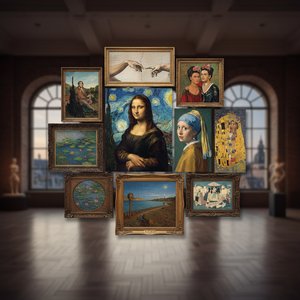
Топ-10 шедевров масляной живописи, изменивших искусство навсегда | ArtsDot.com
Погрузитесь в мир великих шедевров масляной живописи! От Леонардо да Винчи до Ван Гога – узнайте истории создания самых известных картин, техники художников и их влияние на искусство. Репродукции музейного качества на ArtsDot.com. Explore the full collection online!