

 Предпросмотр
 Поделиться
 Поделиться
 Детали произведения

 Скачать
 Похожие работы
 Рентгенография
 Слайд-шоу
 Статистика
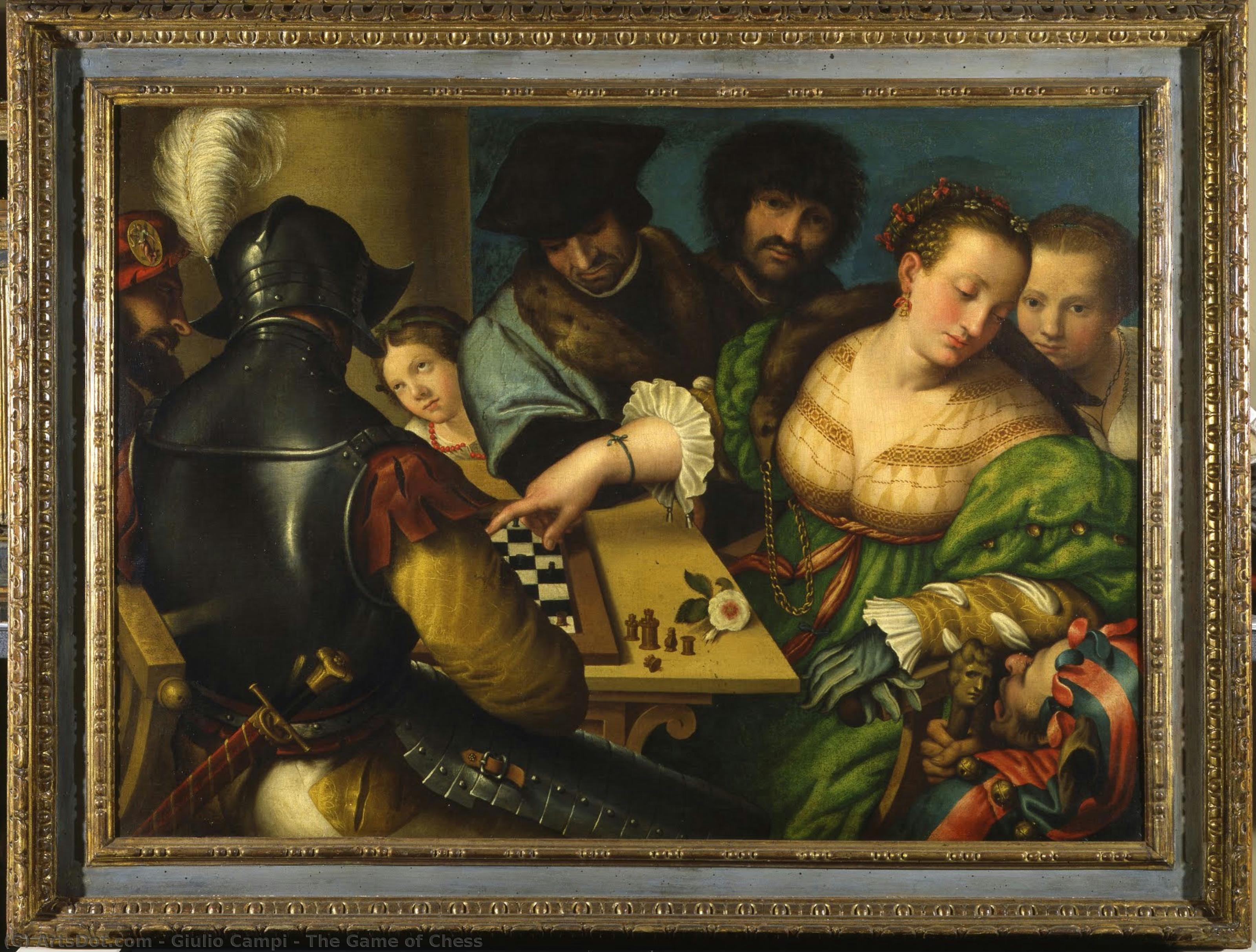
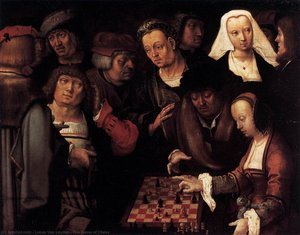
The Game of Chess
 Oil
Oil- WallArt
- Renaissance
 Renaissance
 127.0 x 90.0 cm
 Палаццо Мадама
 Читать далее
Масляная репродукция ручной работы
Картина маслом на холсте в выбранном вами размере и раме, написанная на заказ нашими художниками. ( Перейти к печати Перейти к цифровым изображениям)




P118B $10

P118H $10

P118W $10

P438Z $10

P508JH $12

P508YH $12

P805H $10

P805Z $10

P919BZ $10

P919G $10

P919XJ $10

P959ZH $10

P968JZ $12

W106C $8

W218G $10

W218JH $8

W218Y $10

W307PJ $10

W316G $10

W316PJ $8

W316Y $10

W398PJ $8

W4111J $10

W500HY $15

W500JH $15

W692G $12

W849H $8

W940BG $15

W953PJ $8




Выберите один из наших стандартных размеров, соответствующих оригинальным пропорциям произведения искусства.

Вы можете указать собственные размеры, чтобы картина идеально вписалась в выбранную раму или пространство. Если выбранный вами размер не соответствует пропорциям оригинала, мы либо обрежем полотно, либо расширим его за счет дополнительных элементов, написанных вручную. Цифровой макет будет отправлен вам на утверждение перед началом производства.
Обратите внимание, что предварительный просмотр на экране не отражает фактическую обрезку или расширение. Только макет точно покажет окончательную композицию.
Хотя доступны индивидуальные размеры, мы рекомендуем выбирать вариант из предопределенного списка, чтобы сохранить исходные пропорции.
После оформления заказа команда ArtsDot.com свяжется с клиентом по электронной почте для уточнения деталей и предоставит предварительный макет
Доставка по всему миру () за 3–4 недели вместо стандартных 5 недель. (11 Сентябрь). Без компромиссов в качестве.

Бесплатная экспресс-доставка по всему миру

Высококачественный льняной холст

Полное страхование доставки

Гарантия возмещения таможенных пошлин

Гарантия точного соответствия цветов

100-дневная политика возврата (только при обнаружении дефектов)

Гарантия возврата 100% средств

Предложение оптовых скидок
 Вариант со стеклом доступен только для размеров менее 110 см

The Game of Chess
Техника репродукции
Размер репродукции
-


Итоговая стоимость
$ 263
A Renaissance Gathering: The Intimacy of The Game of Chess
In the quiet, amber-hued atmosphere of Giulio Campi’s The Game of Chess, the viewer is not merely an observer but an uninvited guest at a sophisticated Renaissance gathering. This masterful composition captures a moment suspended in time, where the intellectual rigor of a chess match meets the soft, social grace of a private salon. The scene is alive with the subtle interplay of glances and gestures; figures are positioned with a deliberate balance that draws the eye across the canvas, from the focused players at the center to the contemplative souls lingering in the periphery. There is a profound sense of depth achieved through the careful arrangement of chairs, tables, and background elements, creating an inviting environment that feels both expansive and intimately cozy.
The painting serves as a rich tapestry of human connection and potential allegory. While at first glance it appears to be a lively group portrait, art historians often look beneath the surface to find deeper meanings. The presence of certain figures may allude to classical deities, such as Venus or Mars, suggesting that the game itself is a metaphor for the strategic maneuvers of love and conflict. Furthermore, the painting may hold personal significance for the artist; the melancholy gaze of the young man looking directly at us is widely believed to be a self-portrait of Giulio Campi himself. This layer of introspection adds an emotional weight to the piece, transforming a social scene into a profound meditation on identity and presence.
Mastery of the Cremonese School
Giulio Campi, a prominent figure of the Cremonese school, brings his unique training under the legendary Giulio Romano to this work. The technique displays a seamless blend of Lombard naturalism and the grand, architectural dynamism characteristic of Roman influence. Every brushstroke contributes to a sense of tactile reality, from the heavy fabrics of the garments to the smooth, polished surface of the chessboard. The lighting is particularly evocative, casting soft shadows that define the musculature of the man-at-arms and the delicate features of the women, lending the entire scene a luminous, lifelike quality.
For the discerning collector or interior designer, The Game of Chess offers more than just aesthetic beauty; it provides a focal point of intellectual and historical prestige. A high-quality reproduction of this work brings the sophisticated spirit of the Italian Renaissance into a modern space, acting as a conversation piece that invites scrutiny and admiration. Whether placed in a formal study, a grand dining room, or a curated gallery wall, the painting’s balanced composition and rich narrative depth provide an enduring sense of elegance and timelessness.
Похожие произведения
Биография художника
Giulio Campi: Life and Legacy
Early Life and Training
- Born: Cremona, Italy in 1502.
- Family of Artists: Giulio Campi came from a prominent family of painters; his father, Galeazzo (1475–1536), provided him with initial artistic training.
- Early Studies: In 1522, he traveled to Mantua and studied painting, architecture, and modelling under the tutelage of Giulio Romano.
- His education continued with a visit to Rome where he became deeply engaged in studying classical antiquity.
Artistic Development and Influences
- Blending Traditions: Campi skillfully combined Lombard and Roman artistic traditions, influenced by his studies with Romano and his exploration of ancient art.
- Collaboration: He collaborated with Camillo Boccaccino, son of Boccaccio Boccaccino, potentially receiving further training from him.
- Key Influences: Giulio Romano’s influence is evident in Campi's dynamic compositions and architectural elements. His study of classical art instilled a sense of grandeur and anatomical accuracy.
Major Works and Style
- Masterpiece: At the age of 27, Campi completed his masterpiece, “Virgin and Child with Sts Celsus and Nazarus”, for the church of Sant'Abondio. It is celebrated for its freedom of drawing and vibrant color.
- Notable Works: Other significant works include the “Descent from the Cross” in San Sigismondo, Cremona, and frescoes within the dome of San Girolamo in Mantua.
- Artistic Characteristics: Campi’s paintings are characterized by grand conceptions, free drawing, vigorous coloring, a lofty style, and broad handling. A deep piety is evident throughout his work.
- He was involved in the reconstruction and decoration of the church of Santa Rita in Cremona.
Historical Significance and Legacy
- “Ludovico Carracci of Cremona”: Campi is often referred to by this title due to his significant influence on the artistic landscape of Cremona, mirroring Ludovico Carracci’s impact on Bologna.
- Regional Importance: He played a crucial role in shaping Renaissance art within the Cremonese school.
- Engravings by Ghiso: His altar-piece in San Sigismondo and his “Labours of Hercules” were engraved by Giorgio Ghisi, further disseminating his work.
- Lasting Impact: Campi’s influence extended beyond his lifetime, inspiring subsequent generations of artists in the region.
Death and Remembrance
- Died: Cremona, Italy in 1572.
- Giulio Campi remains a significant figure in Italian Renaissance art, celebrated for his artistic skill, religious devotion, and lasting influence on the Cremonese school of painting.
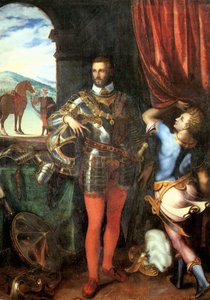
Giulio Campi
1502 - 1572 , Italy
Основные сведения
- Birth Date: 1502
- Birth Place: Cremona, Italy
- Death Date: 1572
- Influenced: Ludovico Carracci (in Cremona)
- Influenced By: Giulio Romano
- Movement: Renaissance, Mannerism
- Name: Giulio Campi
- Nationality: Italian
- Notable Works:
- Virgin and Child with Sts Celsus and Nazarus
- Descent from the Cross (San Sigismondo)
- Frescoes in San Girolamo (Mantua)
Похожие статьи
Мазки и битвы с боссами: Художники, создающие игровые вселенные вручную
Узнайте о секретах создания игровых вселенных вручную! Экспертный обзор техник, материалов и влияния уникальных художественных школ на современный геймдев. Вдохновение для художников и разработчиков игр.

От пикселей до подиумов: как эстетика игр формирует современную культуру
Узнайте, как эстетика видеоигр формирует современную культуру, моду и дизайн. Анализ трендов Y2K, пиксель-арта и влияния игр на искусство. Экспертный взгляд!
За пределами пикселей и игрового процесса: эстетическая и идентичностная значимость игрового искусства для современного коллекционера
Исследуйте мир игрового искусства с экспертами! Узнайте об авторстве, эстетике и инвестициях в редкий арт из видеоигр. Коллекционируйте уникальные произведения и откройте новые горизонты современного цифрового творчества.
Пиксельная Престижность: Исследование Дефицита, Ценности и Культурного Влияния Лимитированных Изданий Игровых Карти́н
Исследуйте мир лимитированных изданий игровых артов! Узнайте о ценности, дефиците и культурном влиянии цифрового искусства. Инвестиции, аутентификация и перспективы рынка – экспертный анализ для коллекционеров.
Пересечение реальностей: исследование эстетических взаимосвязей между вселенными видеоигр и традициями изобразительного искусства
Исследование эстетических связей между видеоиграми и традиционным искусством. Анализ визуальных языков, семиотики и образовательного потенциала игр. Экспертный взгляд для коллекционеров и ценителей.