

 Предпросмотр
 Поделиться
 Поделиться
 Детали произведения

 Скачать
 Похожие работы
 Рентгенография
 Слайд-шоу
 Статистика
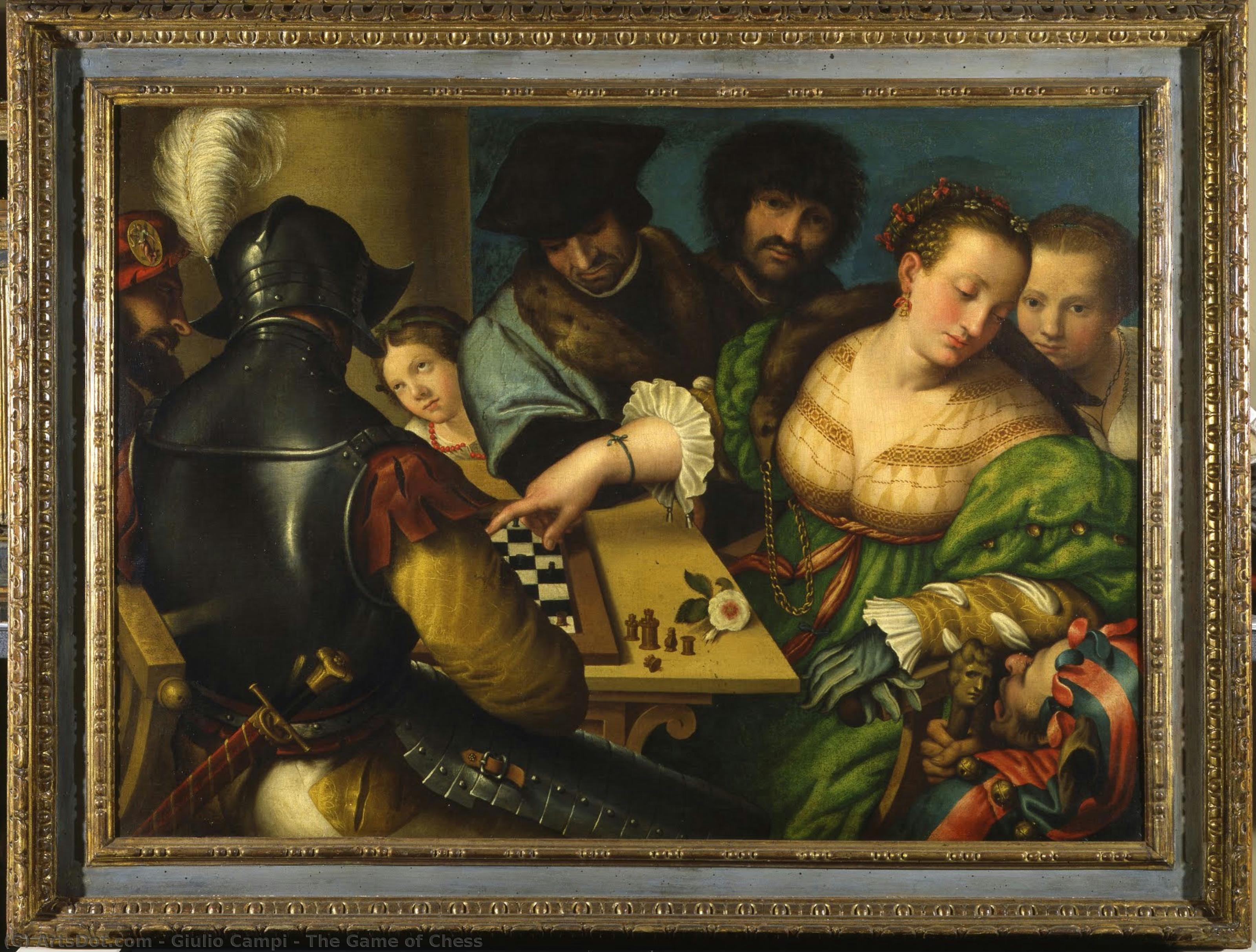
The Game of Chess
 Oil
Oil- WallArt
- Renaissance
 Renaissance
 127.0 x 90.0 cm
 Палаццо Мадама
 Читать далее
Приобретите цифровое изображение высокого разрешения в улучшенном качестве, которое значительно превосходит онлайн-превью.
Каждый файл тщательно подготавливается нашими специалистами с использованием передовых инструментов и экспертной ручной ретуши. Мы гарантируем исключительную четкость, точную цветопередачу и детальную проработку каждого изображения.
Финальный файл доставляется по электронной почте в течение 72 часов и оптимизирован для немедленного использования в профессиональной среде, при верстке и печати. Это тот же уровень качества, которому доверяют ведущие дизайнерские студии, издательства и галереи.
Цифровое изображение
Скачайте файл высокого разрешения для личного использования, печати и творческих проектов. ( Перейти к печати Купить картину ручной работы)
Включено в каждый заказ цифровых изображений
Гарантия экспертной цифровой доставки
Выбирая ArtsDot.com, вы получаете не просто изображение — вы приобретаете профессионально обработанное цифровое произведение искусства, созданное с безупречной точностью и под защитой гарантии качества. Вот всё, что автоматически входит в ваш заказ:

Мгновенная доставка по e-mail
Ваш цифровой файл в высоком разрешении будет отправлен вам по электронной почте в течение 72 часов после оформления заказа — и сразу станет доступен для использования.

Цифровой файл с ИИ-улучшением
Ваше произведение искусства проходит профессиональную оптимизацию с использованием передовых инструментов ИИ и ручной обработки, что гарантирует максимальную детализацию, четкость и точность цветопередачи.

Бессрочная бесплатная повторная доставка
Случайно удалили или потеряли файл? Не беспокойтесь — мы отправим его вам повторно в любое время и совершенно бесплатно.

Без импортных пошлин — навсегда
Наслаждайтесь вашим произведением искусства мгновенно без таможенных пошлин, сборов или затрат на доставку — цифровые загрузки всегда не облагаются налогом.

Гарантия точности цветопередачи
Мы гарантируем, что ваше цифровое изображение максимально точно передает оригинальные цвета благодаря использованию профессиональных инструментов и систем управления цветом.

Гарантия удовлетворенности 100 дней
Если вы не будете удовлетворены своим цифровым изображением, мы внесем правки или вернем 100% стоимости в течение 100 дней — без лишних вопросов.

100% Гарантия возврата средств
Не удовлетворены покупкой? Получите полный возврат средств в течение 100 дней после получения цифрового файла — без лишних вопросов.

Скидки на оптовые заказы
Купите 3 изображения, сэкономьте 10% — Купите 5, сэкономьте 15% — Купите 10+, сэкономьте 20%. Отличное решение для творческих проектов, галерей и агентств.
A Renaissance Gathering: The Intimacy of The Game of Chess
In the quiet, amber-hued atmosphere of Giulio Campi’s The Game of Chess, the viewer is not merely an observer but an uninvited guest at a sophisticated Renaissance gathering. This masterful composition captures a moment suspended in time, where the intellectual rigor of a chess match meets the soft, social grace of a private salon. The scene is alive with the subtle interplay of glances and gestures; figures are positioned with a deliberate balance that draws the eye across the canvas, from the focused players at the center to the contemplative souls lingering in the periphery. There is a profound sense of depth achieved through the careful arrangement of chairs, tables, and background elements, creating an inviting environment that feels both expansive and intimately cozy.
The painting serves as a rich tapestry of human connection and potential allegory. While at first glance it appears to be a lively group portrait, art historians often look beneath the surface to find deeper meanings. The presence of certain figures may allude to classical deities, such as Venus or Mars, suggesting that the game itself is a metaphor for the strategic maneuvers of love and conflict. Furthermore, the painting may hold personal significance for the artist; the melancholy gaze of the young man looking directly at us is widely believed to be a self-portrait of Giulio Campi himself. This layer of introspection adds an emotional weight to the piece, transforming a social scene into a profound meditation on identity and presence.
Mastery of the Cremonese School
Giulio Campi, a prominent figure of the Cremonese school, brings his unique training under the legendary Giulio Romano to this work. The technique displays a seamless blend of Lombard naturalism and the grand, architectural dynamism characteristic of Roman influence. Every brushstroke contributes to a sense of tactile reality, from the heavy fabrics of the garments to the smooth, polished surface of the chessboard. The lighting is particularly evocative, casting soft shadows that define the musculature of the man-at-arms and the delicate features of the women, lending the entire scene a luminous, lifelike quality.
For the discerning collector or interior designer, The Game of Chess offers more than just aesthetic beauty; it provides a focal point of intellectual and historical prestige. A high-quality reproduction of this work brings the sophisticated spirit of the Italian Renaissance into a modern space, acting as a conversation piece that invites scrutiny and admiration. Whether placed in a formal study, a grand dining room, or a curated gallery wall, the painting’s balanced composition and rich narrative depth provide an enduring sense of elegance and timelessness.
Похожие произведения
Биография художника
Giulio Campi: Life and Legacy
Early Life and Training
- Born: Cremona, Italy in 1502.
- Family of Artists: Giulio Campi came from a prominent family of painters; his father, Galeazzo (1475–1536), provided him with initial artistic training.
- Early Studies: In 1522, he traveled to Mantua and studied painting, architecture, and modelling under the tutelage of Giulio Romano.
- His education continued with a visit to Rome where he became deeply engaged in studying classical antiquity.
Artistic Development and Influences
- Blending Traditions: Campi skillfully combined Lombard and Roman artistic traditions, influenced by his studies with Romano and his exploration of ancient art.
- Collaboration: He collaborated with Camillo Boccaccino, son of Boccaccio Boccaccino, potentially receiving further training from him.
- Key Influences: Giulio Romano’s influence is evident in Campi's dynamic compositions and architectural elements. His study of classical art instilled a sense of grandeur and anatomical accuracy.
Major Works and Style
- Masterpiece: At the age of 27, Campi completed his masterpiece, “Virgin and Child with Sts Celsus and Nazarus”, for the church of Sant'Abondio. It is celebrated for its freedom of drawing and vibrant color.
- Notable Works: Other significant works include the “Descent from the Cross” in San Sigismondo, Cremona, and frescoes within the dome of San Girolamo in Mantua.
- Artistic Characteristics: Campi’s paintings are characterized by grand conceptions, free drawing, vigorous coloring, a lofty style, and broad handling. A deep piety is evident throughout his work.
- He was involved in the reconstruction and decoration of the church of Santa Rita in Cremona.
Historical Significance and Legacy
- “Ludovico Carracci of Cremona”: Campi is often referred to by this title due to his significant influence on the artistic landscape of Cremona, mirroring Ludovico Carracci’s impact on Bologna.
- Regional Importance: He played a crucial role in shaping Renaissance art within the Cremonese school.
- Engravings by Ghiso: His altar-piece in San Sigismondo and his “Labours of Hercules” were engraved by Giorgio Ghisi, further disseminating his work.
- Lasting Impact: Campi’s influence extended beyond his lifetime, inspiring subsequent generations of artists in the region.
Death and Remembrance
- Died: Cremona, Italy in 1572.
- Giulio Campi remains a significant figure in Italian Renaissance art, celebrated for his artistic skill, religious devotion, and lasting influence on the Cremonese school of painting.
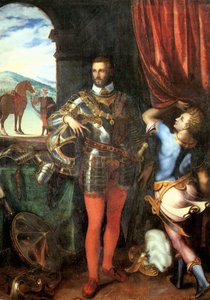
Giulio Campi
1502 - 1572 , Italy
Основные сведения
- Birth Date: 1502
- Birth Place: Cremona, Italy
- Death Date: 1572
- Influenced: Ludovico Carracci (in Cremona)
- Influenced By: Giulio Romano
- Movement: Renaissance, Mannerism
- Name: Giulio Campi
- Nationality: Italian
- Notable Works:
- Virgin and Child with Sts Celsus and Nazarus
- Descent from the Cross (San Sigismondo)
- Frescoes in San Girolamo (Mantua)