

 Предпросмотр
 Поделиться
 Поделиться
 Детали произведения

 Скачать
 Похожие работы
 Рентгенография
 Слайд-шоу
 Статистика
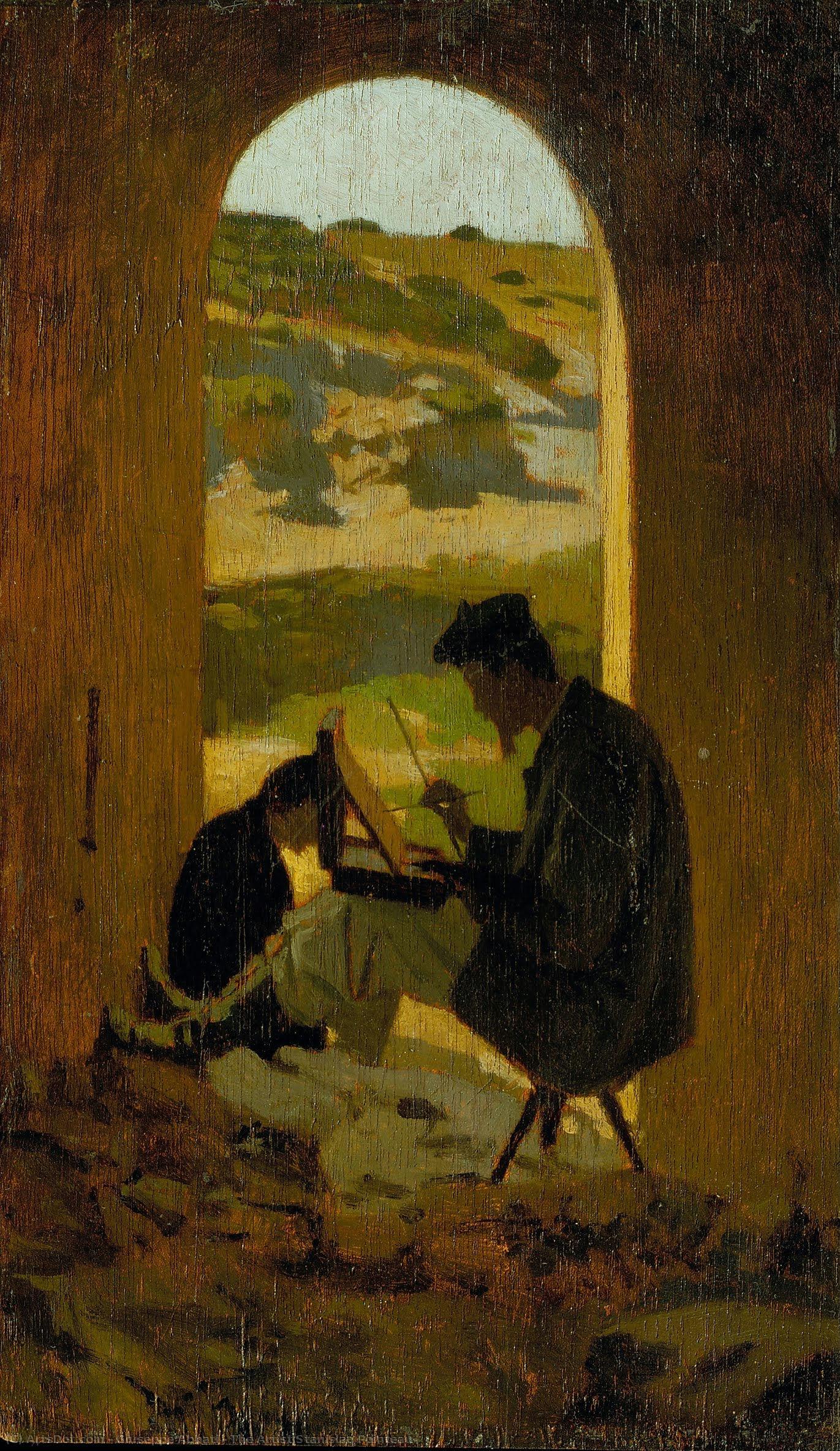
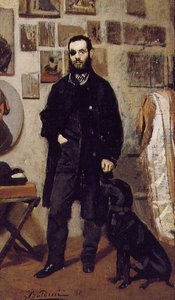
The Artist Stanislao Pointeau
 Oil On Canvas
- WallArt
- Macchiaioli Movement
 1863
1863- 19th Century
 35.0 x 20.0 cm
 Музе́й импрессионизмов Живерни
 Читать далее
Приобретите цифровое изображение высокого разрешения в улучшенном качестве, которое значительно превосходит онлайн-превью.
Каждый файл тщательно подготавливается нашими специалистами с использованием передовых инструментов и экспертной ручной ретуши. Мы гарантируем исключительную четкость, точную цветопередачу и детальную проработку каждого изображения.
Финальный файл доставляется по электронной почте в течение 72 часов и оптимизирован для немедленного использования в профессиональной среде, при верстке и печати. Это тот же уровень качества, которому доверяют ведущие дизайнерские студии, издательства и галереи.
Цифровое изображение
Скачайте файл высокого разрешения для личного использования, печати и творческих проектов. ( Перейти к печати Купить картину ручной работы)
Включено в каждый заказ цифровых изображений
Гарантия экспертной цифровой доставки
Выбирая ArtsDot.com, вы получаете не просто изображение — вы приобретаете профессионально обработанное цифровое произведение искусства, созданное с безупречной точностью и под защитой гарантии качества. Вот всё, что автоматически входит в ваш заказ:

Мгновенная доставка по e-mail
Ваш цифровой файл в высоком разрешении будет отправлен вам по электронной почте в течение 72 часов после оформления заказа — и сразу станет доступен для использования.

Цифровой файл с ИИ-улучшением
Ваше произведение искусства проходит профессиональную оптимизацию с использованием передовых инструментов ИИ и ручной обработки, что гарантирует максимальную детализацию, четкость и точность цветопередачи.

Бессрочная бесплатная повторная доставка
Случайно удалили или потеряли файл? Не беспокойтесь — мы отправим его вам повторно в любое время и совершенно бесплатно.

Без импортных пошлин — навсегда
Наслаждайтесь вашим произведением искусства мгновенно без таможенных пошлин, сборов или затрат на доставку — цифровые загрузки всегда не облагаются налогом.

Гарантия точности цветопередачи
Мы гарантируем, что ваше цифровое изображение максимально точно передает оригинальные цвета благодаря использованию профессиональных инструментов и систем управления цветом.

Гарантия удовлетворенности 100 дней
Если вы не будете удовлетворены своим цифровым изображением, мы внесем правки или вернем 100% стоимости в течение 100 дней — без лишних вопросов.

100% Гарантия возврата средств
Не удовлетворены покупкой? Получите полный возврат средств в течение 100 дней после получения цифрового файла — без лишних вопросов.

Скидки на оптовые заказы
Купите 3 изображения, сэкономьте 10% — Купите 5, сэкономьте 15% — Купите 10+, сэкономьте 20%. Отличное решение для творческих проектов, галерей и агентств.
A Moment of Camaraderie: Unveiling "The Artist Stanislao Pointeau" by Giuseppe Abbati
Giuseppe Abbati’s “The Artist Stanislao Pointeau,” painted in 1863, is more than just a portrait; it's a poignant snapshot of human connection forged amidst the turbulent backdrop of Italian unification. Measuring a modest 35 x 20 cm, this intimate scene immediately draws the viewer into a world of rustic simplicity and quiet contemplation. The painting depicts two men – Stanislao Pointeau, presumably the artist himself, and an unidentified companion – engaged in what appears to be a serious discussion within a humble room. The dirt floor, worn bench, and carefully placed chair speak volumes about their lives, suggesting a shared space of intellectual exchange and perhaps even artistic collaboration.
The Macchiaioli Influence and a Tragic Turning Point
Attributed to Abbati, this work reflects the burgeoning influence of the *Macchiaioli* movement, a group of Florentine artists who revolutionized Italian painting in the mid-19th century. Born in Naples in 1836, Abbati’s early training under his father, Vincenzo Abbati, focused on architectural interiors – a hallmark of Neapolitan artistic tradition. However, his life dramatically shifted with his participation in Garibaldi's campaign for unification. The Battle of Capua resulted in the loss of his right eye, an event that profoundly impacted his artistic vision and ultimately led him to Florence. It was in Florence, at the renowned Caffè Michelangiolo, that Abbati found himself immersed within the circle of the *Macchiaioli* – Giovanni Fattori, Silvestro Lega, and others – a group known for their loose brushwork, vibrant colors, and commitment to capturing fleeting moments of everyday life. This influence is palpable in “The Artist Stanislao Pointeau,” evident in the painterly application of color and the emphasis on atmosphere.
Technique and Composition: A Study in Light and Shadow
Abbati’s technique is characterized by a masterful use of *macchiano*, the signature style of the Macchiaioli, where dabs or strokes of paint are applied side-by-side to create an impressionistic effect. This technique lends itself beautifully to capturing the play of light and shadow within the room, particularly evident in the way the sunlight streams through the window, illuminating the figures and casting intriguing shadows on the floor. The composition is deliberately understated, focusing intently on the interaction between the two men. The placement of the book near the standing figure suggests a shared interest in learning or perhaps a moment of inspiration. The careful attention to detail – the worn texture of the bench, the folds of the clothing – adds to the painting’s realism and emotional resonance.
Symbolism and Emotional Impact
"The Artist Stanislao Pointeau" transcends a simple portrait; it's an exploration of friendship, intellectual exchange, and perhaps even the bittersweet reflection on loss. The setting itself—a humble room stripped bare of ostentation—suggests a focus on genuine human connection rather than material wealth. Abbati’s ability to capture this quiet moment of camaraderie is remarkable, inviting viewers to contemplate the value of shared experiences and the enduring power of human relationships. This painting offers a window into a pivotal era in Italian history and a testament to the artistic vision of Giuseppe Abbati, a key figure within the revolutionary *Macchiaioli* movement.
Похожие произведения



Биография художника
Giuseppe Abbati: Life and Legacy
Early Life and Training
Giuseppe Abbati was born in Naples, Italy, on January 13, 1836. He received his initial artistic training from his father, Vincenzo Abbati, who specialized in paintings of architectural interiors. This early influence is evident in Giuseppe’s first works, which also focused on interior scenes.
Military Service and the Macchiaioli
Abbati's life took a dramatic turn when he participated in Garibaldi’s 1860 campaign for Italian unification. During the Battle of Capua, he tragically lost his right eye. Following this experience, he moved to Florence, a pivotal moment that shaped his artistic trajectory. In Florence, at the famed Caffè Michelangiolo, he connected with key figures who would become known as the Macchiaioli – Giovanni Fattori, Silvestro Lega, and others.
Artistic Development and Style
Initially recognized for his interior views—for which he even received a medal at the National Exposition in Florence in 1861 (which he refused as protest against the jury)—Abbati soon embraced plein air painting, influenced by his new circle of artists. His style became characterized by a bold treatment of light and shadow, focusing on capturing luminous effects in landscapes. He often depicted scenes viewed through doorways or windows, creating a sense of depth and atmosphere.
Key Characteristics of Abbati’s Work
- Bold Light Effects: A defining feature of his paintings.
- Plein Air Painting: Embracing the practice of painting outdoors to capture natural light.
- Horizontal Formats: Many of his landscapes, like “View of Castiglioncello,” are elongated horizontally, a common preference among the Macchiaioli.
- Dramatic Contrasts: Juxtaposing luminous outdoor scenes with darkened interiors.
Later Life and Untimely Death
Abbati’s artistic pursuits were again interrupted in 1866 when he enlisted in the army for the Third Independence War. He was captured by Austrian forces in Croatia before returning to civilian life at the end of the year. He spent his final year painting in the countryside near Castelnuovo della Misericordia. Tragically, Abbati died on February 21, 1868, in Florence, after being bitten by his own dog and contracting rabies.
Influences and Historical Significance
Abbati was significantly influenced by the ideals of the Macchiaioli movement, which sought to break away from academic traditions and embrace a more realistic depiction of Italian life. He contributed to the Risorgimento artistic expression through his depictions of landscapes and everyday scenes. While his career was cut short, Abbati’s work remains important for its innovative use of light, its connection to the Macchiaioli aesthetic, and its reflection of a pivotal period in Italian history.
Notable Works
- “View from the Wine Cellar of Diego Martelli” (1866)
- “Landscape at Castiglioncello” (1867)
- “Cloister” (1861)
- “Gallery with Armor Bearer” (1864)
Giuseppe Abbati
1836 - 1868 , Italy
Основные сведения
- Birth Date: 1836-01-13
- Birth Place: Naples, Italy
- Death Date: 1868-02-21
- Movement: Macchiaioli
- Name: Giuseppe Abbati
- Nationality: Italian
- Notable Works:
- View from the Wine Cellar of Diego Martelli
- Landscape at Castiglioncello
- Cloister
- Gallery with Armor Bearer