

 Поделиться
 Поделиться
 Детали произведения

 Скачать
 Похожие работы
 Слайд-шоу
 Статистика
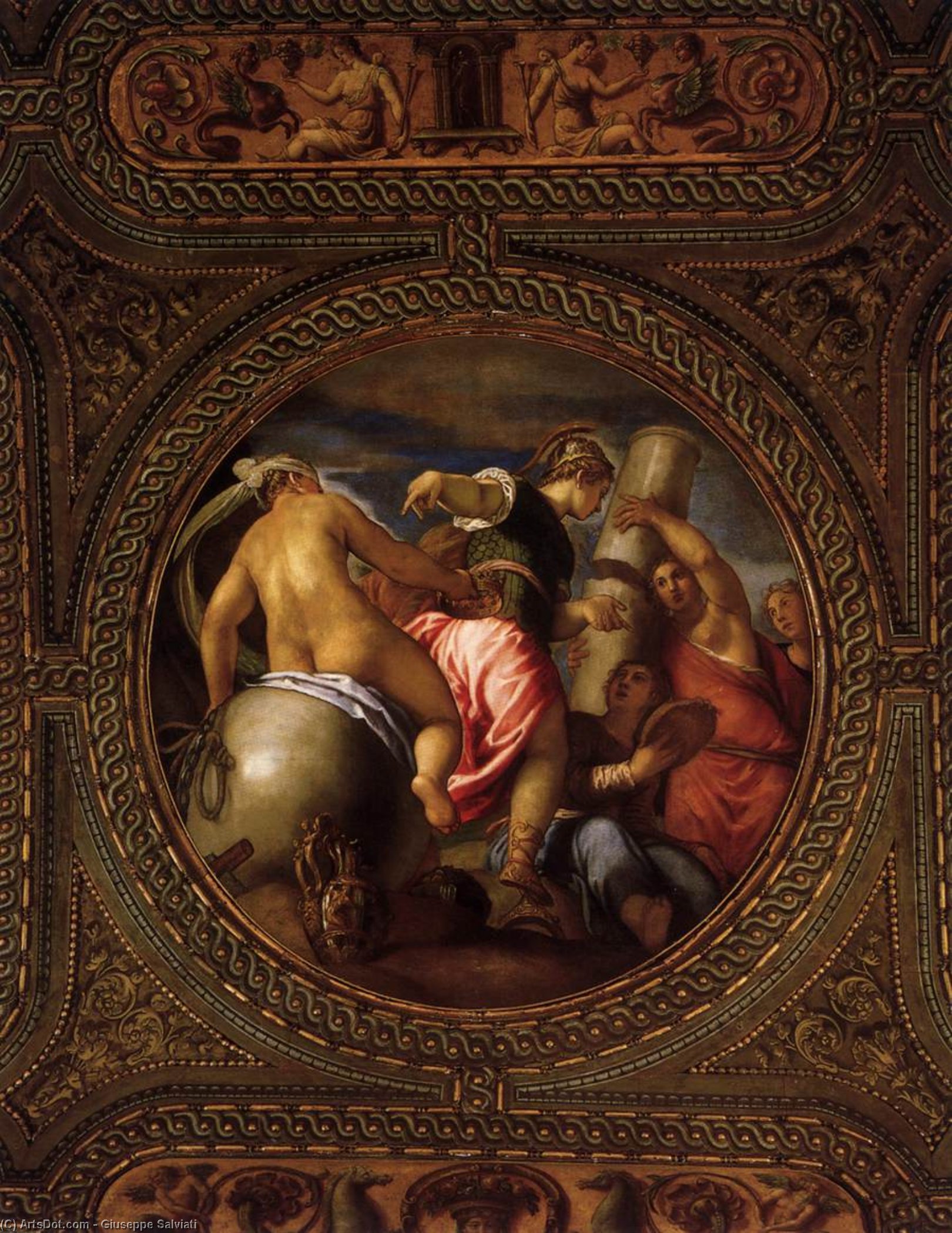
Pallas Athene between Fortune and Virtue


 Читать далее
Приобретите цифровое изображение высокого разрешения в улучшенном качестве, которое значительно превосходит онлайн-превью.
Каждый файл тщательно подготавливается нашими специалистами с использованием передовых инструментов и экспертной ручной ретуши. Мы гарантируем исключительную четкость, точную цветопередачу и детальную проработку каждого изображения.
Финальный файл доставляется по электронной почте в течение 72 часов и оптимизирован для немедленного использования в профессиональной среде, при верстке и печати. Это тот же уровень качества, которому доверяют ведущие дизайнерские студии, издательства и галереи.
Цифровое изображение
Скачайте файл высокого разрешения для личного использования, печати и творческих проектов. ( Перейти к печати Купить картину ручной работы)
Включено в каждый заказ цифровых изображений
Гарантия экспертной цифровой доставки
Выбирая ArtsDot.com, вы получаете не просто изображение — вы приобретаете профессионально обработанное цифровое произведение искусства, созданное с безупречной точностью и под защитой гарантии качества. Вот всё, что автоматически входит в ваш заказ:

Мгновенная доставка по e-mail
Ваш цифровой файл в высоком разрешении будет отправлен вам по электронной почте в течение 72 часов после оформления заказа — и сразу станет доступен для использования.

Цифровой файл с ИИ-улучшением
Ваше произведение искусства проходит профессиональную оптимизацию с использованием передовых инструментов ИИ и ручной обработки, что гарантирует максимальную детализацию, четкость и точность цветопередачи.

Бессрочная бесплатная повторная доставка
Случайно удалили или потеряли файл? Не беспокойтесь — мы отправим его вам повторно в любое время и совершенно бесплатно.

Без импортных пошлин — навсегда
Наслаждайтесь вашим произведением искусства мгновенно без таможенных пошлин, сборов или затрат на доставку — цифровые загрузки всегда не облагаются налогом.

Гарантия точности цветопередачи
Мы гарантируем, что ваше цифровое изображение максимально точно передает оригинальные цвета благодаря использованию профессиональных инструментов и систем управления цветом.

Гарантия удовлетворенности 100 дней
Если вы не будете удовлетворены своим цифровым изображением, мы внесем правки или вернем 100% стоимости в течение 100 дней — без лишних вопросов.

100% Гарантия возврата средств
Не удовлетворены покупкой? Получите полный возврат средств в течение 100 дней после получения цифрового файла — без лишних вопросов.

Скидки на оптовые заказы
Купите 3 изображения, сэкономьте 10% — Купите 5, сэкономьте 15% — Купите 10+, сэкономьте 20%. Отличное решение для творческих проектов, галерей и агентств.
A Celestial Vision in Mannerist Splendor
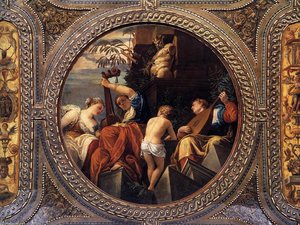
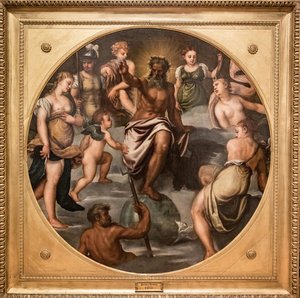
In the grand tradition of the Italian Renaissance, few mediums capture the ethereal majesty of the heavens quite like the ceiling fresco. Giuseppe Salviati’s Pallas Athene between Fortune and Virtue stands as a breathtaking testament to this era, offering a window into a world where myth and divinity converge. This extraordinary work, dating back to 1556, presents a complex, circular composition that draws the viewer upward, away from the terrestrial plane and into a realm of celestial drama. The scene is anchored by the powerful presence of Pallas Athene, surrounded by an intricate dance of figures that embody the very essence of Mannerist elegance. As one gazes upon this masterpiece, the eye is immediately swept into a whirlwind of movement, guided by the masterful use of sfumato and dramatic light that breathes life into every sculpted limb and flowing drapery.
The artistry of Salviati is most evident in his ability to weave together a narrative of profound solemnity and opulent beauty. The central motif—a poignant moment of compassion where a woman pours water over a fallen warrior—serves as a heart-wrenching focal point amidst the surrounding architectural grandeur. This act of mourning or sacrifice introduces a layer of deep pathos, contrasting beautifully with the surrounding figures who observe the scene with expressions ranging from quiet grief to intense contemplation. The technique, an oil-based fresco, allows for a remarkable richness in color; warm golds, deep reds, and earthy browns create a sense of warmth and luxury, while the strategic application of gold leaf catches the light, lending the entire composition a divine, shimmering quality that would have once dazzled onlookers in a grand palazzo.
Symbolism and the Language of the Renaissance
Beyond its visual splendor, the artwork is a dense tapestry of symbolic meaning, designed to inspire both intellect and emotion. The figures of Fortune and Virtue are not merely decorative; they represent the eternal struggle between transient worldly success and enduring moral excellence. The fallen warrior acts as a memento mori, a reminder of human mortality and the nobility found in sacrifice, while the act of pouring water symbolizes purification and the enduring nature of compassion. For the discerning collector or interior designer, these themes offer a profound depth that transcends mere decoration. Integrating a reproduction of such a piece into a space introduces a sense of historical weight and philosophical inquiry, making it an ideal centerpiece for rooms intended to evoke contemplation, prestige, and timelessness.
The architectural elements surrounding the central figures—the heavy stone textures, the intricate geometric borders, and the illusionistic depth created through perspective—serve to ground the mythological drama within a structured, classical reality. Salviati’s mastery of line and shape creates a rhythmic flow that guides the viewer through the complex narrative, ensuring that even the most detailed corner of the fresco contributes to the overall emotional impact. To possess a reproduction of this work is to invite the dramatic dynamism of the late Renaissance into one's home, providing an unparalleled opportunity to surround oneself with the sophisticated beauty and storied history of the Italian masters.
Похожие произведения
![Школа Афин (деталь) [05] — Рафаэль, Italian Renaissance](/media/artworks/images-thumb/ca/a9/caa9f9be8f76fbc617e906bfcb543fad.jpg)
Биография художника
Giuseppe Salviati: A Master of Mannerist Drama
Giuseppe Salviati (c. 1520 – c. 1575), originally known as Giuseppe Porta, stands as a pivotal figure in the late Italian Renaissance and early Mannerist period. Born in Castelnuovo di Garfagnana, he initially apprenticed under Francesco Salviati, a renowned painter of his time, ultimately adopting his mentor’s surname – a common practice among artists seeking recognition and prestige. Salviati's career unfolded primarily in Venice, a city that served as a vibrant hub for artistic innovation during this era, absorbing the stylistic influences of both Rome and its own rich Venetian tradition.
His early training instilled within him a deep understanding of classical composition and technique, yet Salviati quickly developed his own distinctive style – characterized by dramatic dynamism, opulent detail, and a masterful manipulation of perspective. Unlike many of his contemporaries who adhered strictly to the established rules of High Renaissance art, Salviati embraced exaggeration, distortion, and an intense emotionalism that defined the Mannerist movement. This wasn’t simply stylistic choice; it reflected a broader shift in artistic sensibilities, moving away from idealized beauty towards a more expressive and psychologically charged representation of reality.
Religious Themes and Dramatic Compositions
Salviati's oeuvre is overwhelmingly dominated by religious subjects, reflecting the patronage demands of Venetian churches and noble families. He frequently depicted scenes from the lives of Christ, Mary, and the saints, but approached these narratives with a distinctly Mannerist flair. His compositions are rarely static; instead, they pulsate with movement, energy, and often unsettling intensity. Figures are elongated, their poses exaggerated, and drapery flows in swirling, dramatic folds – elements that contribute to a sense of heightened emotionality.
Consider his ‘Presentation of Mary in the Temple,’ a powerful depiction of this pivotal biblical event. The figures are arranged in a complex, almost claustrophobic space, conveying both the sacredness and the inherent tension of the scene. Similarly, ‘Pallas Athene between Fortune and Virtue’ showcases Salviati's ability to fuse classical mythology with Mannerist dynamism, creating a visually arresting tableau that explores themes of wisdom, fate, and moral choice. These works demonstrate his skill in layering complex narratives within a single image, inviting viewers to contemplate the deeper meanings behind each scene.
Technique and Venetian Influence
Salviati’s technical approach was deeply rooted in the Venetian painting tradition, yet he pushed its boundaries further. He employed a technique known as “stiacciato,” building up layers of thin paint – often dozens – to create a sense of depth and volume. This meticulous layering resulted in surfaces that shimmered with an almost tactile quality, particularly evident in his ceiling frescoes. His use of color was equally distinctive—rich, saturated hues combined with subtle gradations and atmospheric effects, creating a luminous and dramatic visual experience.
However, Salviati wasn’t simply replicating Venetian techniques; he adapted them to serve his own expressive goals. He incorporated elements of Roman Mannerism – such as distorted perspective and elongated figures – while simultaneously embracing the vibrant color palette and dynamic compositions characteristic of Venice. This synthesis created a uniquely personal style that distinguished him from both his Roman predecessors and his Venetian contemporaries.
Legacy and Recognition
Despite his considerable talent, Salviati’s work was often overshadowed during his lifetime. Many of his most ambitious commissions – particularly his large-scale frescoes – were tragically lost to fire or neglect. However, in recent decades, scholars have increasingly recognized Salviati's importance as a key figure in the development of Mannerism and a significant contributor to Venetian art history. His influence can be seen in the work of subsequent generations of artists, including Girolamo da Santacroce.
Today, his masterpieces – such as ‘Pallas Athene between Fortune and Virtue’ and ‘Presentation of Mary in the Temple’ – are treasured examples of Italian Renaissance art, offering a compelling glimpse into the dramatic world of Giuseppe Salviati, a master painter who skillfully blended classical ideals with the expressive power of Mannerism.
giuseppe salviati
1520 - 1575 , Italy
Основные сведения
- Artistic Movement Or Style: Mannerist
- Artists Or Movements Influenced By This Artist: ['Girolamo da Santacroce']
- Artists Who Influenced This Artist: ['Francesco Salviati']
- Date Of Birth: ca. 1520
- Date Of Death: ca. 1575
- Full Name: Giuseppe Salviati
- Nationality: Italian
- Notable Artworks:
- Presentation of Mary
- Pallas Athene
- Place Of Birth: Castelnuovo di Garfagnana, Italy