

 Поделиться
 Поделиться
 Детали произведения

 Скачать
 Похожие работы
 Слайд-шоу
 Статистика
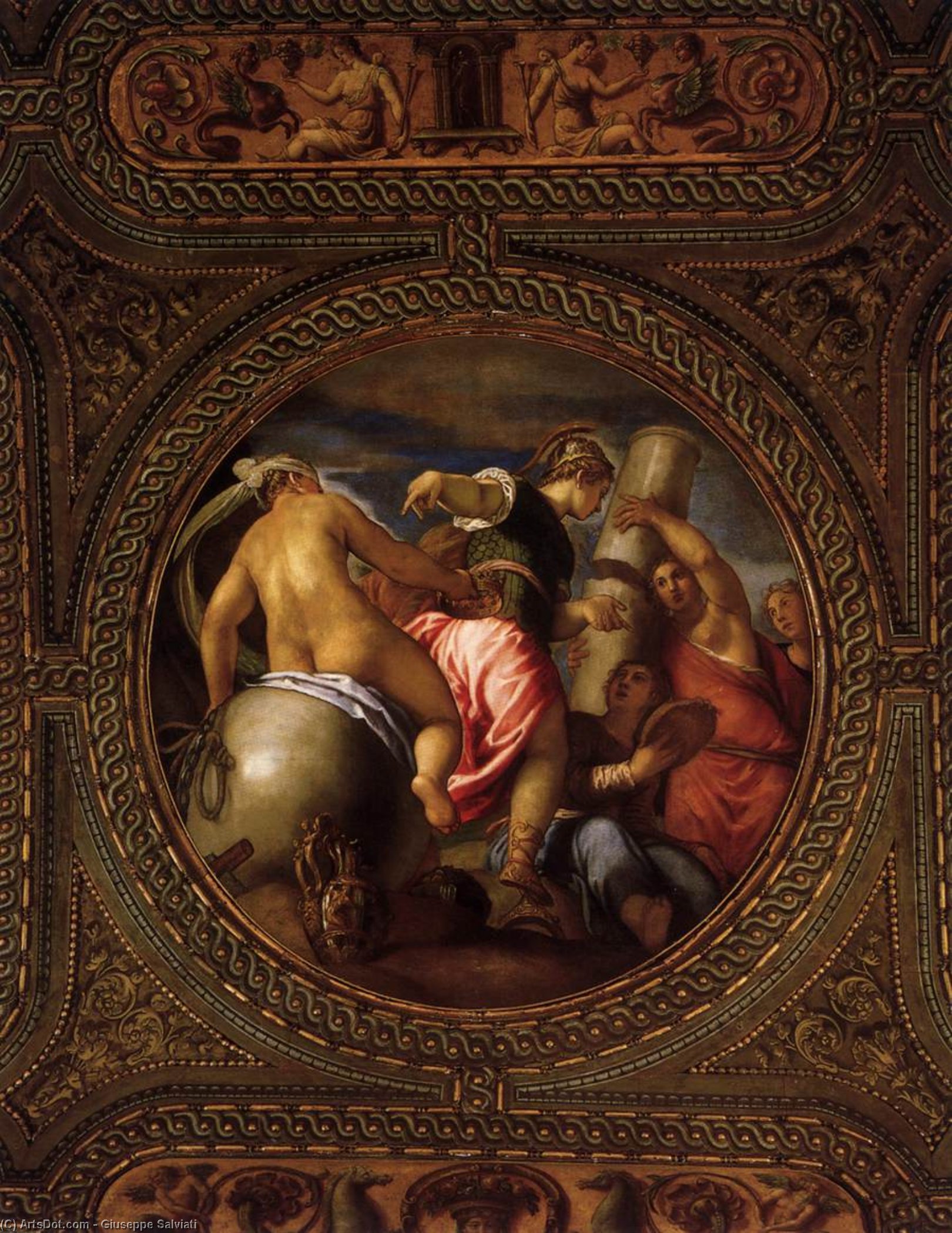
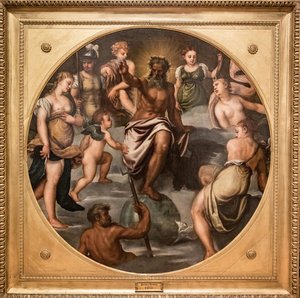
Pallas Athene between Fortune and Virtue


 Читать далее
Жикле / Арт-принт
Печать (жикле) или холст музейного качества с быстрыми сроками изготовления и широким выбором вариантов отделки. ( Купить картину ручной работы Перейти к цифровым изображениям)




































Выберите один из наших стандартных размеров, соответствующих оригинальным пропорциям произведения искусства.

Вы можете указать свои собственные размеры, чтобы репродукция идеально подошла под конкретную раму или пространство. Если выбранный вами размер не будет соответствовать пропорциям оригинала, мы либо обрежем произведение, либо дополним изображение зеркальным отражением краев или однотонной заливкой. Перед началом производства вам будет отправлен цифровой макет для утверждения.
Пожалуйста, обратите внимание, что предварительный просмотр на экране не отображает фактическую обрезку или расширение изображения. Только макет точно покажет финальную композицию.
Несмотря на возможность заказа индивидуальных размеров, мы рекомендуем выбирать размер из предопределенного списка, чтобы сохранить оригинальные пропорции.
Доставка по всему миру () за 2 недели вместо стандартных 4/5 недель. (13 Сентябрь)

Бесплатная экспресс-доставка по всему миру

Высококачественный льняной холст

Полное страхование доставки

Гарантия возмещения таможенных пошлин

Гарантия точного соответствия цветов

100-дневная политика возврата (только при обнаружении дефектов)

Гарантия возврата 100% средств

Предложение оптовых скидок
 Вариант со стеклом доступен только для размеров менее 110 см

Pallas Athene between Fortune and Virtue
Жикле / Арт-принт
Размер репродукции
-


Итоговая стоимость
$ 62
A Celestial Vision in Mannerist Splendor
In the grand tradition of the Italian Renaissance, few mediums capture the ethereal majesty of the heavens quite like the ceiling fresco. Giuseppe Salviati’s Pallas Athene between Fortune and Virtue stands as a breathtaking testament to this era, offering a window into a world where myth and divinity converge. This extraordinary work, dating back to 1556, presents a complex, circular composition that draws the viewer upward, away from the terrestrial plane and into a realm of celestial drama. The scene is anchored by the powerful presence of Pallas Athene, surrounded by an intricate dance of figures that embody the very essence of Mannerist elegance. As one gazes upon this masterpiece, the eye is immediately swept into a whirlwind of movement, guided by the masterful use of sfumato and dramatic light that breathes life into every sculpted limb and flowing drapery.
The artistry of Salviati is most evident in his ability to weave together a narrative of profound solemnity and opulent beauty. The central motif—a poignant moment of compassion where a woman pours water over a fallen warrior—serves as a heart-wrenching focal point amidst the surrounding architectural grandeur. This act of mourning or sacrifice introduces a layer of deep pathos, contrasting beautifully with the surrounding figures who observe the scene with expressions ranging from quiet grief to intense contemplation. The technique, an oil-based fresco, allows for a remarkable richness in color; warm golds, deep reds, and earthy browns create a sense of warmth and luxury, while the strategic application of gold leaf catches the light, lending the entire composition a divine, shimmering quality that would have once dazzled onlookers in a grand palazzo.
Symbolism and the Language of the Renaissance
Beyond its visual splendor, the artwork is a dense tapestry of symbolic meaning, designed to inspire both intellect and emotion. The figures of Fortune and Virtue are not merely decorative; they represent the eternal struggle between transient worldly success and enduring moral excellence. The fallen warrior acts as a memento mori, a reminder of human mortality and the nobility found in sacrifice, while the act of pouring water symbolizes purification and the enduring nature of compassion. For the discerning collector or interior designer, these themes offer a profound depth that transcends mere decoration. Integrating a reproduction of such a piece into a space introduces a sense of historical weight and philosophical inquiry, making it an ideal centerpiece for rooms intended to evoke contemplation, prestige, and timelessness.
The architectural elements surrounding the central figures—the heavy stone textures, the intricate geometric borders, and the illusionistic depth created through perspective—serve to ground the mythological drama within a structured, classical reality. Salviati’s mastery of line and shape creates a rhythmic flow that guides the viewer through the complex narrative, ensuring that even the most detailed corner of the fresco contributes to the overall emotional impact. To possess a reproduction of this work is to invite the dramatic dynamism of the late Renaissance into one's home, providing an unparalleled opportunity to surround oneself with the sophisticated beauty and storied history of the Italian masters.
Похожие произведения
![Школа Афин (деталь) [05] — Рафаэль, Italian Renaissance](/media/artworks/images-thumb/ca/a9/caa9f9be8f76fbc617e906bfcb543fad.jpg)
Биография художника
Giuseppe Salviati: A Master of Mannerist Drama
Giuseppe Salviati (c. 1520 – c. 1575), originally known as Giuseppe Porta, stands as a pivotal figure in the late Italian Renaissance and early Mannerist period. Born in Castelnuovo di Garfagnana, he initially apprenticed under Francesco Salviati, a renowned painter of his time, ultimately adopting his mentor’s surname – a common practice among artists seeking recognition and prestige. Salviati's career unfolded primarily in Venice, a city that served as a vibrant hub for artistic innovation during this era, absorbing the stylistic influences of both Rome and its own rich Venetian tradition.
His early training instilled within him a deep understanding of classical composition and technique, yet Salviati quickly developed his own distinctive style – characterized by dramatic dynamism, opulent detail, and a masterful manipulation of perspective. Unlike many of his contemporaries who adhered strictly to the established rules of High Renaissance art, Salviati embraced exaggeration, distortion, and an intense emotionalism that defined the Mannerist movement. This wasn’t simply stylistic choice; it reflected a broader shift in artistic sensibilities, moving away from idealized beauty towards a more expressive and psychologically charged representation of reality.
Religious Themes and Dramatic Compositions
Salviati's oeuvre is overwhelmingly dominated by religious subjects, reflecting the patronage demands of Venetian churches and noble families. He frequently depicted scenes from the lives of Christ, Mary, and the saints, but approached these narratives with a distinctly Mannerist flair. His compositions are rarely static; instead, they pulsate with movement, energy, and often unsettling intensity. Figures are elongated, their poses exaggerated, and drapery flows in swirling, dramatic folds – elements that contribute to a sense of heightened emotionality.
Consider his ‘Presentation of Mary in the Temple,’ a powerful depiction of this pivotal biblical event. The figures are arranged in a complex, almost claustrophobic space, conveying both the sacredness and the inherent tension of the scene. Similarly, ‘Pallas Athene between Fortune and Virtue’ showcases Salviati's ability to fuse classical mythology with Mannerist dynamism, creating a visually arresting tableau that explores themes of wisdom, fate, and moral choice. These works demonstrate his skill in layering complex narratives within a single image, inviting viewers to contemplate the deeper meanings behind each scene.
Technique and Venetian Influence
Salviati’s technical approach was deeply rooted in the Venetian painting tradition, yet he pushed its boundaries further. He employed a technique known as “stiacciato,” building up layers of thin paint – often dozens – to create a sense of depth and volume. This meticulous layering resulted in surfaces that shimmered with an almost tactile quality, particularly evident in his ceiling frescoes. His use of color was equally distinctive—rich, saturated hues combined with subtle gradations and atmospheric effects, creating a luminous and dramatic visual experience.
However, Salviati wasn’t simply replicating Venetian techniques; he adapted them to serve his own expressive goals. He incorporated elements of Roman Mannerism – such as distorted perspective and elongated figures – while simultaneously embracing the vibrant color palette and dynamic compositions characteristic of Venice. This synthesis created a uniquely personal style that distinguished him from both his Roman predecessors and his Venetian contemporaries.
Legacy and Recognition
Despite his considerable talent, Salviati’s work was often overshadowed during his lifetime. Many of his most ambitious commissions – particularly his large-scale frescoes – were tragically lost to fire or neglect. However, in recent decades, scholars have increasingly recognized Salviati's importance as a key figure in the development of Mannerism and a significant contributor to Venetian art history. His influence can be seen in the work of subsequent generations of artists, including Girolamo da Santacroce.
Today, his masterpieces – such as ‘Pallas Athene between Fortune and Virtue’ and ‘Presentation of Mary in the Temple’ – are treasured examples of Italian Renaissance art, offering a compelling glimpse into the dramatic world of Giuseppe Salviati, a master painter who skillfully blended classical ideals with the expressive power of Mannerism.
giuseppe salviati
1520 - 1575 , Italy
Основные сведения
- Artistic Movement Or Style: Mannerist
- Artists Or Movements Influenced By This Artist: ['Girolamo da Santacroce']
- Artists Who Influenced This Artist: ['Francesco Salviati']
- Date Of Birth: ca. 1520
- Date Of Death: ca. 1575
- Full Name: Giuseppe Salviati
- Nationality: Italian
- Notable Artworks:
- Presentation of Mary
- Pallas Athene
- Place Of Birth: Castelnuovo di Garfagnana, Italy
Похожие статьи

Искусство, живущее с вами: эмоциональная сила индивидуальной интерьерной фрески
Узнайте о фресках в интерьере: история, технологии, выбор и уход. Создайте уникальный дизайн с экспертами! Качество и индивидуальный подход гарантированы.

The Enduring Legacy of Fresco Painting: Techniques, History & Contemporary Relevance
Explore the rich history & enduring artistry of fresco painting – from Giotto to Michelangelo! Discover techniques, conservation efforts, & modern applications. Learn how ArtsDot brings this timeless art form to your home.

The Enduring Legacy of Fresco: Technique, History & Artistic Expression Across Cultures
Explore the rich history & enduring legacy of fresco painting! Discover ancient techniques, Giotto's masterpieces, and modern applications. Expert insights for art lovers & professionals.
The Enduring Legacy of Fresco: Technique, History & Artistic Expression
Explore the rich history & enduring artistry of fresco painting. Discover techniques from Giotto to Michelangelo, conservation efforts, & modern applications. Learn how ArtsDot brings this timeless art form to your home.

Фреска как Семейное Наследие: Сохранение Истории в Искусстве Стен
Узнайте о фресках как семейном наследии! История, техника создания, реставрация и сохранение. Экспертные советы и вдохновение для вашего дома. .