

 Предпросмотр
 Поделиться
 Поделиться
 Детали произведения

 Скачать
 Похожие работы
 Рентгенография
 Слайд-шоу
 Статистика
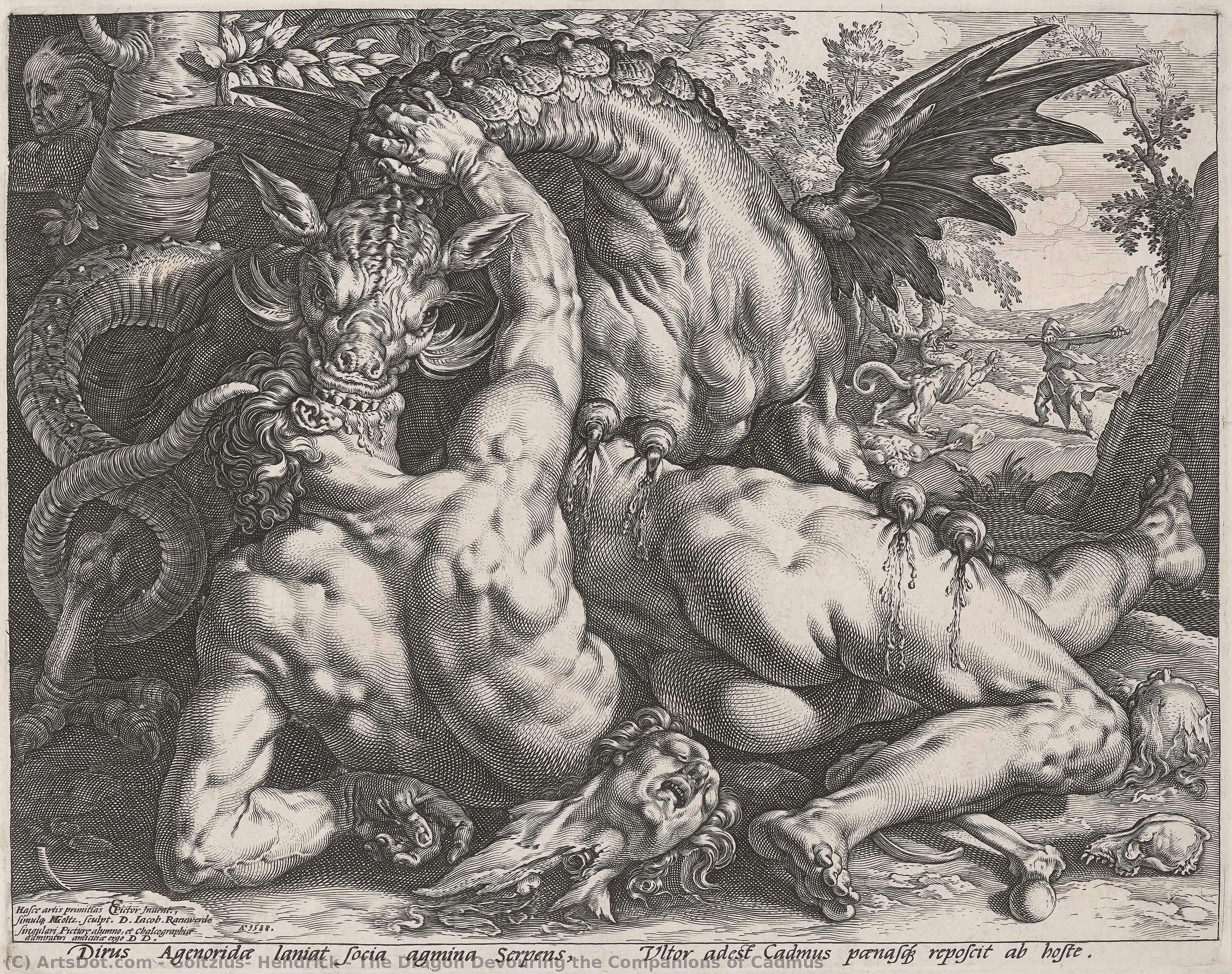
The Dragon Devouring the Companions of Cadmus
 Engraving
- WallArt
- Northern Mannerism
 1588
1588- Early Modern
 25.0 x 32.0 cm
 Национальная галерея Канады
 Читать далее
Жикле / Арт-принт
Печать (жикле) или холст музейного качества с быстрыми сроками изготовления и широким выбором вариантов отделки. ( Купить картину ручной работы Перейти к цифровым изображениям)




P118B $10

P118H $10

P118W $10

P438Z $10

P508JH $12

P508YH $12

P805H $10

P805Z $10

P919BZ $10

P919G $10

P919XJ $10

P959ZH $10

P968JZ $12

W106C $8

W218G $10

W218JH $8

W218Y $10

W307PJ $10

W316G $10

W316PJ $8

W316Y $10

W398PJ $8

W4111J $10

W500HY $15

W500JH $15

W692G $12

W849H $8

W940BG $15

W953PJ $8




Выберите один из наших стандартных размеров, соответствующих оригинальным пропорциям произведения искусства.

Вы можете указать свои собственные размеры, чтобы репродукция идеально подошла под конкретную раму или пространство. Если выбранный вами размер не будет соответствовать пропорциям оригинала, мы либо обрежем произведение, либо дополним изображение зеркальным отражением краев или однотонной заливкой. Перед началом производства вам будет отправлен цифровой макет для утверждения.
Пожалуйста, обратите внимание, что предварительный просмотр на экране не отображает фактическую обрезку или расширение изображения. Только макет точно покажет финальную композицию.
Несмотря на возможность заказа индивидуальных размеров, мы рекомендуем выбирать размер из предопределенного списка, чтобы сохранить оригинальные пропорции.
Доставка по всему миру () за 2 недели вместо стандартных 4/5 недель. (13 Сентябрь)

Бесплатная экспресс-доставка по всему миру

Высококачественный льняной холст

Полное страхование доставки

Гарантия возмещения таможенных пошлин

Гарантия точного соответствия цветов

100-дневная политика возврата (только при обнаружении дефектов)

Гарантия возврата 100% средств

Предложение оптовых скидок
 Вариант со стеклом доступен только для размеров менее 110 см

The Dragon Devouring the Companions of Cadmus
Жикле / Арт-принт
Размер репродукции
-


Итоговая стоимость
$ 62
A Masterpiece of Mannerist Terror and Technical Brilliance
In the annals of Northern Mannerism, few works command attention with such visceral intensity as Hendrick Goltzius’s 1588 engraving, The Dragon Devouring the Companions of Cadmus. This striking black and white print is far more than a mere illustration of myth; it is a breathtaking display of controlled chaos and anatomical precision. The scene captures a moment of profound mythological horror, drawing from the legendary tales found in Ovid’s Metamorphoses. As the viewer's eye traverses the composition, they are thrust into a world of struggle where human vulnerability meets divine retribution. The frantic energy of the figures, caught in the throes of a life-or-death battle against a monstrous predator, creates an immediate emotional connection that transcends the centuries.
The narrative weight of the piece lies in its depiction of Cadmus, the King of Tyre, and his harrowing quest. The artwork masterfully weaves together two pivotal moments: the initial confrontation with the dragon guarding a sacred spring and the subsequent, desperate struggle to avenge fallen comrades. There is a palpable sense of tragedy in the way the figures are entwined—one man pinned beneath another, both struggling against the encroaching shadow of the beast. This tension is further heightened by the presence of scattered birds, which drift through the atmosphere like silent witnesses to the carnage, adding an eerie, almost surreal layer to the composition that invites deep contemplation on the fragility of life.
The Revolutionary "Swelling Line" and Sculptural Form
For the discerning collector or lover of fine printmaking, the true genius of Goltzius is found in his revolutionary technical execution. During this era, Goltzius pioneered the “swelling line” technique, a method of engraving where the width of the engraved line varies to create nuanced tonal shading and a sense of three-dimensional volume. This innovation allowed him to achieve a level of depth and texture that was previously thought impossible in print. Through this mastery of light and shadow, the musculature of the combatants appears almost sculptural, as if carved from stone rather than etched into metal. He drew profound inspiration from the classical masters, specifically incorporating elements of Michelangelo’s anatomy—such as the Belvedere Torso—to imbue his figures with a heroic yet tormented physicality.
This technical prowess makes the work an exceptional choice for those seeking to add a sense of historical gravity and intellectual depth to a curated space. The interplay of light and dark, achieved through meticulous dotting and varying line weights, provides a sophisticated visual texture that holds the gaze. Whether displayed in a contemporary gallery setting or integrated into a classic study, the print serves as a testament to the era when engraving reached its zenith of expressive power. It is not merely an image to be seen, but a technical marvel to be studied, offering a window into the brilliant mind of one of the most influential engravers of the early Baroque period.
Похожие произведения
Биография художника
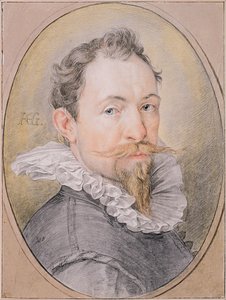
Hendrick Goltzius: Life and Legacy
Early Life and Training
- Born: 1558 in Bracht, near Viersen, North Rhine-Westphalia, Germany.
- Goltzius’s artistic journey began with training under his father, learning the craft of painting on glass.
- A pivotal moment came when he received instruction in engraving from Dirck Volckertszoon Coornhert in Cleves. This foundational training would shape his future mastery.
Artistic Development and Style
- Goltzius quickly rose to prominence as the leading Dutch engraver of the early Baroque period, also known as Northern Mannerism.
- His work is characterized by sophisticated technique, technical mastership, and a sense of “exuberance” in its compositions.
- Innovative Techniques: He pioneered the use of the "swelling line," manipulating lines to create tonal effects from a distance. He also developed the "dot and lozenge" technique for refined shading.
- Initially influenced by the style of Cornelis van Haarlem, Goltzius moved towards more dynamic and expressive forms.
Notable Works
- The Dragon Devouring the Companions of Cadmus: A print showcasing his mastery over engraving and dramatic storytelling.
- Lot and His Daughters: An example of his work held in the collection of the Rijksmuseum, demonstrating his skill in depicting complex narratives.
- Numerous portraits and mythological scenes further demonstrate his versatility and technical prowess.
Influences and Legacy
- Influenced By: Dirck Volckertszoon Coornhert played a crucial role in Goltzius’s early development as an engraver.
- Goltzius, in turn, significantly influenced subsequent generations of Dutch and European printmakers.
- As noted by A. Hyatt Mayor, he “was the last professional engraver who drew with the authority of a good painter and the last who invented many pictures for others to copy.”
- His innovative techniques and masterful engravings left an indelible mark on the art world.
Historical Significance
- Goltzius’s work reflects the artistic climate of the late 16th and early 17th centuries, bridging the gap between Mannerism and Baroque styles.
- His prints were widely circulated and admired, contributing to the dissemination of artistic ideas throughout Europe.
- Museum Collections: His works are featured in prominent museums such as Museum Boijmans Van Beuningen (Rotterdam), Rijksmuseum Amsterdam, Blanton Museum of Art (Austin), and The Metropolitan Museum of Art (New York City).
- He remains a celebrated figure in the history of printmaking, recognized for his technical skill, artistic vision, and lasting impact.
goltzius, hendrick
1558 - 1617 , Germany
Основные сведения
- Birth Date: 1558
- Birth Place: Bracht, Germany
- Death Date: 1617
- Influenced By: Dirck Volckertszoon Coornhert
- Movement:
- Northern Mannerism
- Early Baroque
- Name: Hendrick Goltzius
- Nationality: Dutch
- Notable Works:
- The Dragon Devouring the Companions of Cadmus
- Lot and his Daughters
Похожие статьи

Golden Age Reflections: Dutch Baroque Painting & Cultural Innovation
Explore the Dutch Golden Age of painting! Discover key artists like Vermeer & ter Borch, their innovative techniques, and the rich cultural context behind these Baroque masterpieces. Learn about collecting & appreciating this iconic art period.
10 шедевров гравюры, изменивших искусство навсегда | ArtsDot
Откройте для себя 10 легендарных шедевров гравюры от Дюрера, Гойи и Рембрандта! Узнайте историю создания этих культовых работ и их влияние на искусство. Репродукции высокого качества для вашего интерьера – ArtsDot.

Топ-10 шедевров голландского барокко: искусство для вашего интерьера от ArtsDot.com
Погрузитесь в мир голландского барокко! От Рембрандта до Вермеера – 10 шедевров, изменивших искусство. Узнайте истории создания и технику великих мастеров. Репродукции картин высочайшего качества для вашего интерьера на ArtsDot.com.
Hendrick Goltzius: Master Engraver & the Flourishing of Dutch Mannerism
Explore the life & art of Hendrick Goltzius, a master engraver of Dutch Mannerism. Discover his innovative techniques, iconic engravings like 'Jahel', and lasting influence on Baroque art. Learn about collecting Goltzius today.
Engraving: A Historical Survey of Technique, Artistic Expression & Enduring Legacy
Explore the rich history of engraving with ArtsDot. Discover techniques, iconic artists like Dürer & Callot, collecting tips, and expert guidance for preserving your art investment. Learn about intaglio printing & more!