

 Предпросмотр
 Поделиться
 Поделиться
 Детали произведения

 Скачать
 Похожие работы
 Рентгенография
 Слайд-шоу
 Статистика
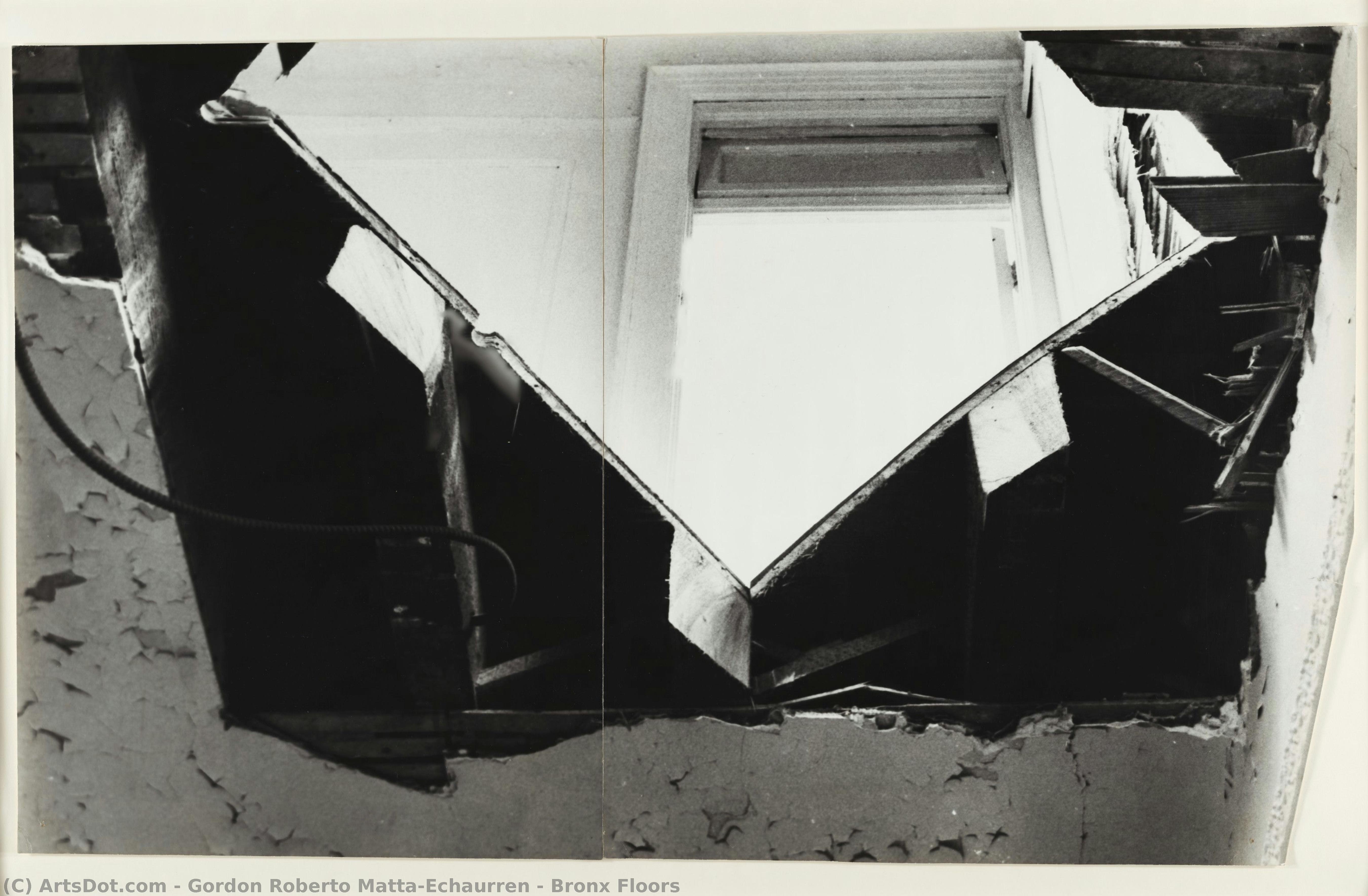
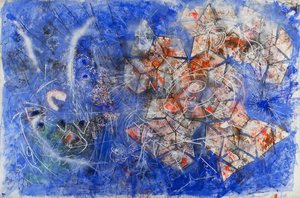
Bronx Floors
 1972
1972 56.0 x 90.0 cm
 Фондация Серральвеш
 Читать далее
Масляная репродукция ручной работы
Картина маслом на холсте в выбранном вами размере и раме, написанная на заказ нашими художниками. ( Перейти к печати Перейти к цифровым изображениям)




































Выберите один из наших стандартных размеров, соответствующих оригинальным пропорциям произведения искусства.

Вы можете указать собственные размеры, чтобы картина идеально вписалась в выбранную раму или пространство. Если выбранный вами размер не соответствует пропорциям оригинала, мы либо обрежем полотно, либо расширим его за счет дополнительных элементов, написанных вручную. Цифровой макет будет отправлен вам на утверждение перед началом производства.
Обратите внимание, что предварительный просмотр на экране не отражает фактическую обрезку или расширение. Только макет точно покажет окончательную композицию.
Хотя доступны индивидуальные размеры, мы рекомендуем выбирать вариант из предопределенного списка, чтобы сохранить исходные пропорции.
После оформления заказа команда ArtsDot.com свяжется с клиентом по электронной почте для уточнения деталей и предоставит предварительный макет
Доставка по всему миру () за 3–4 недели вместо стандартных 5 недель. (11 Сентябрь). Без компромиссов в качестве.

Бесплатная экспресс-доставка по всему миру

Высококачественный льняной холст

Полное страхование доставки

Гарантия возмещения таможенных пошлин

Гарантия точного соответствия цветов

100-дневная политика возврата (только при обнаружении дефектов)

Гарантия возврата 100% средств

Предложение оптовых скидок
 Вариант со стеклом доступен только для размеров менее 110 см

Bronx Floors
Техника репродукции
Размер репродукции
-


Итоговая стоимость
$ 263
Похожие произведения






Биография художника
Gordon Matta-Clark: Architect of Absence
Gordon Roberto Matta-Echaurren, who went by the name Gordon Matta-Clark, remains a profoundly enigmatic and influential figure in contemporary art. Born in New York City in 1943 into an artistic lineage—his father, Roberto Matta, was a renowned Chilean Surrealist painter, and his mother, Anne Clark, was a sculptor—Matta-Clark inherited a legacy of challenging established norms and exploring the boundaries between art and reality. His tragically short life, ending in 1978 at the age of 35, only amplified the mystique surrounding his work, which continues to resonate with artists and viewers alike.
Matta-Clark’s artistic journey began formally with studies in architecture at Cornell University, where he was exposed to the theories of Colin Rowe, a leading figure in modernist architectural thought. However, he quickly rejected the rigid constraints of conventional design, embracing instead an approach he termed “anarchitecture”—a deliberate dismantling of architectural conventions and a fascination with voids, gaps, and overlooked spaces. This rejection of traditional forms fueled his desire to disrupt the established order and expose the underlying structures of urban environments.
The Radical Interventions: Building Cuts and Social Engagement
Matta-Clark’s most recognizable work consists of what he termed “building cuts”—large-scale interventions in existing architecture that involved physically cutting through walls, floors, and facades. These weren't mere demolition; they were carefully considered acts of transformation, designed to reveal hidden spaces, expose the skeletal structure beneath, and challenge notions of ownership and permanence. His most famous example is *Day’s End* (1975), a dramatic intervention at Pier 52 in Manhattan where he created an opening through which sunlight streamed onto the Hudson River, transforming a neglected industrial space into a fleeting chapel-like experience.
However, Matta-Clark's practice extended far beyond these architectural interventions. He was deeply engaged with social issues and community dynamics, as evidenced by his co-founding of FOOD (1971), an artist-run restaurant in Soho that functioned as a communal gathering space and a radical experiment in redefining the relationship between art and sustenance. FOOD wasn’t simply a place to eat; it was a performance piece, a social critique, and a testament to Matta-Clark's belief in the transformative power of shared experience. He also explored themes of urban decay and marginalization through projects like *Fake Estates* (1974), where he purchased neglected parcels of land in Queens and Staten Island, documenting them through photographs and maps as a commentary on urban sprawl and forgotten spaces.
Influences and Artistic Context
Matta-Clark’s work emerged during a period of significant upheaval in the art world—the late 1960s and early 1970s, often referred to as “Earth Art” or “Process Art.” He shared common ground with artists like Robert Smithson (Spiral Jetty), Walter De Maria, and Christo & Jeanne-Claude, but his approach was distinctly more urban and socially engaged. His work can be seen as a response to the increasing commercialization of art and the growing disconnect between artists and the public. Influenced by Surrealism, particularly his father’s work, Matta-Clark sought to tap into the subconscious and explore the hidden dimensions of reality.
Furthermore, Matta-Clark's interest in architecture was deeply intertwined with a broader critique of modern urban planning and the alienation it often engendered. He viewed buildings not as static objects but as complex systems of power and control, and his interventions were designed to disrupt these systems and expose their underlying vulnerabilities.
Legacy and Historical Significance
Despite his tragically short career, Gordon Matta-Clark left an indelible mark on the art world. His radical approach to sculpture—his willingness to dismantle existing structures, engage with marginalized communities, and challenge conventional notions of space and ownership—continues to inspire artists today. His work serves as a potent reminder of the transformative potential of art and its ability to provoke critical reflection on the built environment and our relationship to it.
Matta-Clark’s legacy extends beyond his individual artworks; he helped establish a tradition of site-specific sculpture that continues to thrive. His emphasis on collaboration, social engagement, and the exploration of overlooked spaces has profoundly influenced generations of artists working across diverse media. His work remains a vital contribution to our understanding of contemporary art and its capacity to challenge, disrupt, and ultimately transform the world around us.
gordon roberto matta-echaurren
1943 - 1978 , United States of America
Основные сведения
- Artistic Movement Or Style: Site-specific art, Food art
- Artists Or Movements Influenced By This Artist:
- Anarchitecture
- Postminimalism
- Artists Who Influenced This Artist:
- Roberto Matta
- Marcel Duchamp
- Date Of Birth: June 22, 1943
- Date Of Death: August 27, 1978
- Full Name: Gordon Roberto Matta-Echaurren
- Nationality: American
- Notable Artworks:
- Building Cuts
- FOOD restaurant
- Conical Intersect
- Days End, Conical Inversion
- Place Of Birth: New York City, USA