

 Предпросмотр
 Поделиться
 Поделиться
 Детали произведения

 Скачать
 Похожие работы
 Рентгенография
 Слайд-шоу
 Статистика
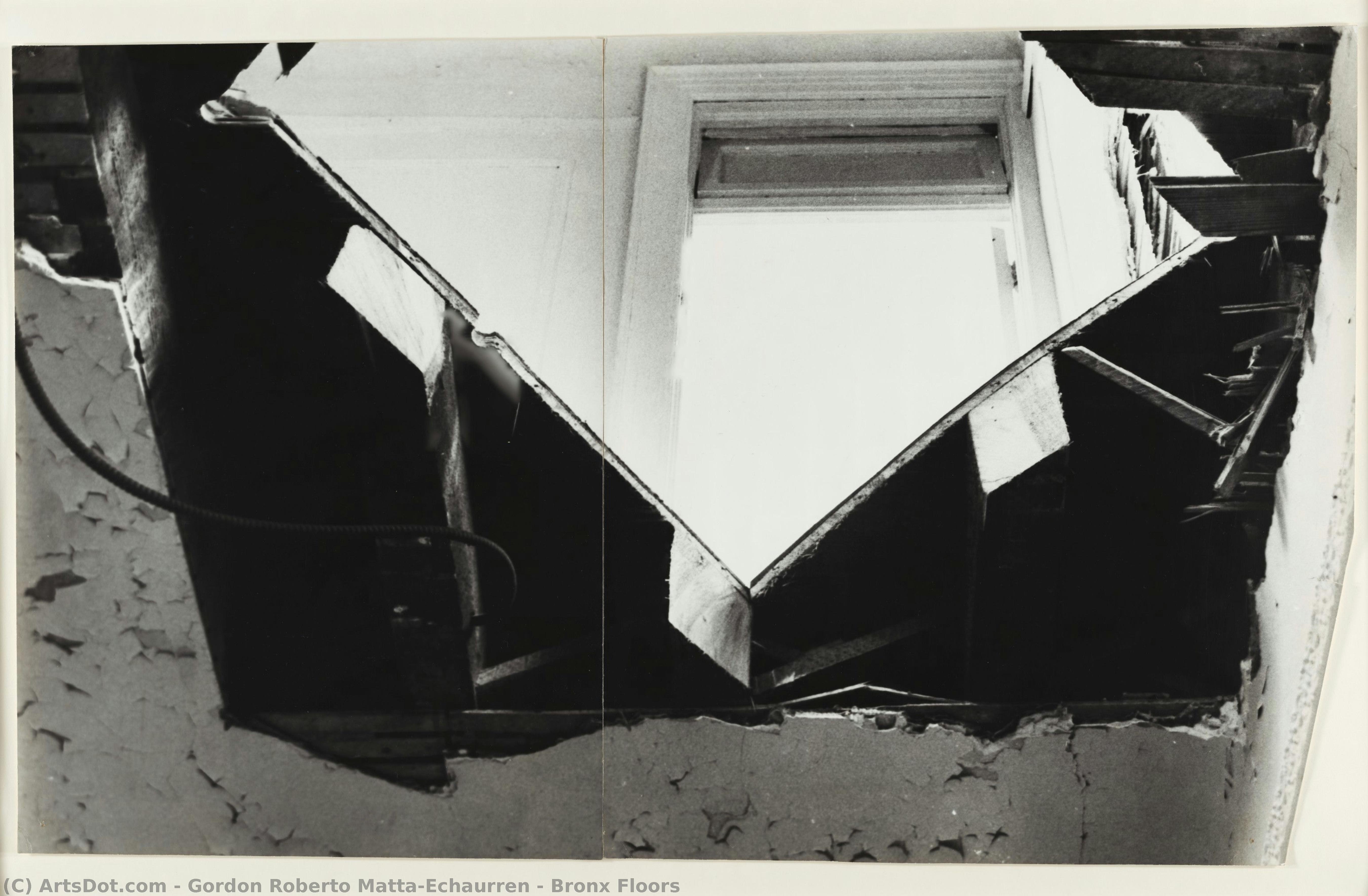
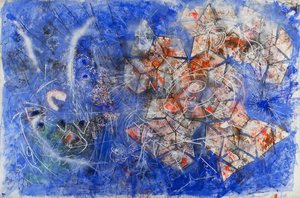
Bronx Floors
 1972
1972 56.0 x 90.0 cm
 Фондация Серральвеш
 Читать далее
Приобретите цифровое изображение высокого разрешения в улучшенном качестве, которое значительно превосходит онлайн-превью.
Каждый файл тщательно подготавливается нашими специалистами с использованием передовых инструментов и экспертной ручной ретуши. Мы гарантируем исключительную четкость, точную цветопередачу и детальную проработку каждого изображения.
Финальный файл доставляется по электронной почте в течение 72 часов и оптимизирован для немедленного использования в профессиональной среде, при верстке и печати. Это тот же уровень качества, которому доверяют ведущие дизайнерские студии, издательства и галереи.
Цифровое изображение
Скачайте файл высокого разрешения для личного использования, печати и творческих проектов. ( Перейти к печати Купить картину ручной работы)
Включено в каждый заказ цифровых изображений
Гарантия экспертной цифровой доставки
Выбирая ArtsDot.com, вы получаете не просто изображение — вы приобретаете профессионально обработанное цифровое произведение искусства, созданное с безупречной точностью и под защитой гарантии качества. Вот всё, что автоматически входит в ваш заказ:

Мгновенная доставка по e-mail
Ваш цифровой файл в высоком разрешении будет отправлен вам по электронной почте в течение 72 часов после оформления заказа — и сразу станет доступен для использования.

Цифровой файл с ИИ-улучшением
Ваше произведение искусства проходит профессиональную оптимизацию с использованием передовых инструментов ИИ и ручной обработки, что гарантирует максимальную детализацию, четкость и точность цветопередачи.

Бессрочная бесплатная повторная доставка
Случайно удалили или потеряли файл? Не беспокойтесь — мы отправим его вам повторно в любое время и совершенно бесплатно.

Без импортных пошлин — навсегда
Наслаждайтесь вашим произведением искусства мгновенно без таможенных пошлин, сборов или затрат на доставку — цифровые загрузки всегда не облагаются налогом.

Гарантия точности цветопередачи
Мы гарантируем, что ваше цифровое изображение максимально точно передает оригинальные цвета благодаря использованию профессиональных инструментов и систем управления цветом.

Гарантия удовлетворенности 100 дней
Если вы не будете удовлетворены своим цифровым изображением, мы внесем правки или вернем 100% стоимости в течение 100 дней — без лишних вопросов.

100% Гарантия возврата средств
Не удовлетворены покупкой? Получите полный возврат средств в течение 100 дней после получения цифрового файла — без лишних вопросов.

Скидки на оптовые заказы
Купите 3 изображения, сэкономьте 10% — Купите 5, сэкономьте 15% — Купите 10+, сэкономьте 20%. Отличное решение для творческих проектов, галерей и агентств.
Похожие произведения







Биография художника
Gordon Matta-Clark: Architect of Absence
Gordon Roberto Matta-Echaurren, who went by the name Gordon Matta-Clark, remains a profoundly enigmatic and influential figure in contemporary art. Born in New York City in 1943 into an artistic lineage—his father, Roberto Matta, was a renowned Chilean Surrealist painter, and his mother, Anne Clark, was a sculptor—Matta-Clark inherited a legacy of challenging established norms and exploring the boundaries between art and reality. His tragically short life, ending in 1978 at the age of 35, only amplified the mystique surrounding his work, which continues to resonate with artists and viewers alike.
Matta-Clark’s artistic journey began formally with studies in architecture at Cornell University, where he was exposed to the theories of Colin Rowe, a leading figure in modernist architectural thought. However, he quickly rejected the rigid constraints of conventional design, embracing instead an approach he termed “anarchitecture”—a deliberate dismantling of architectural conventions and a fascination with voids, gaps, and overlooked spaces. This rejection of traditional forms fueled his desire to disrupt the established order and expose the underlying structures of urban environments.
The Radical Interventions: Building Cuts and Social Engagement
Matta-Clark’s most recognizable work consists of what he termed “building cuts”—large-scale interventions in existing architecture that involved physically cutting through walls, floors, and facades. These weren't mere demolition; they were carefully considered acts of transformation, designed to reveal hidden spaces, expose the skeletal structure beneath, and challenge notions of ownership and permanence. His most famous example is *Day’s End* (1975), a dramatic intervention at Pier 52 in Manhattan where he created an opening through which sunlight streamed onto the Hudson River, transforming a neglected industrial space into a fleeting chapel-like experience.
However, Matta-Clark's practice extended far beyond these architectural interventions. He was deeply engaged with social issues and community dynamics, as evidenced by his co-founding of FOOD (1971), an artist-run restaurant in Soho that functioned as a communal gathering space and a radical experiment in redefining the relationship between art and sustenance. FOOD wasn’t simply a place to eat; it was a performance piece, a social critique, and a testament to Matta-Clark's belief in the transformative power of shared experience. He also explored themes of urban decay and marginalization through projects like *Fake Estates* (1974), where he purchased neglected parcels of land in Queens and Staten Island, documenting them through photographs and maps as a commentary on urban sprawl and forgotten spaces.
Influences and Artistic Context
Matta-Clark’s work emerged during a period of significant upheaval in the art world—the late 1960s and early 1970s, often referred to as “Earth Art” or “Process Art.” He shared common ground with artists like Robert Smithson (Spiral Jetty), Walter De Maria, and Christo & Jeanne-Claude, but his approach was distinctly more urban and socially engaged. His work can be seen as a response to the increasing commercialization of art and the growing disconnect between artists and the public. Influenced by Surrealism, particularly his father’s work, Matta-Clark sought to tap into the subconscious and explore the hidden dimensions of reality.
Furthermore, Matta-Clark's interest in architecture was deeply intertwined with a broader critique of modern urban planning and the alienation it often engendered. He viewed buildings not as static objects but as complex systems of power and control, and his interventions were designed to disrupt these systems and expose their underlying vulnerabilities.
Legacy and Historical Significance
Despite his tragically short career, Gordon Matta-Clark left an indelible mark on the art world. His radical approach to sculpture—his willingness to dismantle existing structures, engage with marginalized communities, and challenge conventional notions of space and ownership—continues to inspire artists today. His work serves as a potent reminder of the transformative potential of art and its ability to provoke critical reflection on the built environment and our relationship to it.
Matta-Clark’s legacy extends beyond his individual artworks; he helped establish a tradition of site-specific sculpture that continues to thrive. His emphasis on collaboration, social engagement, and the exploration of overlooked spaces has profoundly influenced generations of artists working across diverse media. His work remains a vital contribution to our understanding of contemporary art and its capacity to challenge, disrupt, and ultimately transform the world around us.
gordon roberto matta-echaurren
1943 - 1978 , United States of America
Основные сведения
- Artistic Movement Or Style: Site-specific art, Food art
- Artists Or Movements Influenced By This Artist:
- Anarchitecture
- Postminimalism
- Artists Who Influenced This Artist:
- Roberto Matta
- Marcel Duchamp
- Date Of Birth: June 22, 1943
- Date Of Death: August 27, 1978
- Full Name: Gordon Roberto Matta-Echaurren
- Nationality: American
- Notable Artworks:
- Building Cuts
- FOOD restaurant
- Conical Intersect
- Days End, Conical Inversion
- Place Of Birth: New York City, USA