

 Предпросмотр
 Поделиться
 Поделиться
 Детали произведения

 Скачать
 Похожие работы
 Рентгенография
 Слайд-шоу
 Статистика
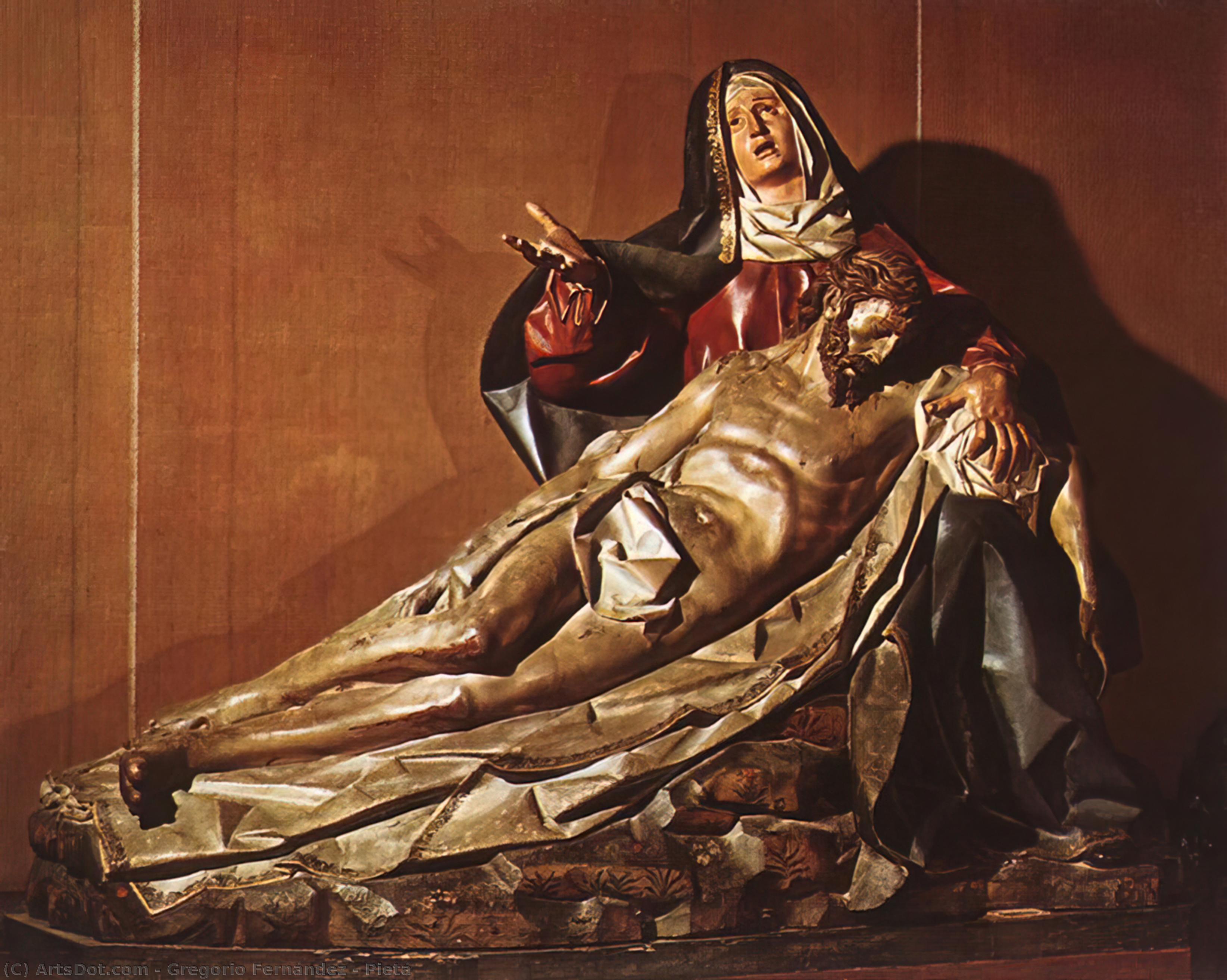
Pietá


 Читать далее
Приобретите цифровое изображение высокого разрешения в улучшенном качестве, которое значительно превосходит онлайн-превью.
Каждый файл тщательно подготавливается нашими специалистами с использованием передовых инструментов и экспертной ручной ретуши. Мы гарантируем исключительную четкость, точную цветопередачу и детальную проработку каждого изображения.
Финальный файл доставляется по электронной почте в течение 72 часов и оптимизирован для немедленного использования в профессиональной среде, при верстке и печати. Это тот же уровень качества, которому доверяют ведущие дизайнерские студии, издательства и галереи.
Цифровое изображение
Скачайте файл высокого разрешения для личного использования, печати и творческих проектов. ( Перейти к печати Купить картину ручной работы)
Включено в каждый заказ цифровых изображений
Гарантия экспертной цифровой доставки
Выбирая ArtsDot.com, вы получаете не просто изображение — вы приобретаете профессионально обработанное цифровое произведение искусства, созданное с безупречной точностью и под защитой гарантии качества. Вот всё, что автоматически входит в ваш заказ:

Мгновенная доставка по e-mail
Ваш цифровой файл в высоком разрешении будет отправлен вам по электронной почте в течение 72 часов после оформления заказа — и сразу станет доступен для использования.

Цифровой файл с ИИ-улучшением
Ваше произведение искусства проходит профессиональную оптимизацию с использованием передовых инструментов ИИ и ручной обработки, что гарантирует максимальную детализацию, четкость и точность цветопередачи.

Бессрочная бесплатная повторная доставка
Случайно удалили или потеряли файл? Не беспокойтесь — мы отправим его вам повторно в любое время и совершенно бесплатно.

Без импортных пошлин — навсегда
Наслаждайтесь вашим произведением искусства мгновенно без таможенных пошлин, сборов или затрат на доставку — цифровые загрузки всегда не облагаются налогом.

Гарантия точности цветопередачи
Мы гарантируем, что ваше цифровое изображение максимально точно передает оригинальные цвета благодаря использованию профессиональных инструментов и систем управления цветом.

Гарантия удовлетворенности 100 дней
Если вы не будете удовлетворены своим цифровым изображением, мы внесем правки или вернем 100% стоимости в течение 100 дней — без лишних вопросов.

100% Гарантия возврата средств
Не удовлетворены покупкой? Получите полный возврат средств в течение 100 дней после получения цифрового файла — без лишних вопросов.

Скидки на оптовые заказы
Купите 3 изображения, сэкономьте 10% — Купите 5, сэкономьте 15% — Купите 10+, сэкономьте 20%. Отличное решение для творческих проектов, галерей и агентств.
Похожие произведения
Биография художника
Gregorio Fernández: A Castilian Master of Baroque Emotion
Gregorio Fernández, a name often whispered in the halls of Spanish art history, stands as a pivotal figure in the development of Castilian sculpture during the 17th century. Born in Sarria, Galicia, around 1576 and passing away in Valladolid in 1636, he wasn’t merely a sculptor; he was a master of conveying profound human experience through stone – a skill honed by rigorous training and an unparalleled understanding of anatomy, emotion, and the dramatic power of religious narrative. His legacy isn't defined by grand monuments or revolutionary techniques, but rather by the intensely personal and deeply moving quality of his figures, which continue to resonate with viewers centuries later.
Fernández’s early life remains somewhat shrouded in mystery, though it’s believed he received his initial training within the workshop of Francisco del Rincón in Valladolid. This formative period exposed him to the prevailing artistic currents of the time – a synthesis of classical ideals and the burgeoning dynamism of the Baroque. Crucially, he was immersed in a tradition of *pintura al relieve*, or painted sculpture, a technique that would become his hallmark. Unlike many sculptors who relied solely on monochrome materials, Fernández collaborated closely with painters like Diego Valentín Díaz, layering polychrome pigments onto his wooden figures to achieve an astonishing level of realism and emotional depth. This blending of disciplines—sculpture and painting—allowed him to create works that were not simply representations of religious subjects but powerful embodiments of human feeling.
The Language of the Body
Fernández’s sculptures are immediately recognizable for their remarkable anatomical accuracy, a testament to his deep understanding of the human form. He didn't merely copy; he dissected and rebuilt, capturing not just the outward appearance of muscles and bones but also the subtle tension and vulnerability beneath the surface. His figures possess an almost palpable physicality – you can feel the weight of Christ’s body slumped on the column in ‘Christ at the Column,’ or the desperate plea etched onto St. Martin's face as he distributes his wealth. This commitment to realism is balanced by a deliberate restraint in gesture and expression; Fernández rarely resorts to overt drama, instead favoring subtle cues – a downward glance, a clenched fist, a slight tilt of the head – that convey a universe of emotion.
The drapery in his works is particularly noteworthy. Rather than flowing, billowing robes, Fernández’s garments are often described as “cardboard-like,” constructed from sharp, rigid folds that create a dramatic contrast with the flesh beneath. This stylistic choice serves to heighten the sense of drama and emphasize the figures' vulnerability against the backdrop of their suffering or spiritual trials. The interplay of light and shadow is meticulously rendered, contributing significantly to the sculptures’ emotional impact.
Themes and Major Works
Fernández’s oeuvre is dominated by religious subjects – scenes from the life of Christ, depictions of saints, and representations of biblical narratives. He was a prolific creator of *pasos procesionales*, elaborate floats used in Holy Week processions, which were central to Spanish religious life. These monumental sculptures, often depicting key moments in the Passion, demanded a high degree of technical skill and dramatic storytelling. ‘Christ at the Column’ (1614-1616), with its poignant depiction of Christ's suffering, is arguably his most famous work, showcasing his mastery of anatomical detail and emotional expression. ‘St Martin’ (1606) exemplifies his ability to imbue a seemingly simple scene – a beggar receiving alms – with profound spiritual significance.
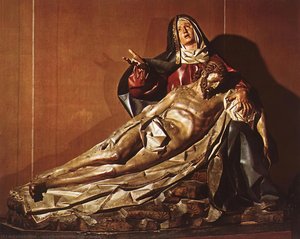
Other notable works include the Pietà (1616-1619), a deeply moving depiction of Mary cradling the dead Christ, and numerous altarpieces for churches throughout Valladolid and beyond. His “Descent from the Cross” (1623-1632) is another powerful example of his ability to convey both physical and emotional pain. The ‘Camino del Calvario’ (Spanish for “the way to Calvary”), a series of sculptures depicting scenes along Christ's path to crucifixion, further cemented his reputation as a master storyteller.
Legacy and Influence
Despite not producing a large number of disciples, Gregorio Fernández left an indelible mark on the development of Spanish Baroque sculpture. His meticulous attention to detail, combined with his profound understanding of human emotion, established a new standard for realism and expressive power. His influence can be seen in the work of subsequent sculptors, particularly those who continued to practice *pintura al relieve*. The Convent of Santa Catalina in Valladolid, where many of his works reside, serves as a testament to his enduring legacy – a place where visitors can still experience the emotional intensity and spiritual depth of these remarkable sculptures.
Furthermore, Fernández’s work continues to be studied by art historians and scholars who recognize him as one of the most important figures in Castilian Baroque art. His ability to capture the essence of human suffering and faith has ensured his place among the great masters of Spanish sculpture.
gregorio fernández
1576 - 1636
Основные сведения
- Artistic Movement Or Style: Baroque (Castilian)
- Artists Or Movements Influenced By This Artist:
- Juan de Juni
- Baroque art
- Artists Who Influenced This Artist:
- Alonso Berruguete
- Juan de Juni
- Pompeyo Leoni
- Juan de Arfe
- Date Of Birth: April 1576
- Date Of Death: Jan. 22, 1636
- Full Name: Gregorio Fernández
- Nationality: Spanish
- Notable Artworks:
- Christ at the Column
- St Martin
- Pietà
- Camino del Calvario
- Place Of Birth: Sarria, Galicia