

 Предпросмотр
 Поделиться
 Поделиться
 Детали произведения

 Скачать
 Похожие работы
 Рентгенография
 Слайд-шоу
 Статистика
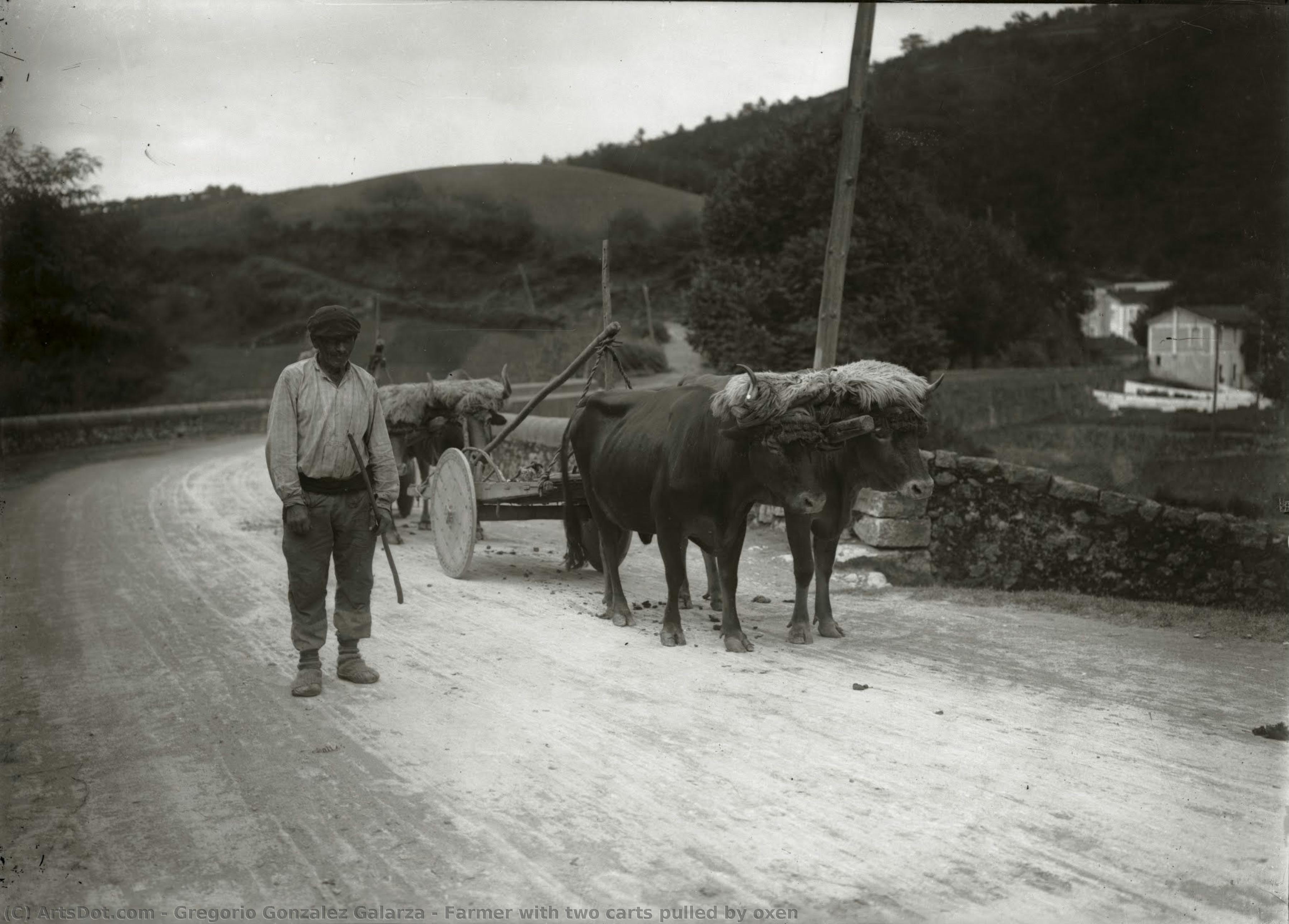
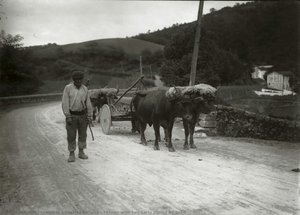
Farmer with two carts pulled by oxen
 Documentary Photography
 13.0 x 18.0 cm
 Gipuzkoa Heritage Collection Centre
 Читать далее
Масляная репродукция ручной работы
Картина маслом на холсте в выбранном вами размере и раме, написанная на заказ нашими художниками. ( Перейти к печати Перейти к цифровым изображениям)




































Выберите один из наших стандартных размеров, соответствующих оригинальным пропорциям произведения искусства.

Вы можете указать собственные размеры, чтобы картина идеально вписалась в выбранную раму или пространство. Если выбранный вами размер не соответствует пропорциям оригинала, мы либо обрежем полотно, либо расширим его за счет дополнительных элементов, написанных вручную. Цифровой макет будет отправлен вам на утверждение перед началом производства.
Обратите внимание, что предварительный просмотр на экране не отражает фактическую обрезку или расширение. Только макет точно покажет окончательную композицию.
Хотя доступны индивидуальные размеры, мы рекомендуем выбирать вариант из предопределенного списка, чтобы сохранить исходные пропорции.
После оформления заказа команда ArtsDot.com свяжется с клиентом по электронной почте для уточнения деталей и предоставит предварительный макет
Доставка по всему миру () за 3–4 недели вместо стандартных 5 недель. (12 Сентябрь). Без компромиссов в качестве.

Бесплатная экспресс-доставка по всему миру

Высококачественный льняной холст

Полное страхование доставки

Гарантия возмещения таможенных пошлин

Гарантия точного соответствия цветов

100-дневная политика возврата (только при обнаружении дефектов)

Гарантия возврата 100% средств

Предложение оптовых скидок
 Вариант со стеклом доступен только для размеров менее 110 см

Farmer with two carts pulled by oxen
Техника репродукции
Размер репродукции
-


Итоговая стоимость
$ 263
Похожие произведения
Биография художника
The Lens of Basque Heritage: The Life of Gregorio González Galarza
In the golden age of Spanish photography, few figures captured the soul of a region as intimately as Gregorio González Galarza. Born in 1869 in the rugged, storied landscape of Zegama, Spain, Galarza emerged not merely as a technician of light and shadow, but as a profound chronicler of Basque identity. His life’s work serves as a visual bridge between the fading echoes of rural tradition and the burgeoning pulse of early 20th-century modernity. To look through his lens is to witness a world in transition, where the ancient rhythms of agricultural life began to dance alongside the rapid urban evolution of San Sebastián.
Galarza’s artistic journey was deeply rooted in the folklore and customs of his youth. While the specific details of his formal education remain as elusive as the morning mist over the Basque mountains, his upbringing provided him with an unparalleled emotional vocabulary. He possessed a rare ability to move beyond the mere reproduction of visual facts, instead seeking to infuse his photographs with a humanist concern. His style was defined by a delicate balance of stark realism and narrative depth; he did not just photograph people, he documented their dignity, their struggles, and their celebrations, turning ordinary moments into enduring historical monuments.
A Vision of San Sebastián and Beyond
The heart of Galarza’s oeuvre beats within the streets and harbors of San Sebastián. He possessed a masterful command over the medium, utilizing the emerging technology of photography to capture the picturesque cityscape and the bustling maritime energy of the coast. Yet, his gaze was never confined to urban vistas alone. He found equal inspiration in the kinetic energy of the racetrack and the communal joy of local festivities. His documentation of horse racing events in Lasarte-oria reveals a fascination with the social rituals and sporting culture that defined the Basque spirit during his era.
Beyond the structured elegance of the city, Galarza’s work breathes through the vibrant, often chaotic, energy of Carnival celebrations. He captured the exuberant spirit of San Sebastián's carnivals with a sensitivity that allowed the viewer to feel the movement and the music. His ability to navigate between these disparate worlds—the quiet, hardworking farmer tending to oxen and the roaring crowds at a festive parade—demonstrates a versatile artistic vision that sought to unify the various strata of Basque society through a single, cohesive photographic language.
Legacy and Historical Significance
The historical importance of Gregorio González Galarza cannot be overstated. He left behind an invaluable archive that functions as a primary source for scholars, historians, and lovers of art alike. His photographs are more than mere images; they are the preserved memories of a culture. Through his meticulous observation, he ensured that the vanishing traditions of rural Spain were etched into the permanent record of human history.
Today, his contributions are celebrated within prestigious institutions, such as the San Telmo Museum, where his work continues to inspire new generations of photographers and historians. His legacy remains a testament to the power of the camera to act as a witness to time, preserving the essence of a people, a place, and an era that might otherwise have been lost to the shadows of the past.
gregorio gonzalez galarza
1869 - 1948 , Spain
Основные сведения
- Artistic Movement Or Style: Documentary photography
- Date Of Birth: 1869
- Full Name: Gregorio González Galarza
- Nationality: Spanish
- Notable Artworks: ['Farmer with two carts']
- Place Of Birth: Zegama, Spain
Похожие статьи

Witnessing History Through Lens & Light: Documentary Photography's Enduring Legacy
Explore the powerful history of documentary photography – from its origins to contemporary masters like Gordon Parks & W. Eugene Smith. Discover how this art form shapes our understanding of society and witness pivotal moments in time.

Monochrome Visions: Exploring the Aesthetic & Historical Significance of Black & White Photography
Explore the rich history & artistic power of black and white photography. From early techniques to iconic masters like Ansel Adams, discover why monochrome continues to captivate art lovers today. Expert insights for collectors.

Pictorialism: A Search for Artistic Photography's Soul – Aesthetics, Techniques & Legacy
Explore the captivating world of Pictorialism – a pivotal movement that transformed photography into fine art. Discover key artists like Stieglitz & Käsebier, techniques, and collecting tips from experts.

Beyond the Lens: Photography's Enduring Influence on Modern & Contemporary Art
Explore photography's pivotal role in shaping modern & contemporary art. Discover key movements, influential artists like Stieglitz, and expert collecting advice from ArtsDot.

Белые шедевры: 10 знаменитых картин, покоривших мир (репродукции, декор)
Откройте для себя 10 знаменитых картин, где белый цвет – главный герой! Моне, Дега и другие мастера. История искусства, техники живописи и вдохновение для вашего интерьера. Репродукции высокого качества на ArtsDot.com