

 Поделиться
 Поделиться
 Детали произведения

 Скачать
 Похожие работы
 Слайд-шоу
 Статистика
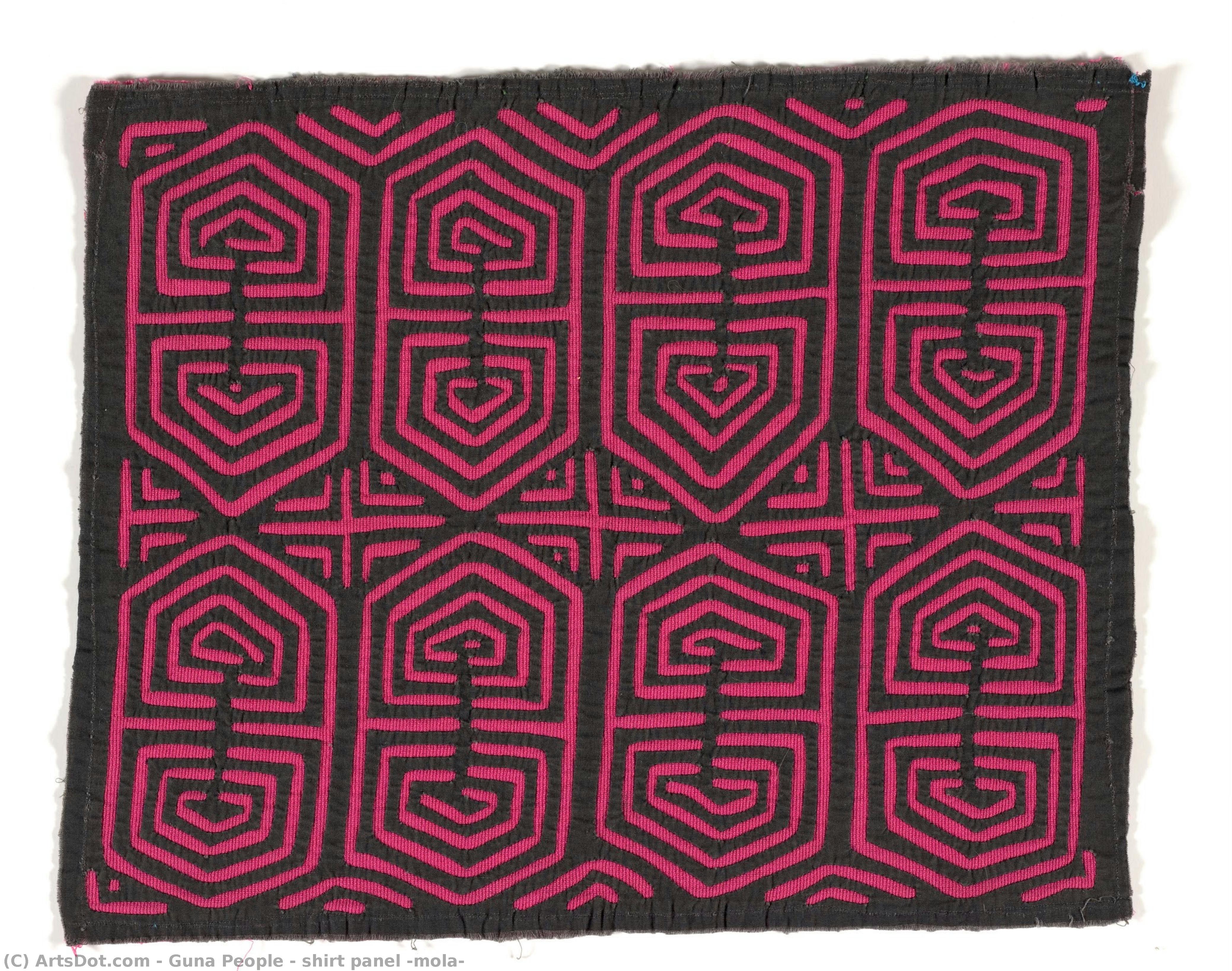
shirt panel (mola)


 Читать далее
Масляная репродукция ручной работы
Картина маслом на холсте в выбранном вами размере и раме, написанная на заказ нашими художниками. ( Перейти к печати Перейти к цифровым изображениям)




































Выберите один из наших стандартных размеров, соответствующих оригинальным пропорциям произведения искусства.

Вы можете указать собственные размеры, чтобы картина идеально вписалась в выбранную раму или пространство. Если выбранный вами размер не соответствует пропорциям оригинала, мы либо обрежем полотно, либо расширим его за счет дополнительных элементов, написанных вручную. Цифровой макет будет отправлен вам на утверждение перед началом производства.
Обратите внимание, что предварительный просмотр на экране не отражает фактическую обрезку или расширение. Только макет точно покажет окончательную композицию.
Хотя доступны индивидуальные размеры, мы рекомендуем выбирать вариант из предопределенного списка, чтобы сохранить исходные пропорции.
После оформления заказа команда ArtsDot.com свяжется с клиентом по электронной почте для уточнения деталей и предоставит предварительный макет
Доставка по всему миру () за 3–4 недели вместо стандартных 5 недель. (11 Сентябрь). Без компромиссов в качестве.

Бесплатная экспресс-доставка по всему миру

Высококачественный льняной холст

Полное страхование доставки

Гарантия возмещения таможенных пошлин

Гарантия точного соответствия цветов

100-дневная политика возврата (только при обнаружении дефектов)

Гарантия возврата 100% средств

Предложение оптовых скидок
 Вариант со стеклом доступен только для размеров менее 110 см

shirt panel (mola)
Техника репродукции
Размер репродукции
-


Итоговая стоимость
$ 263
The Soul of the San Blas: A Tapestry of Guna Heritage
In the vibrant heart of the Caribbean coast, where the turquoise waters of Panama meet the lush greenery of the San Blas Islands, lies a visual language far more profound than mere decoration. The shirt panel (mola) is not simply a textile; it is a rhythmic heartbeat captured in fabric. Created by the skilled hands of the Guna people, this piece serves as a window into a world where mythology and daily existence are inextricably woven together. To gaze upon this work is to witness the meticulous labor of generations, a tradition that transforms simple scraps of cloth into complex, layered narratives of identity and cosmic order.
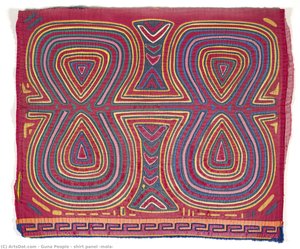
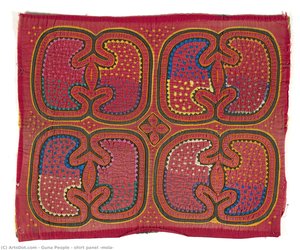
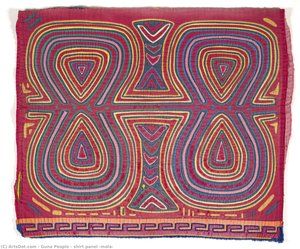
The artistry of the mola is defined by its breathtaking complexity and the mastery of the appliqué technique. Each layer of fabric is carefully cut and stacked, creating a multidimensional effect that gives the design a sculptural quality. In this particular panel, the interplay of pink and black provides a striking stage for a geometric dance of red hearts and diamonds. The precision required to execute such intricate patterns—where every edge must be perfectly concealed beneath the next layer—speaks to a level of patience and discipline that is nothing short of extraordinary. This technique allows for a vibrant, saturated color palette that remains luminous, making it an ideal focal point for any sophisticated interior.
Symbolism and the Geometry of Life
Beyond its aesthetic allure, the mola functions as a symbolic lexicon. The geometric motifs found within this piece—the recurring hearts and diamonds—are more than mere shapes; they represent the interconnectedness of the natural and spiritual realms. In Guna culture, patterns often mirror the organic symmetries found in flora, fauna, and the celestial bodies. The repetition of these forms creates a sense of infinite continuity, suggesting a universe that is both structured and ever-evolving. For the collector, this piece offers a profound connection to an indigenous cosmology, where every stitch serves as a testament to the resilience and spiritual depth of the Guna people.
The emotional resonance of such a work lies in its warmth and vitality. The bold contrast between the deep black background and the energetic pinks and reds evokes a sense of celebration and life force. It is an art form that refuses to be silent, demanding attention through its intricate textures and rhythmic compositions. For interior designers, integrating a high-quality reproduction of this mola into a space introduces a layer of cultural storytelling and tactile richness. It provides a sophisticated counterpoint to modern minimalism, injecting a sense of history, soul, and handcrafted intimacy into contemporary living environments.
Похожие произведения

Биография художника
The Living Tapestry: The Soul of Guna Artistry
In the heart of the San Blas Islands, where the turquoise Caribbean Sea meets the lush, emerald coastlines of Panama, there exists a visual language written not in ink, but in thread and color. This is the world of the Guna people, an indigenous community whose artistic heritage is most vibrantly expressed through the mola—intricate, layered textile panels that serve as much more than mere decoration. To encounter a mola is to witness a profound testament to an enduring spirit; it is a rhythmic dance of geometry and myth that captures the very essence of Panaman and Colombian indigenous life. These textiles are the pulse of a culture, acting as repositories of ancestral memory where every stitch carries the weight of a thousand stories.
The origins of this artistry are deeply intertwined with the history of the Guna people themselves. Descended from ancient lineages that may have connected to Mesoamerican civilizations, the Guna developed a nomadic lifestyle that fostered a deep, spiritual connection to the natural world. This ecological awareness is etched into every fabric panel. The technique used to create these masterpieces is known as reverse appliqué, an extraordinary feat of patience and precision. Unlike traditional embroidery that rests upon a surface, Guna women create these patterns by layering multiple sheets of carefully chosen colored cloth—often remnants of textiles introduced through centuries of trade—and then meticulously cutting away the top layers to reveal the vibrant hues hidden beneath. This process creates a structural depth and a sculptural quality, transforming simple fabric into a complex, multi-dimensional mosaic.
Symbolism, Narrative, and the Natural World
Beyond their striking visual appeal, molas function as a sophisticated system of communication, representing a visual language that transcends spoken words. Each piece is a narrative vessel, often depicting scenes from Guna mythology, cosmology, or significant historical events. The motifs found within these textiles are rarely arbitrary; they are deeply symbolic reflections of the environment and spiritual beliefs. One might observe:
- Geometric Patterns: Intricate shapes that represent fundamental concepts such as duality, balance, and the interconnectedness of all living things.
- Fauna and Flora: Stylized depictions of animals and plants, such as the scales of a serpent or the movement of waves, which symbolize ecological awareness and spiritual protection.
- Cosmic Narratives: Designs that recount the creation of the universe and the roles of ancestral deities within the Guna worldview.
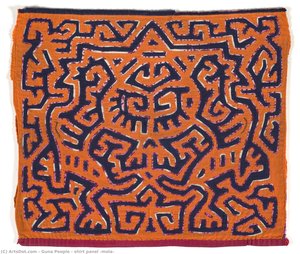
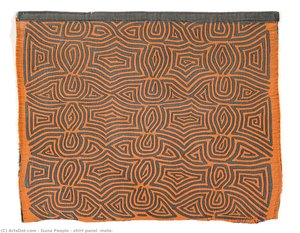
The artistry is characterized by an intense, rhythmic contrast. A single panel might feature a breathtaking interplay between deep, shadowy blacks and fiery oranges, evoking both the warmth of a tropical sunrise and the mysteries of the ancient jungle. This mastery of color and line reflects a disciplined hand, where the artist’s skill is measured by the sharpness of every cut and the seamless integration of contrasting tones.
Evolution and Contemporary Significance
The history of Guna art is also a history of resilience and adaptation. The arrival of European explorers and traders brought new materials, such as cotton, which fundamentally altered the textures available to artisans. However, rather than losing their identity to these external influences, the Guna people demonstrated a remarkable ability to integrate new elements while preserving the core values of their tradition. They adapted their techniques to utilize new fabrics without ever compromising the sacred geometric structures that define their cultural aesthetic.
Today, the legacy of Guna artistry continues to thrive within the autonomous comarcas of Panama and Colombia. While the molas have gained international recognition as significant works of textile art, they remain deeply rooted in the daily lives of the Guna women who create them. They are not merely artifacts for a gallery; they are living expressions of identity, worn with pride as part of traditional dress. As the world changes, the mola remains a steadfast anchor—a vibrant, kaleidoscopic window into a culture that continues to weave its past, present, and future into a single, magnificent tapestry.
guna people
Panama
Основные сведения
- Artistic Movement Or Style: Mola Art
- Full Name: Guna people
- Nationality: Indigenous
- Notable Artworks:
- Shirt Panel (mola)
- Shirt Panel (mola)
- Place Of Birth: Panama
Похожие статьи
The Enduring Appeal of Geometric Patterns in Art: A Historical & Contemporary Exploration
Explore the captivating history of geometric abstraction in art, from ancient roots to contemporary masters. Expert insights for collectors & enthusiasts. Discover key artists, movements & investment potential.

Топ-10 знаменитых картин в черных тонах: шедевры искусства для вашего интерьера
Погрузитесь в мир темных шедевров! Топ-10 знаменитых картин в черных тонах от Гойи, Рембрандта и Мунка. История искусства, техники живописи и вдохновение для вашего интерьера. Купите репродукции высокого качества на ArtsDot.com

Геометрическая абстракция: 10 шедевров, изменивших искусство | ArtsDot.com
Погрузитесь в мир геометрической абстракции! От Кандинского до Малевича – 10 шедевров, изменивших искусство. Узнайте историю создания и значение культовых картин. Репродукции музейного качества на ArtsDot.com. Вдохновение для вашего интерьера!
Топ-10 шедевров в оттенках черного: искусство, история и декор с ArtsDot
Погрузитесь в мир великих шедевров, где черный цвет – символ страсти и драмы. От Караваджо до Мунка, откройте историю искусства с ArtsDot. Купите репродукции картин онлайн и преобразите свой интерьер! Explore the full collection on ArtsDot.com
Топ-10 знаменитых картин в нежных розовых тонах: искусство и декор от ArtsDot
Погрузитесь в мир нежности и красоты! Топ-10 знаменитых картин Моне, Ренуара и других мастеров в розовых тонах. Узнайте историю создания шедевров импрессионизма и найдите идеальную репродукцию для вашего интерьера на ArtsDot.com