Terengganu Limar Songket Craft Entrepreneurs: Guardians of Malaysian Heritage
The art of limar songket weaving in Terengganu, Malaysia, represents more than just textile production; it embodies a profound connection to cultural identity and ancestral traditions. These craft entrepreneurs are dedicated to preserving this legacy—a heritage that has faced significant challenges in recent decades. Their meticulous work ensures the continuation of intricate patterns and techniques passed down through generations.
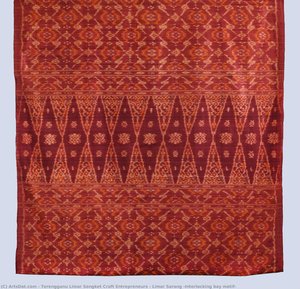
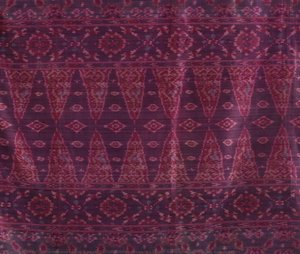
- Origins & Tradition: Limar songket derives its name from “limar,” meaning sarong, and “songket,” referring to gold thread weaving. Historically, it was exclusively worn by royalty and nobility during ceremonial occasions, signifying status and prestige. The interlocking bay motif—a stylized representation of the sea—is central to the design, reflecting Terengganu’s maritime history and connection to the Malay Archipelago.
- Technique & Craftsmanship: The weaving process is incredibly labor-intensive, requiring specialized skills honed over years of apprenticeship. Silk threads are painstakingly interlaced with gold thread using intricate binding techniques—a method that has largely disappeared outside Terengganu. Each weaver meticulously applies traditional patterns and motifs, often incorporating symbolic imagery related to Islamic beliefs and Malay folklore.
- Historical Context: The decline of limar songket weaving began in the mid-20th century as modernization swept across Malaysia. Factors such as economic hardship and a shift towards Western fashion contributed to the dwindling number of artisans practicing this craft. However, concerted efforts by UNESCO recognized its importance as intangible cultural heritage, sparking renewed interest and support.
- Notable Achievements: Despite facing adversity, Terengganu limar songket craft entrepreneurs have achieved remarkable success in reviving the art form. They actively collaborate with designers and institutions to promote limar songket internationally and educate younger generations about its significance. Furthermore, they champion sustainable practices—utilizing eco-friendly dyes and minimizing waste—demonstrating a commitment to preserving both tradition and environmental responsibility.
- Contemporary Significance: Today’s limar songket artisans are not merely replicating past styles; they innovate within the framework of tradition. They experiment with new colors, textures, and designs while upholding the core principles of craftsmanship and symbolic representation. Their work serves as a powerful reminder of Malaysia's rich cultural heritage—a testament to resilience and dedication in safeguarding traditions for future generations.
UNESCO Recognition: In 1998, UNESCO inscribed limar songket weaving on the Representative List of Intangible Cultural Heritage of Humanity, acknowledging its universal value and bolstering efforts to protect it. This designation underscores the importance of preserving this unique artistic tradition.