

 Предпросмотр
 Поделиться
 Поделиться
 Детали произведения

 Скачать
 Похожие работы
 Рентгенография
 Слайд-шоу
 Статистика
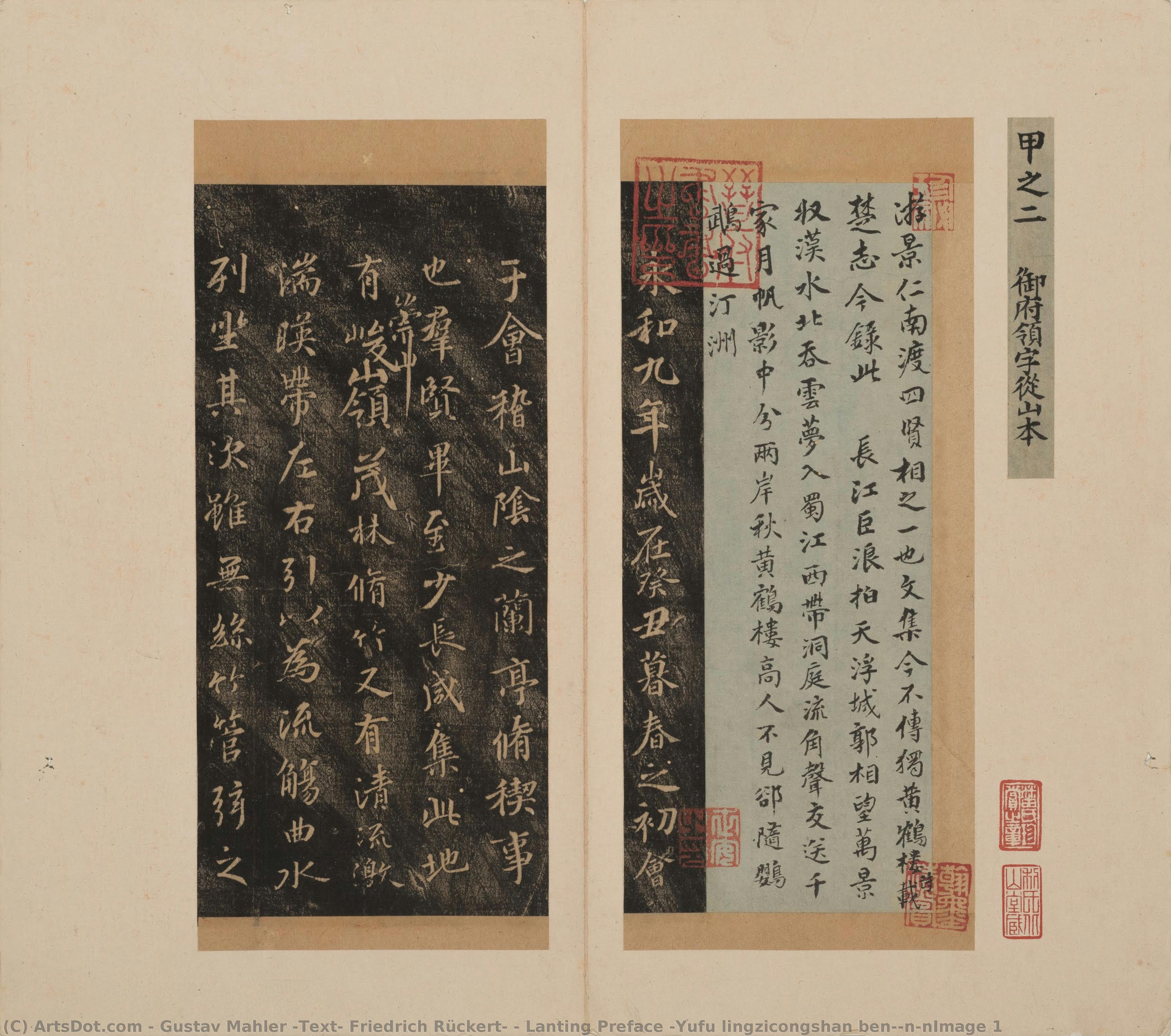
Lanting Preface (Yufu lingzicongshan ben)\n\nImage 1
 1100
1100 26.0 x 12.0 cm
 Читать далее
Приобретите цифровое изображение высокого разрешения в улучшенном качестве, которое значительно превосходит онлайн-превью.
Каждый файл тщательно подготавливается нашими специалистами с использованием передовых инструментов и экспертной ручной ретуши. Мы гарантируем исключительную четкость, точную цветопередачу и детальную проработку каждого изображения.
Финальный файл доставляется по электронной почте в течение 72 часов и оптимизирован для немедленного использования в профессиональной среде, при верстке и печати. Это тот же уровень качества, которому доверяют ведущие дизайнерские студии, издательства и галереи.
Цифровое изображение
Скачайте файл высокого разрешения для личного использования, печати и творческих проектов. ( Перейти к печати Купить картину ручной работы)
Включено в каждый заказ цифровых изображений
Гарантия экспертной цифровой доставки
Выбирая ArtsDot.com, вы получаете не просто изображение — вы приобретаете профессионально обработанное цифровое произведение искусства, созданное с безупречной точностью и под защитой гарантии качества. Вот всё, что автоматически входит в ваш заказ:

Мгновенная доставка по e-mail
Ваш цифровой файл в высоком разрешении будет отправлен вам по электронной почте в течение 72 часов после оформления заказа — и сразу станет доступен для использования.

Цифровой файл с ИИ-улучшением
Ваше произведение искусства проходит профессиональную оптимизацию с использованием передовых инструментов ИИ и ручной обработки, что гарантирует максимальную детализацию, четкость и точность цветопередачи.

Бессрочная бесплатная повторная доставка
Случайно удалили или потеряли файл? Не беспокойтесь — мы отправим его вам повторно в любое время и совершенно бесплатно.

Без импортных пошлин — навсегда
Наслаждайтесь вашим произведением искусства мгновенно без таможенных пошлин, сборов или затрат на доставку — цифровые загрузки всегда не облагаются налогом.

Гарантия точности цветопередачи
Мы гарантируем, что ваше цифровое изображение максимально точно передает оригинальные цвета благодаря использованию профессиональных инструментов и систем управления цветом.

Гарантия удовлетворенности 100 дней
Если вы не будете удовлетворены своим цифровым изображением, мы внесем правки или вернем 100% стоимости в течение 100 дней — без лишних вопросов.

100% Гарантия возврата средств
Не удовлетворены покупкой? Получите полный возврат средств в течение 100 дней после получения цифрового файла — без лишних вопросов.

Скидки на оптовые заказы
Купите 3 изображения, сэкономьте 10% — Купите 5, сэкономьте 15% — Купите 10+, сэкономьте 20%. Отличное решение для творческих проектов, галерей и агентств.
Похожие произведения









Биография художника
Gustav Mahler: A Titan of Late Romantic Expression
Gustav Mahler (1860-1911) stands as one of the most influential composers of the late Romantic era, a figure whose music continues to resonate with audiences worldwide. Born in Kalisz, Austria—now Poznań, Poland—into a family of modest means rooted in Bohemian Jewish tradition, Mahler’s early life instilled within him an enduring sense of displacement and exile, shaping his artistic vision profoundly. From the outset, he possessed exceptional musical talent, nurtured by his father's encouragement and honed through rigorous study at Vienna Conservatory where he forged friendships with luminaries like Arnold Schoenberg—a connection that would prove pivotal in shaping the trajectory of 20th-century music.- Early Influences & Musical Development: Mahler’s formative years were marked by exposure to diverse musical traditions, including folk melodies and operatic grandeur. His fascination with Wagnerian drama fueled his ambition to explore grand orchestral narratives, while simultaneously cultivating a sensitivity for the subtleties of vocal expression—a duality that would characterize his compositional style throughout his career.
- The Wunderhorn Cycle & Symphonic Breakthroughs: Mahler’s breakthrough came with his masterful adaptation of Achim von Arnim and Clemens Brentano's *Des Knaben Wunderhorn*, a collection of German folk poems imbued with mythic grandeur and psychological depth. This project solidified Mahler’s stylistic signature—a fusion of orchestral power and lyrical introspection—and established him as a leading voice in the burgeoning symphonic movement. His Second Symphony, premiered in 1895, exemplifies this approach, blending dramatic intensity with moments of exquisite beauty.
Musical Style & Philosophical Vision
Mahler’s musical style is instantly recognizable for its monumental scale and emotional complexity. Unlike many composers of his time who favored formal conventions, Mahler championed a bold aesthetic that prioritized expressive nuance over rigid adherence to tradition. His symphonies—particularly Nos. 5, 6 and 8—are characterized by their sprawling structures, incorporating choral passages alongside instrumental solos, creating immersive sonic landscapes that convey profound psychological states. He deliberately eschewed the prevailing pessimism of his era, instead articulating a belief in the enduring power of human spirit—a conviction reflected in the thematic core of his Eighth Symphony, which premiered to rapturous acclaim in 1910.- The Influence of Rückert Poetry: Mahler’s artistic inspiration stemmed largely from the poetry of Friedrich Rückert, whose melancholic verses explored themes of loss, longing and existential contemplation. The Rückert-Lieder cycle—a series of five songs based on Rückert's poems—represents a cornerstone of Mahler’s oeuvre, demonstrating his ability to transform poetic imagery into musical form with unparalleled sensitivity.
- Formal Innovation & Orchestral Mastery: Mahler pushed the boundaries of orchestral technique, experimenting with innovative instrumentation and harmonic progressions that anticipated developments in modernist music. His masterful orchestration—marked by a distinctive blend of tonal color and rhythmic dynamism—continues to inspire composers today.
Legacy & Recognition
Despite initial resistance from critics and audiences alike, Mahler’s music gained widespread acclaim posthumously, securing his place as one of the most frequently performed and recorded composers of the 20th century. His symphonies—particularly Nos. 5, 6 and 8—remain staples of orchestral repertoire, captivating listeners with their emotional depth and intellectual rigor. Furthermore, Mahler’s influence extends beyond the concert hall, inspiring artists across disciplines—literature, film and visual arts—who recognize in his music a profound articulation of human experience. The Gustav Mahler Society continues to champion his legacy, ensuring that his groundbreaking contributions to musical history are remembered for generations to come.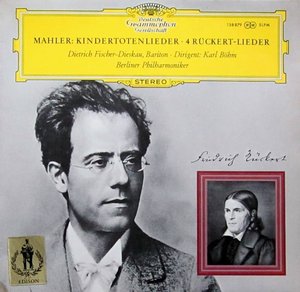
gustav mahler (text: friedrich rückert)
1860 - 1911 , Austria
Основные сведения
- Artistic Movement Or Style: Late Romantic
- Artists Who Influenced This Artist:
- Arnold Schoenberg
- Ludwig van Beethoven
- Date Of Birth: July 7, 1860
- Date Of Death: May 18, 1911
- Full Name: Gustav Mahler
- Nationality: Austrian
- Notable Artworks:
- Symphony No. 5
- Kindertotenlieder
- Des Knaben Wunderhorn
- Place Of Birth: Kalisz, Austria