

 Предпросмотр
 Поделиться
 Поделиться
 Детали произведения

 Скачать
 Похожие работы
 Рентгенография
 Слайд-шоу
 Статистика
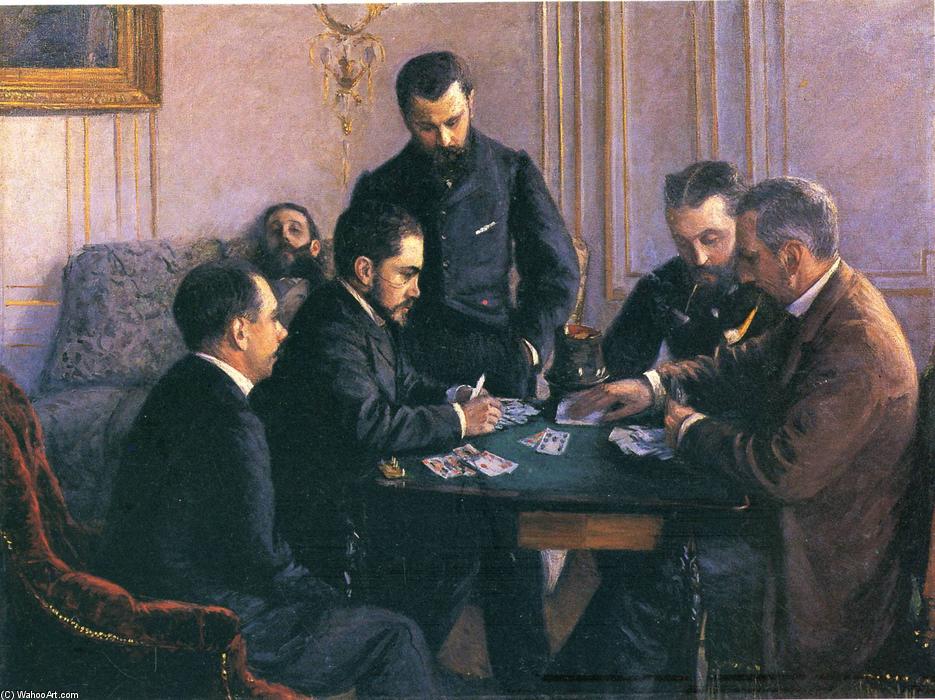
The Bezique Game
 Oil On Canvas
- WallArt
- Impressionism
 1880
1880- 19th Century
 121.0 x 161.0 cm
 Читать далее
Приобретите цифровое изображение высокого разрешения в улучшенном качестве, которое значительно превосходит онлайн-превью.
Каждый файл тщательно подготавливается нашими специалистами с использованием передовых инструментов и экспертной ручной ретуши. Мы гарантируем исключительную четкость, точную цветопередачу и детальную проработку каждого изображения.
Финальный файл доставляется по электронной почте в течение 72 часов и оптимизирован для немедленного использования в профессиональной среде, при верстке и печати. Это тот же уровень качества, которому доверяют ведущие дизайнерские студии, издательства и галереи.
Цифровое изображение
Скачайте файл высокого разрешения для личного использования, печати и творческих проектов. ( Перейти к печати Купить картину ручной работы)
Включено в каждый заказ цифровых изображений
Гарантия экспертной цифровой доставки
Выбирая ArtsDot.com, вы получаете не просто изображение — вы приобретаете профессионально обработанное цифровое произведение искусства, созданное с безупречной точностью и под защитой гарантии качества. Вот всё, что автоматически входит в ваш заказ:

Мгновенная доставка по e-mail
Ваш цифровой файл в высоком разрешении будет отправлен вам по электронной почте в течение 72 часов после оформления заказа — и сразу станет доступен для использования.

Цифровой файл с ИИ-улучшением
Ваше произведение искусства проходит профессиональную оптимизацию с использованием передовых инструментов ИИ и ручной обработки, что гарантирует максимальную детализацию, четкость и точность цветопередачи.

Бессрочная бесплатная повторная доставка
Случайно удалили или потеряли файл? Не беспокойтесь — мы отправим его вам повторно в любое время и совершенно бесплатно.

Без импортных пошлин — навсегда
Наслаждайтесь вашим произведением искусства мгновенно без таможенных пошлин, сборов или затрат на доставку — цифровые загрузки всегда не облагаются налогом.

Гарантия точности цветопередачи
Мы гарантируем, что ваше цифровое изображение максимально точно передает оригинальные цвета благодаря использованию профессиональных инструментов и систем управления цветом.

Гарантия удовлетворенности 100 дней
Если вы не будете удовлетворены своим цифровым изображением, мы внесем правки или вернем 100% стоимости в течение 100 дней — без лишних вопросов.

100% Гарантия возврата средств
Не удовлетворены покупкой? Получите полный возврат средств в течение 100 дней после получения цифрового файла — без лишних вопросов.

Скидки на оптовые заказы
Купите 3 изображения, сэкономьте 10% — Купите 5, сэкономьте 15% — Купите 10+, сэкономьте 20%. Отличное решение для творческих проектов, галерей и агентств.
Gustave Caillebotte’s ‘The Bezique Game’: A Window into Parisian Leisure
Gustave Caillebotte's “The Bezique Game,” painted in 1880, is more than just a depiction of a card game; it’s a meticulously rendered snapshot of late 19th-century Parisian life. This oil on canvas, measuring 121 x 161 cm, offers an intimate glimpse into the world of leisure and social interaction within a burgeoning modern city. Caillebotte, a product of both artistic training and a fascination with photography – a revolutionary medium at the time – skillfully captures the relaxed atmosphere surrounding a game of Bezique, a popular pastime that reflects the changing rhythms of urban existence.
- Subject Matter: The scene centers around four men engrossed in a game of Bezique, their expressions suggesting both concentration and camaraderie. The inclusion of a cup on the table subtly hints at refreshment and further contributes to the sense of relaxed conviviality.
- Style & Technique: Caillebotte’s style exemplifies Impressionism's core tenets – an emphasis on capturing fleeting moments and the effects of light. His brushstrokes are visible, adding texture and a sense of immediacy to the scene, while his meticulous attention to detail ensures that every element, from the worn fabric of the chair upholstery to the sheen on the cards, is rendered with remarkable precision.
A Study in Light and Atmosphere
Caillebotte’s masterful use of light is central to the painting's impact. The room is bathed in a warm, diffused glow, creating subtle shadows that define the figures’ forms and add depth to the space. This technique, reminiscent of the Impressionists’ fascination with capturing atmospheric effects, evokes a sense of intimacy and warmth. The flattened perspective, characteristic of the period, further enhances the painting's two-dimensional quality, drawing the viewer into this quiet moment of leisure.
- Color Palette: Predominantly muted browns, creams, and grays dominate the color scheme, creating a warm yet subdued atmosphere that reinforces the sense of comfort and familiarity.
- Composition: The composition is carefully balanced, with the group of men and the table serving as the focal point. This centered arrangement draws the eye directly to the heart of the scene, emphasizing the social interaction at its core.
Symbolism and Context
Beyond a simple depiction of a card game, “The Bezique Game” offers a window into the cultural landscape of late 19th-century France. Playing cards themselves often held symbolic significance, representing chance, fortune, or even deception – themes that resonate subtly within the scene’s quiet contemplation. Painted during a period of rapid social and technological change in Paris, Caillebotte's work reflects the evolving role of leisure activities in modern urban life. The painting’s placement within the context of Impressionism highlights the movement’s commitment to portraying contemporary subjects with honesty and realism.
Provenance and Legacy
Originally part of the collection at the Museum BOZAR (Belgium), “The Bezique Game” stands as a testament to Gustave Caillebotte's artistic vision. His ability to capture both the visual details and the emotional essence of everyday life cemented his place within the Impressionist movement, ensuring that this captivating scene continues to resonate with art lovers worldwide. A reproduction offers an accessible way to appreciate this significant work of art.
Похожие произведения
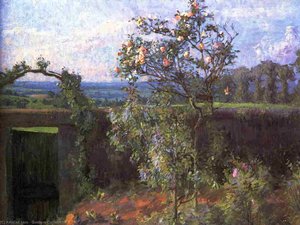
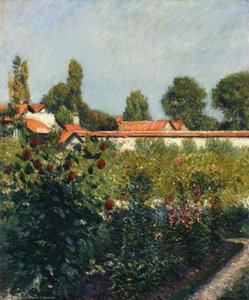
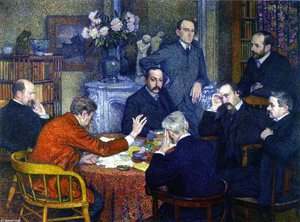
Биография художника
A Parisian of the New Age: The Life and Art of Gustave Caillebotte
Gustave Caillebotte, born in Paris in 1848, was an artist uniquely positioned to witness – and then capture – the dramatic transformations sweeping across his beloved city. His father, Martial Caillebotte, a successful textile merchant and respected judge, provided not only financial stability but also a privileged vantage point from which to observe the burgeoning modernity of Paris. This upbringing instilled in Gustave a keen awareness of social change and an appreciation for the evolving urban landscape – themes that would become central to his artistic vision. Initially pursuing a path in law, earning degrees at the Sorbonne, Caillebotte’s true passion lay within the realm of art. He began formal training under Léon Bonnat, a respected academic painter, immersing himself in traditional techniques while simultaneously developing an intense fascination with photography – a relatively new medium that was rapidly changing how images were captured and perceived. This early exposure to photographic principles—its precise framing, its ability to freeze fleeting moments, and the way it presented perspective—would profoundly influence his distinctive style, shaping his approach to composition and visual storytelling. Caillebotte wasn’t simply documenting change; he was actively engaging with the aesthetic possibilities inherent in this dynamic era.Realism Meets Impressionist Light
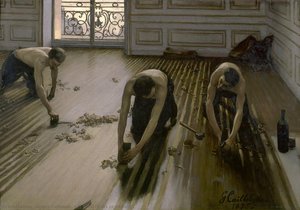
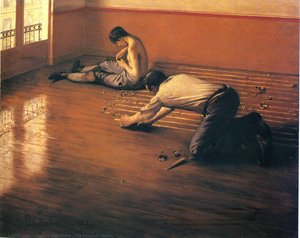
Caillebotte's artistic journey diverged significantly from the rigid conventions of academic painting, yet he never fully embraced the purely optical explorations championed by many of his Impressionist contemporaries. He found a kindred spirit in artists like Edgar Degas and Giuseppe de Nittis, both of whom shared a fascination with modern life but approached it through distinct lenses. Caillebotte’s early masterpiece, Les Raboteurs de Parquet (The Floor Scrapers), exhibited at the 1875 Salon, immediately established his reputation as a bold and unconventional painter. This work, depicting three laborers meticulously scraping a wooden floor in a dimly lit workshop, was a deliberate departure from the idealized subjects typically favored by the Salon. The composition—cropped tightly, almost jarringly direct, and devoid of sentimental embellishment—shocked some viewers while captivating others. It wasn’t merely the subject matter – the depiction of working-class laborers rarely graced the canvases of high art – but also the unflinching honesty with which Caillebotte rendered their toil. This commitment to portraying contemporary life without resorting to romanticization or idealization became a defining characteristic of his work. He continued this exploration in paintings like View of Rooftops (Snow), where he masterfully captured the muted tones and atmospheric effects of a Parisian winter, utilizing techniques borrowed from photography to create a sense of depth and spatial ambiguity.A Patron of Innovation: Supporting the Impressionists
Beyond his own artistic pursuits, Gustave Caillebotte played an unexpectedly significant role in fostering the development of the Impressionist movement. His family’s considerable wealth—inherited after his father's death—provided him with a level of financial independence that allowed him to support and champion other artists who were struggling to gain recognition within the established art world. He became a generous patron, purchasing works by Claude Monet, Pierre-Auguste Renoir, Camille Pissarro, and many others – often at a time when these artists’ work was being rejected by the conservative Salon jury. Caillebotte wasn't simply accumulating artwork; he actively promoted the Impressionist cause, organizing and financing several of their exhibitions, effectively providing them with a platform to showcase their innovative techniques and perspectives. His involvement extended beyond mere financial support; he genuinely admired the artists’ willingness to challenge conventional artistic norms and capture the fleeting moments of modern life. This dedication to fostering innovation within the art world is a testament to his progressive spirit and his belief in the power of artistic experimentation.Capturing Modern Paris: Composition and Perspective
Caillebotte's unique approach to composition and perspective further distinguished his work from that of many of his contemporaries. He was particularly influenced by Japanese prints, which he studied with great interest, appreciating their flattened perspectives, asymmetrical arrangements, and emphasis on everyday subjects. This influence is evident in paintings like Boulevard vu d’en haut (Boulevard Seen from Above), a remarkably modern composition that captures the bustling energy of a Parisian boulevard from an elevated vantage point. The cropped view, dynamic lines, and sense of movement create a powerful impression of urban life – anticipating techniques that would later be employed by photographers and modernist painters. Furthermore, Caillebotte’s early exposure to photography informed his use of light and shadow, allowing him to capture the subtle nuances of color and atmosphere with remarkable precision. His paintings are not simply representations of reality; they are carefully constructed visual narratives that invite viewers to contemplate the complexities of modern Parisian life.Legacy and Rediscovery
For decades following his death in 1894, Caillebotte’s work remained largely overlooked by the art world. His paintings were primarily held within his family's collection and rarely exhibited or reproduced. It wasn’t until the late 20th century that a renewed appreciation for his artistic vision began to emerge, fueled by scholarly research and major exhibitions. Today, Gustave Caillebotte is recognized as a pivotal figure in 19th-century art – an artist who seamlessly blended realism with Impressionist techniques, pioneered innovative compositional strategies, and captured the spirit of a rapidly changing Paris. His paintings offer a unique window into the urban landscape of his time, revealing both the beauty and the challenges of modern life. Caillebotte’s legacy continues to grow as scholars and art enthusiasts alike rediscover the depth and originality of his remarkable body of work.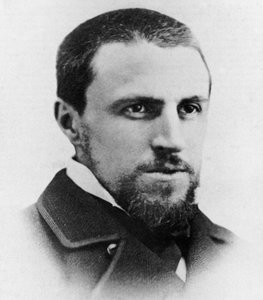
Густав Кайботт
1848 - 1894 , Франция
Основные сведения
- Artistic Movement Or Style: Реализм, Импрессионизм
- Artists Or Movements Influenced By This Artist: ['Импрессионизм']
- Artists Who Influenced This Artist:
- Дега
- Нитиссе
- Date Of Birth: 19 августа 1848 г.
- Date Of Death: 21 февраля 1894 г.
- Full Name: Gustave Caillebotte
- Nationality: Француз
- Notable Artworks:
- Лесрабы Caillebotte
- Вид на крыши (снег)
- Бульвар с высоты
- Place Of Birth: Париж, Франция