

 Предпросмотр
 Поделиться
 Поделиться
 Детали произведения

 Скачать
 Похожие работы
 Рентгенография
 Слайд-шоу
 Статистика
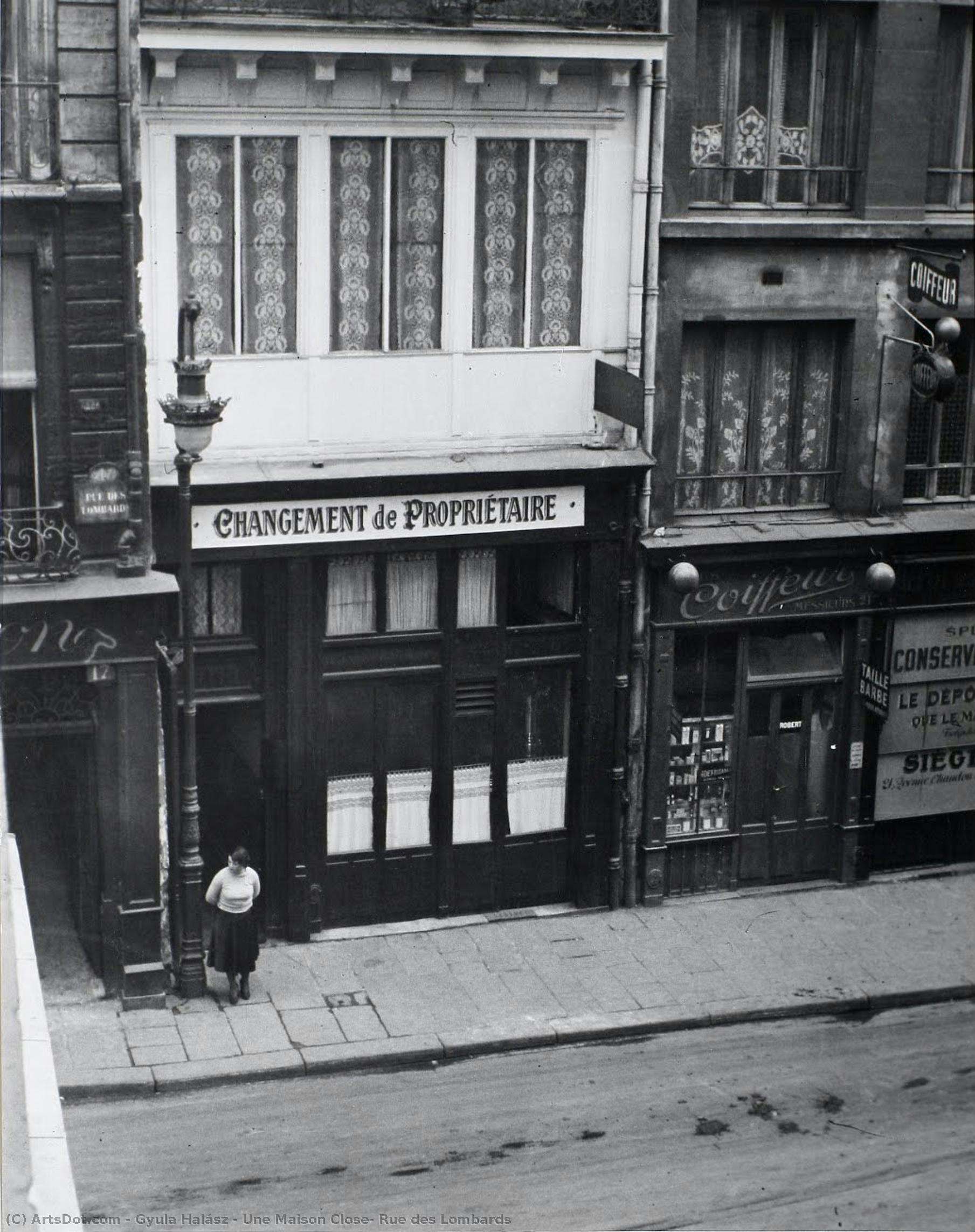
Une Maison Close, Rue des Lombards


 Читать далее
Приобретите цифровое изображение высокого разрешения в улучшенном качестве, которое значительно превосходит онлайн-превью.
Каждый файл тщательно подготавливается нашими специалистами с использованием передовых инструментов и экспертной ручной ретуши. Мы гарантируем исключительную четкость, точную цветопередачу и детальную проработку каждого изображения.
Финальный файл доставляется по электронной почте в течение 72 часов и оптимизирован для немедленного использования в профессиональной среде, при верстке и печати. Это тот же уровень качества, которому доверяют ведущие дизайнерские студии, издательства и галереи.
Цифровое изображение
Скачайте файл высокого разрешения для личного использования, печати и творческих проектов. ( Перейти к печати Купить картину ручной работы)
Включено в каждый заказ цифровых изображений
Гарантия экспертной цифровой доставки
Выбирая ArtsDot.com, вы получаете не просто изображение — вы приобретаете профессионально обработанное цифровое произведение искусства, созданное с безупречной точностью и под защитой гарантии качества. Вот всё, что автоматически входит в ваш заказ:

Мгновенная доставка по e-mail
Ваш цифровой файл в высоком разрешении будет отправлен вам по электронной почте в течение 72 часов после оформления заказа — и сразу станет доступен для использования.

Цифровой файл с ИИ-улучшением
Ваше произведение искусства проходит профессиональную оптимизацию с использованием передовых инструментов ИИ и ручной обработки, что гарантирует максимальную детализацию, четкость и точность цветопередачи.

Бессрочная бесплатная повторная доставка
Случайно удалили или потеряли файл? Не беспокойтесь — мы отправим его вам повторно в любое время и совершенно бесплатно.

Без импортных пошлин — навсегда
Наслаждайтесь вашим произведением искусства мгновенно без таможенных пошлин, сборов или затрат на доставку — цифровые загрузки всегда не облагаются налогом.

Гарантия точности цветопередачи
Мы гарантируем, что ваше цифровое изображение максимально точно передает оригинальные цвета благодаря использованию профессиональных инструментов и систем управления цветом.

Гарантия удовлетворенности 100 дней
Если вы не будете удовлетворены своим цифровым изображением, мы внесем правки или вернем 100% стоимости в течение 100 дней — без лишних вопросов.

100% Гарантия возврата средств
Не удовлетворены покупкой? Получите полный возврат средств в течение 100 дней после получения цифрового файла — без лишних вопросов.

Скидки на оптовые заказы
Купите 3 изображения, сэкономьте 10% — Купите 5, сэкономьте 15% — Купите 10+, сэкономьте 20%. Отличное решение для творческих проектов, галерей и агентств.
Похожие произведения

Биография художника
The Nocturnal Visionary of Paris
Gyula Halász, known to the world by the evocative pseudonym Brassaï, did not merely photograph Paris; he conjured it from the shadows. Born in 1899 in Brassó, Romania, his early life was a tapestry of Central European influences, shaped by the artistic currents of Budapest and Berlin. While his initial training leaned toward the tactile worlds of painting and sculpture, it was the silver halide of photography that ultimately allowed him to capture the ephemeral pulse of the city. When he arrived in Paris in 1924 as a journalist, he entered a landscape of profound creative tension, finding himself amidst a generation of artists redefining the boundaries of modernism.
The soul of Brassaï’s work lies in his ability to find poetry within the grit of urban existence. He became the preeminent chronicler of the Parisian night, a period when the city’s rigid structures dissolved into a dreamscape of light and silhouette. His lens sought out the hidden corners of Montparnases—the labyrinthine alleys, the dimly lit bistros, and the enigmatic figures that inhabited the margins of society. Through his eyes, the nocturnal streets were transformed into a stage for a modern myth, where every shadow held a secret and every streetlamp cast a dramatic, sculptural glow.
Shadow, Light, and the Influence of Masters
Brassaï’s aesthetic was deeply rooted in the profound encounters he had with the masters of his era. His friendship with Eugène Atget was particularly transformative; from Atget, he learned the art of the unembellished portrait, a way of documenting the city's physical essence without sentimentality. This influence is visible in Brassaï’s meticulous attention to texture and geometric form. Simultaneously, his connection to fellow Hungarian photographer André Kertész placed him at the heart of a vibrant, interconnected community of visionaries who were collectively reshaping the photographic language.
Technically, Brassaï was a master of contrast. Utilizing a Voigtländer camera, he navigated the darkness with a precision that defied the limitations of his equipment. His work is characterized by:
- Chiaroscuro effects: A dramatic interplay between deep, velvety blacks and piercing highlights that gave his street scenes a painterly quality.
- Geometric composition: The use of architectural lines, cobblestone patterns, and the stark silhouettes of urban objects to create structural depth.
- Documentary intimacy: A sensitive approach to capturing the lives of marginalized figures, treating the inhabitants of the night with a dignity that transcended mere reportage.
A Legacy Written in Silver and Shadow
The publication of Paris de nuit in 1932 stands as his monumental achievement, a work that captured the feverish spirit of the interwar years while simultaneously challenging social conventions. By documenting the bohemian underworld, Brassaï forced a confrontation between the polished surface of Parisian society and its raw, nocturnal reality. His photographs were not merely images but psychological landscapes that explored themes of loneliness, desire, and the fleeting nature of urban life.
Beyond his photographic prowess, Brassaï was a polymath—a sculptor, medalist, writer, and filmmaker whose creative reach extended far beyond the single frame. As the decades progressed, his work remained a vital testament to the enduring magic of the city. Today, he is remembered not just as a photographer, but as the poet of the Parisian night, an artist who taught us that even in the deepest shadows, there is a profound and luminous truth waiting to be discovered.

gyula halász
1899 - 1984 , Romania
Основные сведения
- Artistic Movement Or Style: Photography
- Artists Or Movements Influenced By This Artist: ['Surrealism']
- Artists Who Influenced This Artist:
- Eugène Atget
- André Kertész
- Date Of Birth: September 9, 1899
- Date Of Death: July 8, 1984
- Full Name: Gyula Halász
- Nationality: Hungarian–French
- Notable Artworks:
- Une Maison Close
- Bijoux de Montmartre
- Place Of Birth: Brassó, Romania