

 Предпросмотр
 Поделиться
 Поделиться
 Детали произведения

 Скачать
 Похожие работы
 Рентгенография
 Слайд-шоу
 Статистика
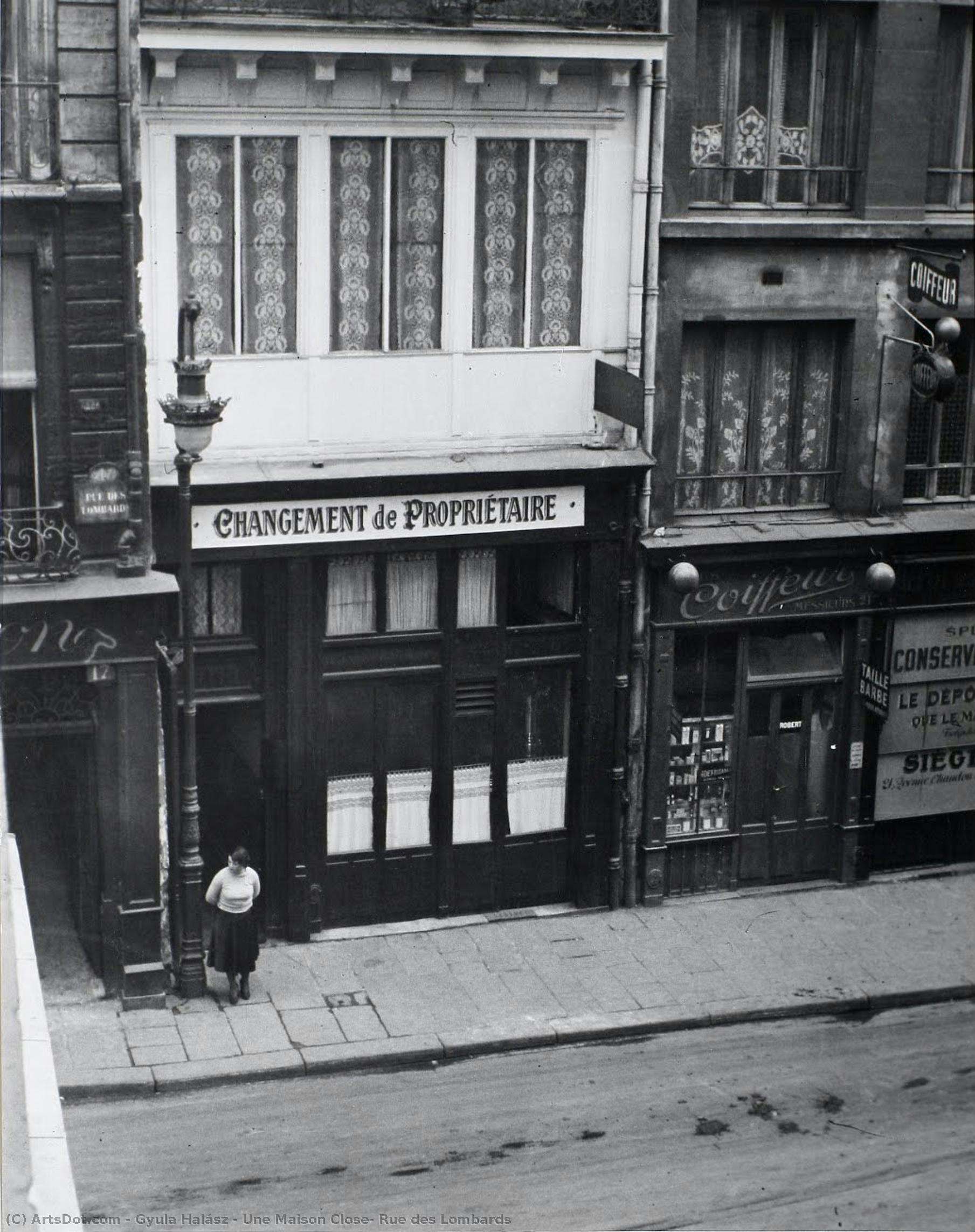
Une Maison Close, Rue des Lombards


 Читать далее
Жикле / Арт-принт
Печать (жикле) или холст музейного качества с быстрыми сроками изготовления и широким выбором вариантов отделки. ( Купить картину ручной работы Перейти к цифровым изображениям)




































Выберите один из наших стандартных размеров, соответствующих оригинальным пропорциям произведения искусства.

Вы можете указать свои собственные размеры, чтобы репродукция идеально подошла под конкретную раму или пространство. Если выбранный вами размер не будет соответствовать пропорциям оригинала, мы либо обрежем произведение, либо дополним изображение зеркальным отражением краев или однотонной заливкой. Перед началом производства вам будет отправлен цифровой макет для утверждения.
Пожалуйста, обратите внимание, что предварительный просмотр на экране не отображает фактическую обрезку или расширение изображения. Только макет точно покажет финальную композицию.
Несмотря на возможность заказа индивидуальных размеров, мы рекомендуем выбирать размер из предопределенного списка, чтобы сохранить оригинальные пропорции.
Доставка по всему миру () за 2 недели вместо стандартных 4/5 недель. (11 Сентябрь)

Бесплатная экспресс-доставка по всему миру

Высококачественный льняной холст

Полное страхование доставки

Гарантия возмещения таможенных пошлин

Гарантия точного соответствия цветов

100-дневная политика возврата (только при обнаружении дефектов)

Гарантия возврата 100% средств

Предложение оптовых скидок
 Вариант со стеклом доступен только для размеров менее 110 см

Une Maison Close, Rue des Lombards
Жикле / Арт-принт
Размер репродукции
-


Итоговая стоимость
$ 62
Похожие произведения

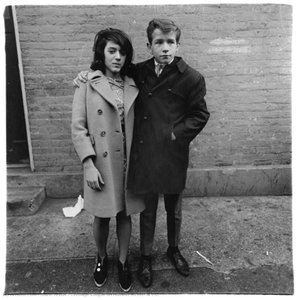
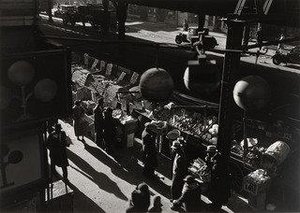
Биография художника
The Nocturnal Visionary of Paris
Gyula Halász, known to the world by the evocative pseudonym Brassaï, did not merely photograph Paris; he conjured it from the shadows. Born in 1899 in Brassó, Romania, his early life was a tapestry of Central European influences, shaped by the artistic currents of Budapest and Berlin. While his initial training leaned toward the tactile worlds of painting and sculpture, it was the silver halide of photography that ultimately allowed him to capture the ephemeral pulse of the city. When he arrived in Paris in 1924 as a journalist, he entered a landscape of profound creative tension, finding himself amidst a generation of artists redefining the boundaries of modernism.
The soul of Brassaï’s work lies in his ability to find poetry within the grit of urban existence. He became the preeminent chronicler of the Parisian night, a period when the city’s rigid structures dissolved into a dreamscape of light and silhouette. His lens sought out the hidden corners of Montparnases—the labyrinthine alleys, the dimly lit bistros, and the enigmatic figures that inhabited the margins of society. Through his eyes, the nocturnal streets were transformed into a stage for a modern myth, where every shadow held a secret and every streetlamp cast a dramatic, sculptural glow.
Shadow, Light, and the Influence of Masters
Brassaï’s aesthetic was deeply rooted in the profound encounters he had with the masters of his era. His friendship with Eugène Atget was particularly transformative; from Atget, he learned the art of the unembellished portrait, a way of documenting the city's physical essence without sentimentality. This influence is visible in Brassaï’s meticulous attention to texture and geometric form. Simultaneously, his connection to fellow Hungarian photographer André Kertész placed him at the heart of a vibrant, interconnected community of visionaries who were collectively reshaping the photographic language.
Technically, Brassaï was a master of contrast. Utilizing a Voigtländer camera, he navigated the darkness with a precision that defied the limitations of his equipment. His work is characterized by:
- Chiaroscuro effects: A dramatic interplay between deep, velvety blacks and piercing highlights that gave his street scenes a painterly quality.
- Geometric composition: The use of architectural lines, cobblestone patterns, and the stark silhouettes of urban objects to create structural depth.
- Documentary intimacy: A sensitive approach to capturing the lives of marginalized figures, treating the inhabitants of the night with a dignity that transcended mere reportage.
A Legacy Written in Silver and Shadow
The publication of Paris de nuit in 1932 stands as his monumental achievement, a work that captured the feverish spirit of the interwar years while simultaneously challenging social conventions. By documenting the bohemian underworld, Brassaï forced a confrontation between the polished surface of Parisian society and its raw, nocturnal reality. His photographs were not merely images but psychological landscapes that explored themes of loneliness, desire, and the fleeting nature of urban life.
Beyond his photographic prowess, Brassaï was a polymath—a sculptor, medalist, writer, and filmmaker whose creative reach extended far beyond the single frame. As the decades progressed, his work remained a vital testament to the enduring magic of the city. Today, he is remembered not just as a photographer, but as the poet of the Parisian night, an artist who taught us that even in the deepest shadows, there is a profound and luminous truth waiting to be discovered.

gyula halász
1899 - 1984 , Romania
Основные сведения
- Artistic Movement Or Style: Photography
- Artists Or Movements Influenced By This Artist: ['Surrealism']
- Artists Who Influenced This Artist:
- Eugène Atget
- André Kertész
- Date Of Birth: September 9, 1899
- Date Of Death: July 8, 1984
- Full Name: Gyula Halász
- Nationality: Hungarian–French
- Notable Artworks:
- Une Maison Close
- Bijoux de Montmartre
- Place Of Birth: Brassó, Romania
Похожие статьи

Monochrome Visions: Exploring the Aesthetic & Historical Significance of Black & White Photography
Explore the rich history & artistic power of black and white photography. From early techniques to iconic masters like Ansel Adams, discover why monochrome continues to captivate art lovers today. Expert insights for collectors.
Топ-10 шедевров документальной фотографии: искусство, изменившее взгляд на мир | ArtsDot.com
Топ-10 шедевров документальной фотографии, изменивших мир искусства. Узнайте истории культовых фотографов и их работ, вдохновившихся реализмом и социальными темами. Репродукции высокого качества на ArtsDot.com – для вашего интерьера!
Pictorialism: A Search for Artistic Photography's Soul – Aesthetics, Techniques & Legacy
Explore the captivating world of Pictorialism – a pivotal movement that transformed photography into fine art. Discover key artists like Stieglitz & Käsebier, techniques, and collecting tips from experts.

Beyond the Lens: Photography's Enduring Influence on Modern & Contemporary Art
Explore photography's pivotal role in shaping modern & contemporary art. Discover key movements, influential artists like Stieglitz, and expert collecting advice from ArtsDot.
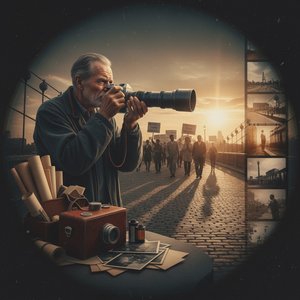
Witnessing History Through Lens & Light: Documentary Photography's Enduring Legacy
Explore the powerful history of documentary photography – from its origins to contemporary masters like Gordon Parks & W. Eugene Smith. Discover how this art form shapes our understanding of society and witness pivotal moments in time.